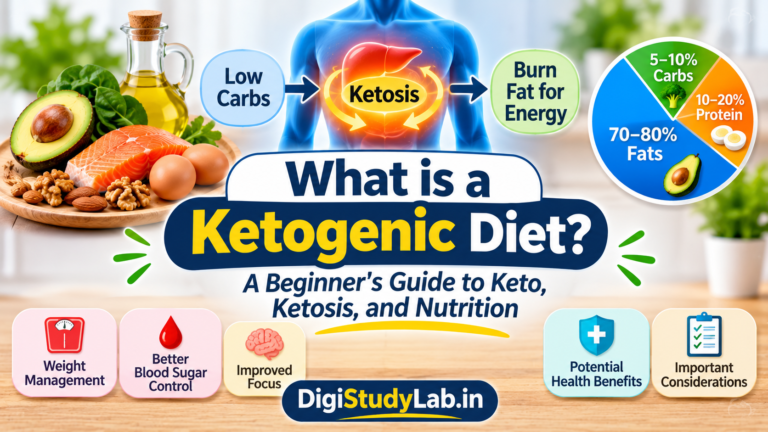
The ketogenic diet, commonly known as the keto diet, is a low-carbohydrate, high-fat eating approach that has gained considerable attention for its potential role in weight management and certain medical conditions.
Unlike conventional eating patterns that rely heavily on carbohydrates for energy, the ketogenic diet significantly reduces carbohydrate intake and encourages the body to use more fat as an energy source.
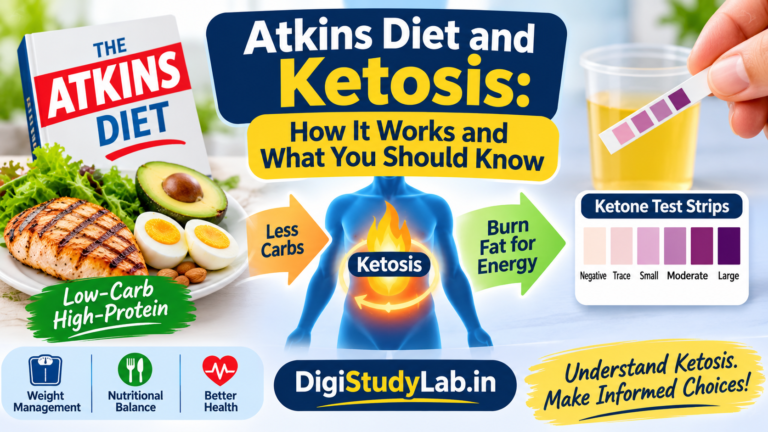
This metabolic adjustment can lead to a state known as ketosis, in which the liver produces ketone bodies from fatty acids. These ketones provide an alternative source of energy for several tissues, including the brain.
But what exactly is a ketogenic diet? How does it work, what foods can you eat, and what potential benefits and limitations should you understand before trying it?
Let’s explore the basics of the ketogenic diet and how it affects the body.
1. What Is a Ketogenic Diet?
A ketogenic diet is a low-carbohydrate, high-fat eating plan designed to encourage the body to enter nutritional ketosis.
Under normal dietary conditions, carbohydrates are broken down into glucose, which provides energy for various cells and tissues.
When carbohydrate intake is significantly reduced, the body gradually adapts to using more fat for energy. The liver converts fatty acids into ketone bodies, which serve as an alternative fuel source.
A typical ketogenic diet contains:
- Fat: Approximately 70–80% of daily calories.
- Protein: Approximately 10–20% of daily calories.
- Carbohydrates: Approximately 5–10% of daily calories.
These percentages are general examples rather than fixed requirements. The actual macronutrient distribution varies depending on the ketogenic approach, individual nutritional needs, and health goals.
A standard ketogenic diet generally limits carbohydrates to approximately 20–50 grams per day, although individual requirements and approaches can differ.
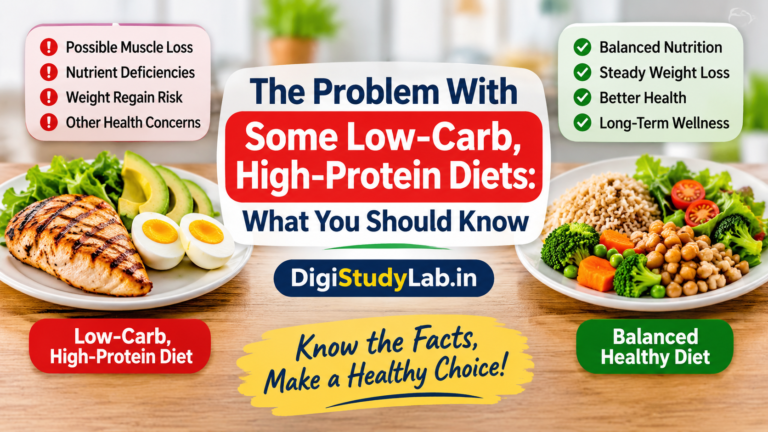
It is important to understand that a ketogenic diet is not simply a high-protein diet. It is primarily characterised by high fat intake, moderate protein intake, and very low carbohydrate consumption.
2. How Does the Ketogenic Diet Work?
The main principle behind the ketogenic diet is to change how the body obtains and uses energy.
Normally, the body relies heavily on glucose produced from dietary carbohydrates. When carbohydrate consumption becomes very low, the body begins adapting to reduced glucose availability.
This process involves several metabolic changes:
Step 1: Reduced carbohydrate intake
When you significantly reduce carbohydrates, less dietary glucose becomes available to the body.
Step 2: Changes in glycogen stores
The body uses stored glycogen, particularly in the liver and muscles, to help maintain its energy requirements.
Step 3: Increased fat utilisation
As carbohydrate availability decreases, the body increases its reliance on fatty acids for energy.
Step 4: Production of ketone bodies
The liver converts fatty acids into ketone bodies through a process called ketogenesis.
Step 5: Entry into nutritional ketosis
Ketone bodies become an increasingly important alternative energy source for the brain and other tissues.
The time required to enter ketosis varies between individuals. It depends on carbohydrate intake, physical activity, metabolism, and other factors.
The body does not stop using glucose completely during ketosis. Certain cells and tissues continue to require glucose, which the body can produce through its own metabolic processes.
3. What Are the Potential Benefits of a Ketogenic Diet?
The ketogenic diet has been studied for several health and metabolic applications. Some people may experience benefits, although the results vary depending on individual circumstances and how the diet is followed.
Here are some commonly discussed potential benefits.
Weight Management
One of the main reasons people follow a ketogenic diet is to support weight loss.
Some individuals experience reduced appetite while following a ketogenic eating plan, which may make it easier to consume fewer calories.
Initial weight reduction can also include water loss associated with declining glycogen stores.
Although ketogenic diets may support weight loss, they are not guaranteed to produce better long-term results than other sustainable dietary approaches.
Blood Sugar Management
Reducing carbohydrate intake can decrease the amount of glucose entering the bloodstream after meals.
For some people with type 2 diabetes, a carefully managed low-carbohydrate or ketogenic eating pattern may help improve blood glucose control.
However, medication adjustments and appropriate medical supervision may be necessary. A ketogenic diet should never be used as a replacement for prescribed diabetes treatment.
Potential Effects on Insulin Sensitivity
Insulin is a hormone that helps regulate blood glucose levels by allowing cells to take up and use glucose.
Reducing carbohydrate intake and losing excess body weight may improve certain measures of insulin sensitivity in some individuals.
However, the effects vary, and long-term outcomes depend on several factors, including food quality, overall calorie intake, physical activity, and individual health conditions.
Appetite and Fullness
Protein and fat can contribute to feelings of fullness after meals.
Some people following a ketogenic diet report reduced hunger and fewer cravings, which may help them maintain their eating plan.
However, appetite responses are individual, and not everyone experiences the same effects.
Medical Applications in Epilepsy
One of the most established medical applications of ketogenic dietary therapy is the management of certain forms of epilepsy.
A carefully formulated ketogenic diet has been used under medical supervision, particularly for children with drug-resistant epilepsy.
This therapeutic approach is different from simply following a popular weight-loss keto diet. It requires individual planning, nutritional monitoring, and supervision by an experienced medical team.
Research is also exploring ketogenic diets in other medical areas, but many proposed applications still require further evidence.
4. Which Foods Can You Eat on a Ketogenic Diet?
Food selection is an important part of following a ketogenic eating pattern.
Because carbohydrate intake is restricted, people generally focus on foods that provide fats and protein while choosing low-carbohydrate vegetables and other nutrient-rich ingredients.
Some commonly included foods are:
Healthy Fat Sources
- Olive oil and other suitable vegetable oils.
- Avocados.
- Almonds, walnuts, and other nuts.
- Chia seeds and flaxseeds.
- Pumpkin and sunflower seeds.
Protein Sources
- Eggs.
- Fish and seafood.
- Chicken and other suitable meats.
- Paneer.
- Tofu and other low-carbohydrate plant-based protein options.
Low-Carbohydrate Vegetables
- Spinach.
- Broccoli.
- Cauliflower.
- Cucumber.
- Cabbage.
- Mushrooms.
- Zucchini.
- Lettuce.
These vegetables can provide dietary fibre, vitamins, and minerals while helping maintain a varied eating pattern.
Dairy Products
Depending on individual nutritional requirements and carbohydrate limits, some people include:
- Plain unsweetened yoghurt.
- Cheese.
- Paneer.
- Unsweetened milk alternatives with low carbohydrate content.
Always check food labels because the carbohydrate content of packaged foods and dairy products can vary.
5. Which Foods Are Usually Limited on a Ketogenic Diet?
A ketogenic diet restricts foods that contain substantial amounts of carbohydrates.
Commonly limited foods include:
- Rice and other carbohydrate-rich grains.
- Bread, pasta, and breakfast cereals.
- Sugar, sweets, and sugary beverages.
- Potatoes and other starchy vegetables.
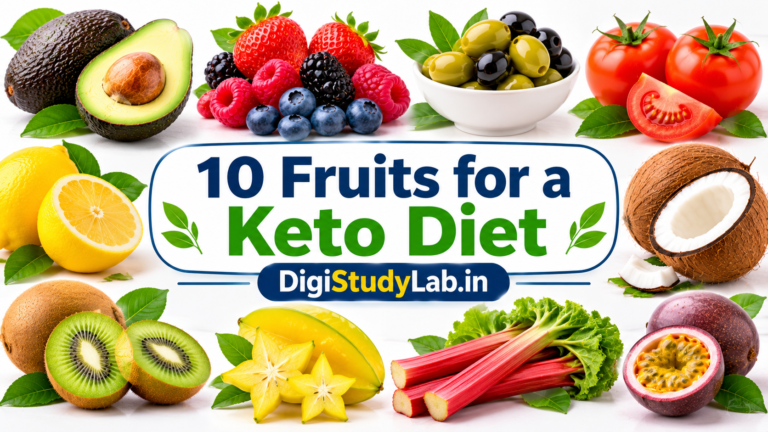
- Many fruits, particularly those with higher carbohydrate content.
- Cakes, biscuits, and other baked products made with refined flour.
- Sweetened yoghurt and desserts.
- Many packaged and highly processed carbohydrate-rich foods.
Some of these foods provide valuable nutrients, so excluding them requires careful meal planning to maintain nutritional adequacy.
For example, whole grains, legumes, and many fruits are important sources of dietary fibre and other nutrients. A ketogenic diet may therefore require additional attention to fibre intake and food variety.
6. Is the Ketogenic Diet Suitable for Everyone?
Although the ketogenic diet may offer certain benefits, it is not suitable for everyone.
Its restrictive nature can make it difficult to maintain, and an inadequately planned version may result in insufficient fibre or certain vitamins and minerals.
Some people may also experience temporary symptoms during the initial adjustment period, sometimes referred to as keto flu.
These symptoms can include:
- Headaches.
- Fatigue.
- Dizziness.
- Nausea.
- Constipation.
- Changes in energy levels.
Other potential concerns include dehydration, electrolyte disturbances, changes in cholesterol levels, and kidney stone risk in some individuals.
People with certain medical conditions require particular caution.
Individuals with kidney or liver disease, pancreatitis, certain disorders of fat metabolism, or a history of eating disorders should seek specialist guidance before considering a ketogenic diet.
Pregnant or breastfeeding women should not begin a restrictive ketogenic diet without appropriate medical advice.
People with diabetes who use insulin or certain glucose-lowering medications may also require medication adjustments to reduce the risk of hypoglycaemia.
An especially important precaution: People taking SGLT2 inhibitor medications for diabetes should avoid starting a ketogenic diet without specialist guidance because the combination can increase the risk of diabetic ketoacidosis, a potentially serious medical complication.
Before making significant dietary changes, consult a qualified healthcare professional or registered dietitian who can assess your individual nutritional and medical requirements.
7. How to Approach the Ketogenic Diet in a Balanced Way
If a ketogenic diet is appropriate for your individual circumstances, the quality of the foods you choose is just as important as the amount of carbohydrates you consume.
Here are some practical considerations:
- Prioritise nutrient-dense foods rather than relying heavily on processed keto products.
- Choose unsaturated fats from nuts, seeds, avocados, and suitable vegetable oils.
- Include a variety of low-carbohydrate vegetables.
- Consume adequate protein to support normal body functions and muscle maintenance.
- Pay attention to dietary fibre and hydration.
- Monitor your overall health and discuss appropriate medical tests with your healthcare professional.
- Avoid unnecessarily restrictive eating patterns that are difficult to maintain.
Remember that the goal should not simply be to achieve ketosis. Maintaining adequate nutrition and supporting long-term health are equally important.
Conclusion
The ketogenic diet is a low-carbohydrate, high-fat eating approach that encourages the body to produce ketones and use more fat as an alternative energy source.
It may support weight management and can have specific medical applications, particularly in certain forms of epilepsy. However, its effects differ between individuals, and it is not necessarily more effective or suitable than other balanced eating approaches for everyone.
Understanding how the ketogenic diet works, choosing nutritious foods, and recognising its limitations are essential before considering this eating pattern.
At DigiStudyLab.in, we believe that reliable nutritional information helps people make informed decisions about their health. Whether you are exploring the ketogenic diet or another approach to healthy eating, focus on nutritional balance, evidence-based guidance, and sustainable habits that support your overall well-being.
Scientific references
Harvard T.H. Chan School of Public Health – Ketogenic Diet — diet composition, mechanisms, benefits, and limitations.
NCBI – The Ketogenic Diet: Clinical Applications and Evidence-Based Indications — clinical applications and safety.
Healthdirect Australia – Ketogenic Diet — potential benefits and risks.
UK Kidney Association – SGLT2 Inhibitor Guidance — precautions involving ketogenic diets and diabetes medication.