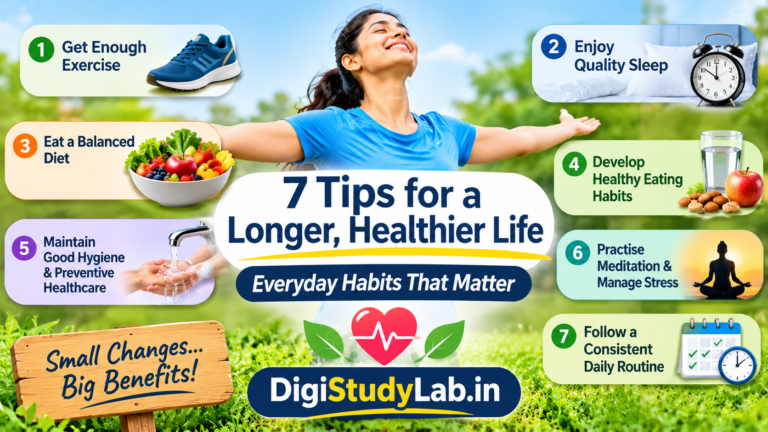
Modern medicine has made remarkable progress in preventing, diagnosing, and treating many health conditions. However, medical treatment alone cannot replace the importance of maintaining a healthy lifestyle.
The everyday choices we make, including what we eat, how much we move, how well we sleep, and how we manage stress, can significantly influence our overall health and well-being.
Rather than waiting for health problems to develop, adopting healthy habits can help reduce certain disease risks and support a better quality of life as we grow older.
Living a longer and healthier life does not require complicated routines or expensive products. Small, consistent lifestyle changes can make a meaningful difference over time.
Here are seven practical tips to help you build a healthier lifestyle and support your long-term well-being.
1. Get Enough Physical Exercise
Regular physical activity is one of the most important habits for maintaining good health.
Modern lifestyles often involve spending long hours sitting at desks, travelling in vehicles, and using electronic devices. This reduces the amount of physical movement people get throughout the day.
A sedentary lifestyle can contribute to several health problems, including cardiovascular disease, type 2 diabetes, and unhealthy weight gain.
You do not necessarily need an expensive gym membership or complicated workout routine to stay active.
Consider incorporating activities such as:
- Walking or brisk walking.
- Cycling and swimming.
- Running or jogging, according to your fitness level.
- Yoga and stretching exercises.
- Dancing or playing outdoor sports.
- Strength-training exercises.
For adults, the World Health Organization recommends at least 150–300 minutes of moderate-intensity aerobic physical activity per week, or an equivalent amount of vigorous activity. Adults should also include muscle-strengthening activities on at least two days per week.
If you spend most of your day sitting, take regular movement breaks and gradually increase your daily activity.
Remember, doing some physical activity is better than remaining inactive.
2. Prioritise Quality Sleep
Sleep is essential for maintaining physical health, mental well-being, and normal body functions.
During sleep, the body carries out important processes involved in recovery, tissue repair, memory, and the regulation of various biological functions.
Unfortunately, many people sacrifice sleep because of work schedules, studies, entertainment, or excessive screen time.
Consistently getting insufficient sleep can affect concentration, mood, immune function, and overall health.
Most adults need at least seven hours of sleep each night, although individual requirements can vary.
Here are some habits that can improve sleep quality:
- Maintain a consistent bedtime and wake-up time.
- Avoid excessive caffeine, particularly during the evening.
- Reduce screen exposure close to bedtime.
- Keep your bedroom comfortable, quiet, and dark.
- Avoid heavy meals immediately before sleeping.
- Develop a relaxing bedtime routine.
It is also important to understand your natural sleep schedule. Going to bed and waking up at consistent times is generally more beneficial than forcing yourself to follow an unnecessarily early routine.
If you regularly experience difficulty sleeping or persistent daytime tiredness, consider discussing it with a healthcare professional.
3. Eat a Balanced and Nutritious Diet
Food provides the energy and nutrients your body needs to function properly.
A healthy eating pattern supports normal growth, tissue maintenance, immune function, and overall well-being. Poor dietary habits, on the other hand, can increase the risk of several chronic health conditions.
Instead of following extreme diets or eliminating entire food groups without a medical reason, focus on eating a variety of nutritious foods.
A balanced diet should include:
- Fruits and vegetables: Provide essential vitamins, minerals, antioxidants, and dietary fibre.
- Whole grains: Foods such as oats, whole wheat, brown rice, and millets provide energy and fibre.
- Protein-rich foods: Include lentils, beans, chickpeas, dairy products, eggs, fish, or other suitable protein sources.
- Healthy fats: Nuts, seeds, avocados, and appropriate vegetable oils provide beneficial dietary fats.
- Adequate fluids: Drink sufficient water throughout the day to maintain hydration.
For people following an Indian diet, foods such as dal, roti, rice, millets, seasonal vegetables, fruits, curd, and legumes can contribute to a nutritious eating pattern.
It is also helpful to limit excessive added sugar, highly processed foods, and foods containing too much salt or unhealthy fats.
The World Health Organization recommends consuming at least 400 grams of fruits and vegetables daily for people older than 10 years.
The key is to focus on food quality, variety, and appropriate portions rather than following unnecessary dietary restrictions.
4. Develop Healthy Eating Habits and Avoid Extreme Fasting
Understanding your body’s hunger and fullness signals can help you develop a healthier relationship with food.
Some people eat simply because it is a particular time of day, while others regularly skip meals due to busy schedules. Neither habit is automatically harmful, but consistently ignoring your nutritional needs can make it difficult to maintain a balanced eating pattern.
Try to establish eating habits that suit your daily routine and nutritional requirements.
Consider these practical suggestions:
- Eat balanced meals that provide sufficient nutrients.
- Pay attention to hunger and fullness signals.
- Avoid regularly skipping meals if it affects your energy or nutritional intake.
- Limit unnecessary late-night snacking.
- Avoid overeating and excessively restrictive eating patterns.
- Maintain adequate hydration.
Is Regular Fasting Necessary for Good Health?
Fasting has become increasingly popular as a dietary approach for weight management and other health goals. However, fasting is not a requirement for maintaining good health.
Some people may find certain intermittent fasting patterns suitable, but research has not established that everyone needs to fast or that fasting is superior to other sustainable eating approaches.
Prolonged or restrictive fasting can also cause problems for certain individuals.
Pregnant or breastfeeding women, children and adolescents, people with a history of eating disorders, and individuals taking diabetes medication should seek appropriate medical advice before considering fasting.
Rather than forcing yourself to follow a strict fasting schedule, prioritise adequate nutrition and a sustainable eating routine.
5. Maintain Good Personal Hygiene and Preventive Healthcare
Personal hygiene is an essential part of a healthy lifestyle.
Simple daily practices can help reduce exposure to harmful microorganisms and lower the risk of certain infections.
Maintaining personal cleanliness does not require complicated routines. Consistent everyday habits are often the most practical approach.
Some important hygiene practices include:
- Wash your hands with soap and clean water, especially before eating and after using the toilet.
- Brush your teeth twice daily using fluoride toothpaste.
- Maintain regular bathing and personal cleanliness.
- Keep your nails clean and trimmed.
- Wear clean clothes and maintain good food hygiene.
- Drink safe and clean water.
- Keep your surroundings clean.
In addition to personal hygiene, preventive healthcare is equally important.
Regular health check-ups, appropriate vaccinations, dental visits, and recommended screening tests can help identify certain health problems before they become more serious.
The specific screenings and check-up schedules you need will depend on your age, medical history, and individual risk factors.
Remember, maintaining hygiene and seeking preventive healthcare are practical ways to protect your health.
6. Practise Meditation and Manage Stress
Physical health and mental well-being are closely connected.
Daily responsibilities, financial pressures, work demands, and personal challenges can contribute to stress. When stress becomes persistent, it may affect sleep, concentration, mood, and other aspects of health.
Meditation and mindfulness are practices that can help people become more aware of their thoughts and emotions.
Research suggests that some meditation and mindfulness approaches may help reduce stress and improve aspects of psychological well-being. However, results vary, and meditation should not replace professional treatment when needed.
You can begin with simple practices:
- Spend five to ten minutes practising mindful breathing.
- Sit quietly and focus on your breathing.
- Practise yoga or gentle stretching.
- Spend time outdoors in a peaceful environment.
- Take breaks from work and electronic devices.
- Make time for hobbies and activities you enjoy.
You do not need to practise meditation for long periods to begin developing a regular habit.
The goal is to find practical ways to manage everyday stress and maintain emotional well-being.
7. Maintain a Consistent Daily Routine
A consistent daily routine can help support healthy sleep, physical activity, eating habits, and overall well-being.
Many people associate good health with waking up very early every morning. However, waking up at a particular hour is not a guarantee of better health.
What matters more is maintaining a regular sleep schedule, getting sufficient rest, and making time for healthy activities throughout the day.
Consider developing a daily routine that includes:
- Waking up at a consistent time.
- Getting some natural daylight during the morning.
- Eating nutritious meals at regular times that suit your needs.
- Including physical activity in your daily schedule.
- Taking breaks during long working hours.
- Making time for family, friends, and hobbies.
- Going to bed at a consistent time.
Try to avoid unnecessary disruptions to your sleep schedule, especially on weekends.
A routine does not have to be rigid. It should be realistic enough to maintain while accommodating your work, family responsibilities, and personal commitments.
Over time, consistent daily habits can help create a healthier and more balanced lifestyle.
Conclusion
Living a longer and healthier life is not about following a single diet, exercising excessively, or waking up extremely early every morning. It is about making sensible lifestyle choices and maintaining them consistently.
Regular physical activity, quality sleep, balanced nutrition, good personal hygiene, stress management, and preventive healthcare can all contribute to better overall well-being.
Remember that no lifestyle routine can guarantee freedom from illness or determine exactly how long someone will live. Genetics, environment, access to healthcare, and many other factors also influence health and longevity.
At DigiStudyLab.in, we believe that reliable health information and everyday healthy habits can help people make better-informed decisions. Start with small changes, remain consistent, and build a lifestyle that supports your health at every stage of life.
Reliable references for this article
WHO – Physical Activity — recommended physical activity.
CDC – Sleep and Heart Health — sleep duration and healthy sleep habits.
WHO – Healthy Diet — nutrition and dietary recommendations.
JAMA – Intermittent Fasting — fasting considerations and safety.
NCCIH – Meditation and Mindfulness — evidence and limitations of meditation.