Introduction
The brain is one of the body’s most important organs. It controls thinking, memory, learning, emotions, movement, and many essential functions that help us navigate everyday life.
Just like the rest of the body, the brain needs a regular supply of nutrients to function properly. A balanced diet containing vitamins, minerals, healthy fats, antioxidants, protein, and other essential nutrients can contribute to overall brain health.
Certain foods contain nutrients that play important roles in normal brain function. Berries, fatty fish, nuts, seeds, vegetables, and other nutrient-rich foods are commonly included in dietary patterns associated with better long-term health.
However, no single food can guarantee improved intelligence, prevent memory loss, or protect against neurological diseases. The overall quality of your diet and lifestyle matters much more than relying on individual so-called brain-boosting foods.
Let’s explore 10 nutritious foods that can form part of a balanced, brain-friendly eating pattern.
1. Blueberries: Antioxidant-Rich Berries
Blueberries are small fruits packed with naturally occurring plant compounds called flavonoids, particularly anthocyanins, which give them their characteristic blue-purple colour.
These compounds have antioxidant properties and are being studied for their potential relationship with brain health.
Blueberries also provide vitamin C, fibre, and other beneficial plant nutrients.
How they may support brain health:
- Provide antioxidant compounds that help protect cells from oxidative damage.
- Supply flavonoids being investigated for their potential effects on memory and cognitive function.
- Contribute fibre and essential nutrients to a balanced diet.
How to include them: Enjoy fresh or frozen blueberries with breakfast, add them to yoghurt or oatmeal, or blend them into a smoothie.
Other berries, including strawberries, blackberries, and Indian mulberries (shahtoot), can also add variety to your diet.
2. Fatty Fish: A Source of Omega-3 Fatty Acids
Fatty fish such as salmon, sardines, trout, and mackerel provide omega-3 fatty acids, particularly DHA (docosahexaenoic acid) and EPA (eicosapentaenoic acid).
DHA is an important structural component of brain cell membranes and plays a role in normal brain function.
How it may support brain health:
- Provides DHA, which contributes to the structure of brain cell membranes.
- Supplies high-quality protein and other essential nutrients.
- Forms part of dietary patterns associated with better long-term health.
Research has linked regular fish consumption with certain favourable cognitive outcomes, although findings do not establish that eating fish alone prevents dementia or guarantees better memory.
How to include it: Enjoy grilled, baked, or steamed fish as part of a balanced meal. Sardines and other locally available oily fish can be practical options.
Vegetarian alternatives: Walnuts, flaxseeds, chia seeds, and certain other plant foods provide ALA, another type of omega-3 fatty acid. The body converts only a limited amount of ALA into DHA and EPA, so these sources are not nutritionally identical to fatty fish.
3. Turmeric: A Traditional Spice with Curcumin
Turmeric is widely used in Indian cooking and is known for its distinctive golden-yellow colour.
It contains curcumin, a naturally occurring compound that has attracted scientific interest because of its antioxidant and anti-inflammatory properties.
Researchers have investigated whether curcumin may have a role in brain health. However, human studies remain limited and inconsistent, and more high-quality research is needed before specific cognitive benefits can be established.
How it contributes to a healthy diet:
- Adds flavour and colour to meals.
- Contains naturally occurring plant compounds.
- Can be included in a varied diet rich in herbs, spices, vegetables, and other nutritious foods.
How to include it: Add turmeric to dal, vegetable curries, soups, and other everyday dishes. It can also be used in traditional milk-based drinks.
Turmeric used in cooking should not be confused with concentrated curcumin supplements, which can have different safety considerations. Some highly bioavailable supplements have been associated with liver injury.
4. Broccoli: A Nutrient-Rich Cruciferous Vegetable
Broccoli belongs to the cruciferous vegetable family, along with cauliflower, cabbage, and Brussels sprouts.
It contains vitamin C, vitamin K, folate, fibre, and plant compounds such as glucosinolates.
These nutrients contribute to several normal functions in the body, including cell protection and blood health.
How it may support overall health:
- Vitamin K contributes to normal blood clotting and bone health.
- Vitamin C contributes to antioxidant protection and normal immune function.
- Folate supports normal cell division and other important biological processes.
- Fibre supports digestive health.
Broccoli is a nutritious addition to a balanced diet, although it should not be presented as a proven treatment for memory problems or age-related cognitive decline.
How to include it: Steam, lightly sauté, or roast broccoli. You can also add it to vegetable soups, salads, and mixed vegetable dishes.
5. Pumpkin Seeds: Small Seeds with Important Minerals
Pumpkin seeds are nutrient-dense seeds that provide magnesium, zinc, iron, copper, protein, and healthy fats.
These nutrients contribute to several important functions throughout the body, including normal nerve function, oxygen transport, and cellular processes.
How they contribute to brain health:
- Magnesium supports normal nerve and muscle function.
- Zinc contributes to normal cognitive function and many enzyme activities.
- Iron helps transport oxygen through the blood.
- Copper contributes to normal nervous system function.
Adequate intake of these nutrients is important for overall health. However, eating pumpkin seeds does not automatically improve memory or treat anxiety and depression.
How to include them: Enjoy a small portion of unsalted pumpkin seeds as a snack, add them to salads, or sprinkle them over oatmeal and yoghurt.
They are also a convenient addition to Indian-style salads, homemade trail mixes, and breakfast bowls.
6. Dark Chocolate: A Source of Cocoa Flavanols
Dark chocolate contains cocoa flavanols, naturally occurring plant compounds that have been studied for their potential effects on blood vessel function and circulation.
Some research suggests that cocoa flavanols may influence blood flow, including blood flow to the brain. However, the evidence does not establish that eating chocolate reliably improves memory, concentration, or long-term cognitive health.
Potential nutritional features:
- Contains cocoa flavanols and other plant compounds.
- Provides small amounts of minerals such as iron and magnesium.
- Can be enjoyed as an occasional treat.
How to include it: Choose dark chocolate with a relatively high cocoa content and enjoy a modest portion.
Check the ingredient list and nutrition information because some products contain considerable amounts of added sugar and calories.
Dark chocolate can be part of a balanced diet, but it is not necessary for maintaining brain health.
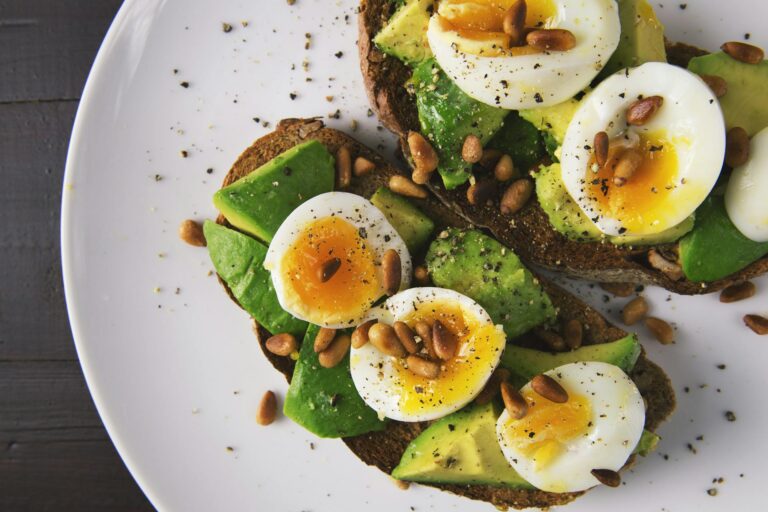
7. Eggs: A Convenient Source of Choline
Eggs are versatile, widely available, and provide several important nutrients.
One particularly interesting nutrient found in egg yolks is choline. Choline is needed by the body to produce acetylcholine, a chemical messenger involved in memory, muscle control, and other nervous system functions.
Eggs also provide high-quality protein, vitamin B12, and other B vitamins.
How they contribute to normal brain function:
- Choline supports the production of acetylcholine.
- Vitamin B12 contributes to normal nervous system function.
- Protein provides amino acids required for the growth and maintenance of body tissues.
Eggs are a useful source of nutrients, but their consumption should not be presented as a guaranteed way to improve memory or prevent cognitive decline.
How to include them: Enjoy boiled eggs, omelettes, or scrambled eggs. They can also be added to balanced breakfast and lunch meals.
For people who do not eat eggs, other choline-containing foods include soybeans, certain legumes, and some vegetables, although their choline content varies.
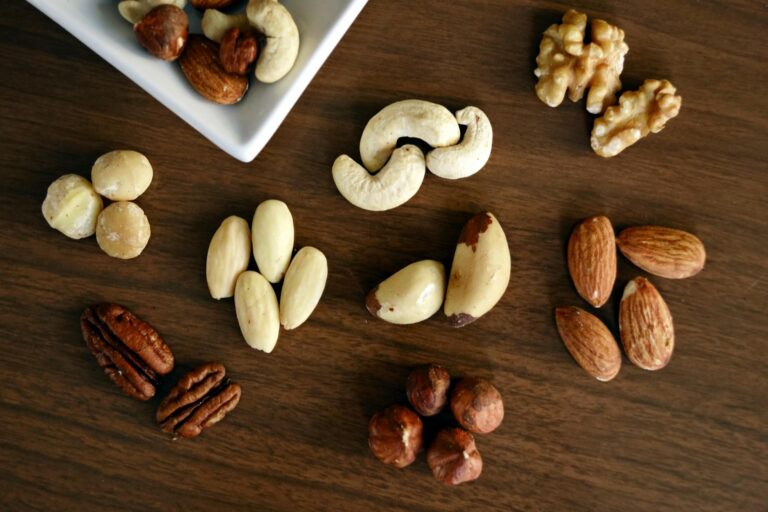
8. Walnuts: Plant-Based Omega-3 Nutrition
Walnuts are well known for their nutrient content and are a convenient addition to a healthy eating routine.
They provide alpha-linolenic acid (ALA), a plant-based omega-3 fatty acid, along with unsaturated fats, fibre, protein, and antioxidant compounds.
How they contribute to overall health:
- Provide ALA, an essential omega-3 fatty acid.
- Supply unsaturated fats that can form part of a heart-healthy eating pattern.
- Contain plant compounds with antioxidant properties.
- Provide fibre and several important minerals.
Some observational research has associated nut consumption with favourable cognitive outcomes. However, more research is needed to establish the specific effects of walnuts on memory and brain performance.
How to include them: Enjoy a small handful of unsalted walnuts as a snack, add chopped walnuts to salads, or mix them into oatmeal and homemade breakfast bowls.
Other nuts, such as almonds and pistachios, can also contribute to a varied, nutritious diet.
9. Green Tea: A Drink Containing Caffeine and L-Theanine
Green tea is a popular beverage containing several naturally occurring compounds, including caffeine, catechins, and an amino acid called L-theanine.
Caffeine can temporarily increase alertness, while L-theanine has been studied for its possible effects on attention and relaxation.
Some research suggests that the combination of caffeine and L-theanine may influence certain aspects of attention and cognitive performance. However, individual responses vary, and more research is needed to understand long-term effects.
How it may support alertness:
- Caffeine can temporarily increase alertness.
- L-theanine is being studied for its potential relationship with attention and relaxation.
- Green tea contains catechins, which are naturally occurring plant compounds.
How to include it: Enjoy a cup of freshly prepared green tea without excessive added sugar.
Remember that green tea contains caffeine. People who are sensitive to caffeine, experience sleep disturbances, or have been advised to limit caffeine should adjust their intake accordingly.
10. Avocados: A Source of Healthy Unsaturated Fats
Avocados are nutrient-rich fruits known for their creamy texture and high content of monounsaturated fats.
They also provide fibre, folate, potassium, vitamin E, and other nutrients that contribute to overall health.
Although avocados are sometimes described as an omega-3-rich brain food, their main fat contribution comes from monounsaturated fats rather than significant amounts of omega-3 fatty acids.
How they contribute to a balanced diet:
- Provide monounsaturated fats.
- Supply fibre that supports digestive health.
- Contain folate, which contributes to normal cell division.
- Provide potassium, which supports normal muscle and nerve function.
- Contain vitamin E, an antioxidant nutrient that helps protect cells from oxidative damage.
How to include them: Add sliced avocado to salads, sandwiches, or whole-grain toast. You can also use mashed avocado as a spread or include it in homemade dips.
Avocados are nutritious, but portion sizes still matter because they are relatively energy-dense.
Beyond Individual Foods: Why Your Overall Diet Matters
Although individual foods provide valuable nutrients, long-term brain health is influenced by much more than a handful of special ingredients.
Research has explored dietary patterns such as the Mediterranean diet and the MIND diet (Mediterranean-DASH Intervention for Neurodegenerative Delay).
These eating patterns generally emphasise:
- Fruits and vegetables, especially leafy greens and berries.
- Whole grains and fibre-rich foods.
- Nuts and seeds.
- Beans and other legumes.
- Fish and other nutritious protein sources.
- Unsaturated fats, including olive oil.
- Limiting highly processed foods and excessive added sugars.
Studies have associated these dietary patterns with favourable cognitive outcomes, although the evidence is still developing and does not prove that they prevent dementia.
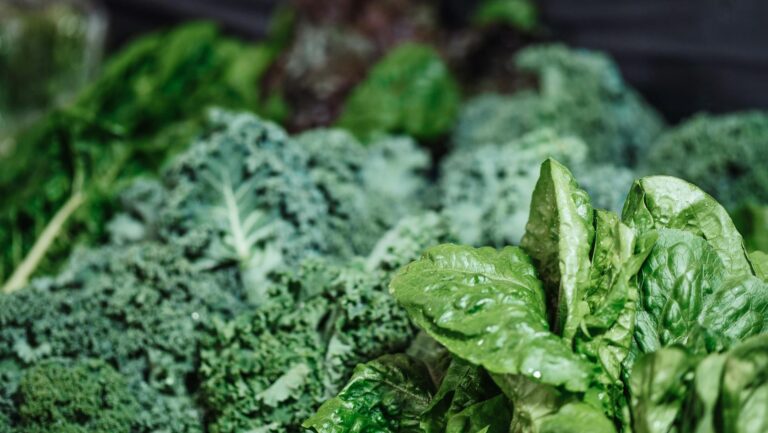
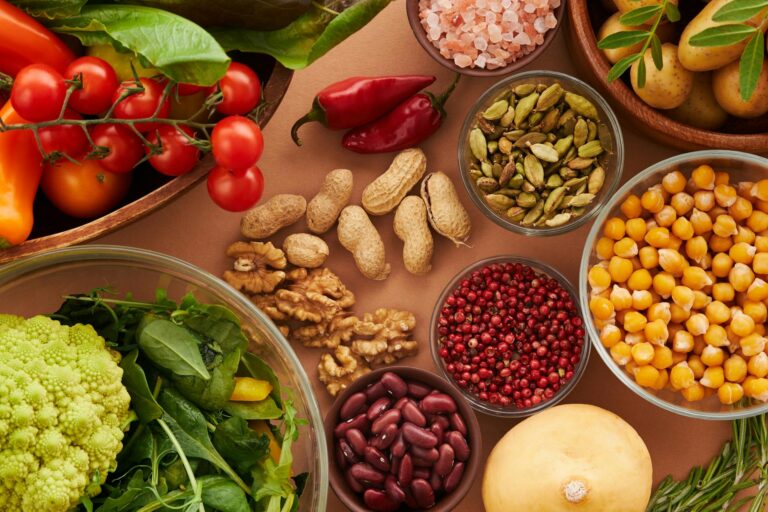
For everyday meals, you do not need expensive ingredients or imported superfoods. Affordable foods such as spinach, amaranth leaves, lentils, chickpeas, beans, groundnuts, walnuts, seasonal fruits, and whole grains can help build a varied and nutritious eating pattern.
Other Lifestyle Habits That Support Brain Health
Nutrition is important, but it is only one part of maintaining cognitive health.
Consider incorporating these habits into your routine:
1. Stay physically active: Regular physical activity supports cardiovascular health and general well-being.
2. Get sufficient sleep: Quality sleep is important for memory, learning, concentration, and daily functioning.
3. Keep your mind engaged: Reading, learning new skills, solving puzzles, and participating in meaningful activities can help keep your mind active.
4. Maintain social connections: Spending time with family, friends, and your community can support emotional and social well-being.
5. Manage long-term health conditions: Conditions such as high blood pressure, diabetes, and high cholesterol can affect cardiovascular and brain health. Follow appropriate medical advice and attend recommended health check-ups.
6. Stay hydrated: Drink enough fluids throughout the day, adjusting your intake according to your activity level, climate, and health needs.
These habits work together with a nutritious diet to support overall health throughout life.
Conclusion
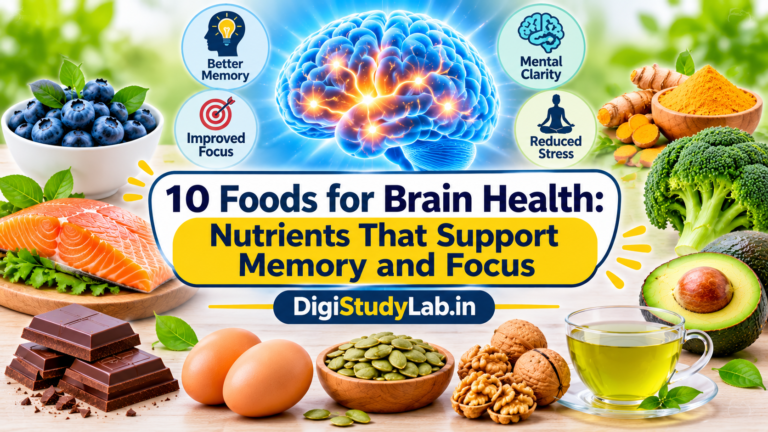
The foods we eat provide essential nutrients that help the brain and the rest of the body function properly. Blueberries, fatty fish, turmeric, broccoli, pumpkin seeds, dark chocolate, eggs, walnuts, green tea, and avocados each offer different nutritional benefits that can contribute to a balanced diet.
However, there is no single miracle food that guarantees better memory, sharper intelligence, or protection against cognitive decline. The most practical approach is to enjoy a varied diet that includes fruits, vegetables, whole grains, nuts, seeds, legumes, and suitable protein sources.
Combine nutritious eating with regular physical activity, adequate sleep, mental stimulation, and healthy daily habits.
At DigiStudyLab.in, our goal is to make useful knowledge accessible so that readers can make informed choices about their health and lifestyle. Start with small, sustainable dietary improvements and continue building habits that support your overall well-being.
References
- National Institute on Aging (NIA). What Do We Know About Diet and Prevention of Alzheimer’s Disease?
- National Institute on Aging (NIA). Cognitive Health and Older Adults
- U.S. Department of Agriculture (USDA). Dietary Patterns and Neurocognitive Health: A Systematic Review
- National Center for Complementary and Integrative Health (NCCIH). 7 Things to Know About Dietary Supplements and Alzheimer’s Disease
- National Center for Complementary and Integrative Health (NCCIH). Turmeric: Usefulness and Safety
- National Institute on Aging (NIA). Healthful Diet Linked to Reduced Risk of Cognitive Decline