Your immune system works around the clock, protecting your body from bacteria, viruses and other potentially harmful substances. Most of the time, you barely notice it doing its job. But when you become ill, it is a reminder of how important this complex defence network really is.
Although there is no magic food, drink or supplement that can make you immune to infections, your everyday habits can help your immune system function properly. Eating a varied diet, getting enough sleep, staying physically active and keeping up with recommended vaccinations are all meaningful parts of looking after your health.
The goal is not to make your immune system work as hard as possible. It is to give your body the conditions and nutrients it needs to maintain a balanced, effective immune response.
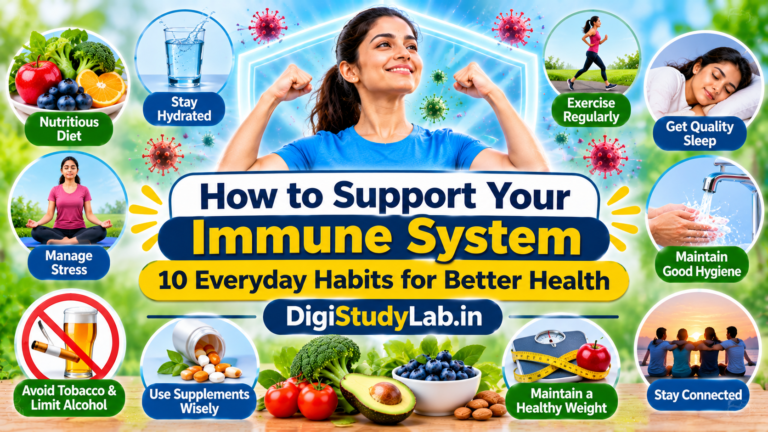
Let’s look at ten practical habits that can help support immune health.
Understanding Your Immune System
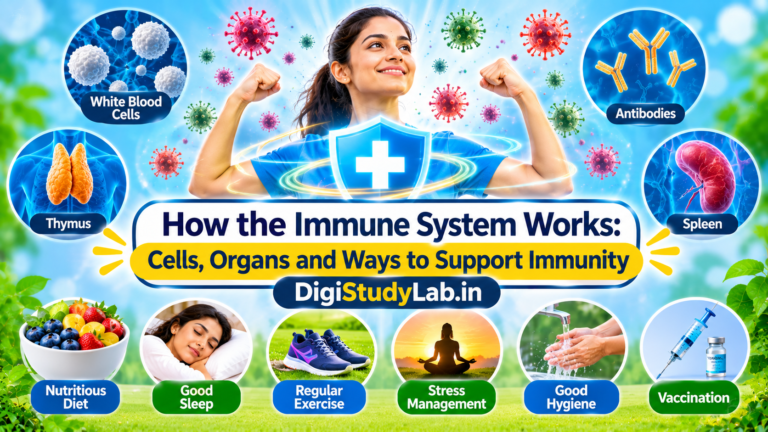
The immune system is a network of cells, tissues, organs and biological processes that helps the body recognise and respond to infections and other threats.
It includes two closely connected parts:
- Innate immunity: The body’s first line of defence. It includes physical barriers such as the skin and protective linings, as well as immune cells that respond quickly to potential threats.
- Adaptive immunity: A more specialised response that recognises particular pathogens. It involves B cells, T cells and antibodies, and can develop immune memory after exposure to an infection or vaccination.
These systems work together rather than operating independently. A healthy immune response needs to be appropriately regulated: an inadequate response can leave the body vulnerable, while an excessive or misdirected response can also cause harm.
This is why the idea of simply making immunity stronger is an oversimplification. Supporting normal immune function is a more useful goal.
10 Everyday Habits That Support Your Immune System
1. Eat a Varied and Balanced Diet
Your immune system needs a steady supply of nutrients to carry out its many functions. A varied diet that includes vegetables, fruits, whole grains, pulses, protein-rich foods and healthy fats can help provide those nutrients.
Try including foods such as:
- Citrus fruits and guava: Sources of vitamin C.
- Spinach and other leafy greens: Provide folate, vitamin A precursors and other nutrients.
- Almonds and seeds: Supply vitamin E, healthy fats and minerals.
- Beans, lentils and chickpeas: Provide plant protein, fibre, iron and zinc.
- Eggs, dairy, fish or suitable alternatives: Contribute protein and several essential nutrients.
- Whole grains and millets: Provide fibre and a range of vitamins and minerals.
Indian meals can make this approach practical. Dal, chana, rajma, vegetables, curd, seasonal fruit, nuts and whole grains can all contribute to a nutritious eating pattern.
Garlic, ginger and turmeric can add flavour and variety to meals, but they should not be treated as medicines or guaranteed immune boosters.
The important principle is dietary variety. No single food supplies everything your immune system needs.
2. Drink Enough Water
Hydration is important for normal body functions, including digestion, circulation and temperature regulation. Water also helps maintain the normal function of tissues and mucous membranes that form part of the body’s protective barriers.
Your fluid needs depend on factors such as activity, climate, body size, diet and health. You may need more fluids when exercising, spending time outdoors in hot weather or recovering from fluid loss.
A few simple habits can help:
- Keep drinking water accessible throughout the day.
- Drink more when you are sweating heavily or exercising.
- Include water-rich foods such as cucumber, watermelon and oranges.
- Pay attention to thirst and other signs that you may need fluids.
There is no need to force excessive amounts of water. Drinking more than your body needs does not provide extra immune protection, and excessive water intake can be harmful.
3. Stay Physically Active
Regular physical activity supports cardiovascular health, metabolic health, mental well-being and several processes involved in immune function.
You do not need an intense workout routine to get started. Walking, cycling, swimming, dancing, gardening and other activities you enjoy can all count.
For a manageable routine:
- Take a brisk walk on most days.
- Break up long periods of sitting with short movement breaks.
- Include strength-building activities during the week.
- Choose activities that suit your fitness level and physical abilities.
For most adults, a useful general target is at least 150 minutes of moderate-intensity physical activity each week, along with muscle-strengthening activities on two or more days, as recommended by public health guidance.
Start gradually if you have been inactive. Consistency is more valuable than pushing yourself too hard.
4. Make Quality Sleep a Priority
Sleep is closely connected to immune function. During sleep, the body carries out important recovery and regulatory processes that help maintain normal immune responses.
Regularly getting too little sleep can affect health and may make it harder for the body to respond effectively to infections.
Most adults need at least seven hours of sleep each night, although individual requirements vary. Children and teenagers generally need more.
To improve your sleep routine:
- Try to go to bed and wake up at consistent times.
- Keep your bedroom comfortable, quiet and dark.
- Reduce screen use before bedtime.
- Avoid large meals and excessive caffeine late in the day.
- Make time for regular physical activity.
If you regularly struggle to sleep or remain tired despite spending enough time in bed, consider discussing it with a healthcare professional.
5. Find Healthy Ways to Manage Stress
Stress is a normal part of life. However, prolonged or poorly managed stress can affect sleep, mood, behaviour and several processes involved in immune regulation.
You cannot remove every stressful situation, but you can develop healthier ways to respond to it.
Consider trying:
- Slow breathing exercises.
- Meditation or mindfulness.
- Yoga or gentle stretching.
- Walking outdoors.
- Listening to music or enjoying a hobby.
- Talking with someone you trust.
You do not need to practise every technique. Find something realistic that helps you relax and make time for it regularly.
If stress feels overwhelming, persists for a long time or interferes with everyday life, professional support can be helpful.
6. Avoid Tobacco and Limit Alcohol
Smoking and other forms of tobacco use can damage the body’s protective barriers and affect immune responses. Avoiding tobacco is one of the most important steps you can take for long-term health.
Excessive alcohol consumption can also interfere with immune function and increase the risk of several health problems.
For better health:
- Avoid smoking and tobacco products.
- Seek support if you want to quit.
- Avoid binge drinking and excessive alcohol consumption.
- Remember that not drinking alcohol is a healthy choice.
Reducing these exposures supports more than immunity; it also benefits your lungs, heart, liver and overall well-being.
7. Use Supplements Only When They Are Needed
Vitamins and minerals play important roles in immune function. Nutrients such as vitamins A, C, D and E, zinc, iron and selenium are among those involved in maintaining normal immune responses.
However, taking extra supplements does not automatically improve immunity.
For example, vitamin C, vitamin D and zinc supplements may be useful when someone has an inadequate intake or a diagnosed deficiency. But routine high-dose supplementation is not a guaranteed way to prevent infections.
Before taking supplements:
- Check whether your diet provides the nutrients you need.
- Discuss possible deficiencies with a healthcare professional.
- Ask about suitable doses and potential interactions with medicines.
- Avoid combining several products that contain the same nutrients.
- Be cautious of products marketed as instant immune boosters.
High doses of some vitamins and minerals can cause side effects or interact with medicines. More is not necessarily better.
8. Practise Good Hygiene and Stay Up to Date With Vaccinations
Healthy habits can support your immune system, but preventing exposure to infectious germs is equally important.
Good hygiene helps reduce the spread of many infections.
Make these practices part of your routine:
- Wash your hands with soap and water for at least 20 seconds.
- Use an appropriate hand sanitiser when soap and water are unavailable.
- Avoid touching your eyes, nose and mouth with unwashed hands.
- Cover coughs and sneezes.
- Clean frequently touched surfaces when needed.
- Improve indoor ventilation, particularly in crowded spaces.
- Avoid close contact with people who are unwell when possible.
Vaccination is another important part of infection prevention. Vaccines help train the immune system to recognise specific diseases and prepare a protective response.
Keep up with vaccinations recommended for your age, health circumstances and location. Ask a healthcare professional if you are unsure which vaccines are appropriate for you.
Healthy eating and exercise cannot replace vaccination because they do not provide the same disease-specific protection.
9. Maintain a Healthy and Sustainable Weight
Body weight and immune health can be connected, but the relationship is more complex than simply being lighter or heavier.
Both undernutrition and excess body fat can be associated with health challenges. What matters is supporting your overall nutritional status, physical fitness and metabolic health rather than chasing a particular number on the weighing scale.
Focus on habits such as:
- Eating regular, balanced meals.
- Including enough protein and fibre.
- Staying physically active.
- Getting adequate sleep.
- Avoiding extreme or restrictive diets.
- Seeking professional guidance if you have unexplained weight changes or difficulty maintaining a healthy weight.
A sustainable approach is generally more useful than rapid weight-loss methods or strict diet plans.
10. Maintain Social Connections and Emotional Well-Being
Good relationships and social support are important parts of a healthy life. Spending time with family, friends and people you trust can help reduce feelings of isolation and support emotional well-being.
Social connection should not be described as a direct immune treatment, but it can contribute to healthier routines and help people cope with everyday stress.
You can strengthen your social connections by:
- Making time for family and friends.
- Checking in with people you care about.
- Participating in community activities.
- Sharing your concerns with someone you trust.
- Asking for support when you need it.
Even small interactions can make a meaningful difference to how connected and supported you feel.
Common Myths About Boosting Immunity
There is a great deal of information online about improving immunity. Some advice is useful, while other claims are exaggerated or unsupported.
Here are a few misconceptions worth avoiding.
Myth 1: One particular food can boost immunity instantly.
No single food can transform your immune system overnight. A balanced eating pattern provides a wider range of nutrients.
Myth 2: Taking more vitamins always improves immunity.
Excessive supplementation can be harmful. Supplements are most useful when they address a genuine nutritional need.
Myth 3: Getting sick means your immune system is weak.
Healthy people can still catch infections. Exposure, the type of pathogen, vaccination status, age and other factors all influence whether someone becomes ill.
Myth 4: Natural products are always safe.
Herbal products and supplements can cause side effects and interact with medicines. Natural does not automatically mean harmless.
Myth 5: Healthy habits can replace vaccines.
Healthy routines support general immune health, while vaccines provide targeted protection against specific infections. They serve different purposes and work best as complementary measures.
When Should You Seek Medical Advice?
Lifestyle habits are important, but they are not a substitute for medical care.
Consider speaking with a healthcare professional if you experience unusually frequent, severe or prolonged infections, repeated infections that require medical treatment, unexplained weight loss, persistent fever or other concerning symptoms.
People with certain medical conditions, those taking medicines that suppress the immune system and individuals receiving cancer treatment may need specific precautions and medical guidance.
Do not start high-dose supplements or stop prescribed medicines based on online immunity advice.
Conclusion
Your immune system is a remarkable network that protects your body every day. Although you cannot make yourself completely resistant to illness, you can support normal immune function through consistent, sensible habits.
Eat a varied diet, drink enough water, stay active, get quality sleep, manage stress, avoid tobacco, practise good hygiene and keep your vaccinations up to date. These steps may seem simple, but together they form a strong foundation for long-term health.
Remember, supporting immunity is not about searching for a miracle ingredient or following an extreme routine. It is about taking care of your body in ways you can maintain over time.
At DigiStudyLab.in, our goal is to make reliable health and learning information easier to understand and use in everyday life. Explore more of our health and nutrition articles to keep learning and make informed choices for your well-being.
References
- Centers for Disease Control and Prevention (CDC) – Support Your Immune Health
https://www.cdc.gov/respiratory-viruses/immune-health/index.html - National Institutes of Health (NIH), Office of Dietary Supplements – Dietary Supplements for Immune Function and Infectious Diseases
https://ods.od.nih.gov/factsheets/ImmuneFunction-Consumer/ - World Health Organization (WHO) – Healthy Diet
https://www.who.int/news-room/fact-sheets/detail/healthy-diet - Centers for Disease Control and Prevention (CDC) – About Sleep
https://www.cdc.gov/sleep/about/index.html - National Institutes of Health (NIH) – Your Body’s Disease Defenses
https://newsinhealth.nih.gov/2023/01/your-body-s-disease-defenses - World Health Organization (WHO) – Self-care for Health and Well-being
https://www.who.int/news-room/fact-sheets/detail/self-care-health-interventions