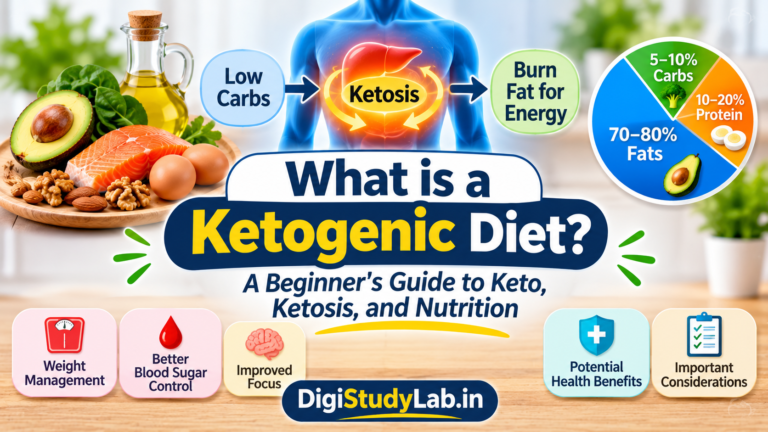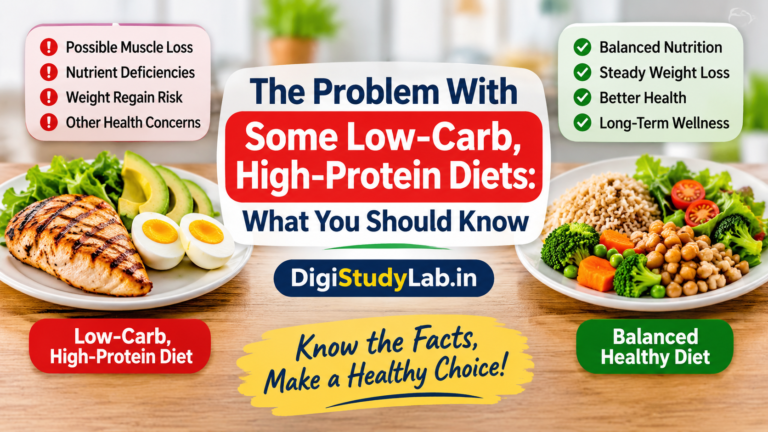
The ketogenic diet, commonly known as keto, is a low-carbohydrate eating pattern that encourages the body to use fat and ketones as important sources of energy. It has attracted attention for its potential role in weight management and blood sugar control, although results and long-term outcomes vary from person to person.
Following keto is not just about cutting out rice, bread, sugar and other carbohydrate-rich foods. The quality of the foods you choose, the nutrients you receive and how comfortably you can maintain the eating pattern all matter.
If you are already following a ketogenic diet or considering starting one, a few thoughtful adjustments can make it more balanced and practical. Here are ten tips to help you improve your approach while keeping your overall health in mind.
1. Choose Better Sources of Fat
Fat is an important part of a ketogenic diet, but that does not mean every high-fat food is an equally good choice.
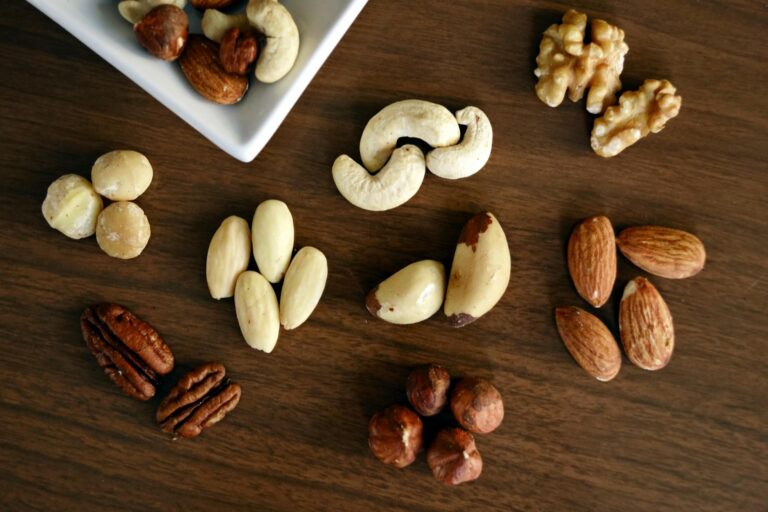
Try to get more of your dietary fat from sources that provide unsaturated fats and useful nutrients, such as:
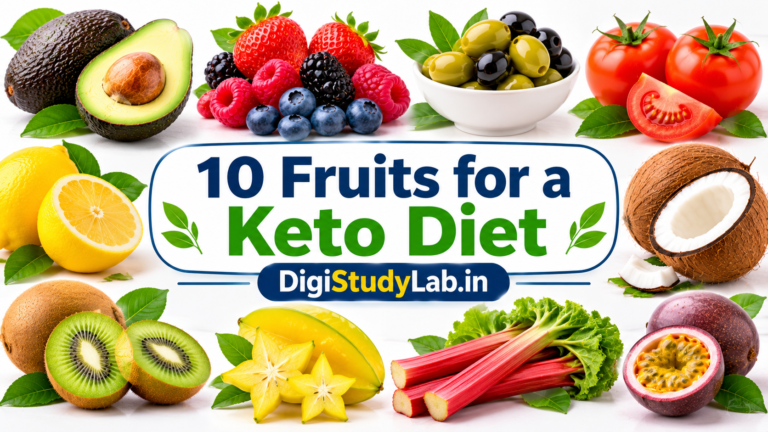
- Avocados
- Olive oil
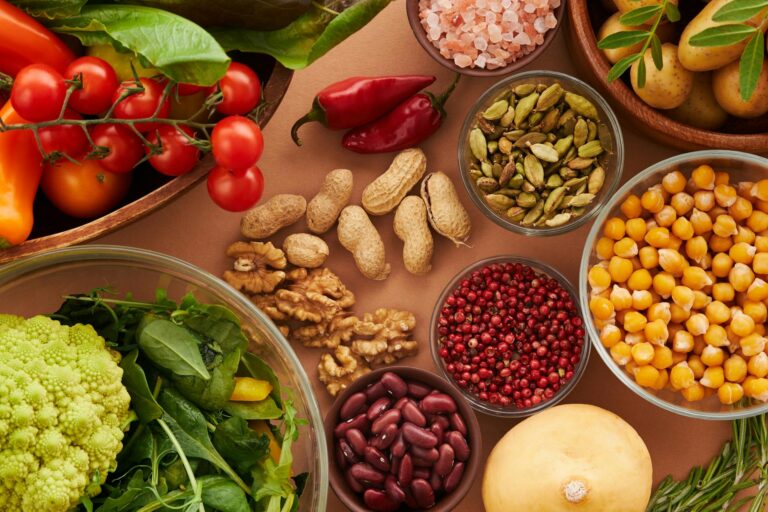
- Almonds and walnuts
- Chia seeds and flaxseeds
- Pumpkin and sunflower seeds
- Fatty fish such as sardines, salmon and mackerel
These foods provide different combinations of unsaturated fats, fibre, vitamins, minerals and other beneficial nutrients.
It is also sensible to limit frequent reliance on processed meats, excessive butter, large quantities of coconut oil and other foods high in saturated fat. A ketogenic diet that relies heavily on saturated fat may raise LDL cholesterol in some people.
Practical tip: Instead of adding butter or cream to every meal just to increase fat intake, use olive oil, nuts, seeds, avocado and fish more regularly.
2. Pay Attention to Hydration
When carbohydrate intake drops substantially, the body may release some of the water stored alongside glycogen. Changes in fluid and sodium balance can occur, particularly during the early stages of a ketogenic diet.
This is one reason some people experience headaches, tiredness or light-headedness when they first make the transition.
Drinking enough fluids throughout the day is important. Water is usually a suitable everyday choice, and your needs may increase with hot weather, physical activity or sweating.
However, drinking excessive amounts of water is not necessary. Similarly, automatically adding large amounts of salt or taking electrolyte supplements is not appropriate for everyone.
Practical tip: Keep water available throughout the day, drink according to thirst and pay attention to changes in urination, dizziness or other symptoms. If you have kidney disease, heart problems or take blood-pressure medication, ask your healthcare professional before making changes to your fluid or salt intake.
3. Include a Variety of Nutrient-Rich Vegetables
One common mistake when following keto is focusing so much on carbohydrate restriction that vegetables become an afterthought.
Vegetables provide vitamins, minerals, fibre and plant compounds that are important for general health. A well-planned ketogenic diet can include plenty of non-starchy vegetables.
Good options include:
- Spinach and other leafy greens
- Broccoli
- Cauliflower
- Cabbage
- Cucumber
- Zucchini
- Mushrooms
- Bell peppers
- Green beans
You can prepare them as salads, stir-fries, soups or side dishes.
Indian meals can also include suitable portions of vegetables such as spinach, bottle gourd, ridge gourd, cauliflower and cabbage. Check the carbohydrate content of individual vegetables and portion sizes when following a strict keto plan.
Practical tip: Try to include a variety of colourful, non-starchy vegetables in your regular meals instead of relying mainly on meat, cheese, eggs and added fats.
4. Do Not Neglect Dietary Fibre
Fibre deserves special attention on a ketogenic diet. Many foods that normally provide fibre, including whole grains, beans and several fruits, may be restricted when carbohydrate intake is very low.
Not getting enough fibre can contribute to constipation and make it harder to maintain a varied eating pattern.
Some useful lower-carbohydrate fibre sources include:
- Chia seeds
- Ground flaxseeds
- Avocado
- Almonds
- Broccoli
- Cauliflower
- Leafy vegetables
- Raspberries and blackberries in measured portions
Fibre supports normal digestion and helps maintain healthy bowel movements. Some types of fibre also serve as food for beneficial gut bacteria.
Practical tip: Add a small amount of chia seeds or ground flaxseeds to plain yoghurt, or include avocado and vegetables with your meals. Increase fibre gradually and drink adequate fluids.
5. Understand Your Tolerance to Dairy Products
Cheese, butter, cream, paneer and unsweetened yoghurt are common ingredients in ketogenic meal plans. However, not everyone responds to dairy in the same way.
Some people experience bloating, gas or abdominal discomfort after consuming certain dairy products, particularly if they have difficulty digesting lactose. Others may have a milk allergy or simply prefer not to consume dairy.
Dairy products also differ in their nutritional composition. For example, hard cheese generally contains less lactose than regular milk, while flavoured yoghurt may contain added sugar.
There is no universal reason to eliminate dairy simply because you are following keto. The important thing is to choose products that suit your nutritional needs and digestion.
Practical tip: If you notice repeated digestive discomfort after consuming a particular dairy product, consider discussing it with a healthcare professional or dietitian. Unsweetened alternatives may be suitable, but check their ingredients and nutritional labels.
6. Eat Enough Protein Without Becoming Obsessed With Macros
Protein is essential for maintaining muscles, supporting tissue repair and producing enzymes and hormones.
A ketogenic diet is often described as high in fat, moderate in protein and very low in carbohydrates. However, the right amount of protein depends on factors such as body size, age, activity level, health conditions and individual goals.
Useful protein sources include:
- Eggs
- Fish and seafood
- Chicken
- Paneer
- Plain, unsweetened Greek yoghurt
- Tofu and other suitable soy foods
- Nuts and seeds
A common misconception is that eating a little extra protein automatically stops ketosis because the body converts all excess protein into glucose. This is an oversimplification. The body regulates glucose production according to its needs, and protein does not automatically cancel nutritional ketosis.
On the other hand, restricting protein too much can make it harder to maintain muscle and meet your nutritional requirements.
Practical tip: Include a suitable protein source in your meals rather than focusing exclusively on increasing dietary fat. A registered dietitian can help determine an appropriate intake for your circumstances.
7. Do Not Feel That You Must Combine Keto With Intermittent Fasting
Intermittent fasting is sometimes promoted alongside keto because both approaches can affect how the body uses energy. However, fasting is not a requirement for following a ketogenic diet.
Some people prefer a regular eating schedule, while others explore time-restricted eating. Combining strict carbohydrate restriction with prolonged fasting can make it more difficult to obtain adequate nutrition and may increase the risk of unwanted symptoms.
Fasting may also be unsuitable for people taking certain medications, those with a history of eating disorders, pregnant or breastfeeding individuals, and people with particular medical conditions.
There is no need to skip meals or extend fasting periods simply to produce more ketones or achieve faster weight loss.
Practical tip: First concentrate on building balanced, satisfying meals and a sustainable eating routine. Consider fasting only after discussing its suitability with a qualified healthcare professional, if necessary.
8. Stay Physically Active
Exercise is valuable whether or not you follow a ketogenic diet.
Regular physical activity supports cardiovascular health, muscle strength, mobility, mood and general well-being. It can also help maintain muscle mass during weight management.
You do not need to begin with intense workouts. A combination of activities can be useful:
- Walking
- Cycling
- Swimming
- Strength training
- Yoga
- Gentle stretching
If you are new to exercise, start at a comfortable level and gradually increase your activity.
It is worth remembering that exercise does not automatically speed up the body’s transition into ketosis. Your response depends on several factors, including carbohydrate intake, energy balance and individual metabolism.
Practical tip: Choose an activity you enjoy and can maintain consistently. Regular movement is more useful than pushing yourself through exhausting workouts that you cannot sustain.
9. Listen to Your Body and Review Your Progress
People do not all respond to ketogenic diets in the same way. One person may find the eating pattern manageable, while another may experience fatigue, constipation, digestive discomfort or difficulty maintaining it.
Instead of judging your progress only by the number on the weighing scale or a ketone meter, pay attention to your overall well-being.
Consider questions such as:
- Do you have enough energy for your everyday activities?
- Are you sleeping comfortably?
- Are you experiencing persistent constipation or digestive problems?
- Are you getting enough vegetables and fibre?
- Are you able to maintain a balanced and varied diet?
- Are your cholesterol and other relevant health markers changing?
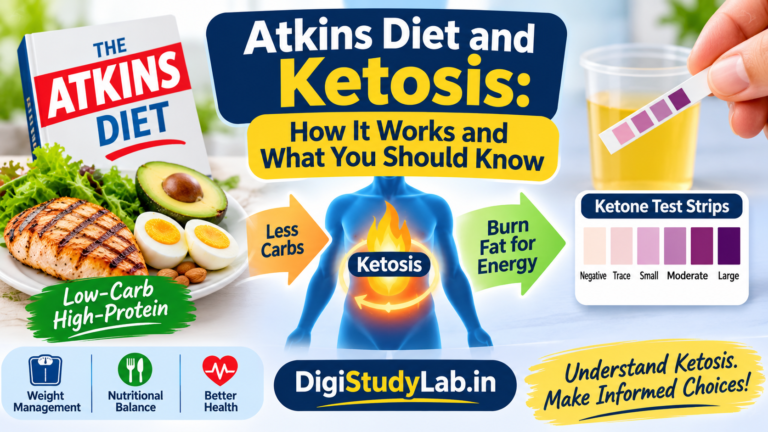
Ketone measurements can show whether ketones are present, but a higher reading does not necessarily mean better health or greater fat loss.
If you experience persistent or concerning symptoms, do not simply assume they are part of adapting to keto. Seek medical advice.
Practical tip: Review your food choices and how you feel over time. If you are following keto for a health-related reason, discuss appropriate monitoring with your healthcare professional.
10. Do Not Let Occasional Slip-Ups Discourage You
Following a restrictive eating pattern perfectly every day is difficult for many people. Social occasions, travel, family meals and unexpected changes in routine can all affect food choices.
Eating a meal that contains more carbohydrates than your usual keto allowance does not mean you have failed or ruined your overall progress.
Rather than responding with guilt or extreme restriction, return to your usual balanced routine when you are ready.
It is also worth asking whether the diet is practical for your everyday life. If you regularly feel deprived, struggle to eat with family or find the restrictions difficult to maintain, a less restrictive eating pattern may be a better option.
Practical tip: Focus on consistency and long-term habits rather than perfection. Your overall health matters more than maintaining a particular ketone reading every day.
Common Keto Diet Mistakes to Avoid
Even with good intentions, some habits can make a ketogenic diet less balanced than it should be.
Here are a few mistakes worth watching for:
Eating too much saturated fat: Not all fats have the same effects on cardiovascular health. Give preference to unsaturated fat sources.
Ignoring vegetables: Restricting carbohydrates should not mean avoiding all vegetables. Non-starchy vegetables can provide important nutrients and fibre.
Eating too little protein: Adequate protein is important for maintaining muscle and supporting normal body functions.
Depending on processed keto products: Products labelled keto-friendly are not automatically nutritious. Check their ingredients, fibre, sodium and overall nutritional value.
Taking supplements without a reason: Supplements are not a replacement for a varied diet. Use them when there is a clear nutritional or medical reason and appropriate professional guidance.
Ignoring changes in health markers: Some people experience increases in LDL cholesterol while following a high-fat ketogenic diet. Appropriate follow-up testing can help identify changes that need attention.
Following keto indefinitely without reviewing its suitability: A diet should support your health and lifestyle. Reassess whether it remains appropriate rather than assuming it must be followed forever.
Is the Keto Diet Safe for Everyone?
No. Although ketogenic diets have established medical uses in certain circumstances, particularly in the management of specific forms of drug-resistant epilepsy, they are not suitable for everyone.
People who should avoid keto or seek specialist medical advice before considering it include:
- People who are pregnant or breastfeeding.
- Children and adolescents, except when a ketogenic diet is prescribed and supervised for a specific medical reason.
- People with advanced kidney or liver disease.
- People with a history of pancreatitis or certain disorders of fat metabolism.
- People with a history of eating disorders.
- People with diabetes who use insulin or certain glucose-lowering medications.
One particularly important warning concerns SGLT2 inhibitor medicines used for type 2 diabetes and other conditions. Combining these medicines with a ketogenic diet can increase the risk of diabetic ketoacidosis, sometimes even when blood glucose is not extremely high.
People taking insulin or sulfonylurea medicines may also need careful medication monitoring because a major reduction in carbohydrate intake can increase the risk of low blood sugar.
Do not stop or adjust prescribed medication on your own. If you have diabetes or take regular medication, discuss dietary changes with your treating healthcare professional before starting keto.
Conclusion
Improving your ketogenic diet is not about making it more restrictive or adding more fat to every meal. It is about making thoughtful food choices that support your nutritional needs and overall well-being.
Prioritise quality fats, include enough protein, eat a variety of low-carbohydrate vegetables, pay attention to fibre and stay physically active. Avoid unnecessary fasting, extreme dietary restrictions and the belief that a higher ketone reading always means better results.
Most importantly, remember that keto is one possible eating pattern, not a requirement for good health. Whether it is suitable for you depends on your medical circumstances, nutritional needs and ability to maintain it comfortably.
At DigiStudyLab.in, we aim to make nutrition and health information easier to understand so that readers can make informed decisions. Take a balanced approach, seek professional guidance when needed and put your long-term health ahead of short-term diet goals.
References
- Harvard T.H. Chan School of Public Health – Diet Review: Ketogenic Diet for Weight Loss
https://nutritionsource.hsph.harvard.edu/healthy-weight/diet-reviews/ketogenic-diet/ - NCBI Bookshelf – The Ketogenic Diet: Clinical Applications, Evidence-based Indications, and Implementation
https://www.ncbi.nlm.nih.gov/books/NBK499830/ - National Institutes of Health – Dietary Fiber: Essential for a Healthy Diet
https://medlineplus.gov/dietaryfiber.html - American Heart Association – Dietary Fats and Cardiovascular Disease
https://professional.heart.org/en/science-news/dietary-fats-and-cardiovascular-disease/Commentary - Journal of Endocrinological Investigation – Ketogenic Nutritional Therapy: A Consensus Statement
https://pmc.ncbi.nlm.nih.gov/articles/PMC10904420/ - National Institute of Diabetes and Digestive and Kidney Diseases – Diabetes, Eating and Physical Activity
https://www.niddk.nih.gov/health-information/diabetes/overview/diet-eating-physical-activity