Stress is part of being human. A busy workday, financial responsibilities, family commitments, relationship difficulties or uncertainty about the future can leave anyone feeling overwhelmed. Sometimes even small problems seem harder to handle when several things demand our attention at once.
You cannot always remove the situations that cause stress, but you can learn ways to respond to them more effectively. This is where de-stressing becomes important.
De-stressing is not about avoiding every responsibility or trying to feel happy all the time. It is about giving your mind and body opportunities to recover, developing healthier ways to handle pressure and recognising when you need support.
In this guide, we’ll look at what de-stressing means, how stress affects the body and some practical habits you can introduce into everyday life.
What Does De-Stressing Mean?
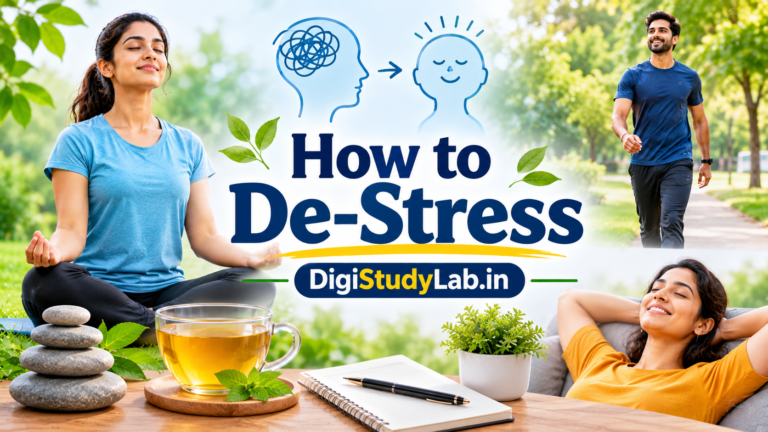
De-stressing refers to activities and strategies that help reduce feelings of stress, tension and mental overload.
It can involve something as simple as taking a short walk, talking to someone you trust, listening to music, practising slow breathing or stepping away from work for a few minutes.
However, de-stressing is not exactly the same as solving the problem that caused the stress. For example, if you are worried about an approaching deadline, taking a break may help you feel calmer, but planning your remaining work is what helps address the underlying pressure.
A useful approach combines both: take care of your immediate well-being while also working through the problems you can influence.
Why Is Managing Stress Important?
Stress is a normal response to challenging situations. In small amounts, it can help you stay alert, respond to difficulties and complete important tasks. The concern arises when stress becomes persistent or starts interfering with your daily life.
Long-term stress can affect emotional well-being, sleep, concentration, relationships and physical health. It may also make existing health conditions more difficult to manage.
Here are some reasons why learning to manage stress matters.
1. Supports Emotional Well-Being
Ongoing stress can leave you feeling worried, irritable, frustrated or emotionally exhausted. Making time to relax and process difficult experiences may help you cope more effectively.
If stress is accompanied by persistent anxiety, low mood or a loss of interest in everyday activities, it is important to seek appropriate support rather than relying only on relaxation techniques.
2. Can Help Improve Sleep
Worrying thoughts and physical tension can make it harder to fall asleep or stay asleep. A regular bedtime, a relaxing evening routine and reducing stimulating activities before bed may help create better conditions for sleep.
Good sleep and stress management support each other: feeling less overwhelmed can make rest easier, while adequate sleep can improve your ability to deal with challenges.
3. Helps With Focus and Everyday Productivity
When your mind is occupied with several worries, concentrating on one task can become difficult. Short breaks, realistic planning and prioritising important work may help you regain focus.
The aim is not to be productive every minute. Allowing yourself time to rest can be part of working sustainably.
4. Supports Physical Well-Being
Stress can produce physical responses such as muscle tension, headaches, changes in appetite, stomach discomfort and a faster heartbeat. Persistent stress is also associated with a greater risk of several health problems.
Managing stress is one part of looking after your overall health. It does not replace medical care or guarantee protection from conditions such as heart disease or diabetes.
5. Encourages Healthier Relationships
When you are under pressure, it may become harder to communicate patiently or respond calmly. Taking time to understand your feelings and talking openly with people you trust can support healthier relationships.
What Happens in the Body When You Experience Stress?
Your body has a natural system for responding to situations it considers challenging or threatening. This is commonly called the stress response.
Imagine that you are about to give an important presentation. You might notice your heartbeat becoming faster, your breathing changing and your muscles tightening. These reactions are part of the body’s preparation to deal with a demanding situation.
The brain communicates with different parts of the body through the nervous system and hormonal pathways. Stress-related hormones, including adrenaline and cortisol, help coordinate these responses.
Once the challenge has passed, the body generally begins returning towards its usual state.
The difficulty is that modern stressors do not always have a clear beginning or end. Work pressure, financial worries, family responsibilities and ongoing uncertainty can keep someone feeling under pressure for extended periods.
When stress continues, it may contribute to problems with sleep, mood, concentration and physical well-being. However, stress affects people differently, and it is not accurate to assume that everyone with ongoing stress will develop the same symptoms or health conditions.
Effective Ways to De-Stress
There is no single technique that works for everyone. You may find that walking helps you relax, while someone else feels better after journalling or speaking with a friend.
Try different approaches and pay attention to what genuinely helps you.
1. Make Physical Activity Part of Your Routine
Physical activity is one of the practical ways to support both physical and emotional well-being. Walking, cycling, swimming, dancing, yoga or playing a sport can give you a break from daily worries.
You do not need to begin with an intense workout. Even a short walk around your neighbourhood or a few minutes of gentle stretching can be a useful starting point.
Choose activities that you enjoy and can maintain. If you have a health condition or physical limitations, select an appropriate activity with professional guidance.
2. Try Slow, Comfortable Breathing
When you feel overwhelmed, pause and pay attention to your breathing.
A simple exercise is to:
- Sit comfortably and relax your shoulders.
- Breathe in gently through your nose.
- Breathe out slowly without forcing the breath.
- Continue for a few comfortable cycles.
- Return to normal breathing if you feel dizzy or uncomfortable.
The purpose is not to take the deepest breath possible. Keep the breathing gentle and comfortable.
Relaxation techniques, including controlled breathing and progressive muscle relaxation, can help some people reduce physical tension and encourage a calmer state.
3. Explore Meditation and Mindfulness
Meditation gives you an opportunity to slow down and pay attention to the present moment.
You could begin with a few minutes of quiet sitting. Notice your breathing, sounds around you or physical sensations. When your mind wanders, gently bring your attention back rather than criticising yourself.
Mindfulness does not mean forcing your mind to become completely empty. Thoughts will naturally come and go.
You can also practise mindfulness during ordinary activities, such as eating, walking, gardening or preparing a meal.
4. Protect Your Sleep Routine
Poor sleep can make everyday challenges feel more difficult. A consistent sleep schedule may help support your body’s natural sleep-wake rhythm.
Consider these simple habits:
- Try to go to bed and wake up at roughly the same time each day.
- Give yourself time to wind down before bedtime.
- Keep your sleeping environment comfortable, quiet and dark.
- Reduce late-night screen use if it interferes with your sleep.
- Avoid consuming caffeine too close to bedtime if you are sensitive to it.
Adults generally need at least seven hours of sleep per night, although individual needs can vary.
5. Eat Regular, Balanced Meals
Food cannot remove the source of stress, and no particular diet is a guaranteed treatment for it. However, regular, balanced meals can support your general health and help you avoid unnecessary hunger or energy fluctuations.
Include a variety of foods such as:
- Vegetables and seasonal fruits.
- Whole grains and millets.
- Dal, beans and other pulses.
- Nuts and seeds.
- Eggs, fish or other suitable protein sources.
- Milk, curd or fortified alternatives.
You do not need an expensive diet or special supplements to manage everyday stress. Consistency and nutritional variety matter more than following a fashionable eating plan.
6. Pay Attention to Caffeine and Alcohol
Coffee, tea and other caffeinated drinks are part of many people’s daily routines. However, caffeine can increase feelings of restlessness or interfere with sleep in some individuals, particularly when consumed in large quantities or late in the day.
Notice how your body responds and adjust your intake if necessary.
Alcohol may make some people feel relaxed temporarily, but it is not a reliable way to manage stress. It can disrupt sleep and create additional health and personal difficulties when used as a coping strategy.
7. Stay Connected With People You Trust
Sometimes the most helpful thing you can do is talk to someone.
Sharing your concerns with a friend, family member or trusted colleague can help you feel less isolated. You do not always need someone to provide a solution. Being listened to without judgement can itself be valuable.
If you find it difficult to discuss personal matters with people close to you, consider speaking with a qualified counsellor or mental health professional.
8. Spend Time Outdoors
A change of environment can give you a welcome break from repetitive thoughts and everyday responsibilities.
Visit a nearby park, walk along a tree-lined street, spend time in your garden or simply sit outside for a while.
Some research suggests that spending time in natural environments may support emotional well-being and help reduce feelings of stress. You do not need to travel to a forest or a tourist destination to enjoy a little time outdoors.
9. Make Room for Hobbies
Hobbies give you something enjoyable to focus on beyond work and responsibilities.
You might enjoy reading, painting, cooking, gardening, photography, playing an instrument, watching a favourite sport or learning a new skill.
Choose activities because you find them enjoyable, not because you feel you must turn every interest into another achievement.
10. Use Music and Relaxing Activities
Listening to music can be a simple way to change the atmosphere around you. Choose something that you personally find calming, uplifting or enjoyable.
Other relaxing activities might include taking a comfortable bath, doing gentle stretches, reading or spending time with a pet.
Aromatherapy and essential oils are also popular, but their effects vary and the evidence is not strong enough to treat them as established solutions for stress. Essential oils can cause irritation or allergic reactions in some people, so use them cautiously.
Simple Ways to Include Stress Management in Your Daily Routine
You do not need to completely redesign your lifestyle to make room for stress management. Small habits are often easier to maintain than ambitious plans.
Here are some ideas you can adapt to your schedule.
Take Short Breaks During Work
If you spend long hours sitting at a desk, step away occasionally. Stand up, stretch, walk around or look away from your screen.
Short breaks can help interrupt long periods of continuous work and give you a chance to reset your attention.
Set Boundaries Around Digital Devices
Constant notifications, social media updates and news can make it difficult to switch off.
Try keeping your phone away during meals, setting specific times to check messages or taking a break from social media before bedtime.
A digital break does not have to mean disconnecting completely. The aim is to use technology more intentionally.
Plan Your Tasks Realistically
A long list of unfinished tasks can make you feel overwhelmed.
Instead of trying to do everything at once:
- Identify the most important tasks.
- Break large tasks into smaller steps.
- Give yourself realistic deadlines.
- Take short breaks between demanding activities.
- Ask for help or delegate when possible.
It is also important to recognise that some problems cannot be solved immediately. Focus on the next practical step rather than trying to control every possible outcome.
Practise Gratitude Without Ignoring Difficulties
Writing down a few things you appreciate can encourage you to notice positive experiences that might otherwise go unnoticed.
It could be a helpful conversation, a meal you enjoyed, time with family or simply completing something you had been postponing.
Gratitude is not about pretending that problems do not exist. You can acknowledge difficult feelings while still recognising good things in your life.
Make Time for Yourself
Rest and recreation are not rewards that you must earn after completing every responsibility.
Set aside some time for an activity you enjoy, even if it is only a short period during a busy day. Consistent moments of rest can make everyday life feel more manageable.
A Simple 10-Minute De-Stressing Routine
If you are unsure where to begin, try this flexible routine. You can adjust it to suit your schedule and comfort.
Minutes 1–2: Pause
Move away from your current task, sit comfortably and allow yourself a short break.
Minutes 3–4: Breathe
Take gentle, comfortable breaths. Avoid forcing your breathing or holding your breath.
Minutes 5–7: Move
Stretch gently or take a short walk.
Minutes 8–9: Reflect
Think about what is causing the most pressure. Identify one small action that may help.
Minute 10: Reconnect
Return to your day with a realistic next step. If you need support, consider contacting someone you trust.
This routine is not a medical treatment or a guaranteed way to eliminate stress. It is simply an accessible starting point for building short moments of recovery into your day.
When Should You Seek Professional Help?
Self-care techniques can be useful, but they are not always enough.
Consider speaking with a doctor, psychologist, counsellor or other qualified mental health professional if:
- Stress feels constant or increasingly difficult to manage.
- Anxiety or low mood is interfering with everyday activities.
- You regularly struggle to sleep.
- You are withdrawing from family, friends or activities you previously enjoyed.
- You are relying on alcohol or other substances to cope.
- You experience persistent physical symptoms that concern you.
A professional can help identify what is contributing to your distress and recommend suitable support, which may include counselling, psychological treatment or medical care.
If you feel unable to keep yourself safe or are thinking about harming yourself, seek urgent help from local emergency services or a trusted person who can help you access immediate care.
Seeking help is not a sign of weakness. It is a sensible step towards looking after yourself.
Conclusion
Stress is a part of life, but it does not have to control every part of your day. Learning to recognise your stress triggers, taking regular breaks, staying physically active, protecting your sleep and maintaining supportive relationships can all contribute to healthier ways of coping.
You do not need to try every technique at once. Start with one or two habits that feel realistic and build from there. Some days will be easier than others, and that is perfectly normal.
Most importantly, remember that managing stress is not about being calm all the time. It is about developing the skills and support you need to handle difficult moments without neglecting your well-being.
At DigiStudyLab.in, we believe that accessible health education can help people make more informed everyday decisions. Take small steps, be patient with yourself and give your mental and physical well-being the attention they deserve.
References
- World Health Organization (WHO) – Doing What Matters in Times of Stress: An Illustrated Guide
https://www.who.int/publications/i/item/9789240003927 - World Health Organization (WHO) – Stress: Questions and Answers
https://www.who.int/news-room/questions-and-answers/item/stress - Centers for Disease Control and Prevention (CDC) – Managing Stress
https://www.cdc.gov/mental-health/living-with/index.html - National Center for Complementary and Integrative Health (NCCIH) – Relaxation Techniques: What You Need to Know
https://www.nccih.nih.gov/health/relaxation-techniques-what-you-need-to-know - National Health Service (NHS) – 10 Stress Busters
https://www.nhs.uk/mental-health/self-help/guides-tools-and-activities/tips-to-reduce-stress/ - National Health Service (NHS) – Get Help with Stress
https://www.nhs.uk/mental-health/feelings-symptoms-behaviours/feelings-and-symptoms/stress/