Following a ketogenic diet does not necessarily mean giving up fruit. Although many fruits contain enough natural sugar to use up a large part of a strict daily carbohydrate allowance, some options can still fit into a well-planned low-carb eating pattern.
The trick is to pay attention to the type of fruit, the portion you eat and the carbohydrates it contributes to your meals. Fruits also provide useful nutrients, including fibre, vitamins, minerals and plant compounds, so choosing them thoughtfully can help make a restricted diet more varied and enjoyable.
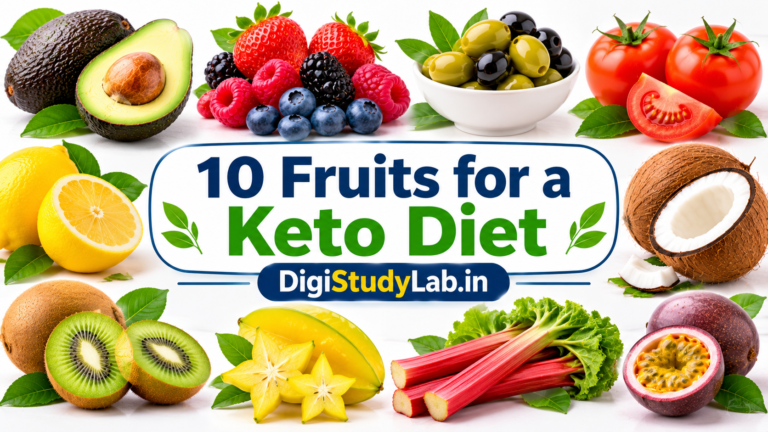
Here are ten fruits worth knowing about when planning a ketogenic diet. Some are easier to include than others, so consider the portion guidance rather than treating every option as equally low in carbohydrates.
1. Avocado: A Naturally Low-Carb Favourite
Avocado is one of the easiest fruits to include in many ketogenic meal plans. Unlike most sweet fruits, it contains very little sugar and provides a good amount of fibre and monounsaturated fat.
It also supplies potassium, folate, vitamin E and vitamin K. Its creamy texture makes it useful in salads, spreads, dips and savoury meals. You can add sliced avocado to an omelette, mash it with lemon juice or use it as a topping for a vegetable bowl.
The monounsaturated fats in avocado can be part of a heart-conscious eating pattern, particularly when they replace foods high in saturated fat. Its fibre also contributes to digestive health and can help make meals more satisfying.
How to enjoy it on keto: Try a portion of half an avocado with a meal. The exact carbohydrate contribution depends on its size, so include it in your daily total.
2. Berries: Small Fruits with Plenty to Offer
Strawberries, raspberries, blackberries and blueberries are popular choices for people following a low-carbohydrate diet. They provide fibre, vitamin C and naturally occurring plant compounds called polyphenols.
Berries are not identical when it comes to carbohydrates. Raspberries and blackberries generally provide fewer net carbohydrates per serving than blueberries, while strawberries can also fit into many keto meal plans in measured portions.
Their colourful plant compounds have been studied for possible roles in cardiovascular and metabolic health. However, eating berries should not be viewed as a treatment for inflammation, heart disease or memory problems.
How to enjoy them on keto: Add a small handful of fresh berries to plain, unsweetened yoghurt, or enjoy them on their own. Measure the portion, especially when choosing blueberries, and avoid sweetened fruit preparations.
3. Olives: A Savoury Source of Healthy Fats
Although olives are usually served as a savoury food rather than eaten like a typical fruit, they are botanically fruits. They are a useful option in many low-carb eating patterns because they contain relatively little carbohydrate and provide monounsaturated fat.
Olives also contain vitamin E and various plant compounds, including polyphenols. Their flavour works well in salads, vegetable dishes and homemade spreads.
One thing worth remembering is their sodium content. Many commercially prepared olives are preserved in brine, which can make them quite salty. If you are monitoring your sodium intake, check the label and consider rinsing them before eating.
How to enjoy them on keto: Add a few olives to a salad or serve them alongside a meal. Choose plain olives rather than varieties coated in sugary sauces.
4. Tomatoes: A Versatile Fruit for Everyday Meals
Tomatoes are botanically fruits, even though they are commonly treated as vegetables in cooking. They are relatively low in carbohydrates and provide vitamin C, potassium, folate and vitamin K.
One of their best-known plant compounds is lycopene, a carotenoid responsible for the red colour of many tomato varieties. Lycopene has been widely researched for its relationship with health, particularly cardiovascular health. However, it is important not to interpret these studies as proof that eating tomatoes prevents or treats a particular disease.
Tomatoes are also easy to use in everyday cooking. They can add freshness and flavour without requiring large amounts of added sugar or starch.
How to enjoy them on keto: Use fresh tomato slices in salads, add chopped tomatoes to egg dishes or prepare a homemade tomato-based sauce without added sugar. Remember that the carbohydrates still count, particularly when using concentrated tomato products.
5. Lemons: A Little Citrus Goes a Long Way
Lemons are not usually eaten as a whole fruit, but their juice and zest can add plenty of flavour to low-carb meals and drinks.
They provide vitamin C, which is needed for normal collagen formation, immune function and the absorption of non-haem iron from plant foods. Lemon juice also contains citric acid, a compound that can help reduce the formation of certain types of kidney stones in some circumstances. This does not mean that lemon water is a treatment for kidney stones.
A squeeze of lemon can make vegetables, salads and drinking water more enjoyable without adding much carbohydrate when used in small quantities.
How to enjoy it on keto: Add fresh lemon juice to water, salad dressings or cooked vegetables. Avoid sweetened lemon drinks and packaged lemonade, which can contain considerable added sugar.
6. Coconut: A Tropical Fruit with Different Forms
Coconut is widely used in Indian and other tropical cuisines. Its flesh, milk, cream, water and oil are all used in cooking, but they have very different nutritional profiles.
Fresh coconut flesh contains fibre and fat, along with some carbohydrates. Unsweetened coconut milk can be used in curries and soups, although its fat and calorie content depend on how concentrated it is. Coconut water contains natural sugars and is not as suitable for a strict keto plan as plain water.
Coconut oil is often promoted as a special source of medium-chain triglycerides (MCTs). However, ordinary coconut oil is not the same as purified MCT oil, and its health effects should not be exaggerated. Research has found that coconut oil can raise LDL cholesterol compared with non-tropical vegetable oils. It should therefore not be treated as a guaranteed heart-healthy or weight-loss ingredient.
How to enjoy it on keto: Use a measured amount of unsweetened coconut flesh or coconut milk in recipes, and count the carbohydrates. Be mindful of how frequently you use coconut oil, particularly if you are watching your cholesterol levels.
7. Kiwi: A Nutrient-Rich Fruit to Portion Carefully
Kiwi is known for its bright green flesh, refreshing taste and small edible seeds. It provides vitamin C, vitamin K, fibre and potassium.
Kiwi also contains actinidin, a natural enzyme that helps break down certain proteins. This is one reason kiwi has been studied for its possible effects on digestion, although individual responses can vary.
Despite its nutritional value, kiwi is not among the lowest-carbohydrate fruits. A whole fruit can contribute a noticeable amount to a strict ketogenic diet, so it is better treated as an occasional measured choice rather than an unlimited snack.
How to enjoy it on keto: If it fits your carbohydrate target, enjoy a small portion of fresh kiwi. Avoid sweetened kiwi products, fruit juices and dried versions with concentrated sugars.
8. Starfruit (Carambola): A Tropical Fruit That Needs Caution
Starfruit, also called carambola, is a tropical fruit recognised by its distinctive star-shaped slices. It contains vitamin C, fibre and water, and its refreshing sweet-and-sour flavour makes it popular in many parts of Asia.
Although starfruit can appear attractive as a low-carbohydrate fruit option, there is an important safety issue that should never be overlooked.
People with chronic kidney disease or impaired kidney function should avoid starfruit. It contains substances that can build up when the kidneys cannot remove them properly. Starfruit toxicity has been associated with serious neurological symptoms, including persistent hiccups, confusion and seizures. Severe cases can be life-threatening.
If you have kidney disease, do not consume starfruit or starfruit juice unless your kidney specialist specifically advises otherwise. This warning is more important than its carbohydrate content.
How to approach it: Do not include starfruit as a routine keto recommendation for people with kidney problems. Anyone with a known kidney condition should discuss suitable fruit choices with their healthcare professional or renal dietitian.
9. Rhubarb: A Tart Ingredient for Low-Carb Recipes
Rhubarb is often treated as a fruit in cooking, although botanically it is a vegetable. Its stalks have a naturally sharp, tart flavour and contain fibre, vitamin K and other nutrients.
Because plain rhubarb is relatively low in carbohydrates, it can be useful in some low-carb recipes. The difficulty is that many traditional rhubarb dishes contain large amounts of sugar to balance its sour taste.
Rhubarb also contains oxalates, and its leaves should never be eaten because they contain high concentrations of oxalic acid and are considered toxic. Use only the stalks sold for food.
How to enjoy it on keto: Cook the stalks with a suitable unsweetened flavouring or a keto-compatible sweetener, if desired. Avoid traditional jams, pies and desserts unless their added sugars and carbohydrate content have been accounted for.
10. Passion Fruit: A Flavourful Fruit for Small Portions
Passion fruit has an aromatic pulp, a tangy flavour and crunchy edible seeds. It provides fibre, vitamin C, vitamin A precursors and a variety of plant compounds.
Its fibre and distinctive flavour make it an interesting addition to yoghurt, desserts and drinks. However, passion fruit still contains carbohydrates, and the amount can add up when several fruits are used together.
Packaged passion fruit juice and sweetened pulp products may contain additional sugar, making them less suitable for a strict ketogenic diet.
How to enjoy it on keto: Use a small amount of fresh passion fruit pulp as a topping for plain yoghurt or a low-carb dessert. Check the serving size and include its carbohydrates in your daily allowance.
How to Choose Fruits Without Exceeding Your Keto Carb Limit
Choosing fruit on a ketogenic diet is not simply about finding a list of approved foods. What matters is how much carbohydrate you consume across the entire day.
A few practical habits can make fruit selection easier:
- Check total carbohydrates: Read nutrition labels and use reliable food-composition information. Different varieties and serving sizes can have different carbohydrate values.
- Understand net carbohydrates: Some people calculate net carbohydrates by subtracting dietary fibre from total carbohydrates. However, labelling practices and individual dietary plans can differ, so follow the method recommended by your dietitian.
- Pay attention to portions: A small serving of berries may fit comfortably into your plan, while a large bowl can use up a significant part of your daily allowance.
- Choose whole fruit: Whole fruit generally provides more fibre and is easier to portion than juice. Avoid assuming that a fruit drink is low-carb simply because it is made from natural ingredients.
- Avoid added sugar: Sweetened yoghurt, canned fruit in syrup, jams, smoothies and dried fruit can contain more carbohydrates than expected.
- Consider your overall nutrition: Do not sacrifice dietary variety just to keep carbohydrate intake as low as possible. A well-planned diet should still provide sufficient fibre, vitamins and minerals.
Are All Ten Fruits Suitable for a Strict Ketogenic Diet?
No. Some are easier to include than others, and a few need particularly careful portion control.
Avocado, olives, blackberries, raspberries and small portions of strawberries are often easier choices for people following a strict low-carb plan. Tomatoes and lemons can also be useful in measured quantities.
Blueberries, coconut flesh, kiwi and passion fruit may fit into some plans, but their carbohydrate contribution deserves more attention. Rhubarb can be a useful ingredient when prepared without added sugar. Starfruit requires a separate safety warning for people with kidney disease.
Remember that a ketogenic diet is not a zero-carbohydrate diet. The amount needed to maintain nutritional ketosis varies between individuals, and a fruit that fits one person’s plan may not fit another’s.
Conclusion
Fruit can still have a place in a ketogenic diet. The important thing is to choose thoughtfully, understand portion sizes and avoid assuming that every fruit is automatically keto-friendly.
Avocados, berries, olives, tomatoes and lemons offer practical ways to add flavour and nutrients to low-carb meals. Other options, such as kiwi and passion fruit, can sometimes be included in smaller quantities. Coconut products also deserve a closer look because their nutritional properties vary considerably.
Most importantly, a healthy eating pattern should be sustainable and balanced rather than focused only on restricting carbohydrates. If you have diabetes, kidney disease, high cholesterol or take medication that can be affected by major dietary changes, seek advice from a qualified healthcare professional before starting a ketogenic diet.
At DigiStudyLab.in, our goal is to make nutrition and health information easier to understand, helping readers make informed decisions through clear, practical and carefully reviewed educational content.
References
- Harvard T.H. Chan School of Public Health – The Nutrition Source: Ketogenic Diet
https://nutritionsource.hsph.harvard.edu/healthy-weight/diet-reviews/ketogenic-diet/ - National Institutes of Health – Dietary Considerations During Major Weight Loss Therapy: Focus on Optimal Protein and a Low-Carbohydrate Dietary Pattern
https://pmc.ncbi.nlm.nih.gov/articles/PMC11327213/ - National Kidney Foundation – Why You Should Avoid Eating Starfruit
https://www.kidney.org/kidney-topics/why-you-should-avoid-eating-starfruit - National Library of Medicine – Nephrotoxicity and Neurotoxicity Following Star Fruit Ingestion: A Narrative Review
https://pubmed.ncbi.nlm.nih.gov/33693950/ - Systematic Review and Meta-Analysis – The Effect of Coconut Oil Consumption on Cardiovascular Risk Factors
https://pubmed.ncbi.nlm.nih.gov/31928080/ - American Heart Association – Dietary Fats and Cardiovascular Disease
https://professional.heart.org/en/science-news/dietary-fats-and-cardiovascular-disease/Commentary - National Institutes of Health, Office of Dietary Supplements – Vitamin C Fact Sheet
https://ods.od.nih.gov/factsheets/VitaminC-Consumer/