Introduction
Every day, our bodies encounter countless microorganisms and other substances from the surrounding environment. Some are harmless, while others can cause infections and illness. Fortunately, the human body has a sophisticated defence network that helps recognise and respond to these potential threats: the immune system.
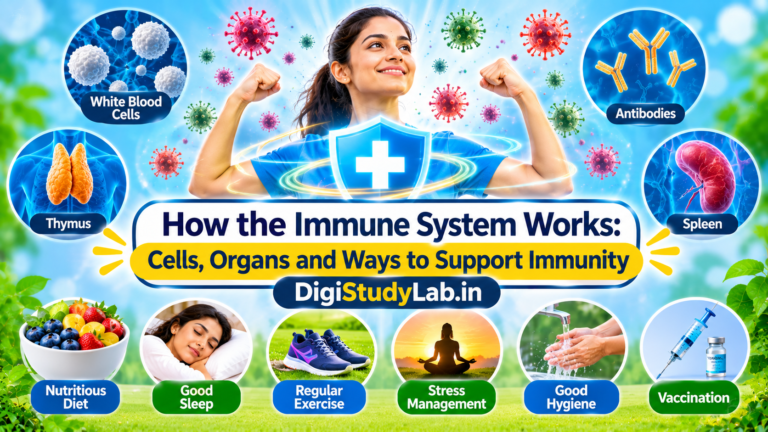
The immune system is a complex network of cells, tissues, organs, and biological processes that protects the body against harmful microorganisms, including bacteria, viruses, fungi, and parasites. It also helps identify abnormal cells and maintain a healthy internal environment.
Although we often hear about immunity when discussing colds, flu, and other infections, the immune system performs many more functions than simply fighting germs.
Understanding how the immune system works can help us appreciate the importance of nutrition, physical activity, sleep, vaccination, and other healthy lifestyle habits.
In this guide, let’s explore the main components of the immune system, how immune responses happen, and practical ways to support normal immune function.
1. Understanding the Basics of the Immune System
The immune system is the body’s natural defence network. It works continuously to identify potentially harmful substances and respond appropriately.
It protects the body through two closely connected branches:
- Innate immunity
- Adaptive immunity
Both systems work together, but they perform different functions.
Innate Immunity: The First Line of Defence
The innate immune system provides a rapid, general response when harmful microorganisms enter the body.
It does not need previous exposure to a particular pathogen to begin responding. Instead, it recognises common features associated with microorganisms and potential threats.
Important parts of innate immunity include:
Physical barriers: The skin acts as an important protective barrier, while the mucous membranes lining the respiratory and digestive tracts help prevent harmful substances from entering deeper tissues.
Protective secretions: Tears, saliva, mucus, and other secretions contain substances that help protect the body against microorganisms.
Phagocytes: These specialised white blood cells engulf and break down microorganisms and cellular debris.
Natural killer cells: These immune cells help identify and destroy certain virus-infected and abnormal cells.
Inflammatory response: Inflammation is a protective biological response that helps the body respond to injury or infection. It can cause redness, warmth, swelling, and discomfort around an affected area.
The innate immune system responds quickly, often within minutes or hours, helping contain potential threats while other immune responses develop.
Adaptive Immunity: The Targeted Defence System
The adaptive immune system provides a more specific response against particular pathogens.
Unlike innate immunity, adaptive immunity can recognise specific antigens, which are substances that trigger an immune response.
Its two major groups of immune cells are:
B lymphocytes (B cells): These cells can develop into antibody-producing plasma cells. Antibodies are specialised proteins that recognise and bind to particular antigens.
T lymphocytes (T cells): Different types of T cells perform different functions. Helper T cells coordinate immune responses, while cytotoxic T cells can destroy infected or abnormal cells.
One of the most important features of adaptive immunity is immunological memory.
After encountering certain pathogens or responding to vaccination, the immune system can retain memory B cells and T cells. These cells help the body respond more efficiently if it encounters the same target again.
This is an important principle behind how many vaccines provide protection against specific infectious diseases.
2. The Major Components of the Immune System
The immune system does not operate through a single organ. It relies on different cells, tissues, organs, and signalling molecules that work together.
Let’s explore some of its major components.
White Blood Cells
White blood cells, also known as leukocytes, are essential components of the immune system.
They circulate through the blood and lymphatic system and are also found in different tissues throughout the body.
Some important types include:
Neutrophils: These are among the first immune cells to respond to many infections. They can engulf and destroy microorganisms.
Monocytes and macrophages: Monocytes circulate in the blood and can develop into macrophages in tissues. Macrophages engulf harmful microorganisms, remove damaged cells, and help coordinate immune responses.
Lymphocytes: This group includes B cells, T cells, and natural killer cells. They perform important functions in both innate and adaptive immunity.
Dendritic cells: These cells capture antigens and help present them to T cells, connecting the innate and adaptive immune responses.
Bone Marrow
Bone marrow is the soft tissue found inside certain bones.
It is an important site of blood cell production, including the formation of many immune cells.
B cells also develop and mature in the bone marrow, while immature T cells travel to the thymus for further development.
Thymus
The thymus is an organ located in the upper chest, behind the breastbone.
It plays an important role in the development and maturation of T lymphocytes.
The thymus is particularly active during childhood and gradually becomes smaller with age, although it continues to have immune-related functions.
Spleen
The spleen is located in the upper-left part of the abdomen.
It performs several important functions, including:
- Filtering the blood.
- Removing old or damaged red blood cells.
- Helping identify certain microorganisms circulating in the bloodstream.
- Supporting immune responses through specialised immune cells.
Lymph Nodes
Lymph nodes are small, bean-shaped structures distributed throughout the body.
They are connected by lymphatic vessels and act as important locations where immune cells encounter antigens and communicate with one another.
Lymph nodes may become enlarged during infections because of increased immune activity.
Common locations include the neck, armpits, chest, abdomen, and groin.
Lymphatic System
The lymphatic system is a network of vessels, tissues, and organs that helps transport lymph, a fluid containing immune cells and other substances.
It supports fluid balance and helps move immune cells throughout the body.
The lymphatic system also includes structures such as the tonsils and other lymphoid tissues that contribute to immune defence.
3. How the Immune System Works
The immune response involves several coordinated stages. Although the exact process varies depending on the pathogen and type of infection, the following steps provide a simplified explanation.
Step 1: Recognising a Potential Threat
When a microorganism enters the body, components of the innate immune system can recognise features associated with that microorganism.
Physical barriers may prevent many pathogens from entering in the first place. If a pathogen crosses these barriers, immune cells and protective proteins help detect it.
Step 2: Activating the Immune Response
Once a potential threat is recognised, immune cells release chemical signalling molecules called cytokines and other mediators.
These signals help coordinate the immune response and attract additional immune cells to the affected area.
Inflammation may develop as part of this process.
Step 3: Destroying or Containing the Threat
Innate immune cells such as neutrophils and macrophages can engulf and destroy many microorganisms.
Other immune mechanisms, including the complement system, help identify and eliminate pathogens.
If the infection requires a more specific response, the adaptive immune system becomes involved.
Step 4: Producing Antibodies
B cells that recognise a particular antigen can become activated with appropriate immune signals.
Some activated B cells develop into plasma cells, which produce antibodies.
Antibodies bind to specific targets and can help neutralise pathogens or mark them for destruction by other immune mechanisms.
Step 5: Using T Cells to Coordinate Defence
T cells perform several specialised functions.
- Helper T cells support and coordinate immune responses.
- Cytotoxic T cells destroy certain infected or abnormal cells.
- Regulatory T cells help control immune activity and reduce inappropriate responses.
These different functions help the immune system respond effectively while limiting unnecessary damage to healthy tissues.
Step 6: Developing Immunological Memory
After an adaptive immune response, some B cells and T cells become long-lived memory cells.
If the body encounters the same antigen again, these cells can help generate a faster and more targeted response.
This is why previous infections and vaccinations can provide protection against particular diseases.
However, immunity varies between diseases, and protection may decrease over time or be affected by changes in a pathogen.
4. Understanding Inflammation and Immunity
Inflammation is an important part of the body’s defence and repair processes.
When tissues are injured or infected, the immune system activates chemical signals that increase blood flow and help immune cells reach the affected area.
Common signs of inflammation include:
- Redness.
- Swelling.
- Warmth.
- Pain.
- Temporary loss or limitation of normal function.
Acute inflammation is often a necessary protective response.
However, chronic inflammation is different. It involves prolonged or recurring inflammatory activity and can contribute to various health conditions.
The immune system must maintain a balance: it needs to respond effectively to harmful threats without unnecessarily attacking healthy tissues.
When immune regulation fails, autoimmune diseases and other immune-related conditions can develop.
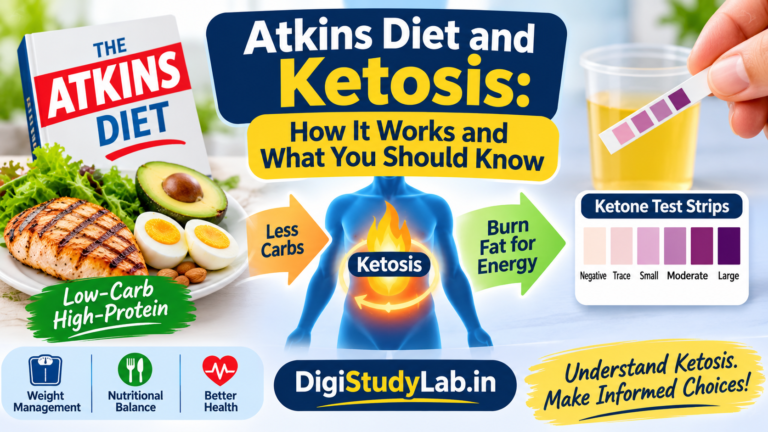
5. The Immune System and the Ketogenic Diet
Diet plays an important role in overall health, and researchers continue to investigate how different eating patterns influence immune function.
One dietary approach that has attracted scientific interest is the ketogenic diet.
A ketogenic diet is typically a high-fat, very-low-carbohydrate eating pattern that encourages the body to produce ketone bodies as an alternative energy source.
Researchers have explored whether nutritional ketosis and changes in metabolism can influence inflammation and immune-cell activity.
What Does Research Say?
A 2024 study published in Nature Medicine investigated how vegan and ketogenic diets affected immune-related processes.
The study involved 20 participants who followed each dietary pattern for two weeks in a controlled setting.
Researchers observed different immune-related changes associated with the two diets. The ketogenic diet was associated with changes involving adaptive immunity, while the vegan diet was associated with changes involving innate immunity.
However, this was a small, short-term study. It did not establish that the ketogenic diet prevents infections, strengthens overall immunity, or provides long-term protection against disease.
Other research has investigated ketogenic diets and inflammation-related markers. Changes in selected inflammatory markers do not automatically mean that the immune system is healthier or better at fighting infections.
Does a Ketogenic Diet Improve Immunity?
At present, there is not enough evidence to recommend a ketogenic diet specifically for strengthening the immune system.
The effects of a ketogenic diet can depend on food quality, nutritional adequacy, individual health conditions, and how the diet is planned.
A poorly planned restrictive diet may make it difficult to obtain sufficient fibre and certain vitamins and minerals.
Anyone considering a ketogenic diet, particularly people with diabetes, kidney or liver conditions, or those taking medication, should discuss its suitability with a qualified healthcare professional.
The most important principle is to maintain adequate nutrition rather than following a particular diet simply because it is marketed as an immune-boosting approach.
6. Nutrients That Support Normal Immune Function
The immune system depends on a variety of nutrients to develop, communicate, and perform its normal functions.
A deficiency in certain vitamins or minerals can affect immune responses. However, consuming more than the required amount does not necessarily provide additional protection.
Important nutrients include:
Vitamin A
Vitamin A supports the normal functioning of the immune system and helps maintain the health of skin and mucous membranes, which act as protective barriers.
Food sources include carrots, sweet potatoes, spinach, pumpkin, and other colourful vegetables. Eggs and dairy products also provide vitamin A.
Vitamin C
Vitamin C contributes to normal immune function and acts as an antioxidant.
It is found in citrus fruits, guava, amla, kiwi, strawberries, tomatoes, and bell peppers.
Vitamin D
Vitamin D plays an important role in immune regulation and several other biological processes.
Food sources include fatty fish, egg yolks, and fortified foods. The body can also produce vitamin D through exposure to sunlight.
Vitamin E
Vitamin E is an antioxidant that helps protect cells from oxidative damage.
Sources include almonds, sunflower seeds, vegetable oils, and other nuts and seeds.
Vitamin B6 and Vitamin B12
Vitamin B6 contributes to normal immune function and protein metabolism.
Vitamin B12 supports normal nervous system function and the production of healthy red blood cells. It is also important for normal cell metabolism.
Sources of vitamin B6 include chickpeas, potatoes, bananas, and poultry. Vitamin B12 is naturally found mainly in animal-derived foods and some fortified products.
Zinc
Zinc is an essential mineral involved in immune-cell development and function.
Food sources include legumes, pumpkin seeds, nuts, whole grains, meat, and seafood.
Iron
Iron is necessary for oxygen transport and several important immune-related processes.
Sources include lentils, beans, spinach, meat, and fortified cereals. Plant-based iron is generally absorbed less efficiently than iron from animal foods, but combining plant sources with vitamin C-rich foods can improve absorption.
Selenium
Selenium contributes to normal immune function and antioxidant enzyme activity.
Sources include seafood, eggs, meat, whole grains, and some nuts.
A varied diet is generally the best way to obtain these nutrients. Supplements may be appropriate when a deficiency or increased requirement is identified, but high-dose supplementation should not be used without suitable medical guidance.
7. Practical Ways to Support a Healthy Immune System
Although no lifestyle habit can guarantee that you will never become ill, several everyday practices can support normal immune function and reduce the risk of certain infections.
1. Eat a Balanced and Varied Diet
Include a variety of fruits, vegetables, whole grains, legumes, nuts, seeds, and suitable protein sources.
Different foods provide different nutrients, so dietary variety is more useful than relying on a small number of supposed superfoods.
For Indian meals, options include dal, chickpeas, beans, seasonal vegetables, leafy greens, curd, nuts, fruits, and whole grains.
2. Get Enough Quality Sleep
Sleep is important for normal immune function and overall recovery.
Most adults should aim for at least seven hours of sleep each night, although individual requirements vary.
Maintain a consistent sleep schedule, create a comfortable sleeping environment, and reduce excessive screen use before bedtime if it affects your sleep.
3. Stay Physically Active
Regular physical activity supports cardiovascular health, metabolic health, and general well-being.
Adults can work towards at least 150 minutes of moderate-intensity aerobic activity per week, together with muscle-strengthening activities on two or more days, in line with WHO recommendations.
Choose activities that suit your fitness level, such as walking, cycling, swimming, yoga, or strength training.
4. Manage Long-Term Stress
Persistent stress can influence several biological processes, including immune regulation.
Healthy ways to manage stress include meditation, breathing exercises, physical activity, spending time outdoors, and maintaining meaningful social relationships.
If stress becomes overwhelming or persistent, consider seeking professional support.
5. Maintain Good Hygiene
Simple hygiene habits help reduce the spread of infectious microorganisms.
- Wash your hands with soap and water regularly.
- Cover your mouth and nose when coughing or sneezing.
- Keep frequently touched surfaces clean.
- Handle and prepare food safely.
- Avoid close contact with others when you are unwell.
6. Stay Up to Date with Recommended Vaccinations
Vaccination is one of the most effective ways to develop protection against specific infectious diseases.
Vaccines help the adaptive immune system recognise particular pathogens or their components without requiring the person to experience the full disease.
Follow the vaccination recommendations applicable to your age, health conditions, and location.
7. Avoid Smoking and Limit Alcohol
Smoking can damage the respiratory system and interfere with normal immune defences.
Excessive alcohol consumption can also affect immune function and increase health risks.
Avoiding tobacco and limiting or avoiding alcohol are important parts of a healthy lifestyle.
8. Maintain a Healthy Weight and Manage Existing Conditions
Metabolic health can influence immune function.
Maintaining a healthy weight through balanced nutrition and regular physical activity can support overall health.
Conditions such as diabetes and cardiovascular disease should be managed with appropriate medical guidance.
8. Common Myths About the Immune System
There are many misleading claims about immunity. Understanding the facts can help you make better health decisions.
Myth 1: You can boost your immune system instantly.
Fact: Immune function involves many interconnected processes. No single food, drink, or supplement can instantly strengthen the entire immune system.
Myth 2: Taking more vitamins always provides better protection.
Fact: Nutrients are essential, but excessive supplementation can be harmful. Correcting a deficiency is different from consuming large amounts without a medical need.
Myth 3: Getting sick frequently always means you have a weak immune system.
Fact: The frequency of infections depends on many factors, including exposure, age, vaccination status, underlying health conditions, and the type of pathogen. Recurrent or unusually severe infections should be discussed with a healthcare professional.
Myth 4: A special diet can prevent all infections.
Fact: No dietary pattern can guarantee protection against infectious diseases. Balanced nutrition supports normal immune function, while vaccination and hygiene provide additional protection.
Myth 5: Inflammation is always harmful.
Fact: Acute inflammation is an important protective response. Problems can arise when inflammation becomes prolonged or is not properly regulated.
Conclusion
The immune system is an extraordinary network of cells, tissues, organs, and biological processes that protects the body against harmful microorganisms and helps maintain health.
Its two major branches, innate and adaptive immunity, work together to recognise threats, coordinate responses, eliminate pathogens, and develop immunological memory.
Although we cannot control every factor that influences our immune system, we can support normal immune function through practical daily habits.
Eating a balanced diet, getting sufficient sleep, staying physically active, managing stress, maintaining good hygiene, and following recommended vaccination schedules all contribute to a healthier approach to immune health.
There is no single miracle food, supplement, or diet that guarantees strong immunity. Consistency, nutritional balance, and evidence-based healthcare are far more important.
At DigiStudyLab.in, we believe that understanding how the human body works is an important step towards making informed health decisions. Continue learning, adopt sustainable habits, and take care of your overall well-being.
References
- National Institute of Allergy and Infectious Diseases (NIAID). Immune System Overview.
- Institute for Quality and Efficiency in Health Care (IQWiG). In Brief: The Innate and Adaptive Immune Systems.
- National Institutes of Health (NIH), Office of Dietary Supplements. Dietary Supplements for Immune Function and Infectious Diseases.
- Centers for Disease Control and Prevention (CDC). Healthy Habits: Enhancing Immunity.
- National Institutes of Health (NIH). Switching to Vegan or Ketogenic Diet Rapidly Impacts Immune System.
- Nature Medicine. Differential Peripheral Immune Signatures Elicited by Vegan Versus Ketogenic Diets in Humans.
- National Institutes of Health (NIH), Office of Dietary Supplements. Dietary Supplements for Immune Function and Infectious Diseases – Health Professional Fact Sheet.