Introduction
Modern life often brings busy schedules, long working hours, physical inactivity, and everyday stress. Finding time to care for both physical and mental well-being has therefore become increasingly important.
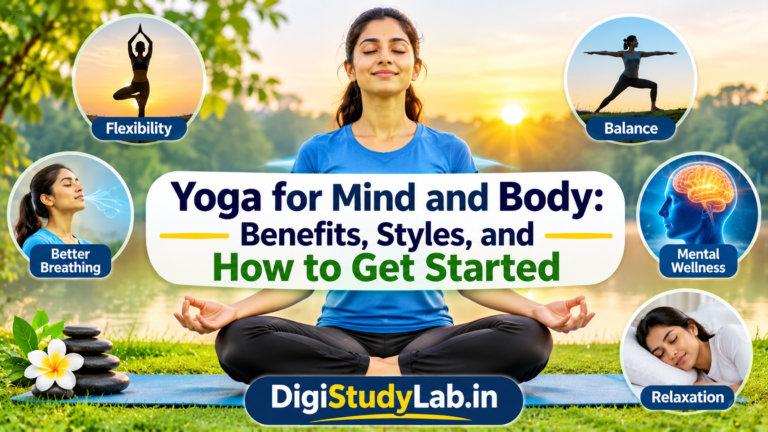
Yoga is one practice that can help bring movement, breathing, and mindfulness into your daily routine. Originating in India, yoga combines physical postures, breathing techniques, meditation, and principles that encourage awareness and balance.
Unlike exercise routines that focus only on physical fitness, yoga can also provide an opportunity to slow down, concentrate on the present moment, and develop a better understanding of your body.
In this article, let’s explore what yoga is, its potential benefits, different styles, and practical ways to begin practising it safely.
What Is Yoga?
Yoga is an ancient practice rooted in Indian philosophy. The Sanskrit word yoga is commonly associated with the idea of joining or uniting.
Traditional yoga encompasses more than physical exercise. It includes different approaches to developing awareness, self-discipline, breathing control, meditation, and harmony between the mind and body.
Modern yoga classes commonly combine three important elements:
- Asanas (physical postures): Different positions and movements that develop flexibility, strength, balance, and body awareness.
- Pranayama (breathing practices): Techniques that involve consciously regulating breathing.
- Meditation and mindfulness: Practices that encourage concentration, awareness, and a calmer approach to everyday experiences.
Yoga has evolved into several styles, ranging from gentle and relaxing practices to physically demanding routines. This variety makes it possible for people with different fitness levels and preferences to explore the practice.
Benefits of Yoga for Physical and Mental Well-Being
Regular yoga practice may contribute to several aspects of health. However, the benefits can vary depending on the yoga style, frequency of practice, individual health, and the quality of instruction.
1. Improves Flexibility and Mobility
Many yoga postures involve controlled stretching and movement. Practising these postures regularly may gradually improve flexibility and the range of motion around different joints.
Better mobility can make everyday activities, such as bending, reaching, and moving comfortably, easier for some people.
Beginners should start with gentle movements rather than forcing their bodies into difficult positions.
2. Develops Strength and Balance
Yoga is not limited to stretching. Many postures require you to support your body weight, maintain a stable position, or move slowly between different positions.
These movements can engage several muscle groups and help develop muscular endurance and balance.
Standing postures and balancing exercises may also improve body awareness and coordination. Research reviews have found encouraging evidence that yoga can improve certain measures of balance, although the results vary across studies.
3. Supports Better Posture and Body Awareness
Long periods of sitting, working at a computer, or using mobile devices can encourage poor movement habits.
Yoga involves controlled movements, stretching, and attention to body alignment. These practices may help people become more aware of their posture and movement patterns.
However, yoga does not automatically correct every postural problem. Persistent pain or movement difficulties should be assessed by an appropriate healthcare professional.
4. Helps Manage Everyday Stress
One of the commonly studied benefits of yoga is its potential role in stress management.
Combining physical movement, controlled breathing, and mindfulness may help some people feel more relaxed and develop healthier ways of responding to everyday stress.
Research suggests that yoga may reduce perceived stress in some adults, although the certainty and size of the benefits vary between studies.
Yoga can be a useful part of a broader stress-management routine alongside adequate sleep, social support, regular physical activity, and professional help when needed.
5. Supports Mental and Emotional Well-Being
Yoga encourages people to pay attention to their breathing, physical sensations, and thoughts.
For some individuals, this practice may support emotional awareness, relaxation, and general mental well-being. Research has also explored yoga as a complementary approach for people experiencing symptoms of anxiety and depression.
However, yoga should not replace prescribed medication, counselling, psychotherapy, or other recommended mental health treatments.
Anyone experiencing persistent or severe mental health symptoms should seek support from a qualified healthcare professional.
6. May Improve Sleep Quality
A relaxing yoga routine may help some people prepare for sleep by reducing physical tension and encouraging a calmer state of mind.
Studies have reported improvements in sleep among certain groups, including older adults and people experiencing sleep difficulties.
Gentle stretching, slow breathing, and relaxation exercises may be suitable additions to an evening routine. However, yoga is not a guaranteed treatment for insomnia or other sleep disorders.
7. May Support Healthy Weight Management
Some forms of yoga involve continuous movement and can contribute to overall physical activity.
More dynamic styles, such as Vinyasa and Power Yoga, may require greater physical effort than gentle or restorative practices.
Research suggests that structured yoga programmes may help some people with overweight or obesity achieve modest improvements in body weight and related measurements.
Nevertheless, weight management depends on several factors, including eating habits, physical activity, sleep, genetics, and overall health. Yoga is best viewed as one possible part of a balanced lifestyle rather than a standalone weight-loss solution.
8. Encourages Mindfulness and Self-Awareness
Yoga often encourages individuals to pay attention to their bodies, breathing patterns, and present experiences.
Over time, this awareness may help people recognise physical tension, understand their movement limitations, and become more mindful of everyday habits.
For some practitioners, yoga also provides an opportunity for personal reflection, spiritual exploration, and a stronger sense of connection with themselves and their surroundings.
These experiences are personal and may differ from one individual to another.
Does Yoga Detoxify the Body or Boost Immunity?
Yoga is sometimes promoted as a way to remove toxins, cleanse internal organs, or directly strengthen the immune system.
However, these claims should be treated cautiously.
There is no convincing evidence that particular yoga postures detoxify the body by removing harmful substances. The liver, kidneys, lungs, digestive system, and other biological processes already perform essential functions involved in processing and eliminating waste.
Similarly, although yoga may support general well-being and healthy lifestyle habits, it should not be described as a proven method of preventing infections or boosting immunity.
The more established reasons to practise yoga include movement, flexibility, balance, relaxation, and mindfulness.
Popular Types of Yoga
Different yoga styles offer different experiences. Understanding their characteristics can help you choose a practice that matches your fitness level and personal preferences.
1. Hatha Yoga
Hatha Yoga generally focuses on physical postures, breathing techniques, and controlled movements.
Many beginner-friendly classes use a slower pace, making this style a useful starting point for people who want to learn basic yoga postures.
2. Vinyasa Yoga
Vinyasa Yoga links movements with breathing. Practitioners move through a sequence of postures, often at a continuous pace.
Depending on the class, it can provide a more physically demanding workout than slower yoga styles.
3. Ashtanga Yoga
Ashtanga Yoga follows a structured sequence of postures combined with specific breathing and movement techniques.
It can be physically challenging and may require more strength, flexibility, and stamina. Beginners should learn the foundations under suitable instruction.
4. Yin Yoga
Yin Yoga involves holding selected postures for longer periods, often with a focus on gentle stretching and relaxation.
It is generally slower than dynamic yoga styles and may appeal to people who prefer a quieter practice.
5. Restorative Yoga
Restorative Yoga focuses on relaxation and comfort. Props such as cushions, blankets, and bolsters may be used to support the body during gentle postures.
It can be a suitable option for people looking for a less physically demanding yoga experience.
6. Power Yoga
Power Yoga is a more energetic style that generally involves continuous movements and physically challenging postures.
It may help develop strength and endurance, but beginners should choose classes appropriate to their fitness level.
How to Get Started with Yoga
You do not need to be extremely flexible or physically fit to begin practising yoga. Starting gradually and choosing suitable exercises are more important than attempting advanced postures.
Here are some practical suggestions for beginners.
1. Find a Qualified Yoga Instructor
Learning from a knowledgeable instructor can help you understand correct posture, breathing techniques, and safe movement.
A good instructor should be willing to suggest modifications based on your experience, fitness level, and physical limitations.
2. Start with Simple Postures
Begin with basic, comfortable movements rather than attempting advanced poses.
Gentle stretching, simple standing postures, and beginner-friendly breathing exercises can help you become familiar with the practice.
Gradually increase the difficulty as your confidence and ability improve.
3. Listen to Your Body
Yoga should not require you to push through sharp pain or discomfort.
Avoid forcing stretches, overstretching joints, or comparing your flexibility with other practitioners.
If a posture causes pain, stop or ask your instructor for a safer modification.
4. Practise Consistently
Consistency is often more useful than attempting an intense session occasionally.
You can begin with short sessions and gradually develop a routine that fits your schedule. Even a modest amount of regular movement can be a helpful starting point.
5. Explore Different Yoga Styles
Not every yoga style suits every person.
You may prefer gentle Hatha Yoga, the flowing movements of Vinyasa, or the slower approach of Restorative Yoga.
Try beginner-friendly classes and choose a style that feels comfortable and sustainable.
6. Create a Comfortable Practice Space
Choose a clean, reasonably quiet area with enough room to move safely.
A suitable yoga mat can provide grip and cushioning. Wear comfortable clothing that allows you to move without restriction.
You do not need expensive equipment to begin.
Yoga Safety: Important Things to Remember
Yoga is generally considered a safe form of physical activity for healthy people when practised appropriately. However, injuries such as muscle strains and sprains can occur.
Keep these precautions in mind:
- Avoid forcing your body into advanced postures.
- Beginners should avoid attempting difficult inversions and extreme stretches without appropriate supervision.
- Stop if you experience sharp pain, dizziness, or unusual discomfort.
- Choose a class that matches your experience and physical ability.
- Pregnant individuals, older adults, and people with existing medical conditions or injuries may need modified postures.
- People with conditions such as glaucoma, severe high blood pressure, balance difficulties, or certain joint and spinal problems should discuss appropriate modifications with a healthcare professional.
- Hot yoga can increase the risk of overheating and dehydration, particularly for people who are not accustomed to exercising in hot environments.
Yoga should complement your overall healthcare routine, not replace medical advice or treatment.
Conclusion
Yoga is a practice that brings together physical movement, breathing, mindfulness, and self-awareness. When practised regularly and safely, it may support flexibility, strength, balance, stress management, sleep, and general well-being.
You do not need to master difficult postures or spend hours practising every day to begin. Start with simple movements, respect your body’s limitations, and gradually build a routine that suits your lifestyle.
Whether you choose Hatha, Vinyasa, Yin, or another style, the most important thing is to find a comfortable and sustainable approach.
At DigiStudyLab.in, we believe that accessible knowledge can help people make more informed decisions about their well-being. Explore healthy lifestyle practices, keep learning, and take small, consistent steps towards a healthier life.
References
- National Center for Complementary and Integrative Health (NCCIH). Yoga: Effectiveness and Safety.
- World Health Organization (WHO). Physical Activity.
- National Center for Complementary and Integrative Health (NCCIH). Yoga for Health: What the Science Says.
- PubMed. Effects of Yoga on Stress in Stressed Adults: A Systematic Review and Meta-analysis.
- U.S. Department of Veterans Affairs, Health Services Research & Development. Evidence Map of Yoga for Various Adult Physical and Mental Health Issues: Update from 2014–2025.