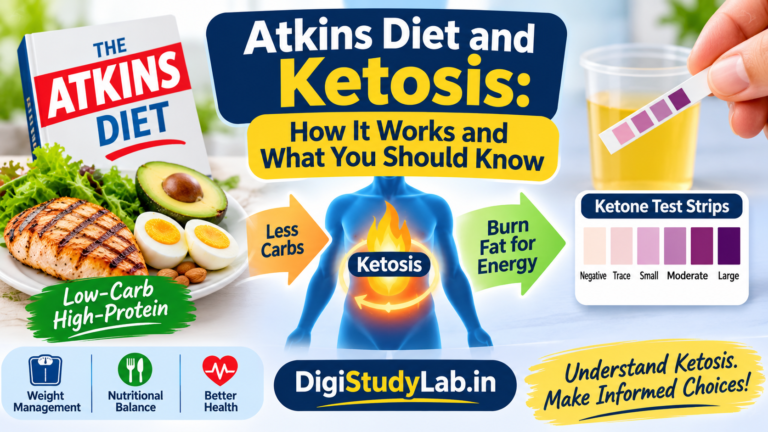
The Atkins diet is one of the best-known low-carbohydrate eating approaches for weight management. It focuses on reducing carbohydrate consumption while encouraging the body to use more stored fat for energy. One of the metabolic processes associated with this approach is known as ketosis.
Although many people have heard about ketosis, not everyone understands how it works or why it occurs when carbohydrate intake is significantly reduced.
Understanding the relationship between the Atkins diet and ketosis can help you make informed decisions about nutrition, weight management, and your overall health.
1. What Is the Atkins Diet?
The Atkins diet is a low-carbohydrate eating plan developed by Dr. Robert C. Atkins. Its basic principle is to reduce carbohydrate intake so that the body relies more heavily on fat for energy.
Unlike conventional calorie-restricted diets, the Atkins approach places particular emphasis on carbohydrate consumption. It generally allows foods containing protein and fats while limiting carbohydrate-rich foods, especially during its initial phase.
The traditional Atkins programme is divided into different phases that gradually introduce more carbohydrates as a person progresses.
Although this approach may help some individuals lose weight, its effectiveness depends on factors such as total calorie intake, food quality, activity levels, and long-term consistency.
2. Understanding Ketosis
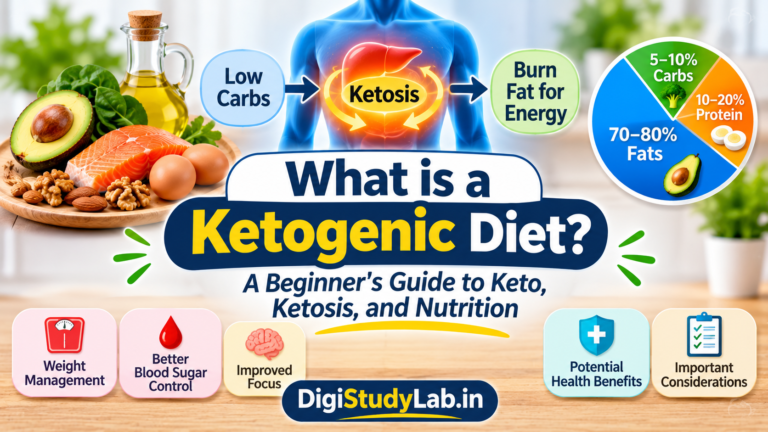
Ketosis is a metabolic state in which the body produces and uses increased amounts of ketone bodies as an alternative energy source.
Under normal circumstances, carbohydrates provide glucose, which is an important source of energy for many cells in the body.
When carbohydrate availability becomes very low, the body adapts by increasing its use of stored fat. The liver converts fatty acids into ketone bodies through a process called ketogenesis.
The three primary ketone bodies are:
- Beta-hydroxybutyrate (BHB): The main ketone measured in blood tests and an important alternative energy source.
- Acetoacetate: A ketone body produced by the liver that can be used by various tissues for energy.
- Acetone: A by-product of ketone production that is partly eliminated through breathing.
These substances circulate through the bloodstream and provide energy to tissues, including the brain and muscles.
The presence of increased ketone production during carbohydrate restriction is what makes nutritional ketosis an important part of ketogenic eating plans.
3. How Does the Atkins Diet Encourage Ketosis?
The Atkins diet reduces carbohydrate intake, particularly during its initial phase. This encourages the body to gradually shift from relying primarily on glucose towards using more fat and ketones for energy.
The process generally involves several metabolic changes:
- Reduced carbohydrate intake: Eating fewer carbohydrates reduces the availability of dietary glucose.
- Changes in glycogen stores: The body uses stored glycogen to help maintain its energy requirements.
- Increased fat utilisation: As carbohydrate availability decreases, the body increases its reliance on fatty acids for energy.
- Ketone production: The liver converts fatty acids into ketone bodies.
- Greater ketone utilisation: Various tissues begin using ketones as an alternative fuel source.
The extent of ketosis varies between individuals and depends on carbohydrate intake, activity levels, metabolism, and other factors.
It is also important to understand that ketosis does not mean the body burns only fat. The body continues to use a combination of energy sources, and muscle preservation still depends on adequate nutrition and other factors.
4. Does Ketosis Help With Weight Loss?
One reason ketogenic approaches such as Atkins have attracted attention is their potential to support weight loss.
When carbohydrate intake is restricted, the body may use more stored fat for energy. Some people also experience reduced appetite, which can make it easier to consume fewer calories.
However, weight loss is influenced by several factors, including overall energy intake, physical activity, sleep, and dietary consistency.
The initial reduction in body weight may also include water loss because the body uses stored glycogen, which is associated with water.
Although nutritional ketosis can be part of a weight-management strategy, being in ketosis does not automatically guarantee continuous fat loss.
The quality of food, appropriate portions, and a sustainable eating pattern remain important.
5. What Are Ketone Testing Strips?
Ketone testing strips are commonly used by people following ketogenic diets to check for the presence of ketones in their urine.
These strips contain chemically treated pads that change colour when they detect acetoacetate in a urine sample.
Depending on the product, the colour may range from light pink or beige to darker purple. The result is compared with the colour chart provided by the manufacturer.
Urine ketone strips are available from many pharmacies and medical supply retailers.
However, it is important to understand what these strips actually measure. They detect ketones being eliminated through urine rather than measuring the body’s complete ketone production or current fat-burning rate.
6. How Should You Interpret Ketone Strip Results?
Ketone testing strips can provide an indication of whether ketones are present in your urine, but their results should be interpreted carefully.
Here are some important points to understand:
A light or negative result does not necessarily mean your diet is unsuccessful.
People following a ketogenic eating plan may produce and utilise ketones differently. As the body adapts to using ketones, the amount eliminated through urine may change.
A darker purple result does not mean faster weight loss.
The colour of a urine ketone strip reflects the concentration of acetoacetate in the urine. Hydration levels, urine concentration, and other factors can influence the result.
Ketone strips do not measure body fat loss.
A urine test cannot determine how much stored body fat you have lost or whether your weight-management programme is progressing successfully.
For these reasons, ketone testing strips should be treated as a limited monitoring tool rather than a measure of dieting success.
Blood ketone testing measures beta-hydroxybutyrate and provides a more direct assessment of circulating ketone levels. The appropriate testing method depends on the reason for testing.
7. Is Nutritional Ketosis Safe?
Nutritional ketosis is a natural metabolic response to reduced carbohydrate availability. It is not the same as diabetic ketoacidosis (DKA).
Nutritional ketosis generally occurs when the body produces ketones as an alternative energy source while maintaining normal regulation of blood acidity.
Diabetic ketoacidosis, on the other hand, is a serious medical condition in which excessive ketone accumulation causes the blood to become dangerously acidic. It is most commonly associated with insufficient insulin.
Although nutritional ketosis is not automatically dangerous, ketogenic diets may not be suitable for everyone.
People with diabetes, kidney or liver conditions, pregnant or breastfeeding individuals, and those taking glucose-lowering medications should seek appropriate medical advice before beginning a restrictive ketogenic eating plan.
In particular, people taking SGLT2 inhibitor medications for diabetes should discuss ketogenic diets with their healthcare professionals because of the increased risk of diabetic ketoacidosis.
Symptoms such as nausea, vomiting, abdominal pain, unusual fatigue, excessive thirst, or difficulty breathing require medical attention, particularly in people with diabetes.
8. Important Considerations Before Following the Atkins Diet
Before starting the Atkins diet or another very-low-carbohydrate eating plan, consider the following:
- Nutritional variety: Include suitable vegetables, fibre-rich foods, and nutrient-dense ingredients within your dietary approach.
- Protein intake: Consume adequate protein to support muscle maintenance and normal body functions.
- Dietary fat quality: Prefer sources of unsaturated fats, such as nuts, seeds, avocados, and appropriate vegetable oils.
- Hydration: Maintain adequate fluid intake, particularly during the initial stages of carbohydrate restriction.
- Long-term sustainability: Choose an eating pattern that you can maintain without unnecessary nutritional restrictions.
- Medical guidance: Discuss major dietary changes with a qualified healthcare professional if you have an existing health condition or take regular medication.
Remember that the goal of a healthy eating plan should extend beyond achieving ketosis. Adequate nutrition, overall health, and long-term sustainability are equally important.
Conclusion
The Atkins diet and ketosis are closely connected because reducing carbohydrate intake encourages the body to produce ketones and use more fat as an energy source.
Understanding how this metabolic process works can help you distinguish between nutritional ketosis and more serious conditions such as diabetic ketoacidosis.
Ketone testing strips can provide information about ketones in urine, but their colour does not indicate how quickly you are losing weight or burning body fat.
At DigiStudyLab.in, we believe that understanding nutrition and how the body works helps people make better-informed health decisions. Whether you are exploring the Atkins diet or another eating approach, prioritise nutritional balance, reliable information, and sustainable habits for long-term well-being.