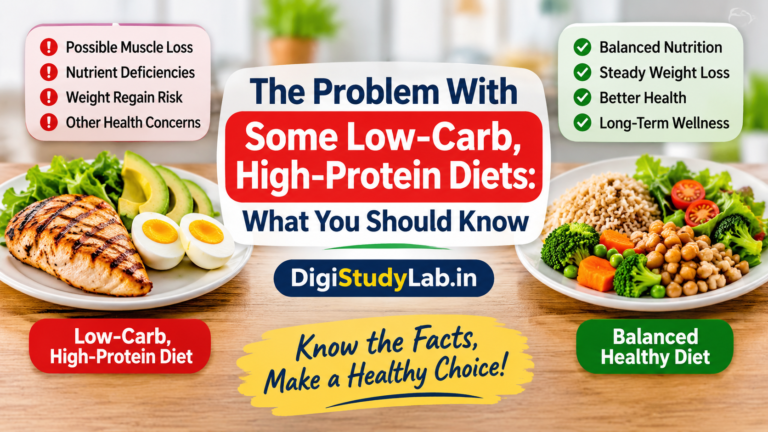
Low-carbohydrate, high-protein diets have become popular among people looking to lose weight and improve their overall health. These eating plans often promise quick results by reducing carbohydrate intake while increasing protein and, in some cases, dietary fat.
But are they suitable for everyone? Do they provide sustainable weight loss, and what happens when carbohydrates are restricted too much?
Although low-carb diets can help some people lose weight, poorly planned versions may also come with nutritional challenges and potential health concerns. Understanding how these diets work, their limitations, and the importance of balanced nutrition can help you make better dietary choices.
1. Initial Weight Loss May Not Always Mean Fat Loss
One reason low-carb diets appear effective during the initial stages is that they can produce relatively rapid changes in body weight.
When carbohydrate intake decreases, the body uses stored glycogen for energy. Glycogen is stored together with water, so as glycogen levels fall, the body also releases some of that stored water.
As a result, the number on the weighing scale may decrease quickly during the first few days or weeks.
However, this initial reduction does not necessarily represent an equivalent amount of body fat loss.
After the initial adjustment, further weight loss depends on several factors, including overall calorie intake, physical activity, metabolic adaptations, and consistency with the eating plan.
This is why it is important to look beyond short-term changes on the weighing scale.
2. Understanding Ketosis and Its Effects on the Body
When carbohydrate intake becomes very low, the body gradually shifts towards using more fat for energy. The liver converts fatty acids into substances called ketones, which can serve as an alternative fuel source.
This metabolic state is known as nutritional ketosis and is commonly associated with ketogenic diets.
However, ketosis is not automatically an unhealthy condition. Nutritional ketosis is different from diabetic ketoacidosis, a serious medical complication involving dangerously high ketone levels and blood acidity.
Although nutritional ketosis can be a normal metabolic adaptation, very restrictive eating plans may not be suitable for everyone.
People with diabetes, kidney disease, or certain other medical conditions should seek professional guidance before making substantial changes to their carbohydrate intake.
3. Can Low-Carb Diets Cause Muscle Loss?
Muscle preservation is an important consideration during weight loss.
When people lose weight through restrictive diets, some loss of lean body mass can occur alongside fat loss. This is not exclusive to low-carb diets.
However, certain ketogenic and very-low-carbohydrate approaches may result in greater reductions in measured fat-free mass, particularly during shorter studies when changes in glycogen and body water can influence measurements.
Protein plays an important role in maintaining and repairing muscle tissue. Consuming adequate protein, maintaining a reasonable calorie deficit, and incorporating resistance training can help support muscle preservation during weight management.
The objective should not simply be to reduce body weight but to maintain a healthy balance between fat loss and lean muscle mass.
4. Nutritional Balance and Essential Minerals Matter
A poorly planned low-carb diet may limit foods that provide important nutrients, including dietary fibre, vitamins, and minerals.
For example, unnecessarily eliminating whole grains, fruits, legumes, and certain vegetables can reduce the variety of nutrients in your diet.
Some people also experience temporary changes in fluid and electrolyte balance when beginning a very-low-carbohydrate eating plan.
Sodium, potassium, and other electrolytes play important roles in maintaining normal muscle function, nerve signalling, and fluid balance.
Rather than eliminating entire food groups without considering nutritional requirements, it is important to choose nutrient-rich foods and maintain adequate hydration.
5. The Quality of Dietary Fat Is Important
Some low-carb diets encourage people to increase their consumption of dietary fat to compensate for reduced carbohydrate intake.
However, not all fats have the same nutritional effects.
A diet that relies heavily on butter, fatty processed meats, and other sources of saturated fat may negatively affect cholesterol levels in some individuals.
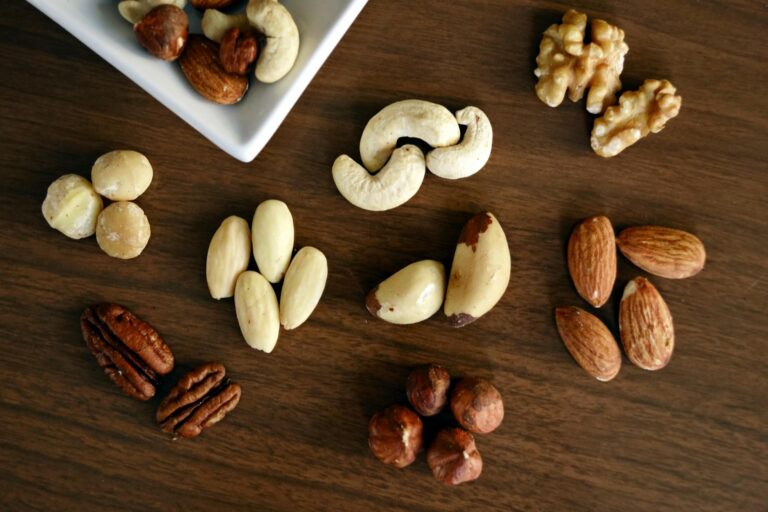
In contrast, unsaturated fats from foods such as nuts, seeds, avocados, and vegetable oils can form part of a heart-conscious eating pattern.
People following low-carb diets should pay attention not only to the quantity of carbohydrates they consume but also to the quality of their fat and protein sources.
Periodic monitoring of blood lipid levels may also be appropriate, particularly for people with existing cardiovascular risk factors.
6. Weight Regain Can Occur After Restrictive Diets
Another challenge associated with highly restrictive eating plans is long-term sustainability.
Some people find it difficult to maintain strict carbohydrate restrictions because they have to avoid or significantly limit many familiar foods.
When they return to their previous eating habits, their body weight may increase again.
This can happen for several reasons, including increased calorie intake, changes in stored glycogen and water, and difficulty maintaining the dietary habits established during weight loss.
Weight regain is not unique to low-carb diets. It can happen with almost any weight-loss approach that does not include a realistic long-term maintenance plan.
A sustainable eating pattern should be one that you can maintain comfortably while meeting your nutritional needs.
7. A Balanced Approach to Healthy Weight Management
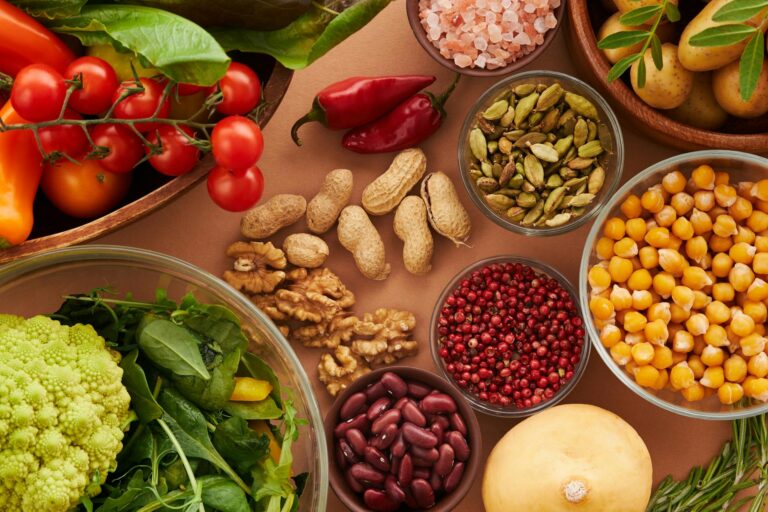
Instead of following extreme dietary restrictions, consider building an eating pattern that includes a variety of nutrient-rich foods.
A healthy diet can include:
- Complex carbohydrates: Whole grains, oats, brown rice, millets, and other minimally processed grains.
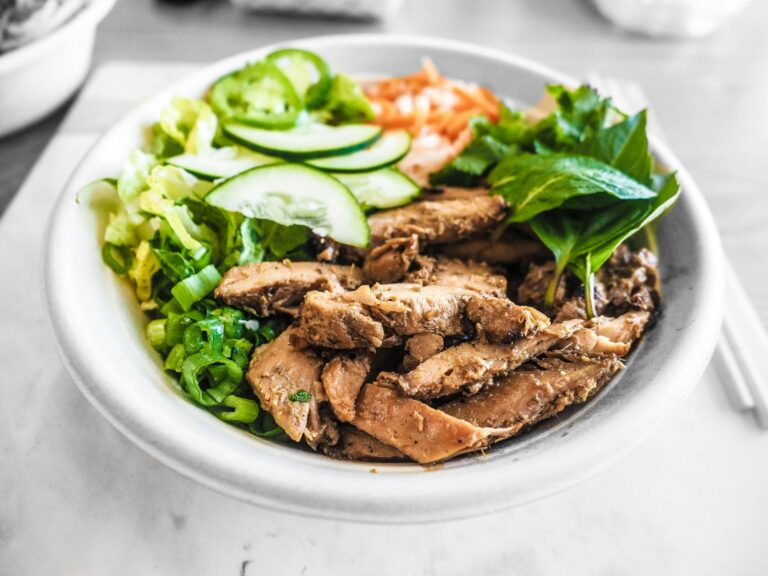
- Protein-rich foods: Lentils, beans, chickpeas, dairy products, eggs, fish, and lean meats, depending on dietary preferences.
- Healthy fats: Nuts, seeds, avocados, and suitable vegetable oils.
- Fruits and vegetables: A variety of colourful fruits and vegetables to provide fibre, vitamins, minerals, and antioxidants.
For people following an Indian diet, foods such as dal, whole-wheat roti, millets, vegetables, curd, chickpeas, and seasonal fruits can contribute to a nutritious and varied meal plan.
The appropriate proportions of carbohydrates, protein, and fats depend on individual requirements, activity levels, health conditions, and personal preferences. There is no single macronutrient ratio that works for everyone.
The quality of food, appropriate portion sizes, and overall energy intake are all important considerations.
8. The Importance of Sustainable Eating Habits
Healthy weight management involves more than choosing between carbohydrates, protein, and fat.
A sustainable approach should also include:
- Eating a variety of nutrient-rich foods.
- Choosing whole grains and fibre-rich carbohydrate sources.
- Including adequate protein throughout the day.
- Limiting excessive added sugar and highly processed foods.
- Staying physically active and incorporating strength-building exercises.
- Getting sufficient sleep and maintaining consistent daily habits.
- Avoiding extreme calorie restrictions and unrealistic weight-loss targets.
These habits can support overall health while making weight management more practical over the long term.
Conclusion
Low-carb, high-protein diets can help some people achieve weight loss, but they are not automatically suitable for everyone. The potential drawbacks depend on how restrictive the diet is, the quality of the foods consumed, individual health conditions, and how long the eating pattern is maintained.
Ketosis itself is not necessarily harmful, and carbohydrates should not be considered unhealthy simply because they contribute to daily calorie intake.
The better approach is to understand your nutritional needs, choose high-quality foods, and develop eating habits that support both short-term goals and long-term health.
At DigiStudyLab.in, we believe that understanding nutrition is an important step towards making informed health decisions. Successful weight management is not about eliminating an entire food group but about finding a balanced, nutritious, and sustainable way of eating that works for your body and lifestyle.