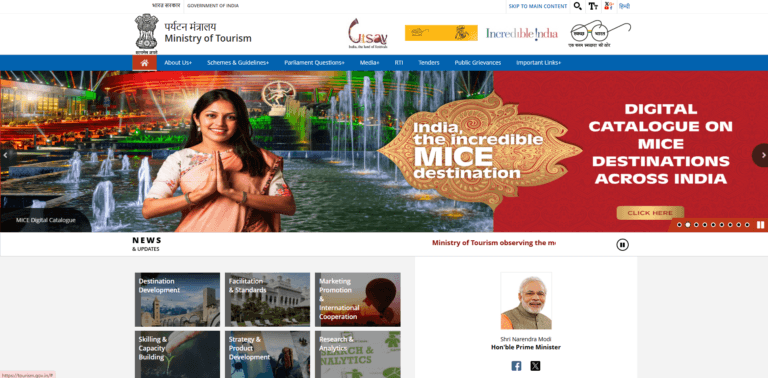
Tourism in India is not only about visiting famous places—it connects culture, livelihoods, heritage, nature, local crafts, food traditions, and the “story” of India itself. At the centre of this ecosystem is the Ministry of Tourism, Government of India, which plans, supports, and promotes tourism development across the country through policies, infrastructure support, capacity building, data and research, and national-level campaigns.
If you are exploring travel opportunities, researching government initiatives, looking for tourism-related training support, or simply learning how India’s public tourism system works, the official Ministry of Tourism portal is the best starting point. This educational guide on Digistudylab.in explains what the Ministry does, what you can find on its website, and how major schemes like Swadesh Darshan and PRASHAD support destination development in India. (You’ll also find the most important official links inside the content.)
1) What is the Ministry of Tourism?
The Ministry of Tourism (MoT) is a Government of India ministry responsible for the formulation of national policies and programs for tourism development and promotion. In practical terms, it works with State Governments/UT Administrations, local bodies, tourism stakeholders, and partner ministries to:
Strengthen tourism infrastructure and visitor experiences
Promote India as a tourism destination in domestic and international markets
Support spiritual, heritage, nature, rural, and theme-based tourism
Encourage skill development and training for tourism-related jobs
Build systems for research, statistics, and tourism intelligence
Guide sustainable and responsible tourism approaches
The Ministry’s official portal acts as an information hub for schemes, guidelines, updates, policy information, and tourism data.
2) Why the Ministry of Tourism portal matters for learning
When you search for tourism information online, you often find scattered pages, promotions, and travel blogs. But the Ministry of Tourism website provides the “official view” of how tourism development is planned and supported by the Government of India. It is useful for learning because it brings together:
Government schemes and guidelines (how destinations get funding support and what rules apply)
Updates and initiatives (campaigns, webinars, pledges, new program details)
Tourism research and statistics (India Tourism Statistics and more)
Official website you can visit:
Ministry of Tourism (Government of India): https://tourism.gov.in/
3) Main sections you can explore on tourism.gov.in
The Ministry’s portal is structured to help you locate schemes, updates, documents, and statistical reports. While layouts may evolve over time, the core areas usually include:
A) Schemes & Guidelines
This is one of the most important areas for understanding how tourism development works. The Ministry lists major schemes and guidelines, including Swadesh Darshan, PRASHAD, and more under the “Schemes” section.
Direct schemes page:
B) Updates / What’s New
You can find announcements, initiatives, and links to official activities such as the Dekho Apna Desh webinar series and other public engagement programs.
C) Market Research, Statistics, and Publications
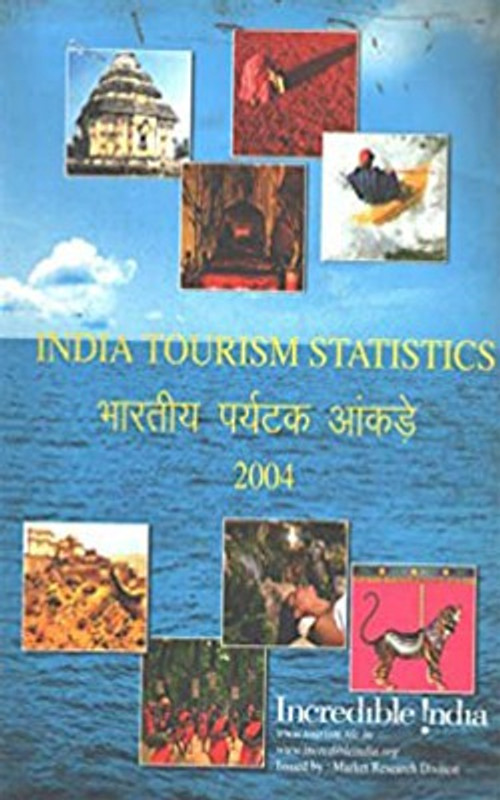
If you want credible tourism numbers and reports, the Ministry publishes an annual compilation called India Tourism Statistics and hosts research outputs and studies.
Key page:
4) The Ministry’s role in tourism development: what it does in real life
To understand the Ministry better, it helps to see tourism as a system with many layers:
1) Destination development and infrastructure support
Tourism needs basics—roads, last-mile connectivity, signage, public facilities, interpretation centres, amenities, and visitor management. Many Ministry programs focus on making destinations more visitor-friendly and economically beneficial for local communities.
2) Thematic tourism circuits and experiences
Rather than developing places in isolation, the Ministry supports circuits (a connected set of destinations around a theme). This improves planning, marketing, and the overall travel experience.
3) Spiritual and pilgrimage tourism support
India has some of the world’s most important pilgrimage sites. The Ministry supports holistic development at selected pilgrimage destinations through dedicated schemes (explained below).
4) Tourism promotion and national branding
Tourism is also about perception—how a country is presented to travellers. The Ministry’s promotion efforts connect with official travel information platforms like Incredible India.
5) Building skills and employability
Tourism creates employment across hotels, travel services, transport, guiding, event management, food services, crafts, wellness, and more. Government-backed training and capacity building improves service quality and job readiness.
6) Data, research, and policy learning
Tourism planning needs reliable statistics: tourist arrivals, domestic visits, accommodation capacity, and trends. The Ministry’s research and analytics/statistics work supports policy-making and evaluation.
5) Flagship scheme: Swadesh Darshan (now revamped as Swadesh Darshan 2.0)
One of the Ministry’s best-known programs is Swadesh Darshan, aimed at developing theme-based tourism circuits and destinations. The Ministry has revamped it as Swadesh Darshan 2.0 (SD 2.0) with an objective to develop sustainable and responsible destinations using a tourist and destination-centric approach.
Why Swadesh Darshan matters
Swadesh Darshan focuses on destination experiences—how a place “works” for visitors and locals:
Better visitor facilities and supporting infrastructure
Stronger destination planning and management
Improved tourist experience (information, amenities, interpretation)
Encouragement of sustainability and responsibility as part of development planning
Official reference (scheme page):
Learning tip: If you want to understand how tourism projects are structured, scheme guideline documents are extremely valuable because they define objectives, eligible components, and implementation methods.
6) Flagship scheme: PRASHAD (Pilgrimage Rejuvenation and Spiritual, Heritage Augmentation Drive)
Religious and spiritual tourism is a major part of travel in India. The Ministry supports selected pilgrimage destinations through the PRASHAD scheme.
According to the Ministry’s PRASHAD page, the scheme aims to pave the way for development and promotion of religious tourism, and it emphasizes holistic development of selected pilgrimage destinations with cooperation among stakeholders.
What “holistic development” can mean in pilgrimage tourism
In practical terms, pilgrimage tourism development may involve:
Pilgrim amenities (drinking water, toilets, rest areas, queue management)
Improved pathways, approach roads, signage, and lighting
Interpretation and visitor information support
Public spaces and facilities that reduce overcrowding stress
Better overall destination management
Official reference (scheme page):
7) Incredible India: official travel information and promotion platform
When people search for “India tourism,” a well-known official platform is Incredible India. The current official site provides travel planning resources and practical information such as weather, tourism information centres, emergency numbers, holidays, and visa guide sections, along with destination inspiration.
Official platform:
How you can use Incredible India wisely
Use it for destination ideas, travel themes, and planning information
Combine it with state tourism portals when you need local details
Use the Ministry portal for schemes, policies, and official documents
This separation is helpful for learners:
tourism.gov.in = governance + schemes + research + official documents
incredibleindia.gov.in = travel inspiration + planning info for travellers
8) Dekho Apna Desh: awareness, learning, and domestic tourism spirit
To encourage domestic tourism and deeper awareness of India’s cultural and geographic diversity, the Ministry has promoted initiatives like Dekho Apna Desh. The Ministry’s portal hosts information about a series of webinars under this theme, with links to recordings.
Official reference:
Dekho Apna Desh webinars page (on tourism.gov.in): https://tourism.gov.in/whats-new/dekho-apna-desh-webinars-ministry-tourism
There is also a Dekho Apna Desh pledge page hosted on the Ministry portal.
Why it’s educational: These resources can help you learn about destinations through structured themes, stories, and expert sessions, not only through casual travel content.
9) Adopt a Heritage: partnering to enhance visitor experiences at heritage sites
Heritage sites need visitor services—cleanliness, interpretation, signage, amenities, and accessibility improvements—while still preserving authenticity and conservation priorities. The Ministry has been associated with Adopt a Heritage guidelines and updates. A Ministry-hosted PDF contains program guidelines (earlier documentation) , and a PIB document notes that Adopt a Heritage 2.0 was launched in September 2023, with MoUs signed for multiple monuments (as per that PIB release).
References:
Adopt a Heritage guidelines PDF (Ministry-hosted): https://tourism.gov.in/sites/default/files/2020-08/adopt%20a%20Heritage%20Project%20Guidelines.pdf
PIB document on Adopt a Heritage scheme (Ministry/PIB hosted PDF): https://tourism.gov.in/sites/default/files/2024-08/PIB2041555.pdf
Educational angle: This teaches how public heritage management can include structured collaborations while maintaining oversight and reporting.
10) Tourism statistics and why they matter (India Tourism Statistics)
Tourism is not only about beautiful places—it is an economic and social sector that needs measurement. The Ministry states that statistical data is an important tool for planners and policy makers for planning and monitoring schemes, and it publishes “India Tourism Statistics” annually with international and domestic tourism details and other related information.
The Ministry portal hosts PDF publications, including India Tourism Statistics 2023.
Key references:
Market Research and Statistics page: https://tourism.gov.in/market-research-and-statistics
India Tourism Statistics 2023 PDF: https://tourism.gov.in/sites/default/files/2025-03/India%20Tourism%20Statistics%202023-English%20%281%29.pdf
What you can learn from tourism statistics
Domestic tourism volume and patterns
Foreign tourist arrivals and trends
Accommodation/hotel classification-related data (where included)
How crises, seasons, and policy changes influence tourism
For learning on Digistudylab.in: Tourism statistics are excellent for projects, essays, competitive exam preparation, and understanding how governments evaluate sector performance.
11) Research & Analytics / Market Research functions
The Ministry has an official division page describing responsibilities related to collection, compilation, and publication of tourism statistics and other research-related tasks.
This matters because tourism development is not guesswork. Research supports:
Identifying high-potential destinations
Measuring outcomes of infrastructure support
Understanding traveller behaviour
Planning sustainable capacity for sensitive locations
Reference:
Research & Analytics Division page: https://tourism.gov.in/about-us/divisions/research-analytics-division
12) National recognition and awards: encouraging quality in tourism services
The Ministry portal homepage mentions that the Ministry runs a scheme under which National Tourism Awards are given across categories such as travel agents, tour operators, hotels, transport operators, publishing, and more.
Why awards matter in public policy
Awards can:
Encourage innovation and service quality
Highlight best practices in responsible tourism
Reward organizations that raise standards and visitor satisfaction
Promote competitiveness with accountability
This is also a learning point: tourism is a service industry, and quality signals (like awards) influence traveller trust.
13) How you can use the Ministry of Tourism portal based on your purpose
Different visitors have different goals. Here are practical ways you can use tourism.gov.in:
If you are a learner or exam aspirant
Read scheme pages (Swadesh Darshan, PRASHAD) to learn objectives and frameworks
Use tourism statistics PDFs for data-based answers
Follow updates like Dekho Apna Desh webinars for destination-based learning
If you are researching government programs
Start with the “Schemes & Guidelines” section
Compare scheme objectives and development approach (destination-centric, holistic, sustainable)
If you are planning travel and want official guidance
Use Incredible India for travel planning information and inspiration
Use tourism.gov.in for policy, programs, and official documents
14) Tourism development themes you’ll repeatedly see in Ministry programs
When you read official scheme pages and updates, you will notice recurring themes. Understanding these will help you interpret almost any tourism program in India:
A) Sustainability and responsibility
Swadesh Darshan 2.0 explicitly focuses on sustainable and responsible destination development.
This is important because tourism can put pressure on water, waste systems, biodiversity, and heritage conservation if unmanaged.
B) Experience and destination-centric design
Modern tourism is not only “what to see” but “how it feels” to travel—information, safety, navigation, public facilities, and local experiences.
C) Circuit approach and integrated planning
Connecting destinations creates a longer and richer journey, which increases local economic benefits across multiple locations.
D) Community and livelihoods
Tourism works best when local people benefit—through jobs, micro-enterprises, local guiding, homestays, crafts, food businesses, and cultural experiences.
E) Cultural and spiritual heritage
PRASHAD and heritage-related initiatives reflect India’s unique advantage: living heritage, pilgrimage circuits, and spiritual traditions.
15) Important official links (for reference and learning)
Use these official pages to explore more:
Ministry of Tourism (Government of India) official portal:
Schemes & Guidelines listing:
Swadesh Darshan scheme (SD 2.0):
PRASHAD scheme:
Market Research and Statistics (India Tourism Statistics and publications):
Incredible India official travel platform:
Dekho Apna Desh webinars page (Ministry):
Dekho Apna Desh pledge (Ministry):
Conclusion: why learning about the Ministry of Tourism is useful
Understanding the Ministry of Tourism helps you see tourism as more than travel photos. It is governance in action—planning infrastructure, promoting culture, supporting spiritual destinations, building skills, and publishing statistics that guide national decisions.
When you explore the Ministry’s portal, you learn:
How flagship schemes like Swadesh Darshan 2.0 focus on sustainable destination development
How PRASHAD supports holistic improvement of pilgrimage destinations
How tourism statistics and research strengthen policy and evaluation
How official platforms like Incredible India help travellers plan and explore
For educational content on India’s government and public systems, topics like this are valuable because they connect culture, economy, sustainability, and development planning—exactly the kind of learning Digistudylab.in aims to support.
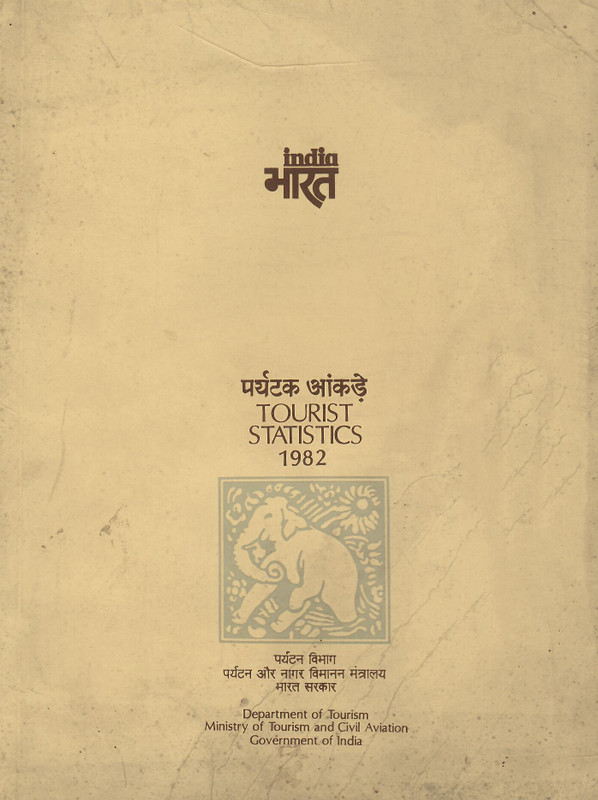
![India Tourist Statistics 1982 [Paperback] Ministry Of Tourism And Civil Aviation(Paperback, Hindi, Ministry of Tourism and Civil Aviation)](https://rukminim1.flixcart.com/image/800/800/xif0q/regionalbooks/t/t/e/india-tourist-statistics-1982-paperback-ministry-of-tourism-and-original-imaggqggdzd9p7zu.jpeg?q=90)