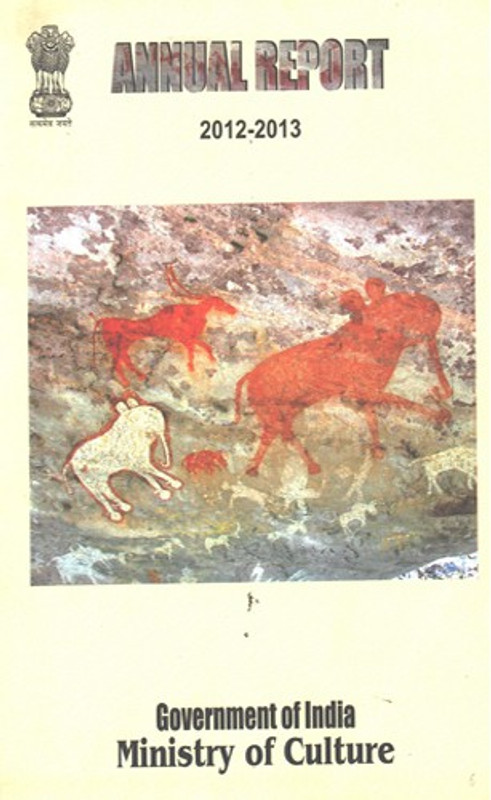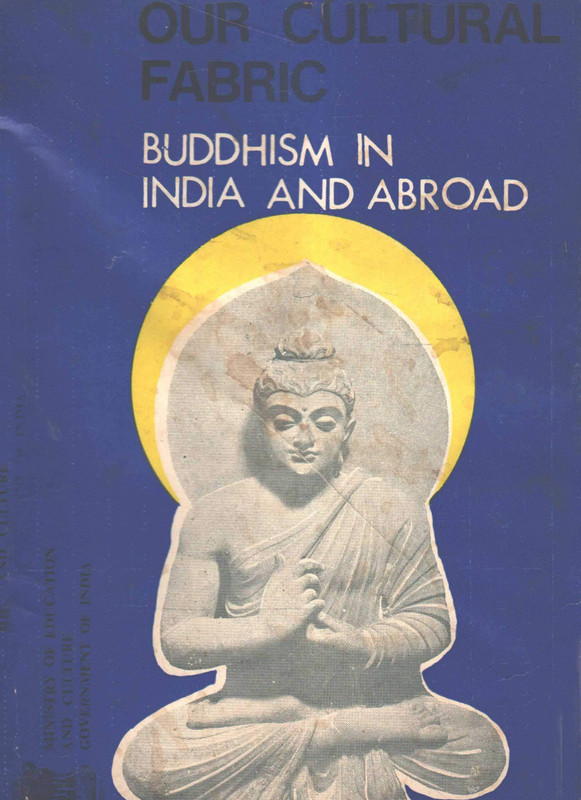
India is one of the world’s oldest living civilizations, known for its extraordinary diversity of languages, traditions, art forms, monuments, literature, and cultural practices. From ancient archaeological sites to vibrant folk traditions, India’s cultural heritage reflects thousands of years of continuous human creativity. To preserve, protect, promote, and share this vast cultural wealth, the Government of India established the Ministry of Culture.
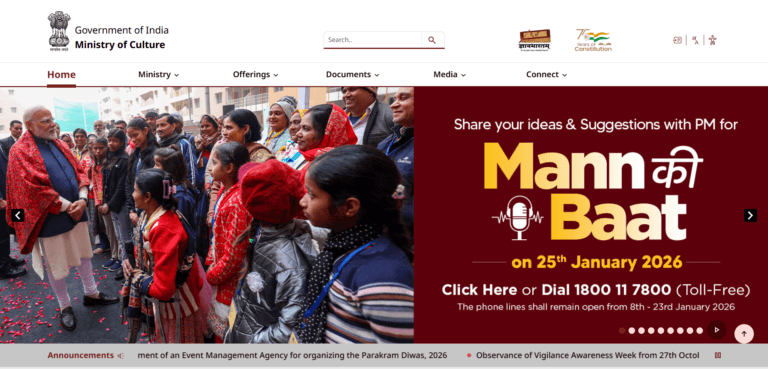
The official Ministry of Culture website (https://culture.gov.in/) serves as a central digital platform where citizens, researchers, educators, artists, and cultural organizations can access authentic information related to India’s heritage, cultural institutions, schemes, and initiatives. This detailed guide on Digistudylab.in explains the Ministry’s role, structure, services, and online resources in a clear and educational manner, helping you understand how culture is preserved and promoted at a national level.
Introduction to the Ministry of Culture
The Ministry of Culture is the nodal ministry of the Government of India responsible for cultural heritage management and promotion. Its mandate covers both:
Tangible cultural heritage – monuments, historical buildings, archaeological sites, museums, manuscripts, artifacts, and archives
Intangible cultural heritage – performing arts, folk traditions, rituals, festivals, oral traditions, craftsmanship, and indigenous knowledge systems
The Ministry works to ensure that India’s cultural legacy is not only preserved but also made accessible and meaningful to present and future generations.
Historical Background and Evolution
After independence, India recognized the urgent need to systematically preserve its cultural identity. Initially, cultural affairs were handled by different departments, but over time, a dedicated ministry emerged to coordinate heritage conservation and cultural development at a national level.
The Ministry of Culture gradually expanded its scope to include:
Protection of ancient monuments
Establishment and modernization of museums and libraries
Support for artists and cultural institutions
International cultural exchange and cooperation
Today, the Ministry plays a vital role in shaping India’s cultural policy and strengthening national identity through heritage preservation.
Objectives of the Ministry of Culture
The Ministry functions with clearly defined objectives that guide its policies and programs:
1. Preservation of Cultural Heritage
Safeguarding monuments, historical sites, manuscripts, artworks, and archival records that reflect India’s civilizational journey.
2. Promotion of Arts and Culture
Encouraging classical, folk, tribal, and contemporary art forms across the country through institutional support and financial assistance.
3. Documentation and Research
Supporting documentation, digitization, and research related to history, culture, languages, and traditional knowledge systems.
4. Cultural Education and Awareness
Spreading awareness about India’s cultural diversity through exhibitions, festivals, publications, and educational initiatives.
5. Inclusive Cultural Development
Ensuring that cultural opportunities reach rural areas, marginalized communities, and emerging artists.
Structure and Organization
The Ministry of Culture operates through a wide network of organizations categorized into:
Attached and Subordinate Offices
These offices implement policies and manage specific cultural responsibilities such as archaeology, archives, and anthropology.
Autonomous Organizations
Institutions with academic and administrative independence, including:
National museums
Cultural academies
Research and archival institutions
Grant-in-Aid Institutions
Organizations that receive financial assistance for promoting art, culture, and heritage conservation.
This decentralized structure allows the Ministry to manage India’s cultural diversity effectively across regions.
Key Institutions Under the Ministry of Culture
Some of the most important cultural institutions in India function under the Ministry’s guidance:
Archaeological Institutions
These bodies are responsible for:
Conservation of protected monuments
Archaeological excavations
Preservation of ancient inscriptions and relics
Museums and Galleries
The Ministry supports national and regional museums that preserve:
Sculptures, paintings, textiles, and artifacts
Historical collections spanning ancient to modern India
Libraries and Archives
Institutions that safeguard:
Rare manuscripts and books
Government records and historical documents
Digital archives for academic research
Cultural Academies
National academies promote:
Music, dance, drama, literature, and visual arts
Recognition of artists through awards and fellowships
Major Schemes and Programs
The Ministry of Culture implements several schemes aimed at heritage protection and cultural promotion.
1. Heritage Conservation Schemes
These focus on:
Restoration of monuments and historical structures
Preservation of heritage buildings and sites
2. Financial Assistance for Cultural Activities
Support is provided to:
Cultural organizations
Artists, performers, and scholars
Research and documentation projects
3. Museum Development Programs
These initiatives help modernize museums by:
Improving exhibition techniques
Enhancing visitor experience
Digitizing collections
4. Cultural Outreach Initiatives
Programs that bring culture closer to people through:
Festivals and exhibitions
Cultural exchange programs
Awareness campaigns in schools and communities
Digital Services and Online Resources
The Ministry of Culture portal acts as a comprehensive digital gateway for cultural information.
What You Can Find on the Website
Latest notifications and announcements
Details of schemes and eligibility guidelines
Information about cultural institutions
Downloads of reports, forms, and publications
Event updates and cultural calendars
User-Friendly Navigation
The website is designed to help users:
Easily locate institutional information
Access policy documents
Stay informed about cultural opportunities
This digital presence plays an important role in making cultural governance transparent and accessible.
Role in Cultural Education
The Ministry of Culture contributes significantly to education by:
Supporting cultural research
Encouraging heritage studies
Promoting awareness of India’s history and traditions
Educational institutions, researchers, and learners can use Ministry resources to gain authentic insights into Indian culture.
For platforms like Digistudylab.in, such information helps learners understand how cultural preservation works at a national level.
International Cultural Relations
India’s cultural influence extends globally, and the Ministry supports this through:
Cultural exchange programs
International exhibitions and festivals
Collaboration with foreign cultural institutions
These initiatives help showcase India’s heritage on the world stage and promote mutual cultural understanding.
Importance of the Ministry of Culture Portal for Citizens
The official portal is valuable for:
Students and educators – learning about heritage and cultural institutions
Artists and cultural organizations – accessing grants and opportunities
Researchers and historians – obtaining authentic data and resources
General public – understanding India’s cultural governance
The portal serves as a reliable source of verified information directly from the Government of India.
Why This Information Matters
Understanding the Ministry of Culture helps you:
Appreciate India’s cultural diversity
Recognize the importance of heritage preservation
Learn how government institutions protect cultural identity
Educational platforms like Digistudylab.in play an important role in spreading this knowledge in a simplified and learner-friendly manner.
Official Website Reference
For the most accurate, updated, and authoritative information, always refer to the official Ministry of Culture website:
Conclusion
The Ministry of Culture stands as a guardian of India’s civilizational legacy. Through heritage conservation, cultural promotion, institutional support, and digital outreach, it ensures that India’s traditions and history remain alive and accessible.
By exploring the Ministry of Culture portal, learners gain valuable insight into how a nation preserves its identity while embracing cultural diversity. This educational guide on Digistudylab.in aims to help you understand the Ministry’s role and encourages you to explore the official portal for deeper knowledge.