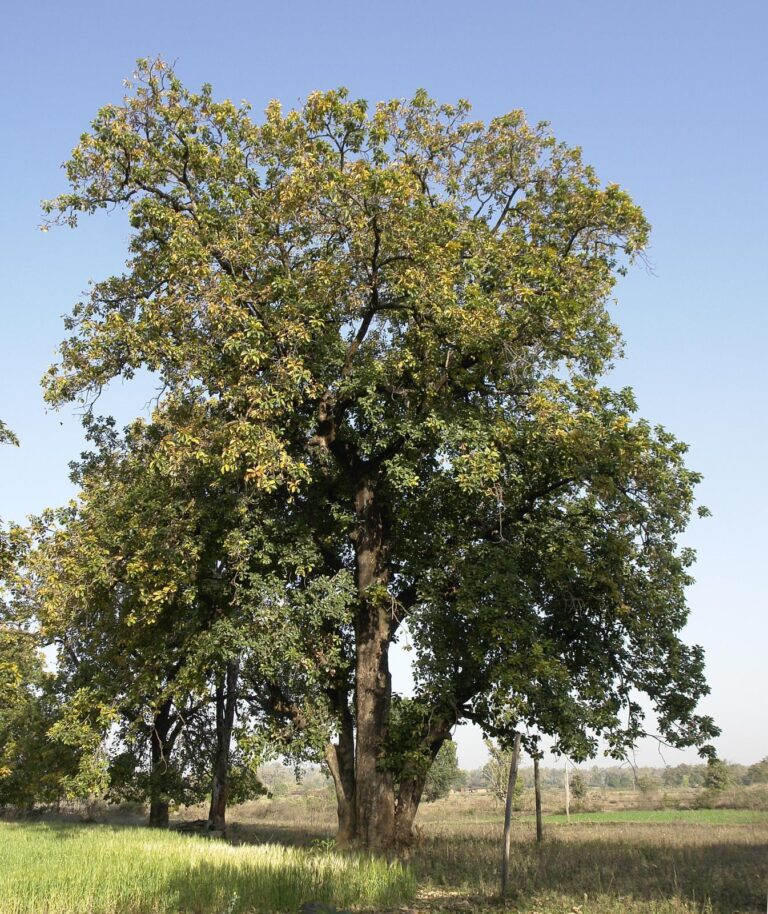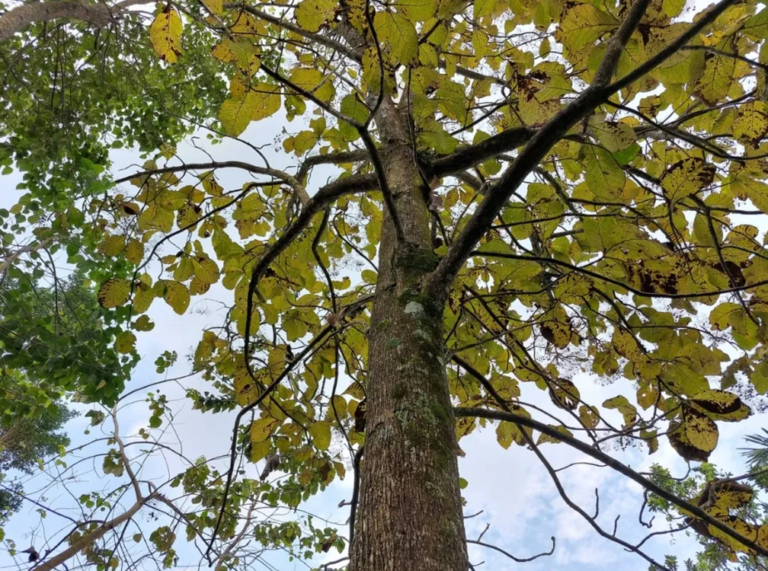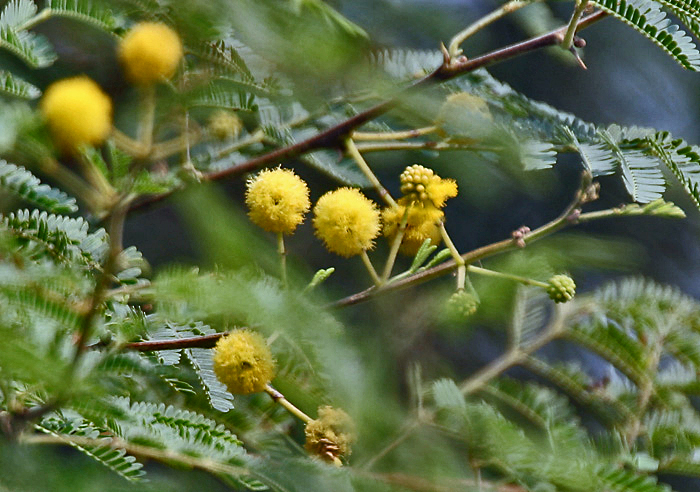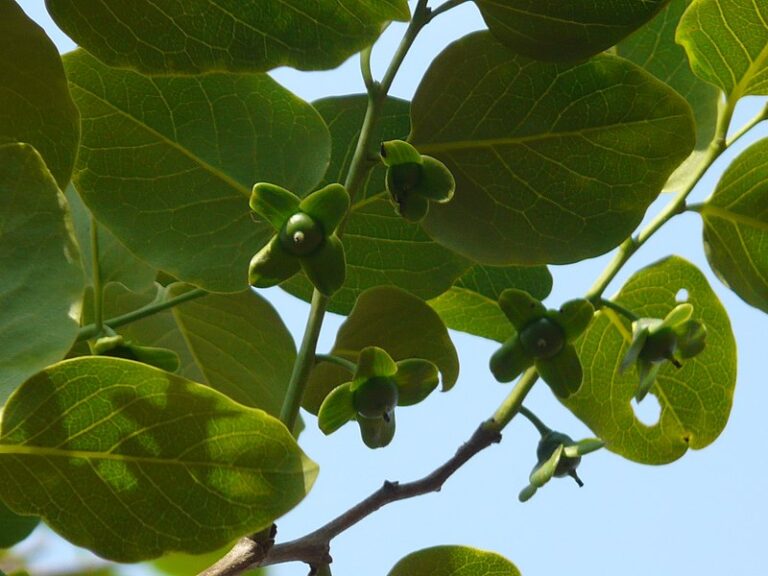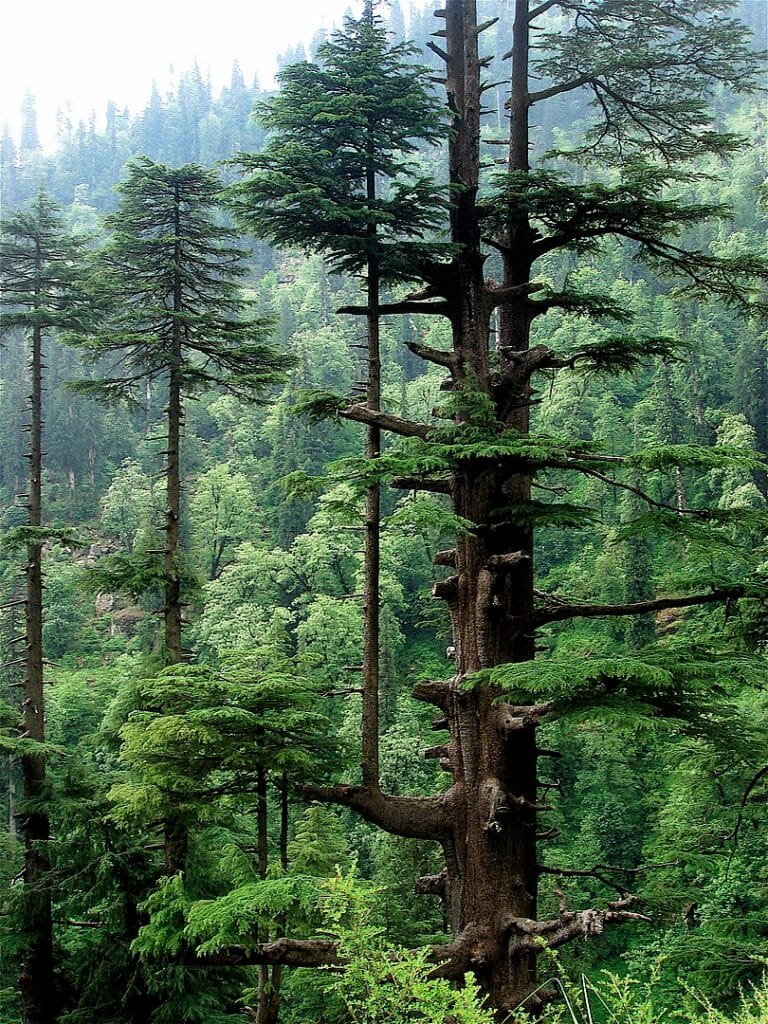
In the enchanting world of forestry, few trees command as much reverence and admiration as the majestic Deodar. Standing tall with its graceful branches and aromatic wood, the Deodar (Cedrus deodara) holds a special place in both cultural lore and practical applications. Let’s delve into the wonders of this magnificent tree, exploring its uses, benefits, and much more.
Origins and Characteristics: Originating from the western Himalayas, particularly in regions like Pakistan, India, and Nepal, the Deodar is known for its towering presence and distinctive blue-green needles. Its name, derived from the Sanskrit term “devadāru,” translates to “timber of the gods,” signifying its esteemed status in ancient mythology and modern forestry alike.
Uses in Construction and Craftsmanship: One of the primary uses of Deodar wood lies in construction and craftsmanship. Its durable, rot-resistant timber makes it a preferred choice for building homes, temples, and furniture. From intricate carvings to sturdy beams, the versatility of Deodar wood knows no bounds, adding an aesthetic and functional touch to architectural marvels across the globe.
Aromatic Properties and Incense Production: Beyond its structural applications, the Deodar boasts aromatic properties that have been cherished for centuries. The fragrant heartwood is prized for its use in incense production, emitting a soothing scent when burned. This aromatic allure has made Deodar incense a staple in religious ceremonies, meditation practices, and aromatherapy sessions, invoking a sense of tranquility and spiritual connection.
Environmental Benefits: In addition to its economic and cultural significance, the Deodar offers numerous environmental benefits. As a coniferous evergreen, it plays a vital role in carbon sequestration, helping mitigate the impacts of climate change. Its dense foliage provides habitat and sustenance for diverse wildlife, contributing to biodiversity conservation in mountain ecosystems.
Landscaping and Ornamental Value: With its graceful form and striking appearance, the Deodar is also prized for its ornamental value in landscaping. Whether adorning parks, gardens, or private estates, its weeping branches and sweeping silhouette lend an air of elegance to any environment. Furthermore, its adaptability to a range of soil and climate conditions makes it a desirable choice for urban greenery initiatives and reforestation projects.
Cultural Significance: Beyond its practical utility, the Deodar holds profound cultural significance in the regions where it thrives. Revered for its association with deities and divine symbolism, it has been featured prominently in religious texts, folklore, and traditional rituals. Its enduring presence in art, literature, and spiritual practices reflects the deep-rooted connection between humanity and the natural world.
Conclusion: In conclusion, the Deodar tree stands as a testament to nature’s beauty, resilience, and utility. From its noble stature to its myriad uses and benefits, it continues to inspire awe and admiration across continents and generations. Whether as a source of timber, a provider of aromatic resins, or a symbol of spiritual reverence, the Deodar remains an integral part of our shared heritage and a beacon of sustainability in an ever-changing world.
As stewards of the environment, let us cherish and protect the legacy of the Deodar tree, ensuring that future generations can also bask in its timeless splendor.
Join us at Digi Study Lab.in as we explore more wonders of the natural world and uncover the secrets of sustainable living.
Cultivation and Maintenance:
While the Deodar tree thrives in its native Himalayan habitat, it can also be cultivated in various climates around the world. When planting Deodar saplings, it’s essential to choose a site with well-drained soil and ample sunlight. Regular watering, especially during the tree’s initial establishment phase, promotes healthy growth and development.
Routine pruning helps maintain the Deodar’s elegant shape and encourages robust branching. However, care should be taken to avoid excessive trimming, which can compromise the tree’s natural form and structural integrity. Mulching around the base of the tree helps retain moisture, suppress weeds, and provide essential nutrients to the soil.
Medicinal and Therapeutic Uses:
In addition to its commercial and aesthetic value, the Deodar tree offers various medicinal and therapeutic benefits. Traditional systems of medicine, such as Ayurveda, have long recognized the healing properties of Deodar extracts and resins. These natural remedies are believed to possess anti-inflammatory, analgesic, and antimicrobial properties, making them invaluable in treating a range of ailments, including arthritis, respiratory conditions, and skin disorders.
Furthermore, the aromatic compounds found in Deodar essential oil are prized for their calming and rejuvenating effects on the mind and body. Whether diffused in the air, applied topically, or incorporated into massage oils and bath blends, Deodar oil promotes relaxation, stress relief, and overall well-being.
Conservation Efforts:
Despite its cultural and ecological importance, the Deodar tree faces threats from deforestation, habitat degradation, and climate change. Rapid urbanization, unsustainable logging practices, and invasive species pose significant challenges to the long-term survival of Deodar populations in their native range.
To address these threats, conservation organizations, governmental agencies, and local communities are working together to implement sustainable forestry practices, establish protected areas, and promote reforestation initiatives. By safeguarding the habitats of the Deodar tree and adopting responsible land management strategies, we can ensure its continued existence for generations to come.
Conclusion:
In summary, the Deodar tree exemplifies the harmonious relationship between humanity and nature, offering a multitude of benefits to society, ecosystems, and individual well-being. From its practical applications in construction and medicine to its cultural significance and environmental contributions, it enriches our lives in myriad ways.
As we navigate the complexities of modern living, let us not forget the profound wisdom inherent in nature’s creations. By honoring and preserving the legacy of the Deodar tree, we honor our interconnectedness with the natural world and reaffirm our commitment to sustainability and stewardship.
Join us at Digi Study Lab.in as we continue to explore the wonders of our planet and embark on a journey of discovery, learning, and appreciation for the beauty that surrounds us.
Taxonomy of the Deodar Tree:
The Deodar tree (Cedrus deodara) belongs to the Pinaceae family, which comprises coniferous trees commonly known as pines. Within the genus Cedrus, it is classified under the species deodara. Taxonomically, the Deodar is closely related to other cedar species, including the Atlas cedar (Cedrus atlantica) and the Cyprus cedar (Cedrus brevifolia).
Distribution and Habitat:
The native range of the Deodar tree extends across the western Himalayas, spanning regions of Afghanistan, Pakistan, India, and Nepal. Within this range, it thrives in diverse habitats ranging from subalpine forests to montane slopes characterized by well-drained soils and temperate climates. The Deodar is also cultivated in various parts of the world as an ornamental tree and timber crop, adapting well to temperate and subtropical climates with adequate rainfall and sunlight.
Ecology and Adaptations:
As a coniferous evergreen species, the Deodar exhibits several ecological adaptations that enable it to thrive in its native habitat. Its needle-like leaves, arranged in clusters, reduce moisture loss through transpiration and provide insulation against cold temperatures. Additionally, the Deodar’s shallow root system allows it to anchor firmly to rocky slopes while accessing nutrients and water from the soil.
Ecologically, the Deodar tree plays a vital role in mountain ecosystems, providing habitat and food for diverse wildlife species. Its dense foliage offers nesting sites for birds, while its seeds serve as a valuable food source for rodents, squirrels, and other small mammals. Furthermore, the decomposition of fallen Deodar needles contributes organic matter to the forest floor, enriching the soil and supporting microbial activity.
Conservation Status and Threats:
While the Deodar tree is not currently listed as endangered, certain populations within its native range are facing threats due to habitat loss, deforestation, and climate change. Rapid urbanization, unsustainable logging practices, and invasive species pose significant challenges to the long-term survival of Deodar forests.
To address these threats, conservation efforts are underway to protect and restore Deodar habitats, establish protected areas, and promote sustainable forestry practices. Collaborative initiatives involving governmental agencies, non-profit organizations, and local communities aim to balance the conservation of biodiversity with the socioeconomic needs of surrounding communities.
Conclusion:
In conclusion, the taxonomy, distribution, ecology, and conservation of the Deodar tree offer valuable insights into its ecological significance and cultural importance. By understanding its taxonomic classification, natural habitat, ecological adaptations, and conservation status, we can appreciate the interconnectedness between this iconic species and the ecosystems it inhabits.
Join us at Digi Study Lab.in as we delve deeper into the fascinating world of botany, ecology, and conservation, exploring the wonders of nature and the importance of preserving biodiversity for future generations.