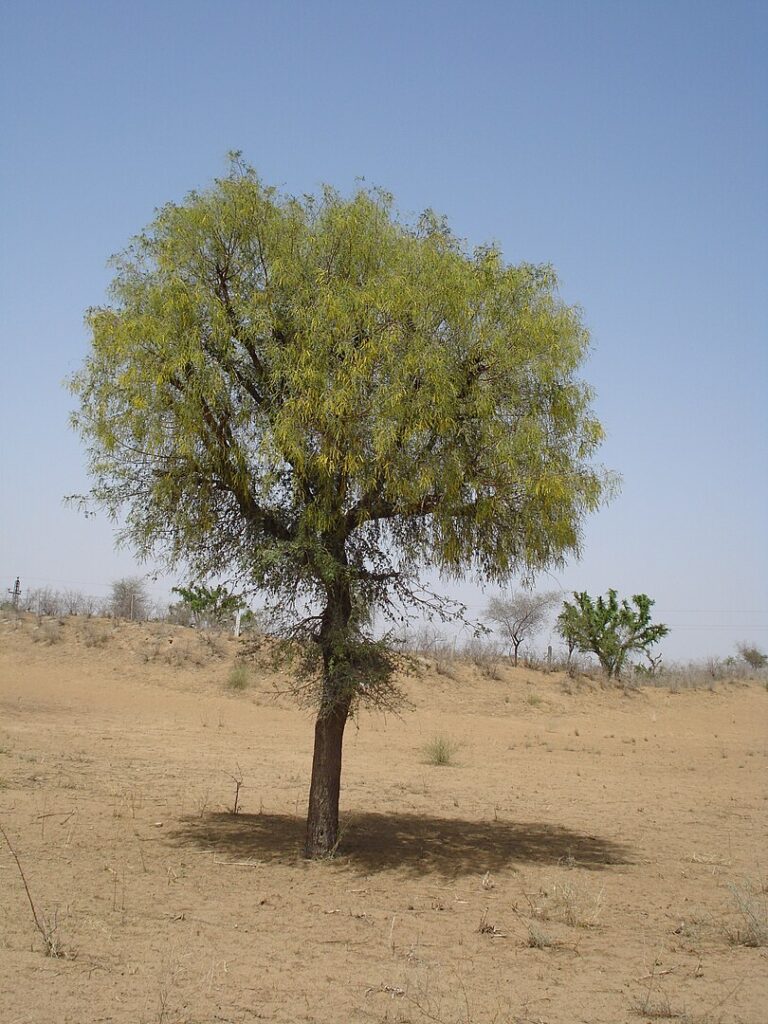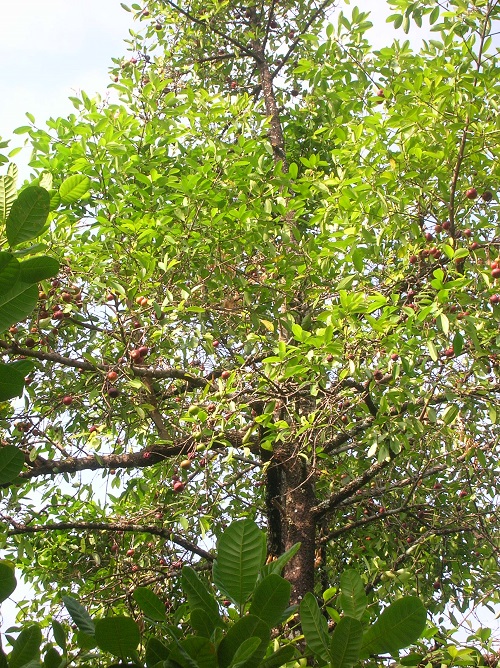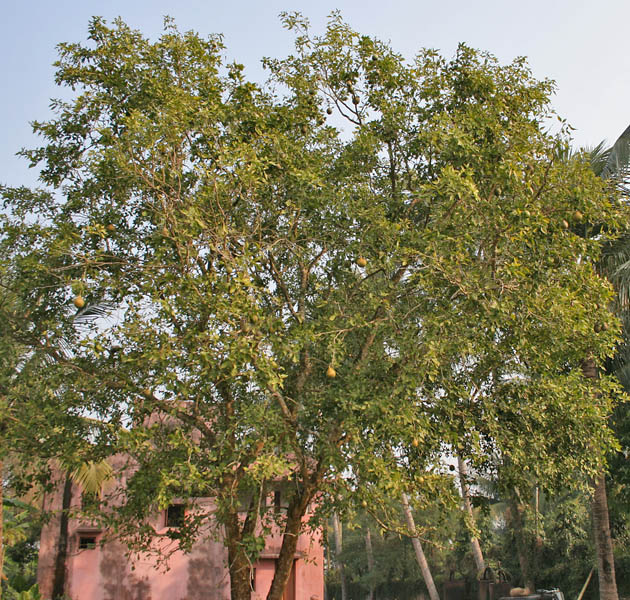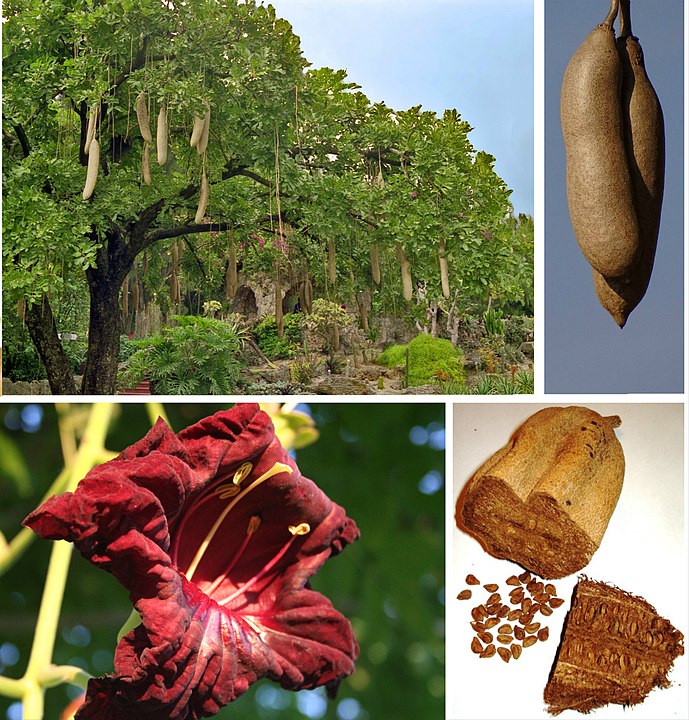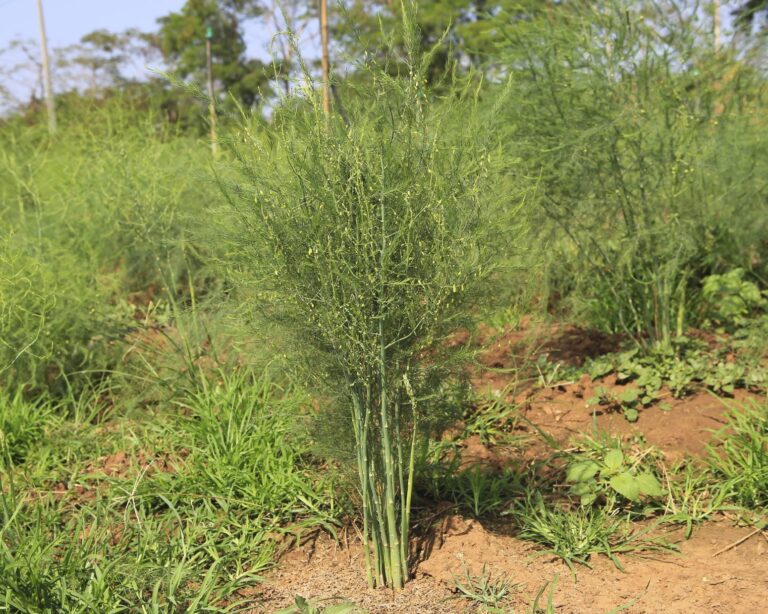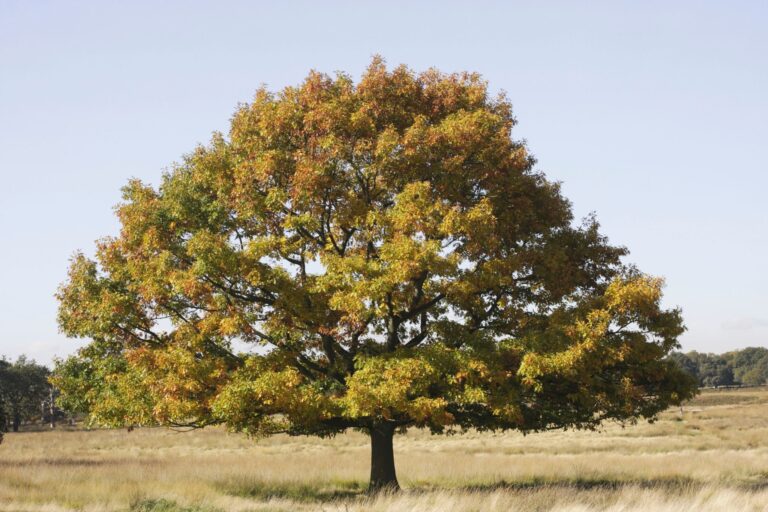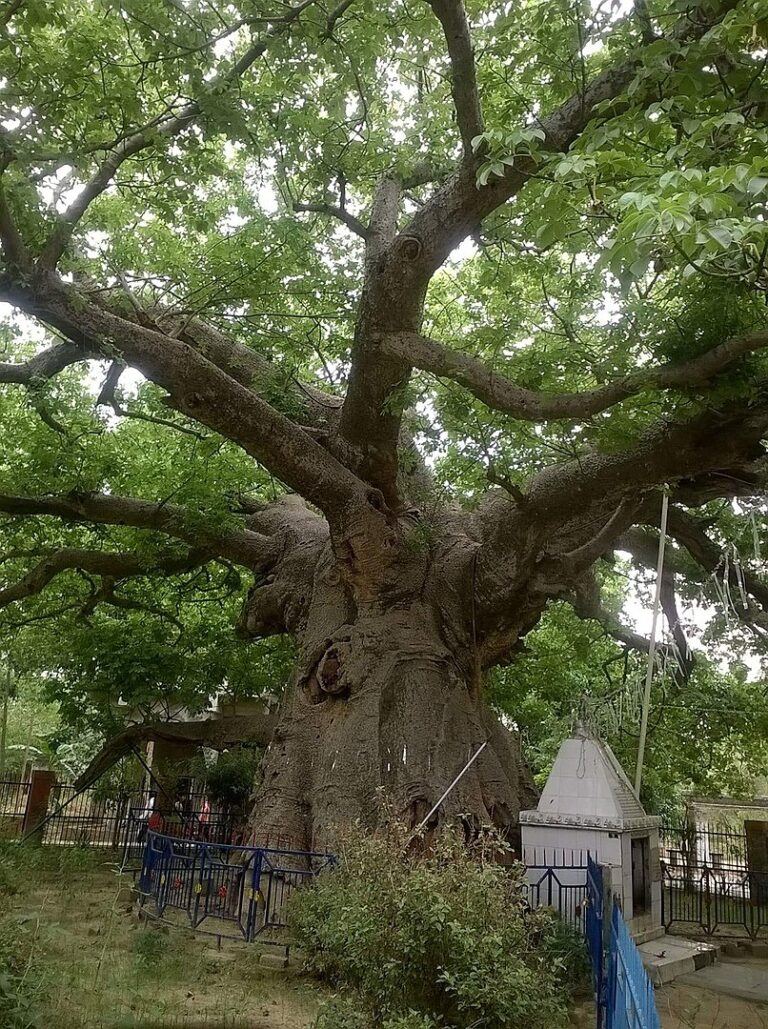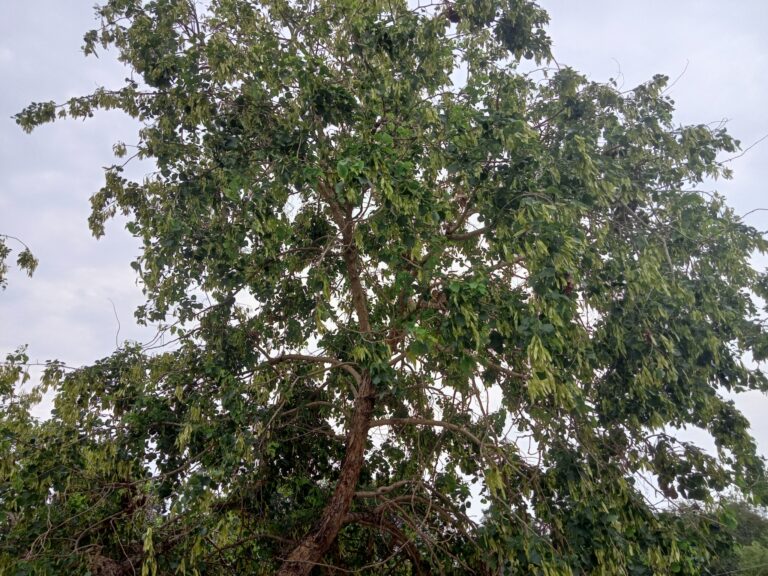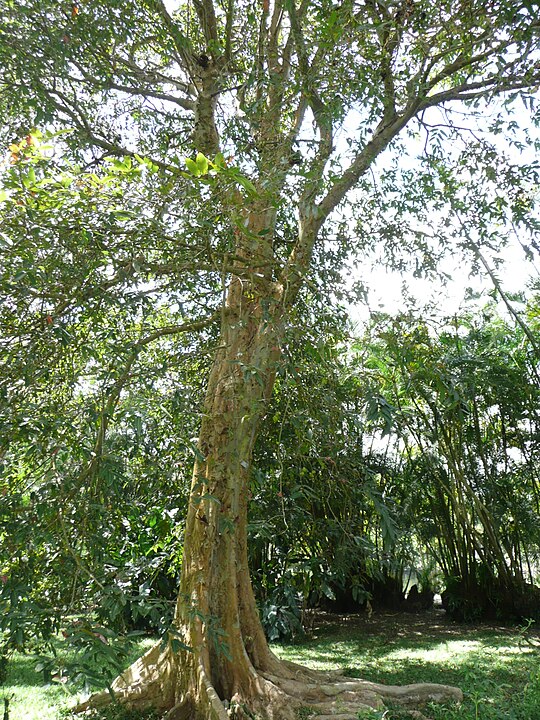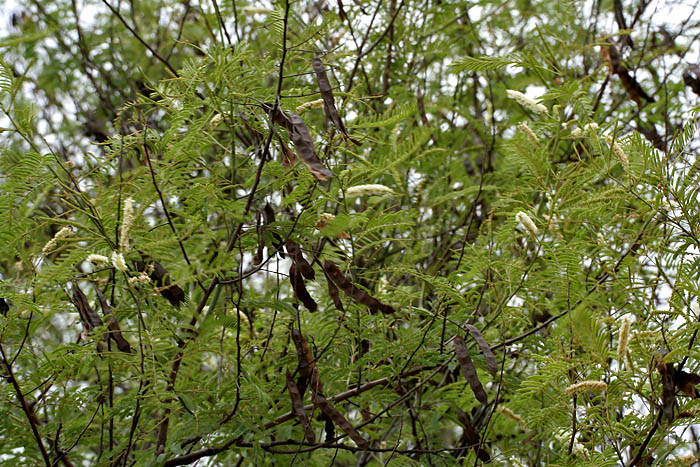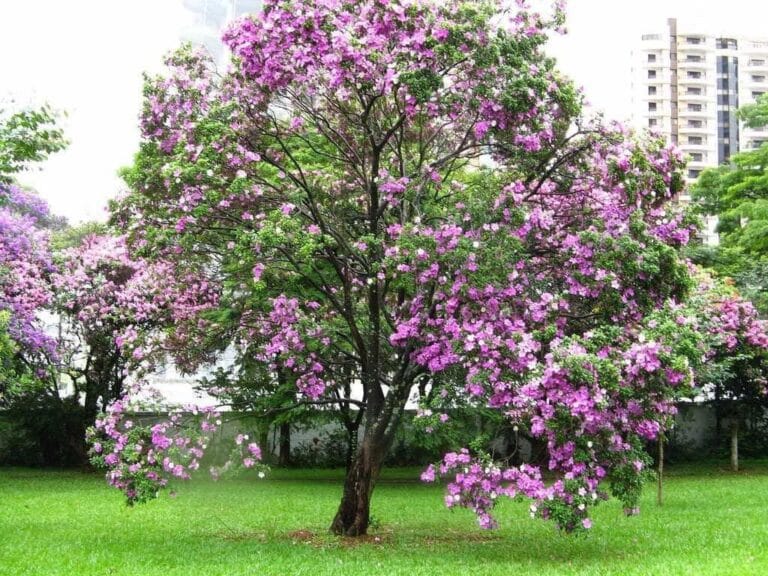
In the vast realm of nature, certain treasures remain hidden, awaiting discovery by those curious enough to seek them out. One such gem is the Kachar Tree, revered for its myriad uses and remarkable benefits. Join us on a journey as we unveil the secrets of this extraordinary botanical wonder.
Unveiling the Kachar Tree: A Natural Marvel
The Kachar Tree, scientifically known as Achyranthes aspera, is a species deeply entrenched in traditional medicine and cultural practices across various regions of the world. Commonly found in tropical and subtropical climates, this perennial plant boasts a rich history dating back centuries, where it has been utilized for its diverse therapeutic properties.
Utilitarian Wonders: Exploring the Uses of the Kachar Tree
From its roots to its leaves, every part of the Kachar Tree holds significance in various applications:
- Medicinal Marvel: In traditional Ayurvedic and herbal medicine systems, the Kachar Tree is revered for its medicinal properties. Its extracts are believed to possess anti-inflammatory, analgesic, and antipyretic qualities, making it a valuable ingredient in treating a range of ailments, from rheumatism to respiratory disorders.
- Cultural Significance: Beyond its medicinal uses, the Kachar Tree holds cultural significance in many communities. In certain rituals and ceremonies, its leaves are employed for their symbolic value, signifying purification and spiritual cleansing.
- Environmental Guardian: With its deep-rooted system, the Kachar Tree plays a vital role in soil conservation and erosion control. Its presence in ecosystems helps maintain soil stability and prevent degradation, contributing to environmental sustainability.
- Livestock Forage: In agricultural settings, the Kachar Tree serves as a valuable source of forage for livestock, providing nourishment and sustenance to animals.
Unlocking the Benefits: Harnessing the Power of the Kachar Tree
The benefits of the Kachar Tree extend beyond its immediate applications, offering a holistic approach to well-being and environmental stewardship:
- Natural Healing: Incorporating Kachar Tree extracts into wellness routines can offer a natural alternative for managing various health conditions, promoting holistic healing without the side effects often associated with synthetic medications.
- Sustainable Practices: Cultivating and preserving Kachar Trees supports sustainable agricultural practices and biodiversity conservation, fostering resilience in ecosystems and communities alike.
- Cultural Heritage Preservation: By embracing the traditional uses of the Kachar Tree, we honor the cultural heritage of indigenous communities and preserve valuable knowledge passed down through generations.
Conclusion: Embracing Nature’s Bounty
In a world increasingly reliant on synthetic solutions, the Kachar Tree stands as a testament to the enduring wisdom of nature. Its multifaceted uses, coupled with its ecological benefits, underscore the importance of preserving and harnessing the power of botanical treasures like the Kachar Tree. As we continue to explore the boundless wonders of the natural world, let us embrace the lessons it offers and tread lightly upon the earth, mindful of our role as stewards of its splendor.
Explore more about the Kachar Tree and unlock the secrets of this botanical marvel for yourself. Experience the transformative potential of nature’s bounty and embark on a journey of discovery and holistic well-being.
Stay connected with Digi Study Lab.in for more insights into the wonders of nature and the world around us. Let’s embark on this journey together, as we delve into the realms of knowledge and enlightenment.
Unveiling the Kachar Tree: A Natural Marvel
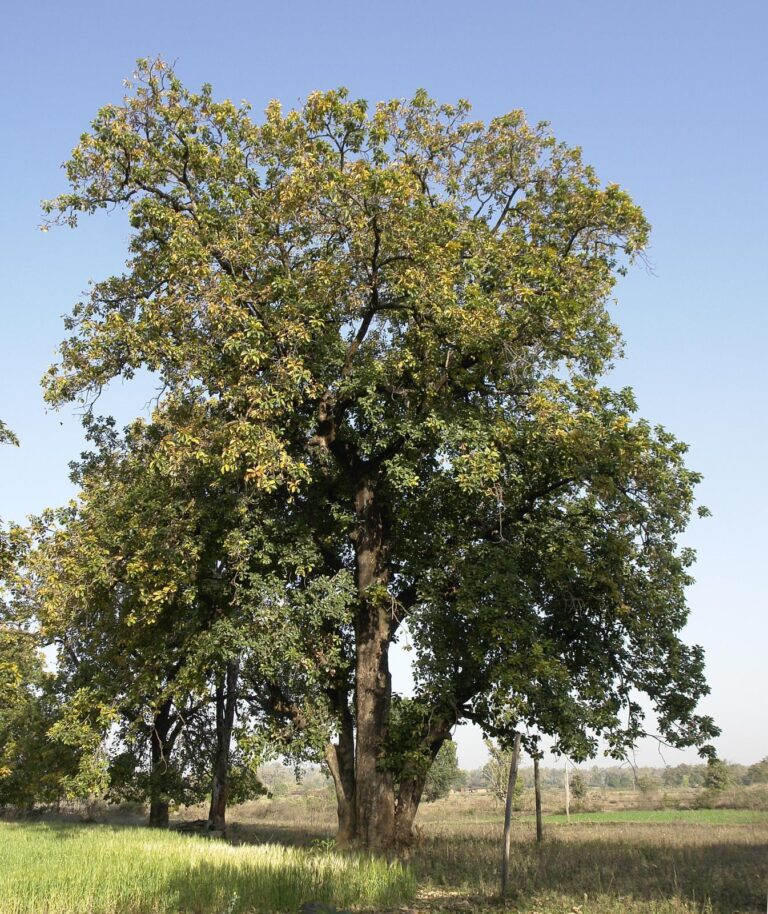
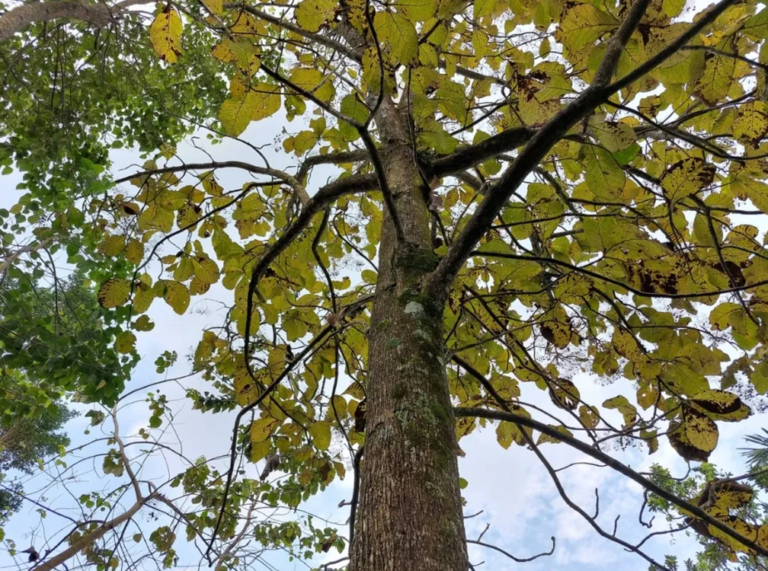
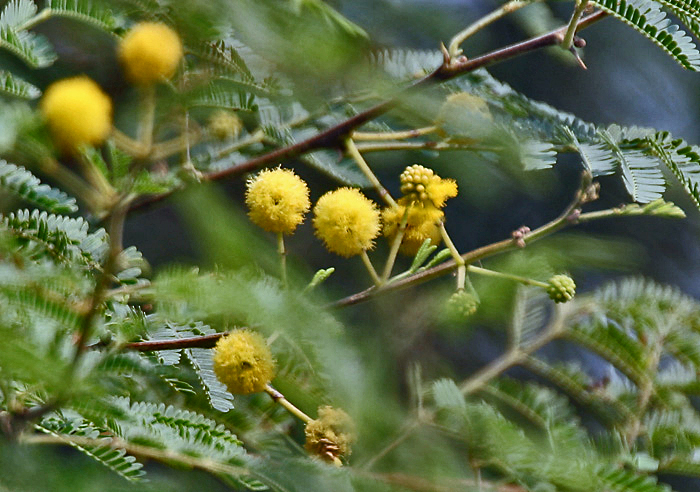
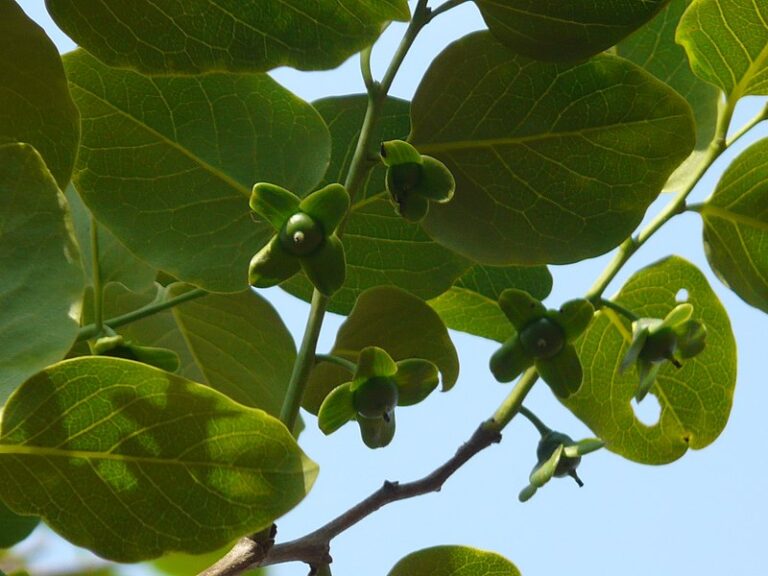
The Kachar Tree, also known as Achyranthes aspera, belongs to the family Amaranthaceae and is native to Asia, Africa, and Australia. Its distinctive appearance, characterized by its slender stems, elliptical leaves, and small, greenish-white flowers, makes it easily recognizable in its natural habitat.
Cultural Significance and Traditional Wisdom
Throughout history, the Kachar Tree has been revered for its role in traditional medicine and cultural practices. In Ayurveda, the ancient Indian system of medicine, it is classified as a ‘rasayana,’ or rejuvenating herb, prized for its ability to promote vitality and longevity. Additionally, various indigenous communities have incorporated the Kachar Tree into their rituals and ceremonies, attributing spiritual significance to its presence.
Exploring the Therapeutic Potential
The therapeutic properties of the Kachar Tree are attributed to its diverse array of bioactive compounds, including alkaloids, flavonoids, and saponins. These compounds exhibit a range of pharmacological effects, such as anti-inflammatory, analgesic, and antimicrobial activities, which form the basis of its traditional medicinal uses.
In Ayurvedic medicine, the Kachar Tree is employed in the treatment of numerous ailments, including:
- Respiratory disorders: Its expectorant and bronchodilator properties make it effective in relieving symptoms of asthma, bronchitis, and cough.
- Rheumatic conditions: The anti-inflammatory and analgesic actions of Kachar Tree extracts help alleviate pain and inflammation associated with arthritis and other musculoskeletal disorders.
- Gastrointestinal ailments: Its carminative and digestive properties aid in soothing digestive discomfort and promoting gastrointestinal health.
Environmental Guardianship and Ecological Importance
Beyond its medicinal and cultural significance, the Kachar Tree plays a crucial role in environmental conservation and ecosystem stability. Its deep-reaching roots help prevent soil erosion, especially in areas prone to erosion and landslides. By anchoring the soil and enhancing its structure, the Kachar Tree contributes to soil fertility and moisture retention, fostering a conducive environment for plant growth and biodiversity.
Furthermore, the presence of Kachar Trees in agroforestry systems promotes sustainable land management practices, enhancing soil health and agricultural productivity while mitigating the adverse effects of climate change.
Embracing a Sustainable Future
As we navigate the complexities of the modern world, it is essential to recognize and embrace the inherent wisdom of nature. The Kachar Tree serves as a poignant reminder of the interconnectedness of all living beings and the profound impact of our actions on the environment.
By incorporating traditional knowledge and sustainable practices into our lives, we can harness the transformative power of botanical treasures like the Kachar Tree while fostering harmony between humanity and the natural world.
Conclusion: A Tapestry of Tradition and Innovation
In conclusion, the Kachar Tree represents a harmonious blend of tradition and innovation, offering a wealth of benefits for human health and ecological well-being. From its roots steeped in ancient wisdom to its branches reaching towards a sustainable future, the Kachar Tree continues to inspire awe and reverence in those who seek to unlock its secrets.
As we embark on this journey of discovery and exploration, let us remember the profound lessons imparted by nature and strive to preserve and protect its precious gifts for generations to come.
Join us at Digi Study Lab.in as we delve deeper into the wonders of the natural world and uncover the hidden treasures that lie within. Together, let us embark on a journey of discovery, enlightenment, and sustainable living.
Exploring the Kachar Tree: Taxonomy, Distribution, Ecology, and More
Taxonomy: Understanding the Botanical Identity
The Kachar Tree, scientifically known as Achyranthes aspera, belongs to the family Amaranthaceae. It is a perennial herbaceous plant characterized by its slender stems, elliptical leaves, and small greenish-white flowers. Achyranthes aspera is further classified into various subspecies and varieties based on morphological characteristics and geographical distribution.
Distribution: Unveiling its Geographic Reach
The Kachar Tree is native to diverse regions across Asia, Africa, and Australia. It thrives in tropical and subtropical climates, where it can be found growing wild in a variety of habitats, including forests, grasslands, and disturbed areas. Its adaptability to different environmental conditions has contributed to its widespread distribution and abundance in many parts of the world.
Ecology: Exploring its Role in Ecosystem Dynamics
The ecological significance of the Kachar Tree extends beyond its aesthetic appeal, encompassing various aspects of ecosystem dynamics and biodiversity conservation. As a pioneer species, it plays a crucial role in ecological succession, colonizing disturbed habitats and facilitating the establishment of other plant species. Its deep-rooted system helps stabilize soil structure, prevent erosion, and enhance soil fertility, thereby creating favorable conditions for plant growth and ecosystem resilience.
Moreover, the Kachar Tree serves as a valuable resource for numerous wildlife species, providing food, shelter, and nesting sites for birds, insects, and small mammals. Its presence in natural ecosystems contributes to the overall health and functioning of terrestrial ecosystems, highlighting its importance in maintaining ecological balance and biodiversity.
Cultural Significance: Reverence and Traditional Wisdom
Throughout history, the Kachar Tree has held cultural significance in many indigenous communities, where it is revered for its medicinal properties and spiritual symbolism. In traditional medicine systems such as Ayurveda, it is valued for its therapeutic effects on various health conditions, including respiratory disorders, rheumatic ailments, and gastrointestinal issues. Additionally, the Kachar Tree is often incorporated into rituals and ceremonies, where its leaves are used for their symbolic value, signifying purification and spiritual cleansing.
Conservation Status: Nurturing a Sustainable Future
Despite its widespread distribution, the Kachar Tree faces threats from habitat loss, deforestation, and unsustainable land management practices. In response to these challenges, efforts are underway to conserve and protect populations of Achyranthes aspera through habitat restoration, conservation education, and sustainable land use practices. By promoting awareness of its ecological importance and fostering collaboration among stakeholders, conservation initiatives aim to ensure the long-term survival and vitality of this botanical treasure for future generations to enjoy.
Conclusion: Embracing Nature’s Bounty
In conclusion, the Kachar Tree stands as a testament to the remarkable diversity and resilience of life on Earth. Its taxonomic identity, distributional range, ecological role, and cultural significance weave a tapestry of interconnectedness that underscores the intrinsic value of biodiversity and the importance of conservation efforts.
As stewards of the planet, it is our collective responsibility to nurture and protect the natural world, preserving its treasures for generations to come. By embracing the lessons of traditional wisdom and scientific inquiry, we can forge a path towards a more sustainable and harmonious relationship with nature, where the Kachar Tree and other botanical wonders continue to thrive and inspire awe in all who encounter them.
Join us at Digi Study Lab.in as we continue to explore the wonders of the natural world and celebrate the beauty and diversity of life on Earth. Together, let us embark on a journey of discovery, conservation, and stewardship as we strive to build a brighter future for all living beings.