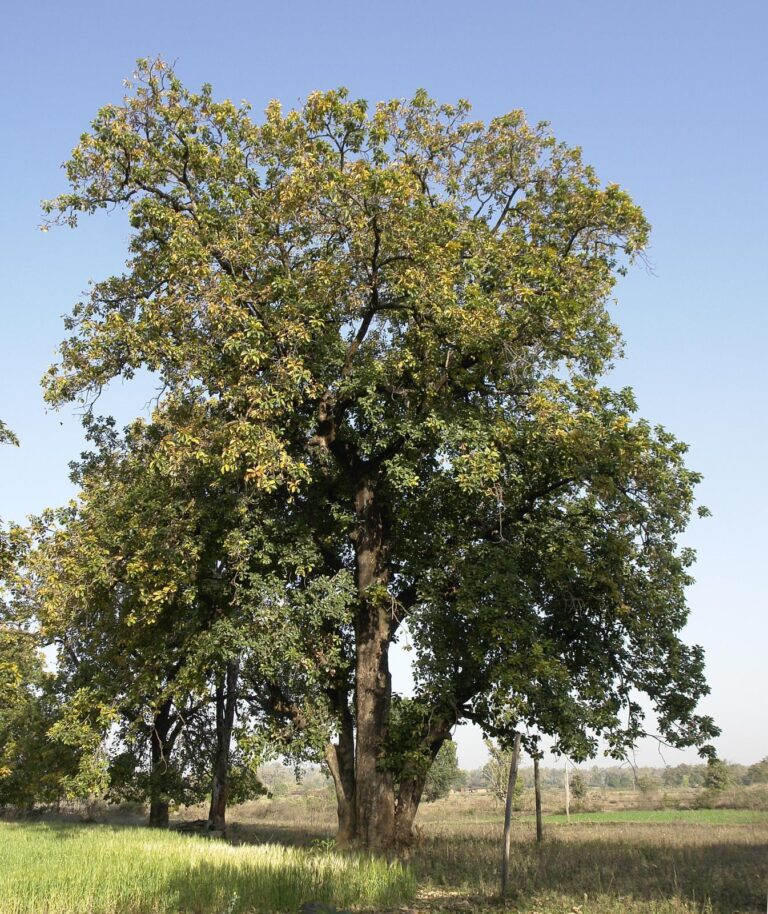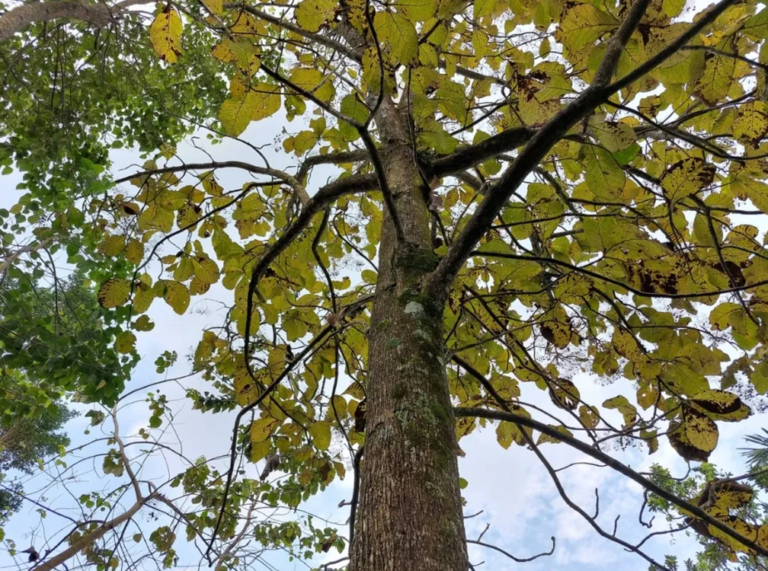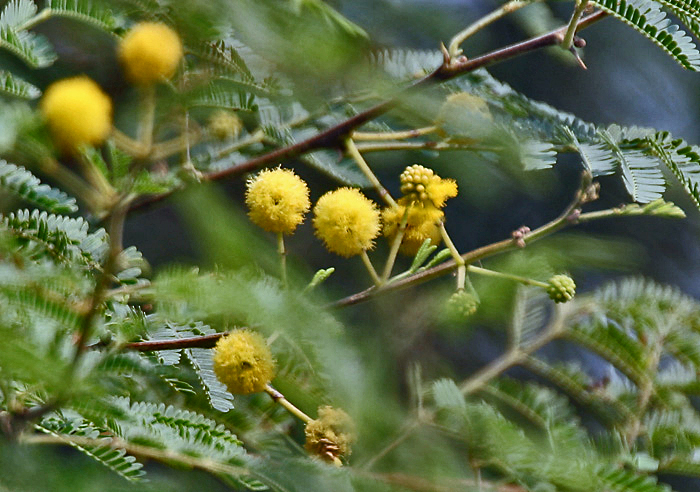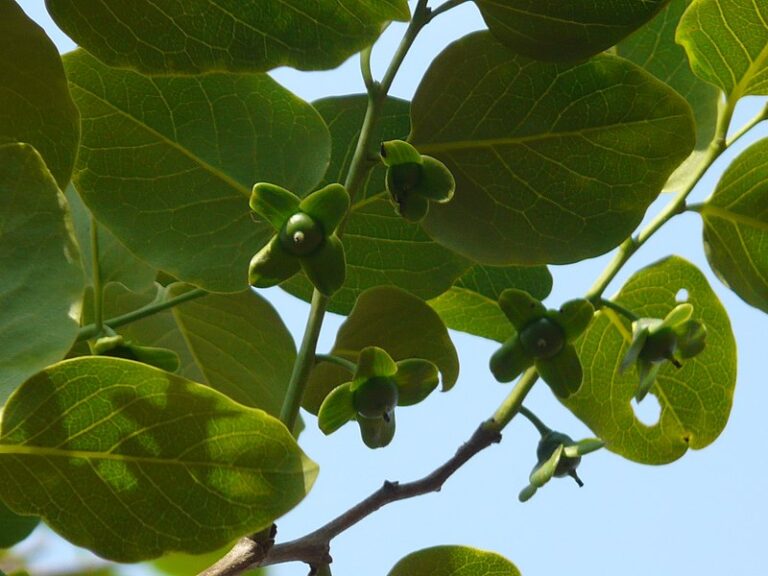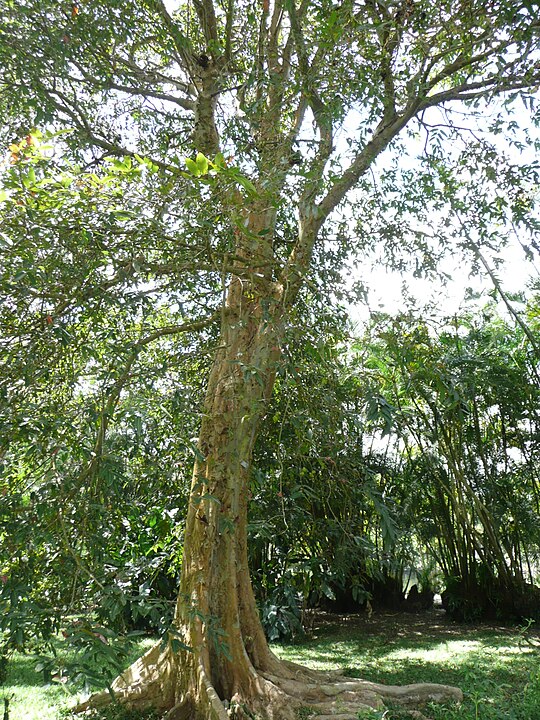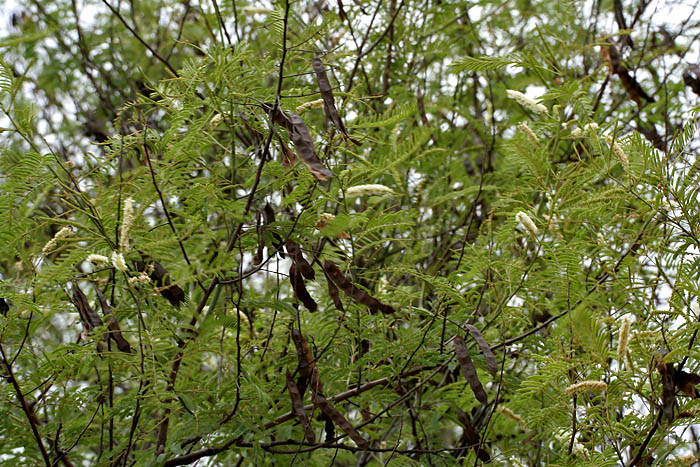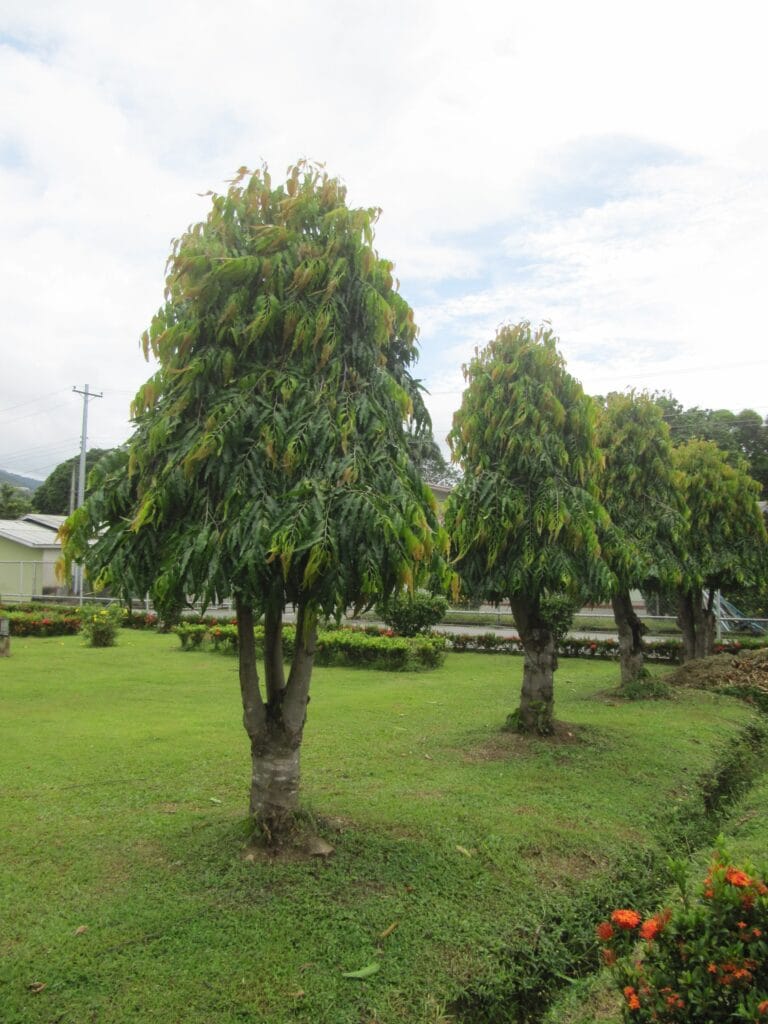
In the realm of nature’s bounty, there exists a tree that stands as a symbol of resilience, beauty, and immense significance – the Ashoka tree (Saraca asoca). Revered for its myriad uses and countless benefits, this magnificent specimen has woven itself into the fabric of cultural and traditional practices across the Indian subcontinent. Join us on a journey to explore the fascinating world of the Ashoka tree, uncovering its versatile nature, therapeutic properties, and ecological importance.
Embracing Nature’s Elegance: The Ashoka Tree
Origins and Appearance:
Native to the Indian subcontinent, the Ashoka tree is hailed for its graceful stature and vibrant foliage. Its botanical name, Saraca asoca, translates to ‘sorrow-less,’ a fitting tribute to its historical significance in alleviating ailments of the mind and spirit. With dense clusters of fragrant, orange-yellow flowers adorning its branches, the Ashoka tree stands as a testament to nature’s splendor.
Cultural Significance:
Entwined with mythology and folklore, the Ashoka tree occupies a sacred space in Indian culture. Revered by Hindus, Buddhists, and Jains alike, it is often associated with love, fertility, and prosperity. Legend has it that the Ashoka tree blossomed under the patronage of gods, exuding an aura of tranquility and auspiciousness.
Unveiling the Multifaceted Utility of the Ashoka Tree
Medicinal Marvel:
In traditional Ayurvedic medicine, every part of the Ashoka tree holds therapeutic value. From its bark to its leaves and flowers, each component is treasured for its healing properties. The bark, in particular, is revered for its astringent, anti-inflammatory, and analgesic attributes, making it a cornerstone in treating various ailments, including dysentery, uterine disorders, and skin conditions.
Environmental Guardian:
Beyond its medicinal prowess, the Ashoka tree serves as a stalwart guardian of the environment. Renowned for its ability to thrive in diverse ecosystems, it plays a pivotal role in soil conservation, erosion control, and biodiversity preservation. With its extensive root system and dense foliage, the Ashoka tree acts as a natural carbon sink, mitigating the adverse effects of climate change and fostering ecological resilience.
Aesthetic Enchantment:
Adored for its ornamental value, the Ashoka tree lends a touch of ethereal beauty to landscapes, gardens, and public spaces. Its vibrant flowers and lush foliage serve as a visual spectacle, attracting myriad pollinators and admirers alike. From traditional ceremonies to contemporary landscaping endeavors, the Ashoka tree continues to captivate hearts with its timeless allure.
Harnessing the Power of the Ashoka Tree: Practical Applications
Traditional Remedies:
In rural communities across India, the Ashoka tree remains an invaluable source of traditional remedies and folk medicine. From concoctions to poultices, its medicinal derivatives offer solace to those in need, embodying the age-old wisdom of natural healing practices.
Herbal Preparations:
In the realm of Ayurveda and herbal medicine, the Ashoka tree serves as a cornerstone ingredient in various formulations. Whether infused in teas, tinctures, or topical ointments, its therapeutic compounds continue to provide relief and rejuvenation to countless individuals seeking holistic wellness.
Environmental Restoration:
Recognizing its ecological significance, conservationists and environmentalists advocate for the preservation and propagation of the Ashoka tree. Through afforestation initiatives and sustainable land management practices, efforts are underway to safeguard its habitat and promote biodiversity conservation on a global scale.
Conclusion: Embracing the Legacy of the Ashoka Tree
As we navigate the complexities of modern existence, the timeless wisdom of nature beckons us to reconnect with the wonders of the natural world. In the Ashoka tree, we find not only a symbol of beauty and resilience but also a beacon of hope and healing for generations to come. Let us cherish and honor its legacy, embracing the boundless gifts it bestows upon humanity and the planet we call home.
In the tapestry of life, the Ashoka tree stands as a testament to the enduring power of nature’s grace. As we marvel at its splendor and embrace its myriad benefits, let us heed the call to stewardship and preservation, ensuring that future generations may bask in its shade and marvel at its majesty.
At Digi Study Lab.in, we invite you to delve deeper into the wonders of the natural world, discovering the treasures that await in every leaf, petal, and branch. Join us on a journey of exploration and enlightenment, as we celebrate the timeless allure of the Ashoka tree and the boundless wonders of the natural world.
Taxonomy of the Ashoka Tree:
Scientifically classified as Saraca asoca, the Ashoka tree belongs to the Fabaceae family, commonly known as the pea or legume family. Within the genus Saraca, it is the sole species, distinguished by its unique morphology, medicinal properties, and cultural significance. Taxonomically, it shares ancestry with other flowering plants characterized by leguminous fruits and nitrogen-fixing capabilities, highlighting its ecological importance within diverse ecosystems.
Distribution of the Ashoka Tree:
Endemic to the Indian subcontinent, the Ashoka tree thrives in tropical and subtropical regions characterized by warm, humid climates. Its natural range encompasses the foothills of the Eastern Himalayas, extending southwards into the Western Ghats and Sri Lanka. Within this geographical expanse, it inhabits a variety of habitats, including moist deciduous forests, riverbanks, and rocky slopes, showcasing its adaptability to diverse soil types and environmental conditions.
Ecology of the Ashoka Tree:
Ecologically, the Ashoka tree plays a multifaceted role in sustaining biodiversity, soil fertility, and ecosystem resilience. As a pioneer species in disturbed habitats, it colonizes barren landscapes, stabilizes soil substrates, and facilitates the establishment of secondary vegetation. Through its symbiotic relationship with nitrogen-fixing bacteria, it enriches the soil with essential nutrients, promoting plant growth and ecosystem productivity. Moreover, its dense canopy provides habitat and food sources for a myriad of wildlife species, including birds, insects, and mammals, thus contributing to ecological balance and species diversity.
Habitat Preferences and Adaptations:
The Ashoka tree exhibits remarkable adaptability to a wide range of environmental conditions, owing to its physiological adaptations and life history traits. It thrives in semi-evergreen and moist deciduous forests, where it receives adequate sunlight, moisture, and nutrients for optimal growth and reproduction. With its deep root system and drought-resistant characteristics, it can withstand periods of water scarcity and soil nutrient depletion, enabling it to colonize diverse habitats and endure harsh environmental conditions.
Reproductive Biology and Dispersal:
Reproductively, the Ashoka tree employs various strategies for seed dispersal and propagation. Its vibrant, fragrant flowers attract pollinators such as bees, butterflies, and birds, facilitating cross-pollination and genetic diversity. Upon fertilization, the tree produces elongated pods containing numerous seeds, which are dispersed by wind, water, or animals to new habitats. Germination typically occurs in moist, well-drained soils, where seedlings establish and develop into mature trees, perpetuating the species’ presence across landscapes.
Conservation Status and Threats:
Despite its cultural significance and ecological value, the Ashoka tree faces various conservation challenges, including habitat loss, deforestation, and overexploitation for medicinal purposes. In recent decades, anthropogenic activities such as urbanization, agriculture expansion, and illegal logging have contributed to the degradation of its natural habitat and decline in population numbers. Furthermore, climate change-induced phenomena such as erratic rainfall patterns and temperature fluctuations pose additional threats to its survival and reproductive success. In response, conservation efforts are underway to safeguard remaining populations, restore degraded habitats, and raise awareness about the importance of preserving this iconic species for future generations.