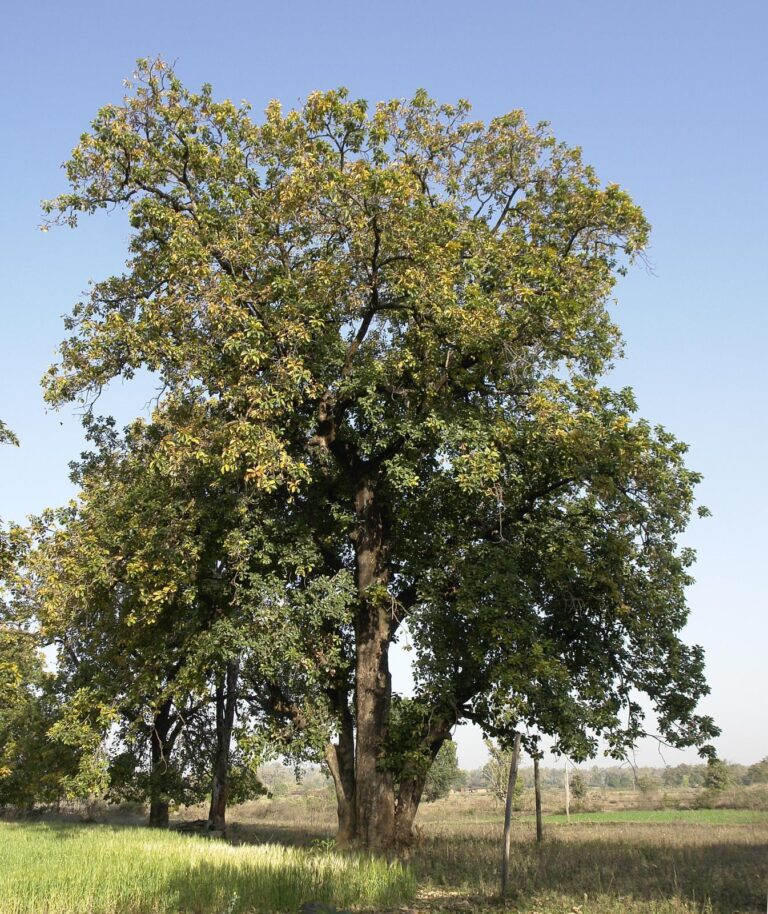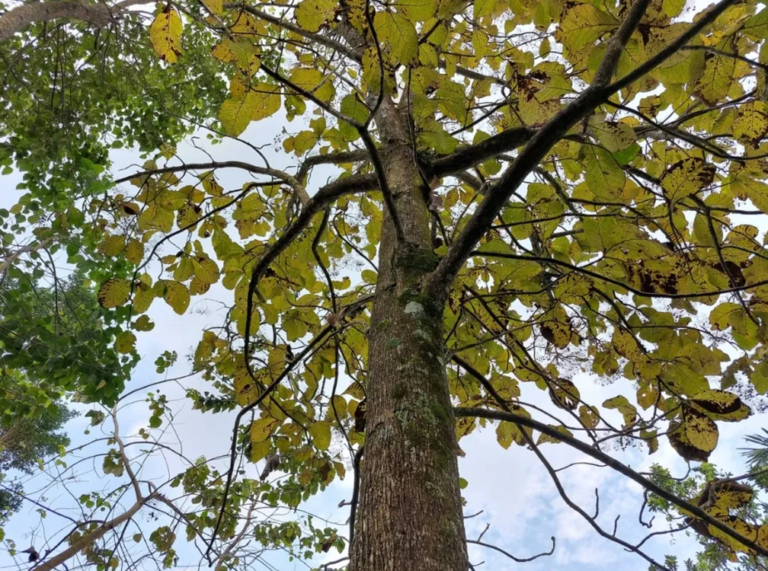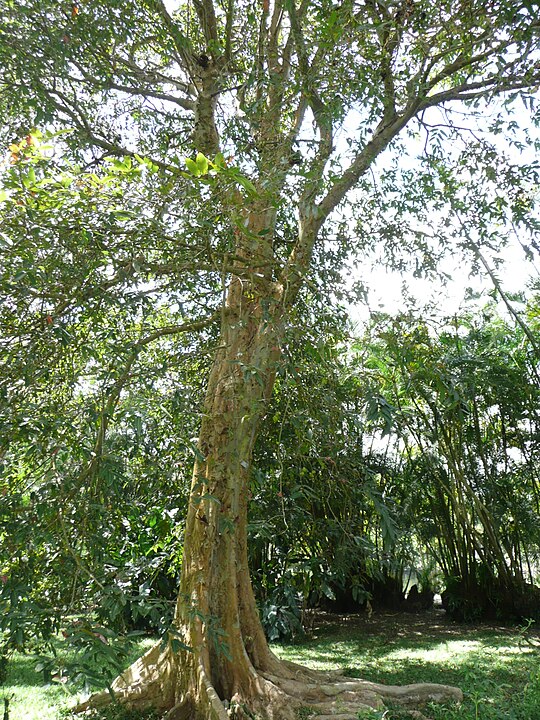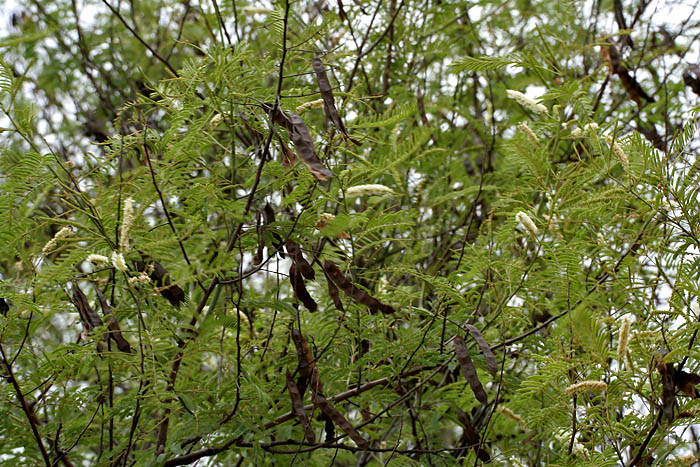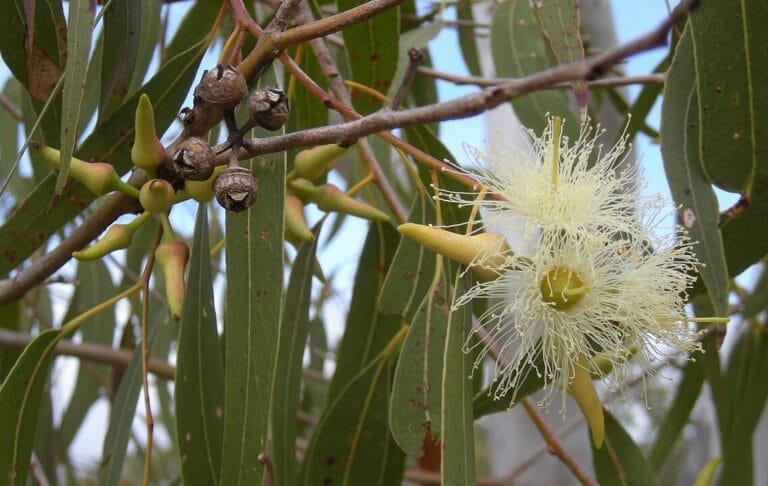
In the vast tapestry of nature’s offerings, few trees stand as tall and noble as the Eucalyptus. With its distinctive aroma and myriad of uses, the Eucalyptus tree has captured the imagination of many, earning its place as a symbol of resilience and versatility. Join us as we delve into the enchanting world of Eucalyptus, exploring its uses, benefits, and much more.
The Majesty of Eucalyptus
Eucalyptus, belonging to the genus Eucalyptus, comprises over 700 species, most of which are native to Australia. Renowned for their towering height and aromatic leaves, these trees have found homes in various regions across the globe, thriving in diverse climates.
Unveiling the Uses
1. Medicinal Marvel:
Eucalyptus leaves contain essential oils rich in compounds like eucalyptol, known for their therapeutic properties. From soothing respiratory ailments to relieving muscle pain, Eucalyptus is hailed for its medicinal prowess.
2. Aromatherapy Aid:
The invigorating scent of Eucalyptus oil is a staple in aromatherapy, renowned for its ability to uplift mood, ease stress, and promote relaxation. Whether diffused or applied topically, its aroma is a beacon of tranquility.
3. Natural Pest Repellent:
Eucalyptus oil serves as a natural deterrent against pests like mosquitoes and ticks. Its potent scent acts as a barrier, keeping unwanted insects at bay without the need for harmful chemicals.
4. Timber Treasure:
Eucalyptus wood, prized for its strength and durability, finds utility in various applications, including furniture, flooring, and construction. Its versatility and resistance to decay make it a preferred choice for many.
Environmental Benefits
Beyond its practical uses, the Eucalyptus tree plays a vital role in environmental conservation:
- Carbon Sink: Eucalyptus forests act as significant carbon sinks, absorbing carbon dioxide from the atmosphere and mitigating climate change.
- Soil Stabilization: The extensive root system of Eucalyptus trees helps prevent soil erosion, preserving vital ecosystems and protecting against natural disasters.
Cultivating Eucalyptus: Tips and Considerations
Growing Eucalyptus trees requires careful planning and attention to their specific needs. Here are some essential tips for cultivation:
- Climate Compatibility: Select Eucalyptus species suited to your climate to ensure optimal growth and health.
- Well-Drained Soil: Eucalyptus thrives in well-drained soil with good aeration. Avoid waterlogged conditions to prevent root rot.
- Pruning Practices: Regular pruning helps maintain the desired shape and encourages healthy growth. Remove dead or diseased branches to promote vitality.
Conclusion: Embracing the Eucalyptus Legacy
In conclusion, the Eucalyptus tree stands as a testament to nature’s ingenuity, offering a plethora of benefits to mankind and the environment alike. From its medicinal marvels to its ecological contributions, the Eucalyptus continues to inspire awe and admiration. So, the next time you encounter this majestic tree, take a moment to appreciate its splendor and significance in the grand tapestry of life.
With its myriad uses and undeniable allure, the Eucalyptus tree is indeed a treasure worth cherishing.
Discover more about nature’s wonders and unlock the secrets of the Eucalyptus tree at DigiStudyLab.in!
Digi Study Lab.in: Your Gateway to Knowledge & Discovery
Exploring Eucalyptus Varieties
While the genus Eucalyptus boasts over 700 species, some stand out for their distinct characteristics and uses:
- Eucalyptus globulus (Blue Gum): Known for its towering height and blue-green foliage, this species is prized for its essential oil, used in aromatherapy and medicinal preparations.
- Eucalyptus citriodora (Lemon-Scented Gum): As the name suggests, this variety emanates a refreshing lemon fragrance. Its oil is popular in perfumery and insect repellents.
- Eucalyptus deglupta (Rainbow Eucalyptus): Admired for its stunning multicolored bark, this species adds a vibrant splash of hues to landscapes. Native to Southeast Asia, it thrives in tropical climates.
- Eucalyptus camaldulensis (River Red Gum): Commonly found along riverbanks, this species is prized for its dense, durable timber and resilience to drought.
Harnessing the Power of Eucalyptus Oil
Eucalyptus oil, derived from the leaves of the Eucalyptus tree, is a potent elixir with a multitude of applications:
- Respiratory Relief: Inhaling steam infused with Eucalyptus oil can help alleviate congestion, coughs, and sinus discomfort, providing relief during cold and flu season.
- Muscle Soother: Diluted Eucalyptus oil can be massaged onto sore muscles and joints to ease tension and promote relaxation, making it a favorite among athletes and wellness enthusiasts.
- Natural Disinfectant: Due to its antimicrobial properties, Eucalyptus oil is an effective disinfectant for household surfaces, offering a safer alternative to harsh chemical cleaners.
Sustainability Considerations
While Eucalyptus trees offer numerous benefits, it’s essential to approach their cultivation and utilization with sustainability in mind:
- Biodiversity Conservation: Prioritize the preservation of native habitats and ecosystems when planting Eucalyptus trees, ensuring minimal disruption to local flora and fauna.
- Responsible Harvesting: Adopt sustainable forestry practices to mitigate the environmental impact of timber extraction, including reforestation efforts and selective logging techniques.
- Community Engagement: Involve local communities in Eucalyptus cultivation projects, fostering partnerships that promote socio-economic development while safeguarding natural resources.
Embracing the Eucalyptus Legacy
In essence, the Eucalyptus tree embodies nature’s resilience and generosity, offering a myriad of benefits to humanity and the planet. By harnessing its power responsibly and appreciating its beauty, we can forge a harmonious relationship with this majestic species, ensuring a sustainable future for generations to come.
Join us in celebrating the timeless allure of the Eucalyptus tree and unlock its boundless potential for health, well-being, and environmental stewardship.
Discover more about the enchanting world of Eucalyptus at DigiStudyLab.in!
Digi Study Lab.in: Your Gateway to Knowledge & Discovery
Taxonomy of Eucalyptus
The Eucalyptus tree belongs to the genus Eucalyptus, which is part of the family Myrtaceae. With over 700 recognized species, Eucalyptus encompasses a diverse range of trees and shrubs, most of which are native to Australia. These species exhibit remarkable variation in characteristics such as leaf shape, bark texture, and growth habit, contributing to the genus’s taxonomic complexity.
Distribution of Eucalyptus
Eucalyptus trees have a widespread distribution, with their native range primarily concentrated in Australia. However, due to their adaptability to various climates and soil conditions, many species have been introduced to other regions around the world. Notable areas where Eucalyptus is cultivated or naturalized include:
- Africa: Particularly in regions with Mediterranean or subtropical climates, such as South Africa and parts of North Africa.
- Americas: Eucalyptus species have been introduced to both North and South America, where they are valued for timber production, landscaping, and erosion control.
- Asia: From India to Southeast Asia, Eucalyptus trees are cultivated for their timber, essential oils, and ornamental purposes.
- Europe: Selected species of Eucalyptus have been planted in parts of Europe, especially in Mediterranean countries, for their drought tolerance and aesthetic appeal.
Ecology of Eucalyptus
Eucalyptus trees play a crucial ecological role in their native habitats and in regions where they have been introduced:
- Fire Adaptations: Many Eucalyptus species have evolved to withstand and even thrive in fire-prone environments. Their ability to resprout from epicormic buds after wildfires contributes to ecosystem regeneration and resilience.
- Wildlife Habitat: Eucalyptus forests provide habitat and food sources for a diverse array of wildlife, including koalas, birds, and insects. The nectar-rich flowers attract pollinators, while the foliage serves as shelter and sustenance for various herbivores.
- Soil Improvement: Eucalyptus trees are known for their allelopathic properties, releasing chemicals into the soil that inhibit the growth of competing vegetation. While this can sometimes lead to reduced plant diversity, it also helps suppress invasive species and improve soil fertility over time.
Conservation Challenges and Efforts
Despite their ecological significance and economic value, Eucalyptus trees face several conservation challenges:
- Invasive Potential: In some regions, certain Eucalyptus species have become invasive, outcompeting native vegetation and altering ecosystems. Effective management strategies are needed to mitigate their impact on biodiversity.
- Genetic Diversity: Intensive plantation forestry and hybridization can lead to reduced genetic diversity within Eucalyptus populations, making them more vulnerable to pests, diseases, and environmental stressors.
- Land Use Conflicts: Conflicts may arise between Eucalyptus cultivation for commercial purposes and other land uses, such as agriculture, water conservation, and indigenous land rights. Balancing these competing interests requires careful planning and stakeholder engagement.
Conclusion: Embracing Eucalyptus in a Changing World
In conclusion, the Eucalyptus tree stands as a symbol of resilience, adaptability, and ecological complexity. From its taxonomic diversity to its far-reaching distribution and intricate ecological relationships, Eucalyptus continues to captivate researchers, conservationists, and nature enthusiasts alike.
By understanding the taxonomy, distribution, ecology, and conservation challenges of Eucalyptus, we can cultivate a deeper appreciation for these remarkable trees and work towards sustainable management practices that ensure their preservation for future generations.
Explore more about the captivating world of Eucalyptus at DigiStudyLab.in!
Digi Study Lab.in: Your Gateway to Knowledge & Discovery