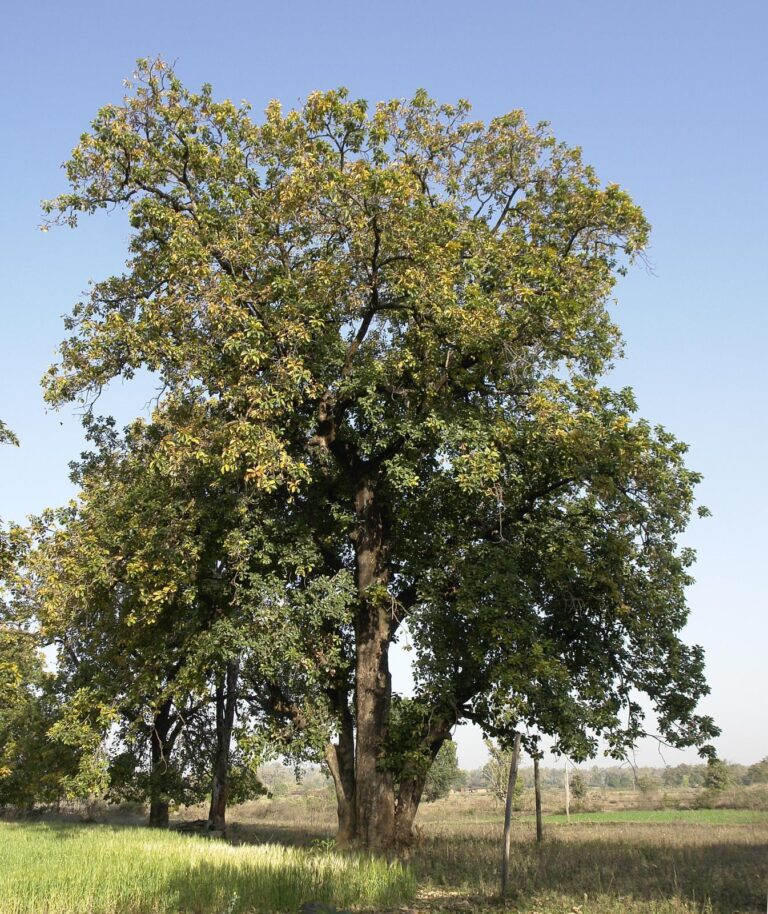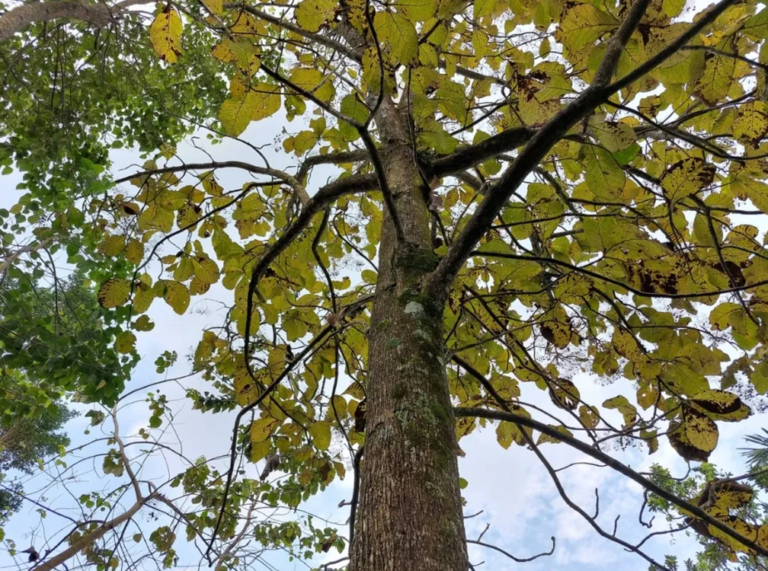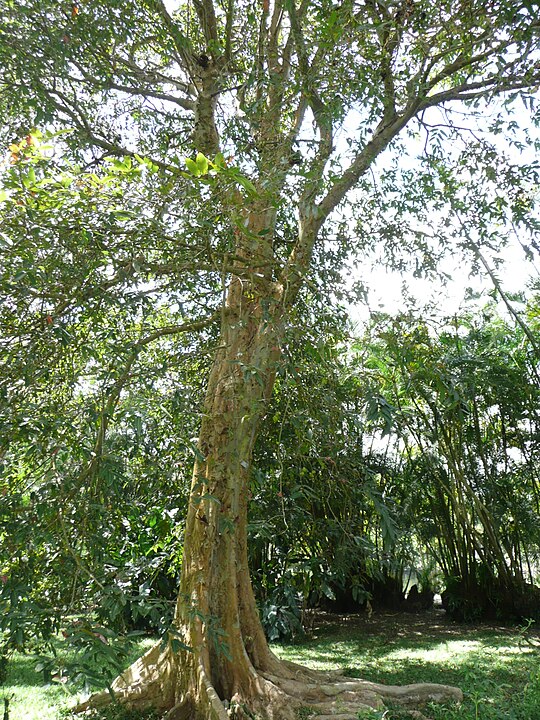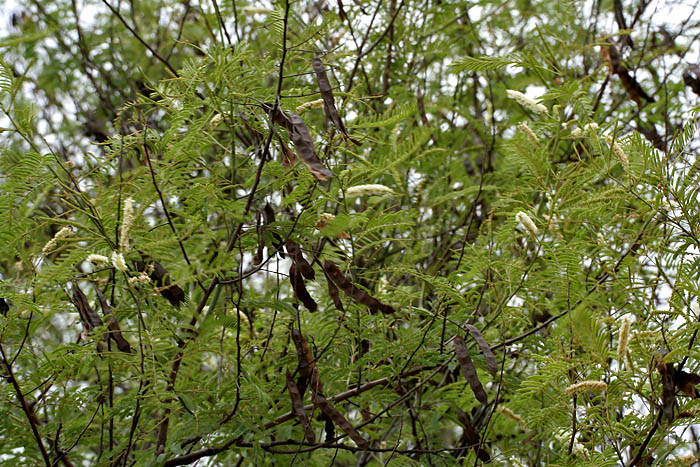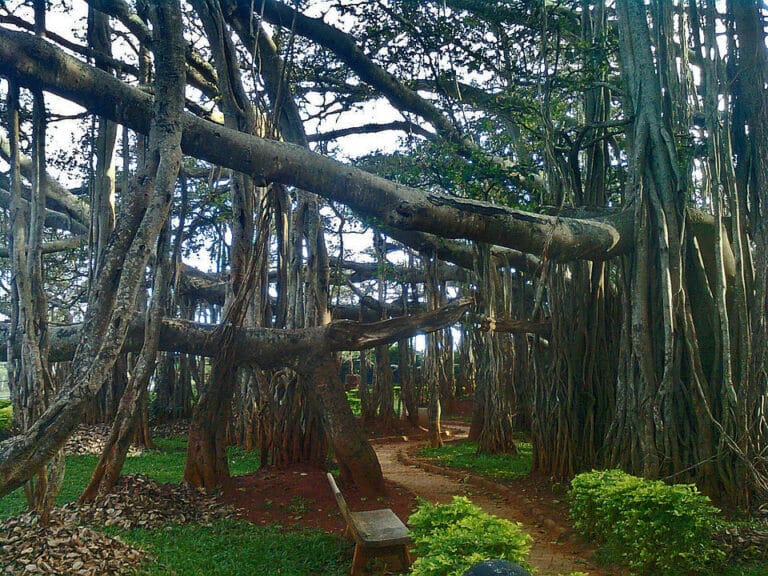
The Banyan tree, with its sprawling canopy and ethereal presence, has long captivated the imagination of poets, artists, and nature enthusiasts alike. Revered for its symbolism and revered in various cultures across the globe, this majestic tree holds a plethora of uses, benefits, and intriguing facts waiting to be discovered.
Understanding the Banyan Tree
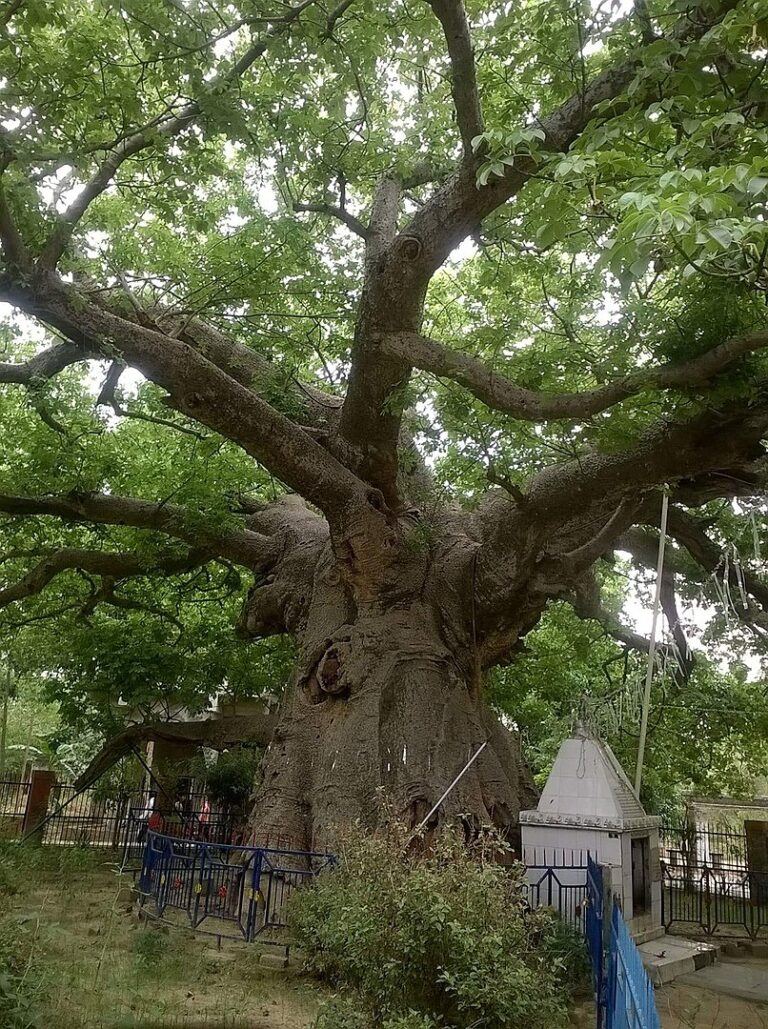
Known scientifically as Ficus Benghalensis, the Banyan tree is native to the Indian subcontinent but can also be found in other tropical regions worldwide. Its distinct aerial roots, which grow downwards and eventually become additional trunks, contribute to its unique appearance and immense size. Often referred to as the “tree of life” or the “wish-fulfilling tree,” the Banyan holds significant cultural and religious importance in Hinduism, Buddhism, and other spiritual traditions.
Utilitarian Uses
Beyond its spiritual significance, the Banyan tree offers a multitude of practical uses:
- Shade and Shelter: With its broad canopy, the Banyan provides ample shade, making it a favored spot for gatherings, picnics, and leisurely activities. Its dense foliage also serves as a natural shelter for various creatures, from birds to insects.
- Medicinal Properties: In traditional medicine systems like Ayurveda and Siddha, different parts of the Banyan tree, including its leaves, bark, and aerial roots, are utilized for their medicinal properties. These parts are believed to possess anti-inflammatory, antidiabetic, and antimicrobial properties, among others.
- Soil Conservation: The extensive root system of the Banyan tree helps prevent soil erosion, making it an invaluable asset in environmental conservation efforts, particularly in areas prone to erosion.
- Fodder and Forage: Livestock, such as goats and cows, graze on the leaves and tender shoots of the Banyan tree, providing a source of fodder in rural areas.
Cultural Significance
The Banyan tree holds a central place in various cultural practices and beliefs:
- Sacred Sites: Often found near temples, shrines, and other religious landmarks, Banyan trees are considered sacred and are adorned with offerings like flowers, incense, and sacred threads.
- Spiritual Symbolism: In Hindu mythology, the Banyan tree is believed to be the abode of several deities and is associated with longevity, wisdom, and divine blessings.
- Community Spaces: In many villages and towns, Banyan trees serve as communal meeting points, where locals gather for discussions, ceremonies, and cultural events.
Environmental Benefits
Beyond its cultural and utilitarian uses, the Banyan tree offers numerous environmental benefits:
- Air Purification: Like other trees, the Banyan absorbs carbon dioxide and releases oxygen, helping to improve air quality and mitigate the effects of climate change.
- Biodiversity Hotspots: The dense foliage of Banyan trees provides habitat and food for a diverse range of flora and fauna, enhancing local biodiversity.
- Cooling Effect: The shade provided by Banyan trees helps lower ambient temperatures, especially in urban areas, thus mitigating the urban heat island effect.
Conclusion
In conclusion, the Banyan tree stands as a testament to the intertwined relationship between humanity and nature. Its myriad uses, cultural significance, and environmental benefits underscore its importance in our lives and ecosystems. As stewards of the planet, it is imperative that we continue to cherish and protect these magnificent trees, ensuring that future generations can also marvel at their grandeur and splendor.
Embrace the legacy of the Banyan tree, and let its wisdom and grace inspire us to tread lightly upon the Earth, nurturing and preserving the natural wonders that enrich our world.
Discover more about nature’s wonders and enrich your knowledge at Digi Study Lab.in!
This blog post aims to explore the various facets of the Banyan tree, from its cultural significance to its environmental benefits and practical uses. Through an informative and engaging narrative, readers can gain insights into the importance of preserving and cherishing this iconic species.
Embracing the Legacy: Preserving the Banyan Tree
As we delve deeper into the realms of nature, it becomes increasingly evident that the conservation of the Banyan tree is not merely a matter of environmental stewardship but a responsibility intertwined with our cultural heritage and spiritual beliefs.
Conservation Challenges
Despite its revered status, the Banyan tree faces numerous threats to its survival:
- Habitat Loss: Rapid urbanization and agricultural expansion encroach upon the natural habitats of Banyan trees, leading to deforestation and fragmentation of their populations.
- Climate Change: Alterations in precipitation patterns, temperature extremes, and other climatic factors pose significant challenges to the health and viability of Banyan trees, particularly in vulnerable regions.
- Pests and Diseases: Invasive pests and pathogens, such as mealybugs and fungal infections, can weaken and even kill Banyan trees, exacerbating their vulnerability to other stressors.
Conservation Efforts
Efforts to safeguard the Banyan tree and its ecosystems are underway worldwide:
- Protected Areas: Establishing protected areas and nature reserves ensures the preservation of Banyan tree populations and their associated biodiversity.
- Reforestation: Initiatives aimed at planting Banyan trees and restoring degraded landscapes contribute to ecosystem resilience and habitat connectivity.
- Community Engagement: Involving local communities in conservation initiatives fosters a sense of ownership and stewardship, leading to more sustainable outcomes.
- Research and Monitoring: Conducting scientific research and monitoring programs helps identify threats, assess population dynamics, and develop effective conservation strategies.
Our Role in Conservation
As individuals, we can also play a vital role in conserving the Banyan tree and its ecosystems:
- Planting Native Species: Incorporating Banyan trees and other native species into urban green spaces and home gardens enhances biodiversity and promotes ecological resilience.
- Education and Awareness: Raising awareness about the cultural significance and ecological importance of the Banyan tree fosters appreciation and support for conservation efforts.
- Sustainable Practices: Adopting sustainable land-use practices, such as agroforestry and organic farming, minimizes the negative impacts of human activities on Banyan tree habitats.
- Advocacy and Support: Supporting organizations and initiatives dedicated to Banyan tree conservation through donations, volunteering, or advocacy amplifies collective efforts towards conservation goals.
Conclusion
In the intricate tapestry of life, the Banyan tree stands as a symbol of resilience, interconnectedness, and reverence for the natural world. By embracing its legacy and actively participating in conservation endeavors, we honor not only our cultural heritage but also safeguard the ecological integrity of our planet for generations to come.
Let us join hands in a unified endeavor to protect and preserve the Banyan tree, ensuring that its majestic presence continues to inspire and enrich our lives for centuries to come.
Join the conservation journey with Digi Study Lab.in and become a guardian of nature’s wonders!
Unveiling the Mystique of the Banyan Tree: Uses, Benefits, and More
Taxonomy of the Banyan Tree
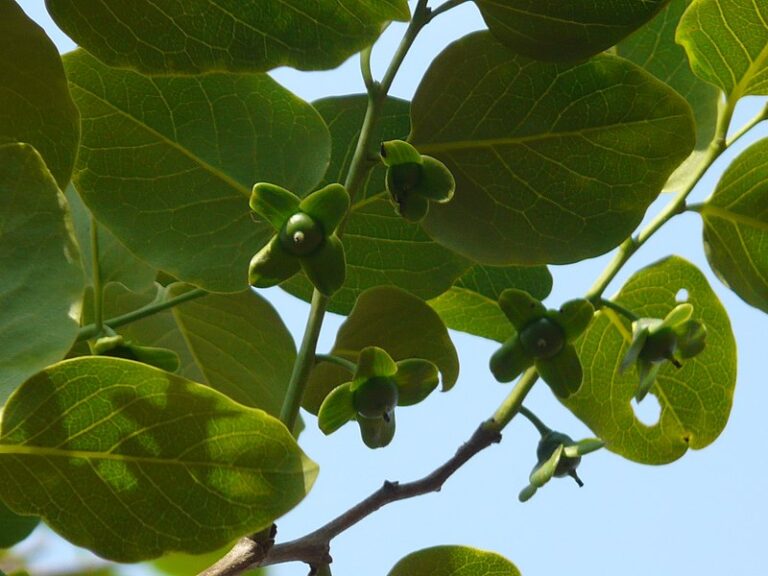
The Banyan tree, scientifically known as Ficus Benghalensis, belongs to the Moraceae family and the genus Ficus. This majestic tree is characterized by its sprawling canopy, aerial roots, and large, elliptical leaves. Its taxonomic classification places it within the order Rosales and the class Magnoliopsida.
Distribution
Native to the Indian subcontinent, the Banyan tree thrives in tropical and subtropical regions worldwide. It can be found in countries such as India, Sri Lanka, Bangladesh, Pakistan, Nepal, and Myanmar. Due to its adaptability, the Banyan tree has been introduced to various other regions, including parts of Africa, Southeast Asia, the Caribbean, and South America.
Ecology
The Banyan tree plays a vital role in its ecosystem, providing habitat, food, and shelter for numerous species:
- Habitat: Banyan trees are often found in a variety of habitats, including tropical forests, riverbanks, grasslands, and urban areas. Their ability to tolerate a wide range of soil types and climatic conditions contributes to their widespread distribution.
- Wildlife Support: The dense foliage of Banyan trees serves as a haven for a diverse array of wildlife, including birds, mammals, insects, and epiphytic plants. Birds such as mynas, barbets, and bulbuls nest in the branches, while mammals like bats and squirrels seek refuge in the canopy.
- Epiphytic Growth: The aerial roots of the Banyan tree provide a substrate for epiphytic plants such as orchids, ferns, and mosses. These plants derive nutrients and moisture from the air and organic debris accumulated on the roots, creating miniature ecosystems within the tree canopy.
Threats and Conservation
Despite its ecological importance, the Banyan tree faces various threats to its survival:
- Habitat Destruction: Deforestation, urbanization, and land conversion pose significant threats to Banyan tree populations, leading to habitat loss and fragmentation.
- Invasive Species: Introduced pests and diseases, such as mealybugs and fungal pathogens, can weaken and kill Banyan trees, disrupting their ecological balance.
- Climate Change: Altered precipitation patterns, temperature extremes, and other climatic factors may impact the distribution and health of Banyan trees, particularly in vulnerable regions.
Conservation efforts aimed at protecting the Banyan tree and its ecosystems include establishing protected areas, promoting sustainable land-use practices, conducting research and monitoring, and raising awareness among local communities and stakeholders.
Conclusion
In conclusion, the Banyan tree stands as a symbol of resilience, interconnectedness, and ecological importance. Its taxonomic classification, widespread distribution, and ecological role underscore its significance in the natural world. By understanding the ecology of the Banyan tree and supporting conservation efforts, we can ensure the continued survival of this iconic species for future generations to cherish and admire.
Explore the wonders of nature and join the conservation journey with Digi Study Lab.in!
This section of the blog post provides an overview of the taxonomy, distribution, and ecology of the Banyan tree, highlighting its ecological importance and the conservation challenges it faces. By delving into these aspects, readers gain a deeper understanding of the intricate relationship between the Banyan tree and its environment.