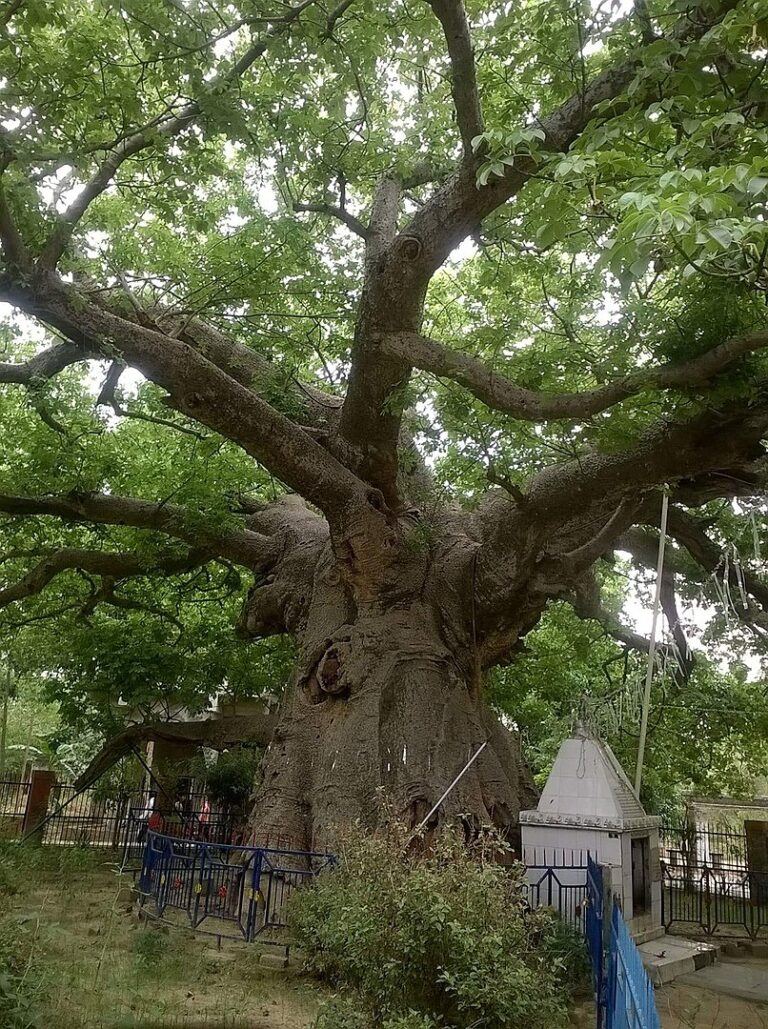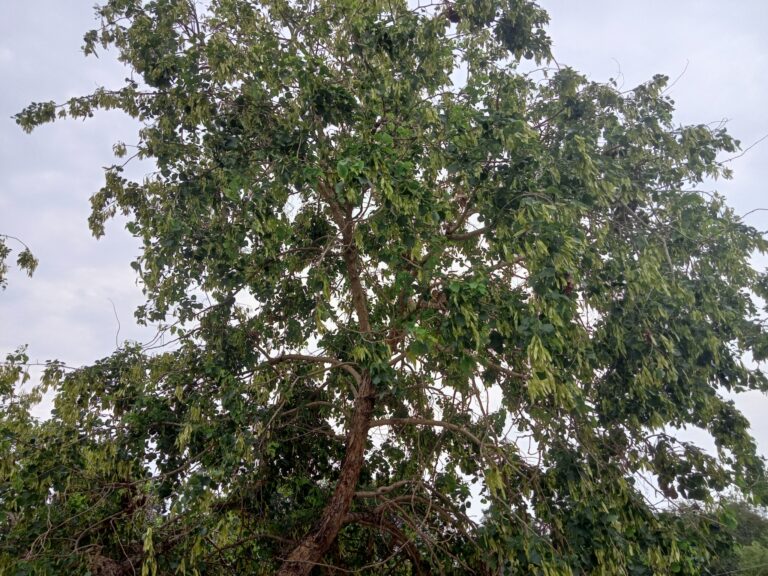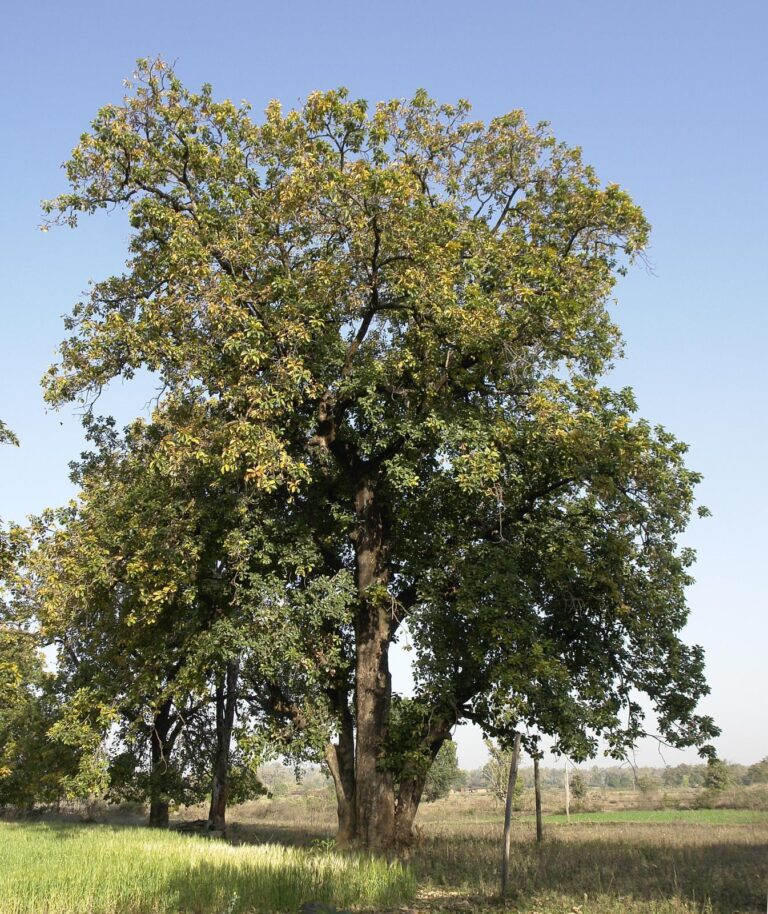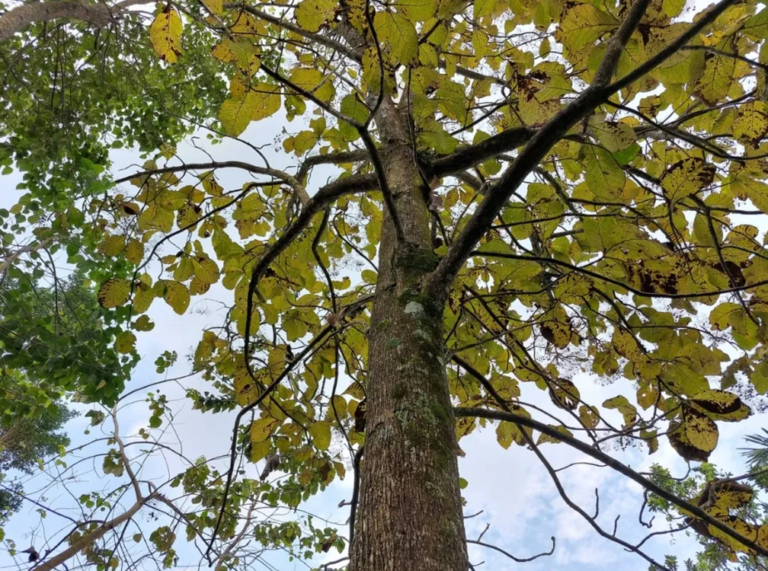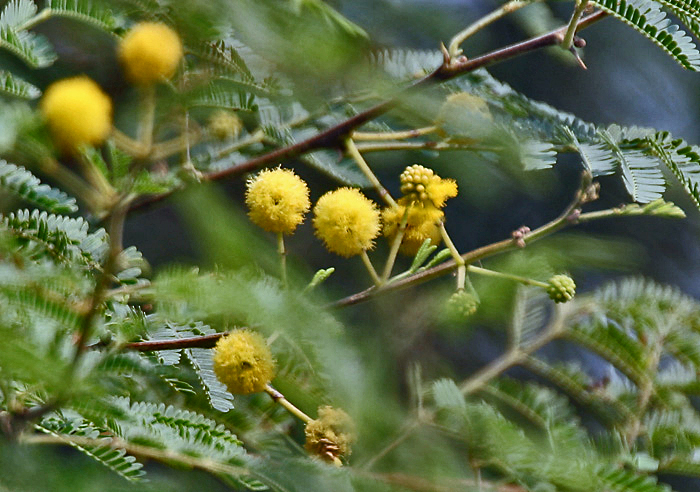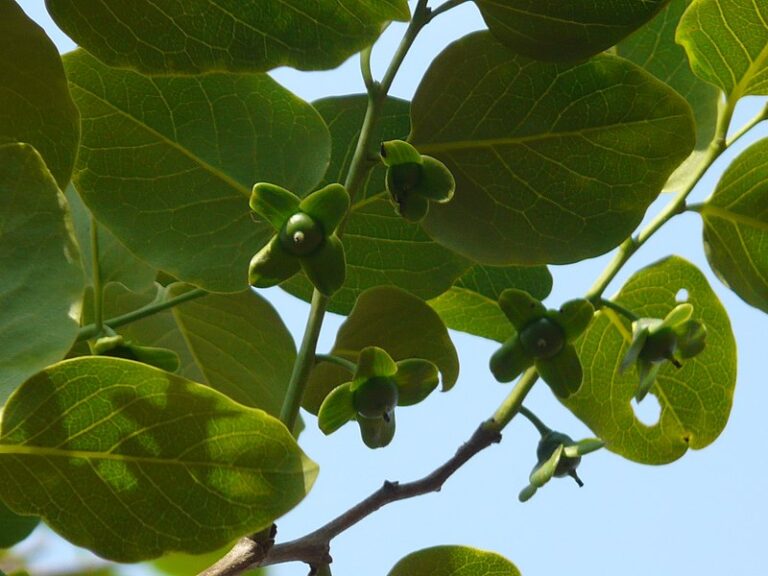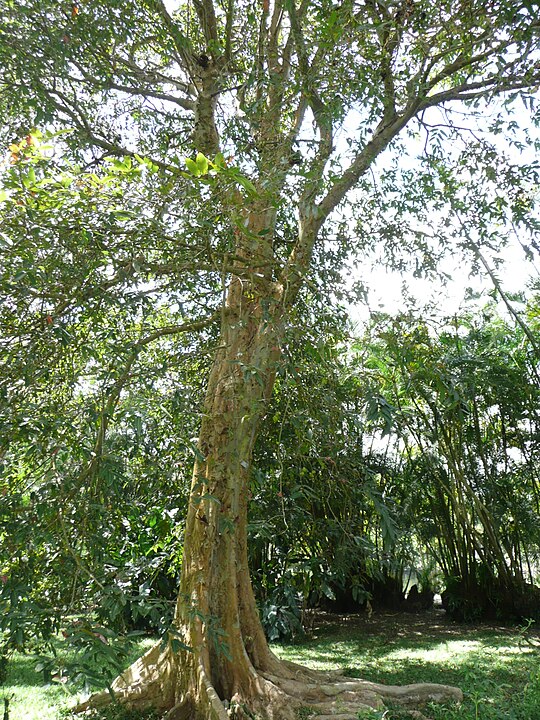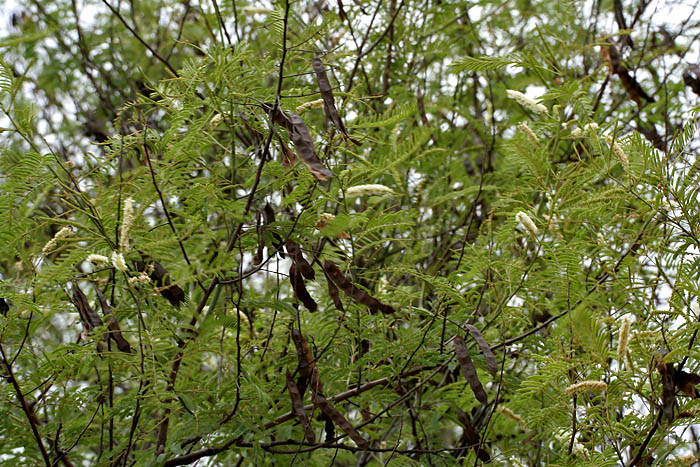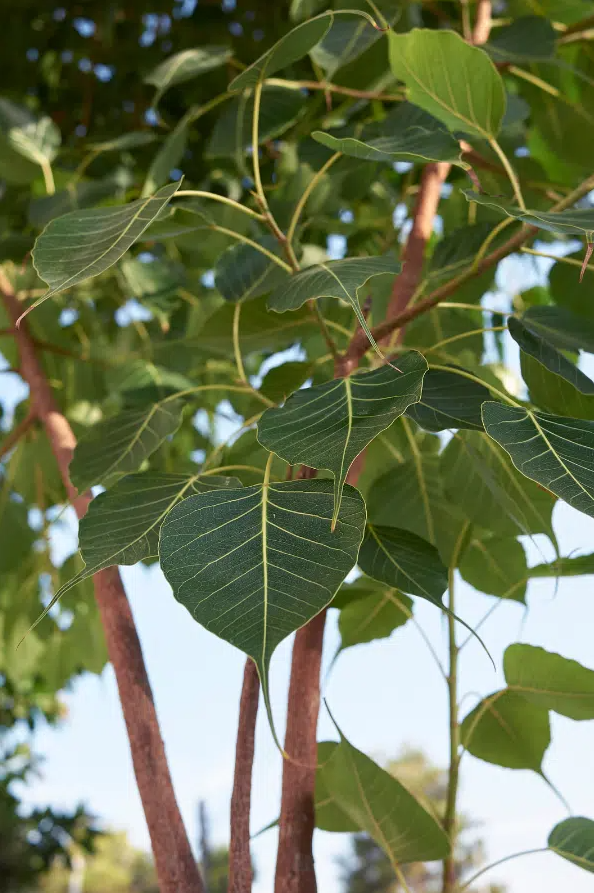
In the heart of Indian culture and tradition, there stands a tree that holds a significant place in spirituality, medicine, and folklore—the Peepal tree. Revered for its sacredness and admired for its medicinal properties, the Peepal tree, also known as Ficus religiosa or the sacred fig, has long been an integral part of the Indian landscape. Let’s delve deeper into the realm of this magnificent tree, exploring its myriad uses, benefits, and more.
The Sacred Symbolism of the Peepal Tree
In Hinduism, the Peepal tree is revered as the abode of several deities, including Lord Vishnu, Lord Shiva, and Goddess Lakshmi. It is often associated with enlightenment and spiritual awakening, making it a popular site for meditation and prayer. The belief in its sacredness runs so deep that even its mere presence is considered auspicious in many households.
Medicinal Marvels of the Peepal Tree
Beyond its spiritual significance, the Peepal tree offers a treasure trove of medicinal benefits. Various parts of the tree, including its leaves, bark, and roots, are used in traditional Ayurvedic medicine to treat a wide array of ailments. Here are some notable uses:
- Digestive Health: Peepal leaves are known for their digestive properties and are often used to alleviate issues like constipation and indigestion.
- Respiratory Disorders: The bark of the Peepal tree is used to prepare remedies for respiratory conditions such as asthma and bronchitis.
- Wound Healing: Paste made from the leaves of the Peepal tree is applied topically to promote wound healing and alleviate skin conditions like boils and ulcers.
- Antioxidant Properties: The tree contains compounds with antioxidant properties, which help combat oxidative stress and prevent cellular damage.
Environmental and Ecological Significance
Apart from its cultural and medicinal importance, the Peepal tree plays a vital role in maintaining ecological balance. It acts as a natural habitat for various bird species and provides shelter and sustenance for countless organisms. Moreover, its extensive root system helps prevent soil erosion and contributes to soil fertility, making it an indispensable part of the ecosystem.
Cultivating Awareness and Conservation Efforts
Despite its revered status, the Peepal tree faces threats from urbanization, deforestation, and habitat destruction. To preserve this invaluable heritage, efforts are underway to raise awareness about the importance of conserving these trees and their habitats. Planting initiatives, educational campaigns, and community involvement play a crucial role in safeguarding the future of the Peepal tree.
Conclusion: Embracing the Legacy of the Peepal Tree
In a world driven by modernization and technological advancement, the timeless wisdom and healing powers of the Peepal tree remind us of our deep-rooted connection to nature and spirituality. By honoring and preserving this sacred tree, we not only enrich our lives but also contribute to the well-being of the planet and future generations.
As we marvel at the majestic canopy of the Peepal tree, let us also embrace its legacy with reverence and gratitude, cherishing its uses, benefits, and the profound wisdom it imparts.
Discover more insightful articles and educational resources at Digi Study Lab.in, your digital hub for holistic learning and enlightenment.
Nurturing the Bond with Nature: Embracing the Peepal Tree
In the hustle and bustle of modern life, it’s easy to lose touch with the natural world around us. However, the Peepal tree serves as a gentle reminder of our interconnectedness with nature and the importance of nurturing this bond.
Spiritual Sanctuary Amidst Urban Chaos
Amidst the concrete jungle of cities, the Peepal tree stands tall, offering a serene sanctuary for weary souls seeking solace. Its broad, shady canopy provides refuge from the scorching sun, while its rustling leaves whisper tales of ancient wisdom and tranquility. In parks, temples, and roadside shrines, the presence of the Peepal tree serves as a beacon of hope and spiritual renewal.
Holistic Healing for Body and Mind
In a world increasingly reliant on pharmaceuticals and synthetic remedies, the holistic healing properties of the Peepal tree offer a natural alternative. From relieving stress and anxiety to promoting overall well-being, the tree’s medicinal benefits extend beyond physical ailments to encompass mental and emotional health. As we reconnect with nature’s pharmacy, we rediscover the profound healing power that lies within the embrace of the Peepal tree.
Cultivating Consciousness and Environmental Stewardship
As stewards of the Earth, it is our responsibility to protect and preserve the natural world for future generations. By cultivating awareness and practicing sustainable living, we can ensure the survival of precious treasures like the Peepal tree. Whether through tree-planting initiatives, eco-friendly practices, or advocating for conservation efforts, each of us has a role to play in safeguarding the planet and its biodiversity.
Embracing Tradition in a Modern World
In a rapidly changing world, the significance of traditional knowledge and practices cannot be overstated. The reverence for the Peepal tree passed down through generations serves as a testament to the enduring wisdom of our ancestors. By honoring and preserving these traditions, we bridge the gap between past and present, weaving a tapestry of cultural heritage that enriches our lives and strengthens our sense of identity.
Conclusion: A Call to Action
As we reflect on the myriad uses and benefits of the Peepal tree, let us heed the call to action to protect and preserve this sacred symbol of nature’s bounty. Whether by planting a sapling, sharing knowledge about its medicinal properties, or simply pausing to appreciate its beauty, each of us can make a difference in safeguarding the legacy of the Peepal tree for generations to come.
In the journey of life, let us walk hand in hand with nature, guided by the wisdom of the Peepal tree and the eternal rhythm of the natural world.
Join us at Digi Study Lab.in as we embark on a journey of exploration, enlightenment, and environmental stewardship, harnessing the power of knowledge to create a brighter, greener future for all.
Unveiling the Mystical Peepal Tree: Uses, Benefits, and More
Taxonomy of the Peepal Tree
Scientifically known as Ficus religiosa, the Peepal tree belongs to the Moraceae family. It is a species of fig native to the Indian subcontinent and Southeast Asia. The genus Ficus encompasses over 800 species, with Ficus religiosa being one of the most revered and culturally significant.
Distribution and Habitat
The Peepal tree is widely distributed across tropical and subtropical regions, thriving in diverse habitats ranging from plains to foothills. It is commonly found in India, Nepal, Bangladesh, Sri Lanka, Myanmar, and Thailand. Due to its sacred status, it is often planted near temples, religious sites, and in urban areas as a symbol of auspiciousness.
Ecology and Environmental Significance
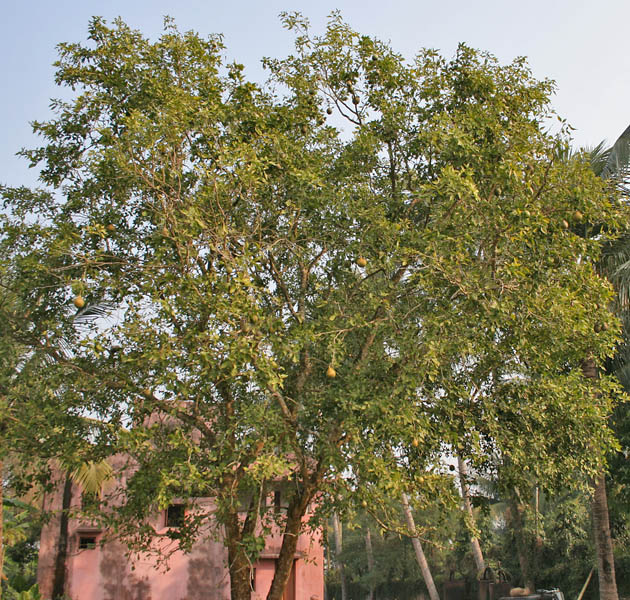
As a keystone species, the Peepal tree plays a crucial role in supporting biodiversity and maintaining ecological balance. Its broad, spreading canopy provides shade and shelter for various bird species, insects, and small mammals. Moreover, its aerial roots and extensive root system help stabilize soil, prevent erosion, and enhance soil fertility. The tree’s ability to thrive in diverse environmental conditions makes it a resilient species with significant ecological value.
Cultural and Spiritual Significance
In Hinduism, Buddhism, and Jainism, the Peepal tree holds immense religious and spiritual significance. It is believed to be the abode of several deities, including Lord Vishnu, Lord Shiva, and Goddess Lakshmi. The tree is often associated with enlightenment, wisdom, and spiritual awakening, making it a focal point for meditation, prayers, and rituals. Its presence in religious sites and communities symbolizes longevity, prosperity, and auspiciousness.
Medicinal Uses and Folklore
The Peepal tree has been revered for its medicinal properties since ancient times. Various parts of the tree, including its leaves, bark, and roots, are used in traditional Ayurvedic medicine to treat a wide range of ailments. The leaves are known for their digestive, antimicrobial, and anti-inflammatory properties, while the bark is used to alleviate respiratory disorders and promote wound healing. In folklore and traditional belief systems, the Peepal tree is associated with protection, healing, and spiritual purification.
Conservation and Preservation Efforts
Despite its cultural and ecological importance, the Peepal tree faces threats from urbanization, deforestation, and habitat destruction. To conserve this invaluable heritage, efforts are underway to raise awareness about the importance of protecting Peepal trees and their habitats. Tree-planting initiatives, conservation projects, and community involvement play a crucial role in safeguarding the future of this sacred and ecologically significant species.
Conclusion: Embracing Nature’s Sacred Gift
As we unravel the multifaceted significance of the Peepal tree, we come to appreciate its profound impact on culture, ecology, and spirituality. From its medicinal properties to its role in supporting biodiversity, the Peepal tree embodies the timeless wisdom and interconnectedness of all living beings. By nurturing and preserving this sacred gift of nature, we honor our heritage, protect our environment, and embrace the harmony between humanity and the natural world.
Explore more about nature’s wonders and cultural heritage at Digi Study Lab.in, where knowledge meets enlightenment in a digital realm of discovery.