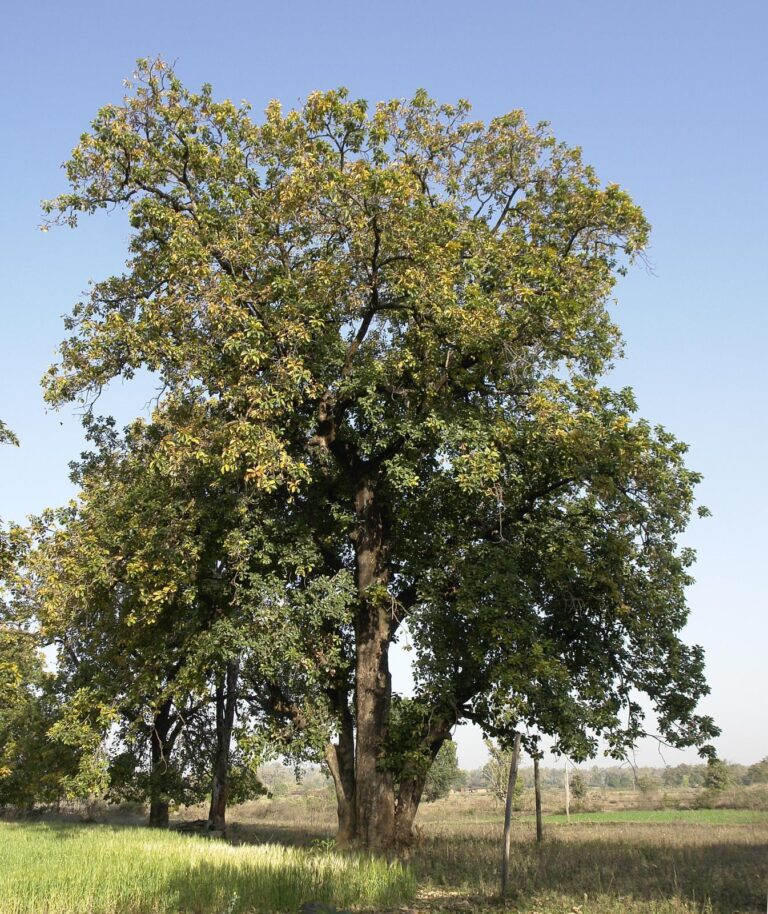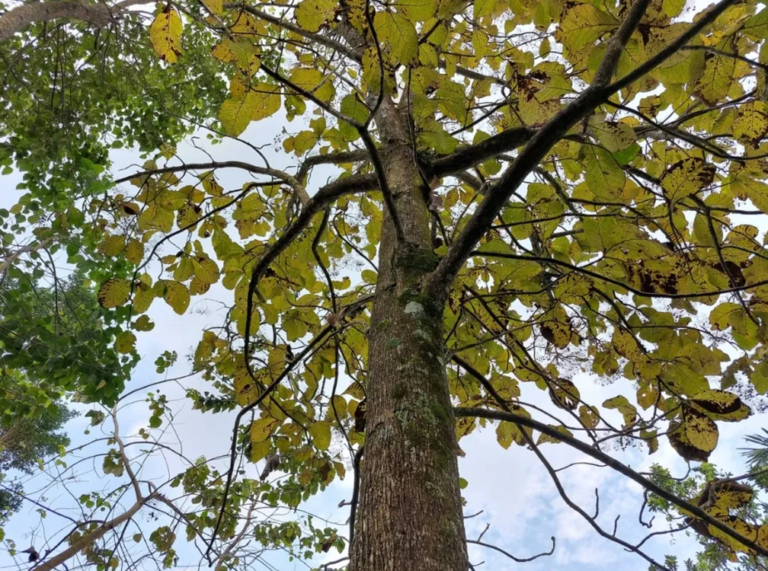
In the realm of Ayurveda, one name stands tall – the Amla tree, also known as Indian gooseberry. Revered for centuries in traditional Indian medicine, this small, deciduous tree bears fruit that packs a powerful punch of health benefits. Let’s delve into the world of the Amla tree, exploring its myriad uses and the wealth of benefits it offers.
Discovering the Amla Tree
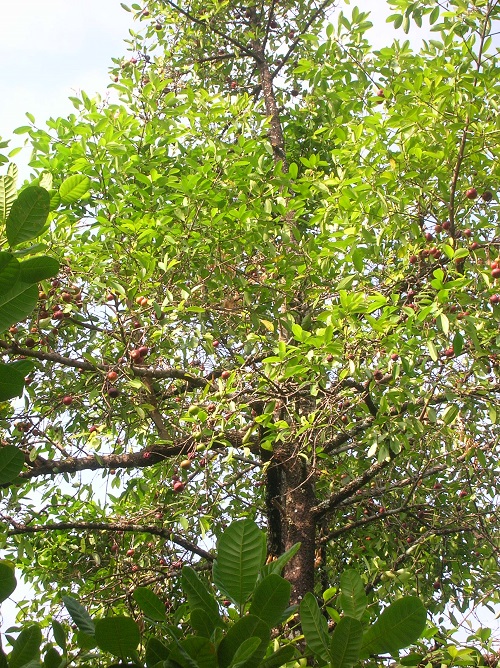
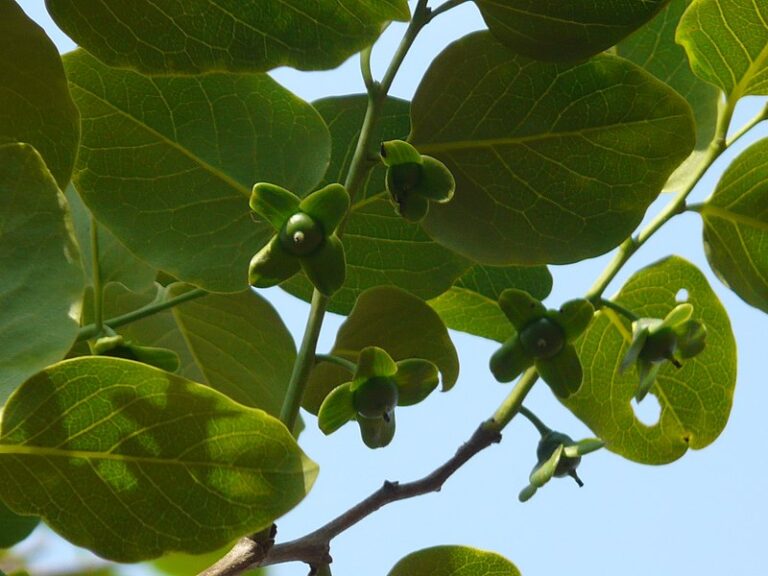
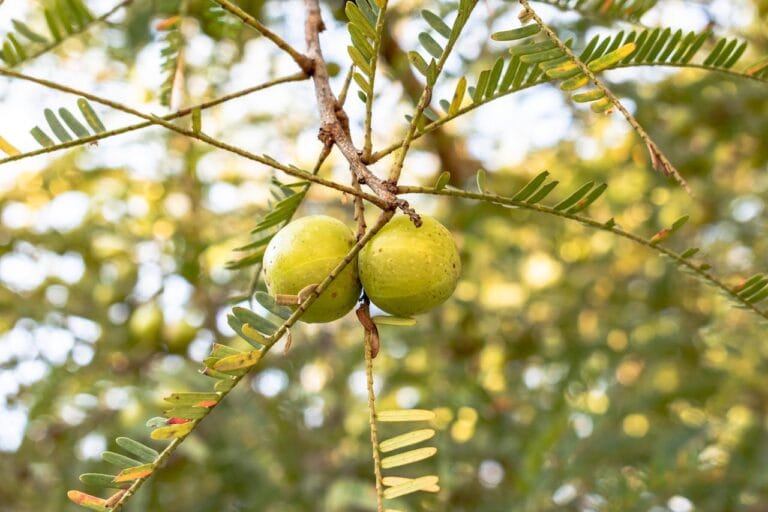
Amla (Emblica officinalis) is native to the Indian subcontinent and thrives in tropical and subtropical regions. Its small to medium-sized fruits are light greenish-yellow with a fibrous inner texture. These fruits are rich in vitamin C, polyphenols, flavonoids, and other potent antioxidants.
Utilization Across Various Domains
1. Traditional Medicine: Amla holds a significant place in Ayurveda, where it is used to treat various ailments. Its rejuvenating properties are believed to promote longevity and overall well-being.
2. Culinary Delight: Despite its sour taste, Amla is a versatile ingredient in Indian cuisine. It is often pickled, candied, or used in chutneys to enhance flavor and nutrition.
3. Cosmetics and Hair Care: Amla is a common ingredient in hair oils and shampoos due to its nourishing properties. It is believed to strengthen hair, prevent premature graying, and promote scalp health.
4. Nutritional Supplement: Given its rich nutrient profile, Amla is consumed in various forms, including juices, powders, and supplements, to boost immunity and support overall health.
Unveiling the Benefits
1. Immunity Booster: Amla is a potent immune stimulant, thanks to its high vitamin C content. Regular consumption may help ward off infections and keep illnesses at bay.
2. Antioxidant Powerhouse: The antioxidants present in Amla combat oxidative stress, reducing the risk of chronic diseases like heart disease and cancer.
3. Digestive Aid: Amla aids digestion by promoting the production of digestive juices and enzymes. It can alleviate constipation and other gastrointestinal issues.
4. Skin Rejuvenation: The antioxidants and vitamin C in Amla contribute to healthy skin by fighting free radicals and promoting collagen production, leading to a radiant complexion.
5. Hair Health: Amla strengthens hair follicles, prevents hair fall, and nourishes the scalp, making it a popular choice for hair care.
Embracing Amla for Optimal Health
Incorporating Amla into your lifestyle can be a game-changer for your health and well-being. Whether consumed as a fruit, incorporated into recipes, or used in skincare and hair care products, its benefits are truly remarkable. So, why not harness the power of this ancient gem for a healthier, more vibrant you?
Conclusion
The Amla tree stands as a symbol of vitality and longevity, offering a treasure trove of benefits for both body and mind. From ancient Ayurvedic texts to modern scientific research, its significance remains unwavering. So, embrace the Amla tree and unlock its potential for a healthier, happier life.
Whether you enjoy it as a tangy snack, a nourishing supplement, or a rejuvenating skincare ingredient, the Amla tree continues to leave an indelible mark on holistic health and wellness.
In the midst of a fast-paced world, let the Amla tree be your anchor to a more grounded, wholesome existence.
Exploring Amla: A Sustainable Solution
Beyond its health benefits, the Amla tree offers a sustainable solution for various environmental challenges. Here’s how:
1. Biodiversity: Amla trees provide habitat and sustenance for various species of birds, insects, and small mammals, contributing to the biodiversity of their ecosystems.
2. Soil Health: The Amla tree’s deep roots help prevent soil erosion, while fallen leaves enrich the soil with organic matter, promoting fertility and sustainability in agricultural landscapes.
3. Carbon Sequestration: Like all trees, Amla trees absorb carbon dioxide from the atmosphere, mitigating climate change by sequestering carbon in their biomass and the soil.
4. Water Conservation: Amla trees are well-adapted to drought conditions, making them ideal for water-stressed regions. Their deep roots can access groundwater, reducing the need for irrigation and conserving water resources.
By promoting the cultivation and conservation of Amla trees, we can not only reap the benefits of their fruits but also contribute to a more sustainable and resilient environment for future generations.
Harnessing Amla’s Potential: A Call to Action
As we unravel the myriad uses and benefits of the Amla tree, it’s evident that this humble plant holds immense potential for improving health, promoting sustainability, and fostering biodiversity. Here are some ways we can harness Amla’s potential:
1. Cultivation: Encourage the cultivation of Amla trees in home gardens, farms, and agroforestry systems to enhance food security, promote biodiversity, and support livelihoods.
2. Research: Invest in scientific research to explore the full spectrum of Amla’s medicinal properties, nutritional benefits, and ecological significance, unlocking new avenues for innovation and development.
3. Education: Raise awareness about the importance of Amla trees in traditional medicine, culinary traditions, and sustainable agriculture through educational programs, workshops, and outreach initiatives.
4. Conservation: Protect and conserve Amla tree populations in their natural habitats, safeguarding their genetic diversity and ecological integrity for future generations.
By coming together to celebrate and steward the Amla tree, we can cultivate a healthier, more sustainable world for all.
Conclusion: Embracing Amla for a Brighter Future
In conclusion, the Amla tree stands as a beacon of hope and resilience in an ever-changing world. From its medicinal marvels to its ecological benefits, it embodies the harmony between human health and environmental sustainability.
As we embark on this journey of discovery and appreciation, let us embrace the Amla tree as a symbol of our interconnectedness with nature and our collective responsibility to nurture and protect the planet we call home.
So, the next time you bite into a tangy Amla fruit or lather your hair with Amla-infused oil, remember the rich tapestry of benefits that this extraordinary tree offers. Together, let’s celebrate and steward the Amla tree for generations to come.
Exploring the Amla Tree: Taxonomy, Distribution, Ecology, and More
Taxonomy of the Amla Tree
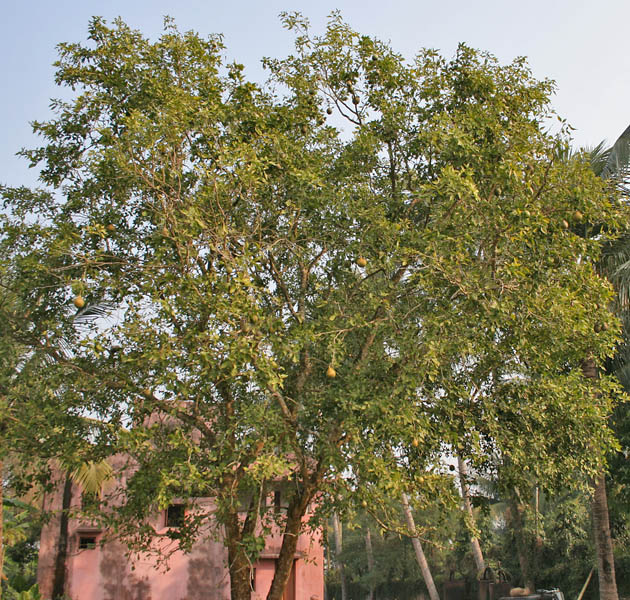
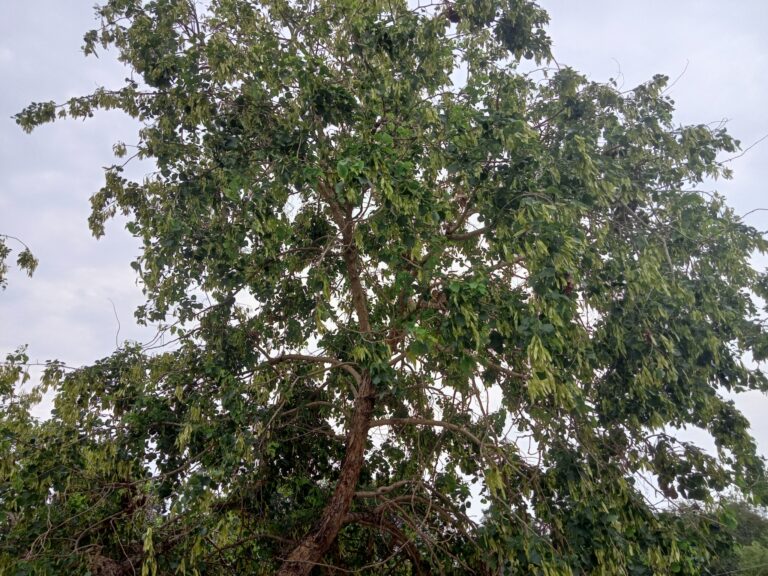
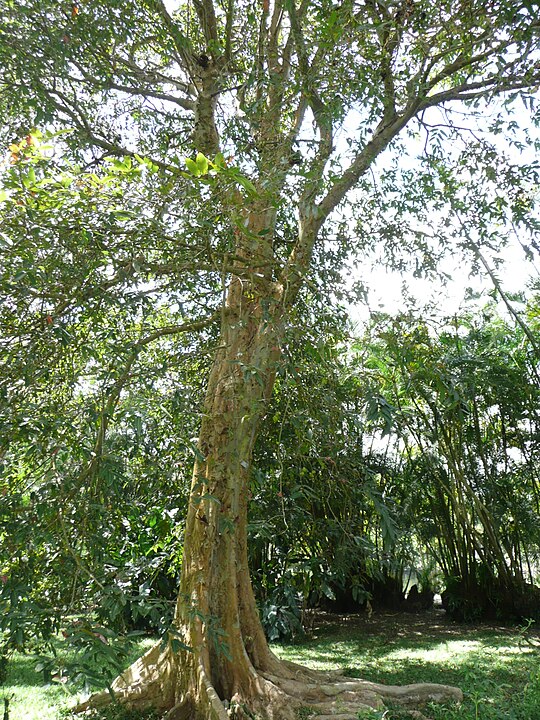
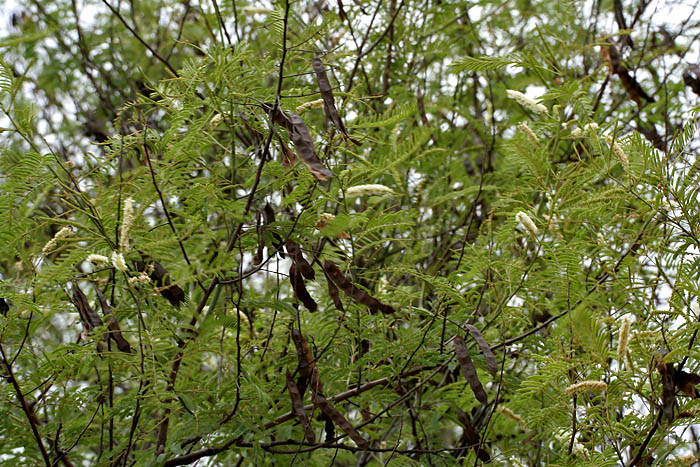
The Amla tree, scientifically known as Phyllanthus emblica, belongs to the family Phyllanthaceae. It is a small to medium-sized deciduous tree with feathery leaves and produces small, light greenish-yellow fruits known as Indian gooseberries or Amla.
Distribution of the Amla Tree
The Amla tree is native to the Indian subcontinent, where it is widely distributed across tropical and subtropical regions. It thrives in diverse habitats ranging from dry forests to riverbanks and is cultivated extensively throughout India, Nepal, Sri Lanka, and other parts of South Asia.
Ecology of the Amla Tree
1. Habitat: Amla trees are adaptable to various environmental conditions and can be found in a range of habitats, including dry, deciduous forests, scrublands, and cultivated landscapes. They prefer well-drained soils and are often found growing along riverbanks and in areas with access to groundwater.
2. Reproduction: Amla trees typically reproduce through seeds, which are dispersed by birds and other animals that consume the fruits. The seeds germinate readily under favorable conditions, and young saplings establish quickly in suitable habitats.
3. Ecological Interactions: Amla trees play a vital role in supporting biodiversity by providing food and habitat for a variety of wildlife, including birds, insects, and small mammals. Birds, in particular, are attracted to the fruits and help disperse the seeds over wide areas, contributing to the regeneration of Amla tree populations.
Conservation Status of the Amla Tree
While the Amla tree is not considered threatened globally, certain local populations may face threats due to habitat loss, overexploitation, and unsustainable harvesting practices. Conservation efforts focused on habitat restoration, sustainable management, and community engagement are essential for ensuring the long-term survival of Amla tree populations and the ecosystems they support.
Cultural Significance of the Amla Tree
1. Ayurvedic Medicine: Amla holds a revered place in Ayurveda, where it is valued for its medicinal properties and used to treat a wide range of ailments, including digestive disorders, respiratory infections, and skin diseases.
2. Culinary Traditions: Amla fruits are used extensively in Indian cuisine, where they are pickled, candied, or used to make chutneys, jams, and beverages. The tangy flavor of Amla adds a unique twist to savory and sweet dishes alike.
3. Religious and Cultural Practices: Amla is often associated with religious rituals and festivals in India, where it is offered as a sacred fruit to deities and used in traditional ceremonies to symbolize prosperity, fertility, and longevity.
Conclusion: Embracing the Rich Diversity of the Amla Tree
In conclusion, the Amla tree is not just a source of nutritious fruits and medicinal remedies but also a symbol of cultural heritage, ecological resilience, and biodiversity conservation. By understanding its taxonomy, distribution, ecology, and cultural significance, we gain a deeper appreciation for the interconnectedness of nature and human society.
As we continue to explore the wonders of the Amla tree, let us celebrate its rich diversity and harness its potential to promote health, well-being, and environmental sustainability for generations to come.