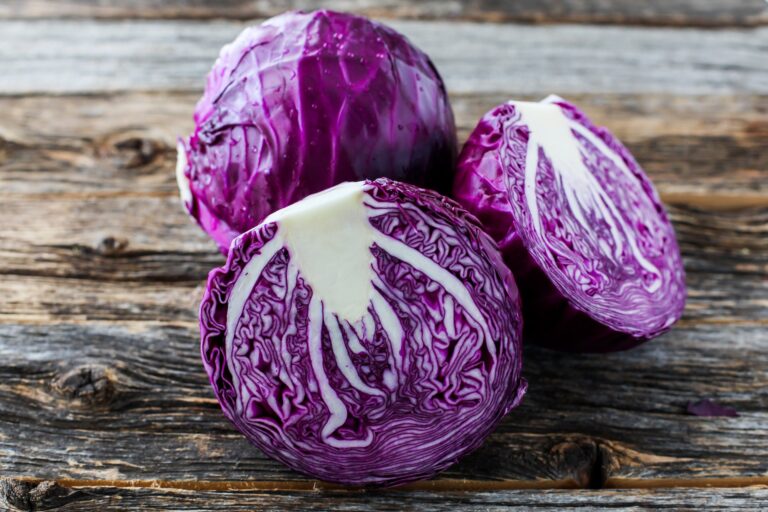
Cauliflower, a cruciferous vegetable often overshadowed by its greener counterpart, broccoli, is making waves in the nutrition community. Not only is it a versatile ingredient that can mimic everything from pizza crust to rice, but it also boasts a range of health benefits. In this post, we dive deep into the myriad advantages of incorporating cauliflower into your diet.
1. Rich in Nutrients:
Cauliflower is packed with vitamins and minerals. Just a single cup of this vegetable provides a good amount of Vitamin C, K, and B6, as well as folate, pantothenic acid, and fiber. Moreover, it’s low in calories, making it a perfect addition for those watching their weight.
2. Boosts Digestive Health:
Cauliflower is a good source of fiber, which is essential for a healthy digestive system. Fiber helps to keep the digestive system moving, reduces the risk of constipation, and can even play a role in reducing the risk of chronic diseases.
3. Packed with Antioxidants:
This vegetable is loaded with antioxidants, particularly glucosinolates and isothiocyanates, known to slow down the growth of cancerous cells. Additionally, the high vitamin C content also acts as an antioxidant, supporting your body’s ability to combat oxidative stress.
4. Supports Brain Health:
Thanks to its choline content, cauliflower can support brain health. Choline is an essential nutrient that plays a major role in brain development, maintaining the structure of cellular membranes, and supporting neurotransmitter synthesis.
5. Good for Bone Health:
The Vitamin K in cauliflower plays a vital role in bone health. It aids in bone mineralization and can act as a modifier of bone matrix proteins, which reduces the risk of osteoporosis.
6. Aids in Detoxification:
Cauliflower contains sulforaphane, a sulfur compound known for its detoxifying properties. It can help the liver function optimally and remove unwanted toxins from the body.
7. Versatile in the Kitchen:
Beyond its health benefits, cauliflower’s versatility in the kitchen is worth noting. It can be roasted, mashed, riced, or even turned into a gluten-free pizza base. Its mild flavor and texture make it an excellent substitute for many carb-heavy foods.
8. Supports Heart Health:
The sulforaphane in cauliflower has been seen to significantly improve blood pressure levels. Along with the fiber, antioxidant, and omega-3 content, cauliflower is an excellent food for maintaining a healthy heart.
9. Weight Management Companion:
If you’re on a quest to shed some extra pounds or maintain a healthy weight, cauliflower should be on your plate. Its low-calorie content, combined with dietary fiber, helps promote feelings of fullness. This ensures you eat fewer calories throughout the day, making weight management more feasible.
10. Anti-Inflammatory Properties:
Chronic inflammation is often at the root of many diseases. The good news is that cauliflower contains indole-3-carbinol, a nutrient that has been shown to reduce the risk of inflammation-related conditions. Consuming cauliflower regularly can help counteract the effects of daily stresses and inflammatory agents on your body.
11. Promotes Healthy Skin:
The abundance of vitamins and antioxidants in cauliflower can contribute to healthy, radiant skin. Vitamin C aids collagen production, ensuring skin elasticity and warding off wrinkles. On the other hand, antioxidants help combat free radicals which can accelerate skin aging.
12. Supports Hormonal Balance:
Cruciferous vegetables like cauliflower help in eliminating excess estrogen from the body. This not only supports hormonal balance but also reduces the risk of hormone-related cancers.
13. Adaptable to Dietary Restrictions:
Whether you follow a vegan, ketogenic, paleolithic, or gluten-free diet, cauliflower fits right in. Its chameleon-like qualities in recipes make it a favorite for various diet types without compromising on taste or texture.
14. A Natural Hydrator:
Often overlooked, cauliflower has a high water content. This means by consuming it, you’re also aiding your daily hydration needs, which is essential for overall health, skin vitality, and organ function.
15. Eye Health Promoter:
Cauliflower is a source of sulforaphane which has been seen to protect the delicate tissues of the retinal area from oxidative stress, potentially decreasing the risk of macular degeneration and other eye disorders.
Wrap Up:
Clearly, cauliflower is much more than just a side dish. It’s a versatile and potent vegetable that not only enhances your meals but also your well-being. From brain to bone health, from detoxification to weight management, the advantages of this humble veggie are vast. Next time you’re at the grocery store, give this unsung hero the spotlight it deserves and discover new ways to incorporate it into your meals.
For more enriching health and dietary insights, keep reading on Digi Study Lab.in.
Nutrition Facts:
Cauliflower might seem simple in appearance, but its nutritional profile is impressively dense. For every 100 grams of cauliflower, you consume approximately:
- Calories: 25
- Protein: 1.9 grams
- Total Fat: 0.3 grams
- Total Carbohydrates: 5 grams
- Dietary Fiber: 2 grams
- Sugars: 2.4 grams
Vitamins:
Cauliflower isn’t just about being low in calories. It’s also packed with a spectrum of vitamins that play crucial roles in our health:
- Vitamin C: An essential vitamin that acts as an antioxidant, supporting immune function, skin health, and wound healing. Cauliflower provides about 77% of the daily recommended intake in just one cup.
- Vitamin K: Important for blood clotting and bone health.
- Vitamin B6: Essential for brain health and the production of neurotransmitters.
- Folate (Vitamin B9): Vital for DNA synthesis and repair, and particularly important for pregnant women.
- Pantothenic Acid (Vitamin B5): Aids in the breakdown of fats and carbohydrates for energy.
Minerals:
While not as dense in minerals as some other vegetables, cauliflower still offers a good dose of several:
- Potassium: Helps regulate blood pressure and is linked to heart health.
- Magnesium: Crucial for muscle function and bone health.
- Phosphorus: Assists in energy production and the formation of bones and teeth.
- Manganese: Supports metabolism, bone formation, and the reduction of oxidative stress.
Carbs:
Cauliflower, when compared to most other vegetables, is relatively low in carbohydrates. The majority of carbs in cauliflower come from complex carbs which are slow-digesting and provide sustained energy. This makes cauliflower an excellent food for those watching their carb intake or for those on ketogenic or low-carb diets.
Fiber:
Dietary fiber is integral to digestive health, and cauliflower does not disappoint in this regard. The fiber in cauliflower aids in promoting gut health by feeding the beneficial bacteria in the intestines. Regular consumption of fiber also helps in reducing the risk of several chronic diseases and aids in weight management by promoting feelings of fullness.
In Summary:
From its rich vitamin content to its impressive mineral profile, and from its low-carb nature to its healthy fiber, cauliflower stands out as a nutritionally dense vegetable. Incorporating it into your meals ensures you’re nourishing your body with a multitude of essential nutrients. Whether you’re roasting it, ricing it, or mashing it, you’re in for a health boost with every bite.
Stay informed and continue your journey to optimal health with more resources and articles at Digi Study Lab.in.
In Conclusion:
Cauliflower is a powerhouse of nutrients and offers numerous health benefits. It’s no wonder that it’s making its way to the forefront of the superfoods list. Whether you’re looking for a low-carb alternative or simply trying to add more veggies to your diet, cauliflower is an excellent choice. Dive into your culinary adventures with this super-vegetable, and embrace a journey of health and wellness with every bite!
Make sure to explore more health tips and nutritious food insights on Digi Study Lab.in.