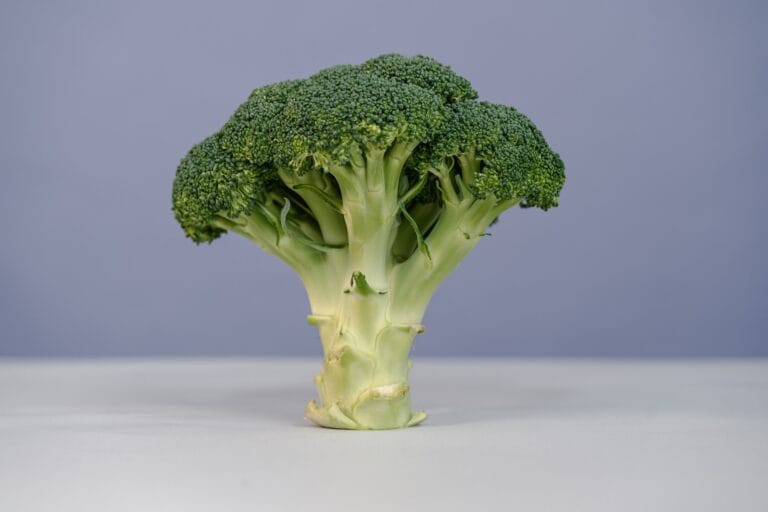
Broccoli, often playfully referred to as the “tiny tree” of the vegetable world, is more than just a side dish. This cruciferous wonder packs a nutrition punch that can help boost overall health and wellness. Dive into the world of broccoli with us and discover why it deserves a prominent place on your plate.
1. Rich in Antioxidants
Broccoli is brimming with antioxidants such as vitamin C and sulforaphane. Antioxidants play a crucial role in neutralizing harmful free radicals in the body. By doing so, they help protect cells from damage and potentially reduce the risk of chronic diseases.
2. Dense with Essential Vitamins and Minerals
Besides being an excellent source of vitamin C, broccoli is also rich in vitamin K, folate, potassium, and iron. These nutrients play a pivotal role in blood clotting, DNA synthesis, and maintaining bone health among other things.
3. Supports Digestive Health
Broccoli is a good source of fiber, which aids in promoting healthy gut bacteria and regular bowel movements. A healthy gut can have a ripple effect on overall well-being, impacting everything from immunity to mood.
4. May Reduce the Risk of Certain Cancers
The compounds found in broccoli, especially sulforaphane, have been studied for their potential to reduce the risk of certain cancers. While more research is necessary, including broccoli in a balanced diet can be a proactive step towards health.
5. Supports Heart Health
The fiber, antioxidants, and anti-inflammatory properties of broccoli can support heart health. They assist in reducing bad cholesterol, regulating blood pressure, and protecting against heart disease.
6. Promotes Healthy Skin
The vitamins and minerals in broccoli, particularly vitamins C and E, can aid in keeping the skin healthy, radiant, and protected from external damage.
7. Strengthens Bone Health
Broccoli is a valuable source of both vitamin K and calcium – two essential nutrients for bone health. Regular consumption can support bone density and reduce the risk of osteoporosis.
Incorporating Broccoli into Your Diet
With its myriad benefits, broccoli is versatile and can be included in your meals in a variety of ways. Whether you prefer it steamed, roasted, or tossed into a fresh salad, the nutrition remains intact.
Here are a few quick ideas:
- Broccoli Salad: Mix broccoli florets with nuts, dried fruits, and a light dressing for a crunchy, refreshing salad.
- Roasted Broccoli: Season with olive oil, garlic, and a sprinkle of parmesan cheese before roasting.
- Stir-Fries: Toss broccoli into your favorite stir-fry recipes for an added health boost.
In conclusion, broccoli is a green powerhouse that offers numerous health benefits. So, the next time you’re planning a meal, remember to include this nutritional champion to reap its maximum benefits. Stay tuned to Digi Study Lab.in for more insightful health and nutrition articles!
Broccoli Soup for the Soul
One of the most delicious ways to enjoy broccoli is in the form of a rich, creamy soup. Blended with the right herbs and a touch of cream or a dairy-free alternative, it can be a nourishing meal in itself. The warmth of the soup not only comforts your palate but also provides a burst of essential nutrients.
Power up with Broccoli Smoothies
For those on-the-go, incorporating broccoli into your morning smoothies can be a game-changer. Combined with fruits like bananas or pineapples, the taste of broccoli blends seamlessly. It’s a fantastic way to start the day with energy, vitality, and a full serving of veggies.
Broccoli in Casseroles and Bakes
Broccoli beautifully complements casseroles, pies, and bakes. When combined with cheeses, meats, or other vegetables, it adds depth and nutrition to the dish. Plus, the kids might just fall in love with these delicious, cheesy broccoli delights.
The Broccoli Rice Revolution
Move over cauliflower; there’s a new veggie rice in town. Broccoli rice, made by pulsing broccoli florets in a food processor, offers a low-carb alternative to traditional grains. Use it in place of rice in any dish, from sushi rolls to fried “rice.”
Nutrition Beyond the Florets
While broccoli florets get most of the attention, it’s worth noting that broccoli stems are equally nutritious. Often discarded, these stems can be spiralized to create broccoli “noodles” or finely sliced and added to salads for a crunchy bite.
The Global Appeal of Broccoli
Across the world, various cultures have embraced broccoli in their cuisines. From the Italian Orecchiette con Broccoli to the Chinese Broccoli Beef Stir-fry, this vegetable has proven its versatility and universal appeal.
Conclusion: The Broccoli Renaissance
Broccoli, once overshadowed by other vegetables, is having its moment in the sun. Its combination of health benefits and culinary adaptability makes it a favorite among nutritionists and chefs alike. As more research continues to shed light on its numerous benefits, one thing remains clear: broccoli is not just a vegetable; it’s a superfood.
Continue your health and culinary journey with us at Digi Study Lab.in, where we bring the best of nutrition, wellness, and digital learning to your fingertips. Happy eating!
Nutrition Facts of Broccoli
When you glance at a bowl of broccoli, it might seem like just a bunch of green florets. But diving deep into its nutrition profile unveils a treasure trove of health benefits. Let’s break it down:
Vitamins
Broccoli is a powerhouse of essential vitamins that play a crucial role in numerous bodily functions:
- Vitamin C: Known for its immunity-boosting properties, Vitamin C is also an antioxidant that protects cells from free radicals. A single cup of broccoli provides more than 100% of the recommended daily intake.
- Vitamin K: Critical for blood clotting and bone health, a cup of broccoli covers about 116% of the daily recommended intake.
- Vitamin A: Broccoli is rich in beta-carotene, which the body converts into Vitamin A. It is vital for vision, growth, and immune function.
- Vitamin B6: This vitamin supports brain development and function and helps the body convert food into energy.
Minerals
Broccoli offers a range of essential minerals that are integral for overall health:
- Potassium: Helps regulate blood pressure and is linked to reduced risk of heart diseases.
- Calcium: While commonly associated with milk, broccoli is a good plant-based source of calcium, which is essential for strong bones and teeth.
- Iron: Vital for making the proteins hemoglobin (in red blood cells) and myoglobin (in muscles) that carry oxygen.
- Magnesium: Plays a role in over 300 enzymatic reactions in the body, including the metabolism of food and the synthesis of fatty acids and proteins.
Carbs
While often overlooked for its carbohydrate content, broccoli does contain carbs, but they’re predominantly complex carbohydrates. These are slow-digesting carbs, which means they don’t spike blood sugar levels like simple carbs do. A cup of broccoli has approximately 6 grams of carbs, which includes sugars, starch, and fiber.
Fiber
One of broccoli’s standout features is its high fiber content. Dietary fiber can aid digestion, promote a feeling of fullness, and help maintain stable blood sugar levels. A cup of broccoli provides about 2.4 grams of fiber, which contributes significantly to the daily recommended intake.
Conclusion: Beyond the Green
Broccoli is much more than just a green vegetable; it’s a repository of essential nutrients that can play a pivotal role in maintaining and promoting health. By understanding its nutritional makeup, we can appreciate its value in our diet even more. As always, for more enlightening information on nutrition and health, keep visiting Digi Study Lab.in.