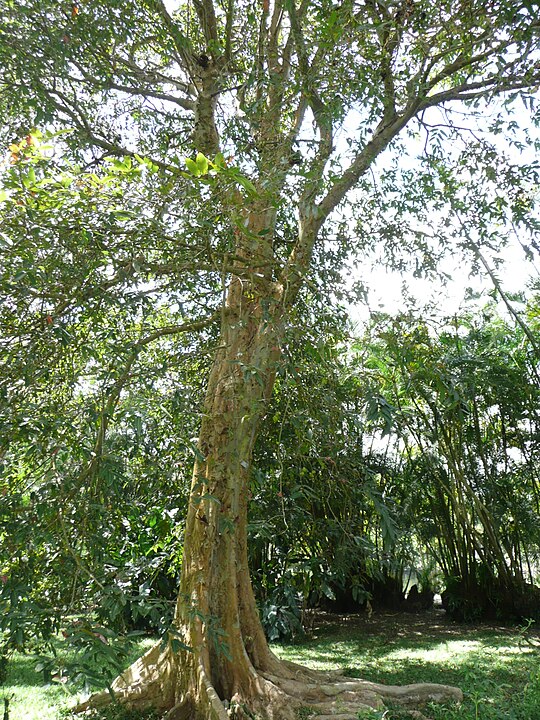
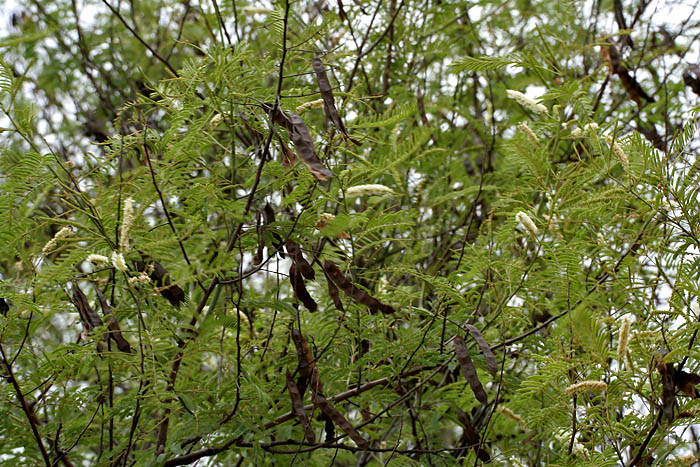
In the rich tapestry of India’s cultural and botanical heritage, few plants hold as revered a status as the Tulsi tree. Revered for its medicinal properties, spiritual significance, and cultural symbolism, Tulsi (Ocimum tenuiflorum or Ocimum sanctum) stands as a botanical treasure with a plethora of benefits. Let’s delve into the myriad wonders of this sacred plant.
Tulsi: A Symbol of Holistic Well-being
Understanding Tulsi
Tulsi, also known as Holy Basil, is an aromatic perennial plant native to the Indian subcontinent. It belongs to the Lamiaceae (mint) family and is characterized by its strong aroma and serrated leaves. Tulsi comes in various varieties, including Krishna Tulsi, Rama Tulsi, and Vana Tulsi, each with its unique characteristics and benefits.
Cultural and Spiritual Significance
Beyond its botanical attributes, Tulsi holds deep-rooted cultural and spiritual significance in India. Revered in Hinduism, the plant is often cultivated near homes and temples. It is considered an incarnation of the goddess Lakshmi and is believed to promote spiritual growth and purity.
Utilitarian Marvel: Versatile Uses of Tulsi
1. Medicinal Marvel: Tulsi boasts a treasure trove of medicinal properties. Its leaves are rich in antioxidants, essential oils, and phytonutrients, making it a potent natural remedy for a myriad of ailments. From boosting immunity to relieving respiratory disorders, Tulsi is hailed for its therapeutic efficacy.
2. Culinary Delight: In addition to its medicinal value, Tulsi leaves add a unique flavor and aroma to culinary creations. They are often used in teas, soups, curries, and herbal infusions, enhancing both taste and health benefits.
3. Ritualistic Practices: Tulsi holds a prominent place in various ritualistic practices and ceremonies. It is often offered in prayers and rituals as a symbol of reverence and purification.
4. Natural Pest Repellent: The strong aroma of Tulsi acts as a natural deterrent for pests and insects, making it a valuable addition to gardens and agricultural practices.
Benefits Galore: Nurturing Health and Wellness
1. Immunity Booster: Tulsi is renowned for its immunomodulatory properties, bolstering the body’s defense against infections and diseases.
2. Respiratory Relief: From coughs and colds to bronchitis and asthma, Tulsi offers soothing relief for various respiratory ailments, thanks to its expectorant and anti-inflammatory properties.
3. Stress Buster: The adaptogenic properties of Tulsi help alleviate stress and promote mental well-being, making it a valuable ally in combating modern-day anxieties.
4. Digestive Aid: Tulsi aids digestion by stimulating the secretion of digestive enzymes and reducing bloating and gas, promoting gastrointestinal health.
Cultivating Tulsi: Tips for Success
Cultivating Tulsi is relatively straightforward, making it an ideal addition to home gardens or indoor spaces. Ensure adequate sunlight, well-drained soil, and regular watering to promote healthy growth. Pruning the plant regularly encourages bushier growth and enhances leaf production.
In Conclusion: Embracing the Essence of Tulsi
In the intricate tapestry of nature’s offerings, Tulsi shines as a beacon of holistic wellness and cultural heritage. From its medicinal prowess to its spiritual significance, this sacred plant continues to weave its magic in the hearts and homes of millions. Embrace the essence of Tulsi, and embark on a journey of well-being rooted in nature’s timeless wisdom.
Whether sipped as a soothing tea, savored in culinary delights, or cherished in sacred rituals, Tulsi remains a cherished companion on the path to health, harmony, and spiritual fulfillment.
Meta Description:
Discover the myriad wonders of the sacred Tulsi tree, from its medicinal marvels to its cultural significance. Explore the versatile uses, benefits, and cultivation tips of this botanical treasure on DigiStudyLab.in.
Exploring the Taxonomy, Distribution, and Ecology of Tulsi: A Botanical Odyssey
Taxonomy: Unveiling the Botanical Identity of Tulsi
Tulsi, scientifically known as Ocimum tenuiflorum or Ocimum sanctum, belongs to the Lamiaceae family, commonly referred to as the mint family. Within this family, it is classified under the genus Ocimum, which comprises aromatic herbs and shrubs. Tulsi is further distinguished by its specific epithet, tenuiflorum or sanctum, depending on the taxonomic classification.
Distribution: Tracing the Geographic Range of Tulsi
Tulsi is indigenous to the Indian subcontinent, where it thrives in tropical and subtropical climates. It is widely distributed across the Indian peninsula, including regions of India, Nepal, Sri Lanka, and Bangladesh. Additionally, Tulsi has been naturalized in various other tropical regions around the world, including Southeast Asia, Africa, and parts of the Americas, where it is cultivated for its medicinal, culinary, and spiritual significance.
Ecology: Understanding the Habitat and Ecological Role of Tulsi
Tulsi exhibits a versatile ecological adaptability, thriving in diverse habitats ranging from cultivated fields and gardens to wild forest margins and disturbed landscapes. It is commonly found growing in well-drained soils with ample sunlight, although it can tolerate partial shade and varying soil conditions.
In its natural habitat, Tulsi plays a crucial ecological role, supporting diverse plant and animal communities. Its aromatic foliage and nectar-rich flowers attract a myriad of pollinators, including bees, butterflies, and hummingbirds, contributing to the pollination of surrounding flora. Moreover, Tulsi’s allelopathic properties help suppress the growth of competing plant species, enhancing its competitive advantage in its ecological niche.
Conservation Status: Assessing the Conservation Concerns and Efforts
Despite its cultural and ecological significance, Tulsi faces threats from habitat loss, land degradation, and unsustainable harvesting practices. The increasing demand for Tulsi in traditional medicine, herbal products, and religious rituals has led to overexploitation in some regions, posing challenges to its long-term sustainability.
In response to these conservation concerns, various initiatives have been undertaken to promote the sustainable cultivation and conservation of Tulsi. These efforts include the establishment of Tulsi sanctuaries, community-based conservation projects, and the integration of Tulsi into agroforestry systems, thereby fostering both ecological resilience and livelihood security for local communities.
Conclusion: Nurturing a Harmonious Relationship with Nature
As we unravel the taxonomy, distribution, and ecology of Tulsi, we gain a deeper appreciation for its botanical diversity, geographic range, and ecological significance. From its humble origins in the Indian subcontinent to its global spread and cultural resonance, Tulsi embodies the intricate interconnectedness of nature and human societies.
By understanding and honoring the ecological needs of Tulsi, we can cultivate a more harmonious relationship with the natural world, fostering biodiversity conservation, sustainable livelihoods, and spiritual well-being. Let us continue to cherish and steward this botanical treasure, ensuring that future generations can reap the benefits of Tulsi’s timeless wisdom and botanical bounty.
Stay tuned for more botanical insights and ecological explorations on DigiStudyLab.in.