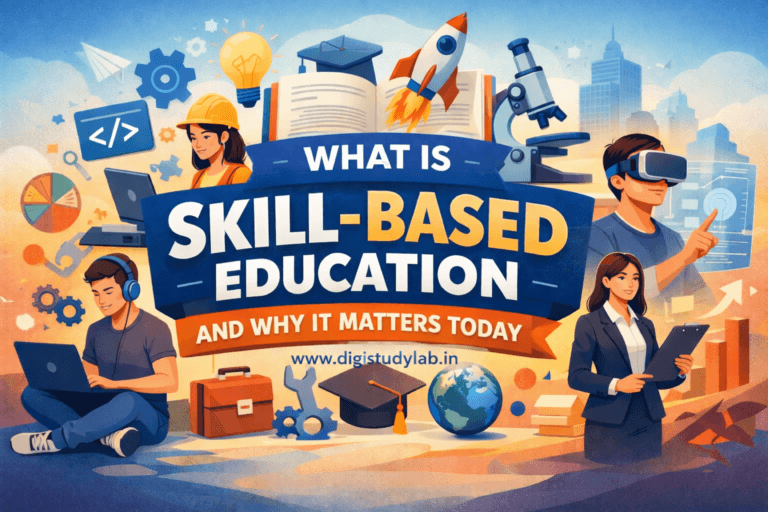
Education is evolving rapidly in response to changing societal needs, technological advancements, and the demands of modern workplaces. The traditional system of learning—focused mainly on theoretical knowledge, memorization, and examination scores—is gradually being replaced by a more practical and outcome-oriented approach. This approach is known as skill-based education, and it plays a crucial role in preparing individuals for real-world challenges, career growth, and lifelong learning.
In today’s competitive world, knowledge alone is no longer enough. What truly matters is how effectively you can apply what you learn. Skill-based education bridges the gap between theoretical understanding and practical application, enabling learners to develop abilities that are directly relevant to their careers and daily lives. Educational platforms like Digistudylab.in aim to support this transformation by focusing on meaningful, practical, and knowledge-driven learning that prepares individuals for the future.
Understanding Skill-Based Education
Skill-based education is a learning approach that prioritizes the development of practical competencies and abilities alongside academic knowledge. Instead of focusing solely on textbooks and exams, this system emphasizes real-life application, hands-on learning, and problem-solving.
In simple terms, skill-based education answers an important question:
“What can you do with what you know?”
This model encourages learners to:
Apply concepts in real situations
Develop practical and technical abilities
Improve communication and analytical thinking
Build confidence through experiential learning
It ensures that education is not just about passing exams but about gaining the capability to perform tasks, solve problems, and adapt to new challenges.
Difference Between Traditional Education and Skill-Based Education
To understand the importance of skill-based learning, it is essential to compare it with traditional education methods.
Traditional Education
Traditional systems mainly focus on:
Memorization of information
Written examinations
Theoretical knowledge
Fixed curriculum structures
While this approach builds foundational understanding, it often lacks practical exposure. Many learners complete their education without knowing how to apply their knowledge in real situations.
Skill-Based Education
Skill-based learning focuses on:
Practical application of knowledge
Hands-on experience
Problem-solving abilities
Career readiness
This approach prepares individuals for the workplace, entrepreneurship, and real-life decision-making. It promotes independent thinking and continuous improvement.
Why Skill-Based Education Matters Today
The importance of skill-based education has increased significantly due to changes in technology, job markets, and global economies. Let us explore why it has become essential in modern times.
1. Changing Nature of Jobs
Many traditional jobs are being replaced or transformed due to automation, artificial intelligence, and digitalization. Modern industries require professionals who can adapt quickly, learn new tools, and solve practical problems.
Skill-based education prepares learners for this transformation by focusing on adaptability and practical competencies.
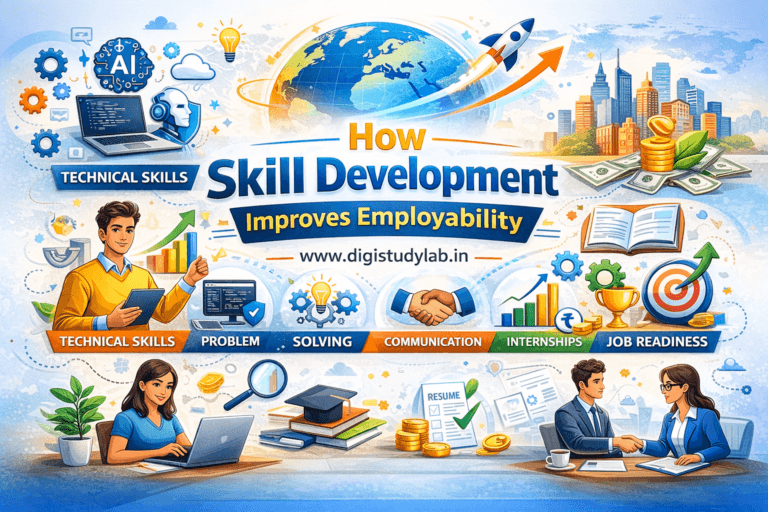
2. Demand for Employability Skills
Employers today look beyond academic qualifications. They seek individuals who possess:
Communication skills
Critical thinking
Technical expertise
Teamwork ability
Skill-based learning helps learners build these qualities, making them more employable.
3. Bridging the Gap Between Education and Industry
There is often a mismatch between what is taught in classrooms and what industries require. Skill-based education connects academic learning with real-world requirements.
It ensures that learners are not just knowledgeable but also capable of performing professional tasks effectively.
4. Encouraging Self-Learning and Innovation
Skill development promotes curiosity and creativity. Instead of following fixed patterns, learners explore new ideas, experiment with solutions, and develop innovative thinking.
This mindset is essential in a rapidly changing world.
5. Preparing for Lifelong Learning
Education does not end with school or college. Continuous learning is necessary for personal and professional growth. Skill-based education develops the ability to learn independently and adapt to new challenges throughout life.
Types of Skills Developed Through Skill-Based Education
Skill-based learning focuses on multiple areas of development. These skills are not limited to technical fields but apply to all aspects of life and work.
Technical Skills
Technical skills relate to specific tasks and professions. Examples include:
Computer programming
Data analysis
Graphic design
Machine operation
These skills help individuals perform specialized jobs effectively.
Communication Skills
Communication is essential in every profession. Skill-based education emphasizes:
Speaking clearly
Writing effectively
Presenting ideas confidently
Strong communication improves teamwork and professional relationships.
Critical Thinking Skills
Critical thinking involves analyzing situations, identifying problems, and finding solutions. It helps individuals make informed decisions.
Skill-based learning encourages learners to question, evaluate, and think independently.
Problem-Solving Skills
Real-life situations often require quick and practical solutions. Skill-based education trains learners to:
Understand challenges
Explore options
Implement solutions
This ability is valuable in both personal and professional contexts.
Time Management Skills
Managing time effectively is essential for productivity. Skill-based education helps learners prioritize tasks and complete them efficiently.
Leadership Skills
Leadership is not limited to managerial roles. It involves taking initiative, guiding others, and making responsible decisions.
Skill-based learning nurtures these qualities from an early stage.
Role of Skill-Based Education in Career Development
Skill-based education plays a major role in shaping career paths. It helps individuals identify their strengths, interests, and potential opportunities.
Career Readiness
Learners who develop skills are better prepared to enter the workforce. They understand industry requirements and can perform tasks confidently.
Entrepreneurship Opportunities
Skill-based education encourages independent thinking and innovation. Individuals can start their own ventures based on their abilities and knowledge.
Adaptability in Careers
Modern careers require flexibility. Skill-based learners can shift between roles, learn new tools, and adapt to changing job environments.
Increased Confidence
When learners know how to apply their knowledge, they gain confidence in their abilities. This confidence improves performance in interviews, workplaces, and real-life situations.
Importance of Skill Development in School Education
Skill-based learning should begin at an early stage. Schools play a crucial role in shaping a learner’s mindset and abilities.
Learning Through Practice
Children understand concepts better when they apply them in practical situations. Activities, experiments, and projects enhance learning outcomes.
Building Curiosity
Skill-based learning encourages questioning and exploration. It helps learners develop curiosity about the world around them.
Developing Independence
When learners engage in practical tasks, they learn to take responsibility and make decisions independently.
Preparing for Higher Education and Careers
Early skill development creates a strong foundation for future learning and professional growth.
Role of Technology in Skill-Based Education
Technology has become a powerful tool for skill development. Digital platforms, online courses, and interactive tools provide opportunities for practical learning.
Access to Learning Resources
Learners can access tutorials, training programs, and skill-development materials from anywhere.
Interactive Learning Methods
Simulations, virtual labs, and digital tools make learning engaging and practical.
Self-Paced Learning
Technology allows learners to study at their own pace, practice skills, and improve gradually.
Skill-Based Education and Competitive Exams
Skill development is not only useful for careers but also for exam preparation.
Analytical Thinking
Competitive exams require logical reasoning and analytical abilities. Skill-based learning strengthens these skills.
Time Management
Practicing skills improves speed and efficiency during exams.
Understanding Concepts
Skill-based education focuses on understanding rather than memorization, which helps in solving complex questions.
Challenges in Implementing Skill-Based Education
While skill-based learning is beneficial, there are certain challenges that need attention.
Lack of Practical Infrastructure
Some institutions may not have the facilities required for hands-on learning.
Traditional Mindset
Many people still believe marks and degrees are the only indicators of success.
Need for Updated Curriculum
Education systems must adapt to include skill development as a core component.
Teacher Training
Educators need training to deliver skill-based education effectively.
Addressing these challenges can improve the adoption of skill-based learning.
Future of Skill-Based Education
Skill-based education will continue to grow as industries demand practical competencies. The future learning environment will focus on:
Real-world problem solving
Digital and technical skills
Creativity and innovation
Continuous learning
Educational platforms, institutions, and digital learning ecosystems will play a major role in promoting this approach.
How Learners Can Adopt Skill-Based Learning
Individuals can actively develop skills through simple steps:
Focus on Practical Application
Apply theoretical knowledge in real situations.
Learn New Tools
Explore digital platforms, software, and technologies.
Participate in Projects
Hands-on projects improve understanding and experience.
Practice Regularly
Skills improve through consistent practice.
Seek Feedback
Learning from mistakes helps improve performance.
Role of Online Learning Platforms
Digital education platforms support skill development by offering structured learning resources, practice materials, and concept-based explanations.
Digistudylab.in focuses on providing educational content that promotes understanding, practical knowledge, and skill development for learners preparing for careers, exams, and personal growth. Such platforms help bridge the gap between knowledge and real-world application.
Benefits of Skill-Based Education
Skill-based education offers several long-term advantages:
Better Career Opportunities
Practical skills increase employability and open diverse career paths.
Improved Learning Experience
Hands-on learning makes education engaging and meaningful.
Stronger Problem-Solving Ability
Learners become capable of handling real-life challenges.
Greater Confidence
Skill development builds self-confidence and independence.
Lifelong Learning Mindset
Individuals continue learning and improving throughout their lives.
Conclusion
Skill-based education is not just a trend; it is a necessity in the modern world. As industries evolve and job requirements change, the ability to apply knowledge becomes more important than memorizing information. This approach prepares individuals for real-life situations, career growth, innovation, and personal development.
By focusing on practical abilities, communication, critical thinking, and adaptability, skill-based education empowers you to succeed in a dynamic environment. It transforms learning into a meaningful process that goes beyond classrooms and textbooks and helps build confidence for real-world challenges.
As the demand for practical knowledge continues to grow, platforms like Digistudylab.in play an important role in spreading awareness, providing educational guidance, and supporting learners in understanding the importance of skills alongside academic knowledge. The future belongs to those who can learn, adapt, and apply what they know effectively, and skill-based education ensures you are prepared for that future.