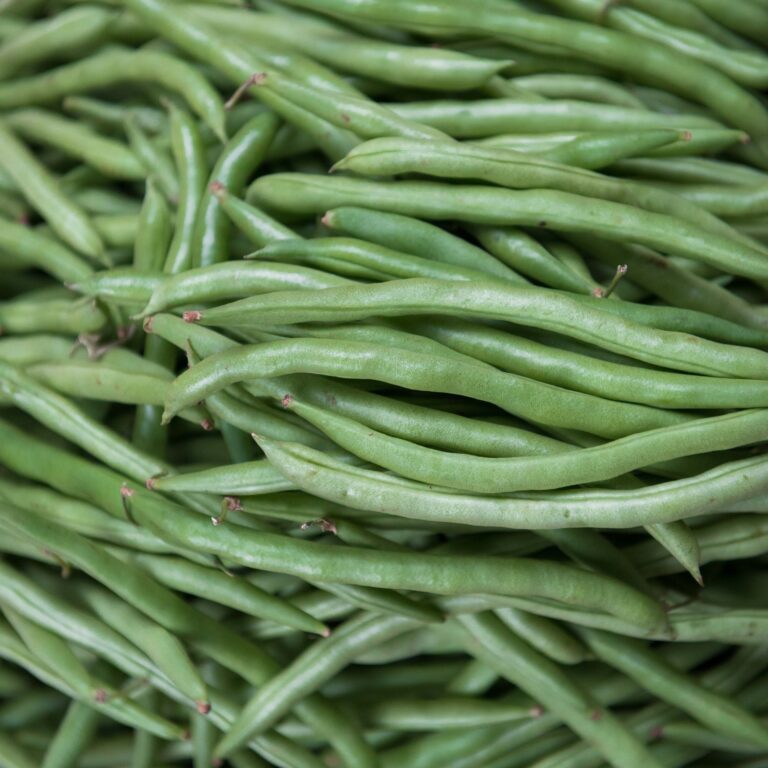
French beans, commonly known as green beans or snap beans, are slender, vibrant green pods that find their way onto plates around the world. Often overshadowed by other popular vegetables like broccoli and spinach, French beans have quietly been providing a powerhouse of nutrients and health benefits to those who consume them. At Digi Study Lab.in, we’re diving into the world of these crunchy delights to enlighten you about the treasures they hold.
1. Packed with Vital Nutrients
French beans are a nutritional goldmine. They are a good source of vitamins, minerals, and plant fiber. Notably:
- Vitamins: Rich in Vitamin C, Vitamin A, and folic acid. These vitamins play a pivotal role in skin health, vision, and the reduction of neural tube defects during pregnancy.
- Minerals: Packed with manganese, potassium, iron, and magnesium. These minerals are essential for bone health, blood pressure regulation, and metabolism.
2. Weight Management Companion
Low in calories yet high in fiber, French beans make you feel fuller for longer. Including them in your diet can help in appetite control, reducing the overall caloric intake – an ideal choice for those looking to maintain or reduce their weight.
3. Boost Heart Health
Being a rich source of flavonoids, French beans have anti-inflammatory properties which can prevent blood clots in the arteries and veins. Regular consumption can reduce the risk of heart diseases and maintain optimal blood pressure levels.
4. A Natural Immunity Booster
The antioxidants found in French beans, including Vitamin C, can help strengthen the immune system. These compounds protect our cells from detrimental free radicals, potentially reducing the risk of chronic diseases.
5. Aid in Digestion
French beans have a good amount of dietary fiber which aids in promoting healthy bowel movements. Consuming them regularly can prevent digestive issues like constipation and irritable bowel syndrome.
6. Great for Diabetics
The fiber in French beans helps in regulating blood sugar levels in the body, making them a great dietary choice for people with diabetes. The low glycemic index ensures that sugar is released slowly into the bloodstream.
How to Incorporate French Beans in Your Diet?
There’s a multitude of ways to enjoy French beans. They can be:
- Steamed and served as a side dish.
- Sautéed with garlic and a sprinkle of salt.
- Added to stews, curries, and casseroles.
- Used in salads with a drizzle of your favorite dressing.
Conclusion:
French beans are not just another vegetable; they’re a nutrition-packed superfood that has a lot to offer. Whether you’re looking to boost your overall health, manage weight, or just add variety to your meals, French beans are a versatile and healthy choice.
At Digi Study Lab.in, we believe in promoting a balanced and informed lifestyle. Dive deep into our platform for more health insights and unleash the power of knowledge.
7. Bone Health Booster
Calcium isn’t the only essential for strong bones. The high Vitamin K content in French beans plays a crucial role in bone mineralization and can reduce the risk of osteoporosis. Additionally, the magnesium in these beans supports bone integrity.
8. Improves Vision
Packed with carotenoids like beta-carotene and lutein, French beans contribute to healthy eyes. These compounds have been linked to a reduced risk of macular degeneration and cataracts, two common eye-related problems in the elderly.
9. Supports Healthy Skin
French beans, rich in Vitamin C, promote collagen synthesis, ensuring your skin remains supple and vibrant. The antioxidants present fend off signs of aging, like wrinkles and age spots.
10. An Energy Booster
While we often turn to caffeine or sugar for an energy surge, nature offers healthier alternatives. The iron content in French beans helps in the transportation of oxygen in the body, ensuring our cells function effectively and keep fatigue at bay.
Incorporating French Beans in International Cuisines
French beans are not only versatile in health benefits but also in culinary uses. Here are some global ways to savor them:
- Asian Stir-fry: Toss French beans with bell peppers, tofu, and soy sauce for a quick and flavorful meal.
- Italian Pasta: Add blanched beans to a cold pasta salad with olives, cherry tomatoes, and a vinaigrette dressing.
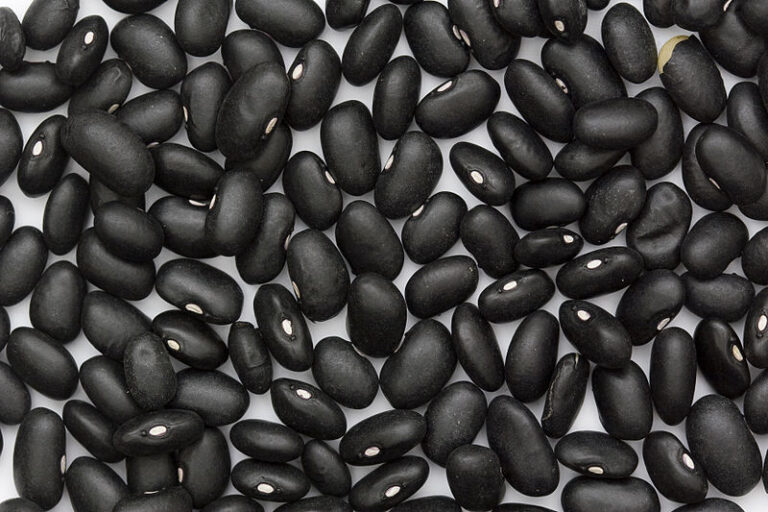
- Mexican Salad: Mix beans with corn, black beans, avocado, and a squeeze of lime for a zesty side dish.
Tips for Choosing and Storing French Beans:
- Opt for beans that are vibrant in color, firm to the touch, and free from blemishes.
- Store them in the refrigerator in a mesh bag to ensure they remain fresh and crisp.
- Before cooking, rinse them thoroughly and snap off the ends.
Final Thoughts:
With a plethora of health benefits and their adaptability in various cuisines, French beans truly deserve more recognition in our diets. They’re not just a side dish; they’re a nutritional superstar.
Stay updated with Digi Study Lab.in as we continue to delve into the wonders of the natural world, unraveling health secrets one post at a time. Your well-being journey is just a click away.
Nutrition Facts of French Beans
Understanding the nutritional profile of French beans can give us a clearer picture of why they’re hailed as a powerhouse of health. Here’s a detailed breakdown of the primary nutrients:
Vitamins:
- Vitamin A: Crucial for maintaining good vision, ensuring proper organ function, and boosting immune health.
- Vitamin C: This antioxidant supports immune function, promotes healthy skin, and aids in wound healing.
- Vitamin K: Essential for the blood clotting process and supporting bone health.
- Folate (B9): Vital for cell function and tissue growth, it’s especially important for pregnant women.
- Vitamin B6: Involved in brain development and function and helps the body convert food into energy.
Minerals:
- Potassium: This essential mineral can help regulate blood pressure, balance fluids, and maintain nerve and muscle cell function.
- Iron: Vital for making the proteins hemoglobin (in red blood cells) and myoglobin (in muscles) which carry oxygen to cells.
- Magnesium: Important for many processes in the body, including regulating muscle and nerve function, blood sugar levels, and blood pressure.
- Calcium: While found in lesser amounts, it’s essential for bone health and muscle function.
- Manganese: This mineral is vital for the processing of cholesterol, carbs, and protein.
Carbs:
French beans contain a modest amount of carbohydrates, making them a great option for those who are carb-conscious. The carbohydrates present in these beans are primarily in the form of natural sugars and starch, which provide energy to our bodies. With their low glycemic index, the carbs in French beans have a slow release, ensuring steady energy without spiking blood sugar levels.
Fiber:
One of the standout features of French beans is their impressive fiber content. Dietary fiber has a host of benefits:
- Digestive Health: It promotes regular bowel movements and can aid in preventing constipation.
- Weight Management: Fiber-rich foods like French beans can keep you feeling full, thereby helping in appetite control.
- Cholesterol Control: Consuming adequate fiber can lead to lower levels of bad cholesterol in your bloodstream.
- Stable Blood Sugar: Fiber slows the absorption of sugar, which can be beneficial for those with diabetes or at risk of developing the condition.
Incorporating French beans into your daily diet not only treats your palate to a delightful crunch but also ensures that you’re fueling your body with essential nutrients. They truly encapsulate the essence of the phrase ‘good things come in small packages’.
Stay tuned with Digi Study Lab.in for more enlightening insights on foods that can transform your health and life!