Published on Digi Study Lab.in
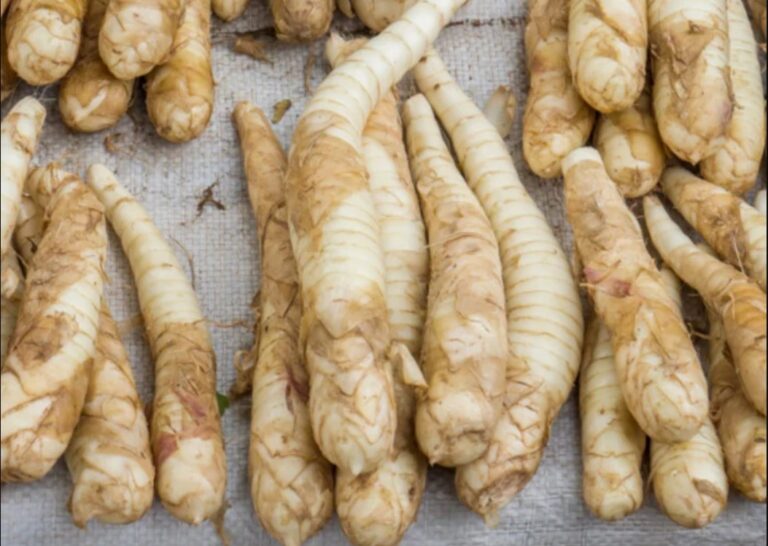
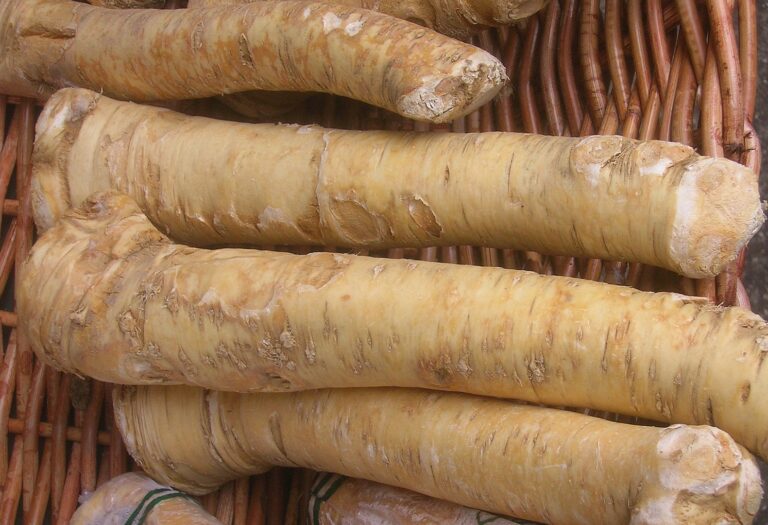
Horseradish, that pungent and fiery root, might just be your pantry’s unsung hero. Its sharp taste often makes it a favorite addition to sauces and dishes, but did you know that it also packs a punch when it comes to health benefits?
1. Rich in Nutrients
Horseradish is not just a flavor enhancer. This root is loaded with essential vitamins and minerals. It’s a good source of Vitamin C, potassium, calcium, magnesium, and phosphorus. Incorporating horseradish into your diet can help you meet your daily nutrient needs.
2. Antioxidant Properties
The compounds found in horseradish can help combat oxidative stress. Oxidative stress is a significant contributor to chronic diseases and aging. By reducing this stress, horseradish may play a role in safeguarding your body against certain health issues.
3. Antibacterial Effects
Horseradish has been traditionally used in folk medicine as a natural antibiotic. Some studies have shown its potential in combating bacterial infections, making it a great natural remedy to have on hand.
4. Supports Healthy Digestion
The natural enzymes in horseradish can assist in breaking down foods in the digestive tract. This not only helps in absorbing nutrients efficiently but also promotes overall digestive health.
5. May Boost Immunity
Thanks to its high Vitamin C content, horseradish can give your immune system a much-needed boost. Regular consumption can help ward off common colds and improve your body’s defense mechanisms.
6. Natural Diuretic
Horseradish can stimulate urine production, which helps in flushing out excess wastes and fluids from the body. This can be particularly beneficial for individuals with high blood pressure or urinary tract infections.
7. Potential Cancer-fighting Properties
Certain compounds in horseradish, like glucosinolates, have shown promise in inhibiting the growth of cancer cells. Including horseradish in your diet may offer added protection against certain types of cancers.
How to Incorporate Horseradish in Your Diet
Horseradish can be grated and added to sauces, spreads, or dressings. You can also use it as a topping for meats or mix it into potato dishes for an added zing. Remember, its strong flavor means a little goes a long way.
In Conclusion
Horseradish is more than just a condiment – it’s a powerhouse of health benefits. By making it a part of your regular diet, you can harness these benefits and promote better well-being.
Visit Digi Study Lab.in for more enlightening pieces on the wonders hidden in everyday ingredients.
Note: While horseradish has numerous health benefits, it’s essential to consume it in moderation. If you have an underlying health condition, it’s always a good idea to consult with a healthcare professional before making significant dietary changes.
8. Sinus and Respiratory Relief
For anyone who has ever eaten a hefty amount of horseradish, the clearing of the sinuses is a familiar sensation. The root’s pungent properties can help in opening up nasal passages, providing relief from congestion. Its natural compounds may also aid in thinning mucus, making it easier to expel, thereby assisting those with respiratory issues or common cold symptoms.
9. Bone Health and Density
The calcium, magnesium, and phosphorus found in horseradish play pivotal roles in bone health. Incorporating it into your diet can help in ensuring the proper development and strengthening of bones, potentially reducing the risk of osteoporosis in the long run.
10. Metabolic Boost and Weight Management
Horseradish contains certain enzymes that can help to stimulate digestion and increase metabolism. This can potentially aid in burning more calories and might assist those looking to manage their weight more effectively.
11. Anti-inflammatory Benefits
The root’s natural compounds have shown anti-inflammatory properties. Consuming horseradish might offer relief to those suffering from inflammatory conditions like arthritis or muscle aches. Its antioxidants also help combat inflammation on a cellular level.
12. Skin Health and Healing
The abundant Vitamin C in horseradish not only boosts the immune system but also plays a role in collagen production, crucial for skin health and wound healing. Some traditional remedies also use horseradish paste topically to treat minor cuts and skin infections due to its antibacterial properties.
Tips for Storing and Using Horseradish
- Store fresh horseradish root in the refrigerator, wrapped in plastic, for best shelf life.
- To retain its pungent flavor, grated horseradish should be used immediately or stored in a vinegar solution.
- Always handle horseradish in a well-ventilated area, especially when grating, to prevent eye irritation from its strong vapors.
- If you’re new to horseradish, start with smaller amounts to gauge your taste preference and tolerance.
Final Thoughts
Horseradish’s fiery flavor might not be for everyone, but its myriad of health benefits makes it a worthy addition to many dishes. From spicing up sauces to being the star ingredient in traditional remedies, this humble root has secured its spot as a beneficial and versatile food.
Keep exploring the health secrets of everyday ingredients with Digi Study Lab.in. Your path to a healthier lifestyle is filled with surprising discoveries!
Disclaimer: Individual reactions to horseradish can vary. Always start with small amounts to ensure you do not have any adverse reactions.
Nutrition Facts of Horseradish
Horseradish, besides being a flavor dynamo, boasts an impressive nutritional profile. Delving deeper, we can uncover the specifics that make this root a standout in terms of health benefits.
Vitamins
Horseradish is a good source of several vitamins, with the most prominent being:
- Vitamin C: An essential vitamin that is not only pivotal for immune function but also for skin health, wound healing, and the absorption of iron from plant-based foods.
- Folate (B9): Important for DNA synthesis and cell division, making it particularly significant during periods of rapid growth, like pregnancy.
- Vitamin B6: Assists in neurotransmitter production and may play a role in mood regulation and brain health.
- Vitamin K: Key for blood clotting and bone metabolism.
Minerals
The root is also rich in several minerals that play vital roles in the body:
- Potassium: Helps regulate fluid balance, muscle contractions, and nerve signals.
- Calcium: Beyond being the cornerstone for bone health, calcium also aids in muscle function and nerve signaling.
- Magnesium: Crucial for muscle function, bone health, and energy production.
- Phosphorus: Works closely with calcium in building strong bones and teeth.
- Iron: Essential for blood production and oxygen transport in the body.
Carbs
Carbohydrates are the primary energy source for our body. A 100-gram serving of prepared horseradish contains approximately 11 grams of carbs. It’s worth noting, though, that horseradish is typically consumed in much smaller amounts due to its potent flavor, meaning its carb contribution to your daily intake is likely minimal.
Fiber
Dietary fiber offers numerous health benefits, from aiding digestion to helping manage blood sugar levels. Horseradish provides about 3.3 grams of fiber per 100 grams. This makes it a decent source of dietary fiber, especially considering the small amounts in which it is typically consumed. The fiber in horseradish can promote digestive health, assist in maintaining regular bowel movements, and support overall gut health.
Concluding Thoughts
While horseradish is often regarded for its intense flavor and heat, its nutritional composition shouldn’t be overlooked. The myriad of vitamins, minerals, carbs, and fiber present in this root further elevates its status in the culinary and health world. Whether you’re introducing it to your dishes for taste or health reasons, horseradish proves to be a formidable ally in the kitchen.
Remember to keep visiting Digi Study Lab.in for more insights into the nutritional wonders of everyday foods!
Note: All nutritional values mentioned are approximate and can vary based on preparation method and source.