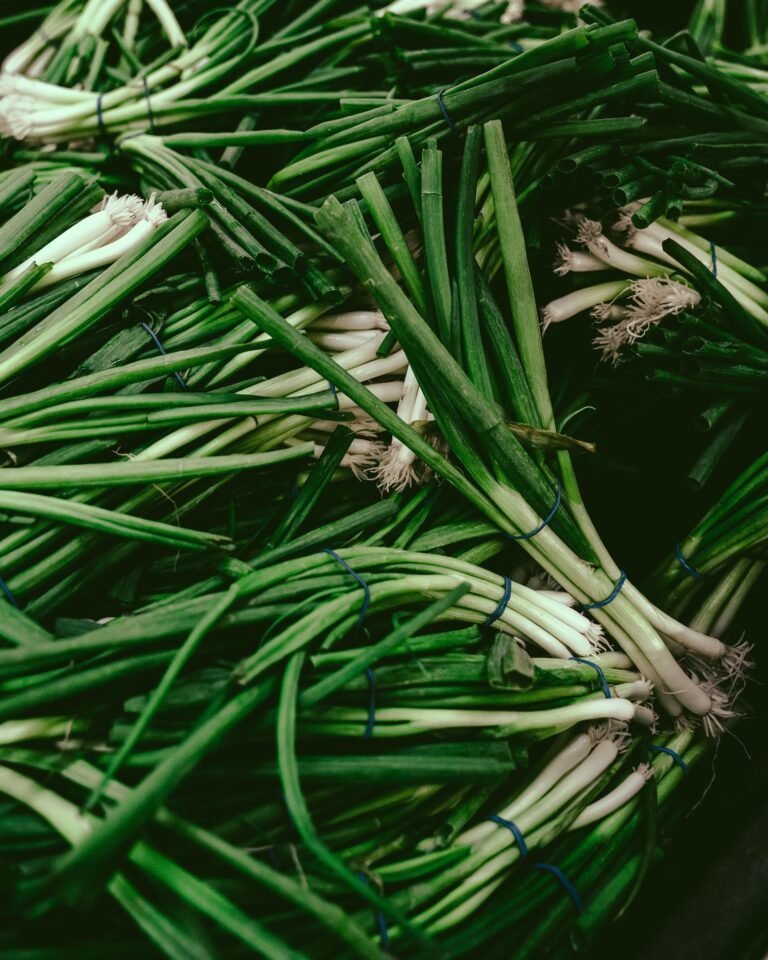
Leeks, a member of the onion family, might not be the first vegetable you think of when considering a healthy diet, but they hold a myriad of health benefits that shouldn’t be overlooked. From their subtle, sweet flavor to their impressive nutrient profile, leeks are a versatile and vital addition to a balanced diet. Dive into this article, brought to you by Digi Study Lab.in, to discover why you should be incorporating leeks into your next meal.
1. Nutrient-Rich Powerhouse
Leeks are packed with essential vitamins and minerals. A 100g serving of leeks provides a good amount of vitamin A, essential for vision and immune system function. Additionally, they are a source of vitamin C, vitamin K, and folate, contributing to overall health, bone strength, and cell function.
2. Beneficial for Heart Health
Leeks contain kaempferol, a type of flavonoid that may help protect against certain heart diseases and cancers. Additionally, they are a good source of dietary fiber, which can aid in reducing bad LDL cholesterol, a leading risk factor for heart disease.
3. Digestive Health Support
The dietary fiber present in leeks promotes healthy digestion by preventing constipation and promoting regular bowel movements. They are also a source of prebiotics, which supports beneficial gut bacteria, leading to a healthier digestive system.
4. Natural Detoxifier
Leeks have diuretic properties that can help the body flush out excess salts and toxins. This is particularly beneficial for those with high blood pressure or other conditions related to water retention.
5. Bone Health
Thanks to their vitamin K content, leeks play a role in bone health by helping in the bone matrix protein formation and preventing osteoporosis. Regular consumption of vitamin K-rich foods like leeks ensures stronger, healthier bones.
6. Aid in Skin Health
The vitamin A content in leeks can help maintain healthy skin. This nutrient is known to promote skin cell growth, reduce wrinkles, and even combat acne.
7. Supports Weight Management
Being low in calories and high in dietary fiber, leeks can be a great addition to a weight management diet. The fiber keeps you feeling full for longer, preventing overeating.
Incorporating Leeks in Your Diet
Leeks are versatile and can be used in a variety of dishes. Whether you’re stirring them into soups, adding them to salads, or sautéing them as a side dish, their subtle flavor complements a range of recipes. And given their impressive health benefits, there’s every reason to make them a regular part of your menu.
Conclusion
Leeks might be understated when compared to their vibrant vegetable counterparts, but they are undeniably packed with health benefits. From heart health to skin vitality, this humble vegetable offers a myriad of reasons to be included in your daily diet. So, next time you’re at the grocery store or farmer’s market, don’t overlook the leeks. Embrace their potential and enjoy the benefits they bring to the table.
Experience more insightful articles and information at Digi Study Lab.in, where knowledge meets application.
Leek Recipes to Get You Started
For those who are unfamiliar with how to use leeks or are simply looking for some culinary inspiration, here are a few recipes to consider:
Leek and Potato Soup
This classic dish is a delightful combination of creamy potatoes and the delicate taste of leeks. Seasoned with a touch of garlic, thyme, and a dash of cream, this soup is comfort in a bowl.
Leek Quiche
Elevate your brunch game with a savory leek quiche. Combine tender leeks with eggs, cheese, and a crispy crust for a mouthwatering delight. Add some spinach or mushrooms for an extra layer of flavor.
Leek Risotto
A creamy, rich risotto gets an upgrade with the addition of leeks. Their natural sweetness pairs perfectly with the creaminess of Arborio rice. Top with some grilled chicken or shrimp for a complete meal.
Braised Leeks
Simple and delicious, braised leeks are a side dish that pairs perfectly with grilled meats or fish. Drizzle them with a vinaigrette or a touch of balsamic reduction for an extra burst of flavor.
Tips for Selecting and Storing Leeks
- Selection: Look for leeks that are firm with bright green leaves. Avoid those with yellowed or wilted tops.
- Storage: Store leeks in the refrigerator’s crisper drawer, wrapped in a damp cloth or plastic bag. They should be consumed within one to two weeks.
- Cleaning: Leeks can trap dirt between their layers. To clean, slice them and rinse thoroughly under running water or soak them in a bowl of water, swirling around to release the dirt.
Conclusion: The Versatile Leek
While leeks are often overshadowed by other vegetables, their myriad of health benefits and versatile culinary uses make them a worthy addition to any kitchen. As you venture into the world of leeks, you’ll not only boost your health but also add a touch of gourmet flair to your dishes.
Stay tuned to Digi Study Lab.in for more exciting insights into the world of health, food, and beyond. Your journey to knowledge and application has only just begun!
Nutrition Facts of Leeks
Leeks might appear humble, but their nutritional profile is anything but modest. Whether you consume them raw in salads or cooked in soups, you’ll be imbuing your diet with a range of beneficial nutrients.
Vitamins
Leeks are a veritable vitamin powerhouse:
- Vitamin A: Essential for vision, skin health, and proper immune system function. Leeks, especially the green parts, are rich in this vitamin.
- Vitamin C: Apart from being a powerful antioxidant, vitamin C is vital for collagen synthesis, absorption of iron, and enhancing immune functionality.
- Vitamin K: A key vitamin in the blood clotting process and bone health.
- Folate (Vitamin B9): Especially crucial during pregnancy, folate supports neural tube formation and helps in the synthesis of DNA and RNA.
Minerals
Leeks also offer a good blend of essential minerals:
- Iron: Necessary for the formation of red blood cells and transporting oxygen throughout the body.
- Magnesium: Involved in multiple biochemical reactions in the body, magnesium helps in muscle function, nerve function, and energy production.
- Calcium: Beyond just bone health, calcium aids in muscle function, nerve signaling, and promoting heart health.
- Potassium: Helps regulate blood pressure, fluid balance, and is essential for nerve and muscle cell functioning.
Carbs
Carbohydrates serve as a primary energy source for the body. Leeks, being a vegetable, have a relatively low carb content. Most of the carbohydrates in leeks come from simple sugars, like glucose and fructose, but they also contain small amounts of starch. Importantly, the carb content is offset by their fiber and water content, meaning their impact on blood sugar is minimal.
Fiber
One of the standout features of leeks is their dietary fiber content. Fiber plays a pivotal role in ensuring a healthy digestive system. It adds bulk to stools, aids in preventing constipation, and supports a healthy gut microbiome. Regular consumption of fiber-rich foods like leeks can also contribute to weight management and reduce the risk of chronic diseases like heart disease and type 2 diabetes.
Final Thoughts
When considering additions to a balanced diet, leeks should certainly feature on the list. Their rich blend of vitamins, minerals, and essential dietary fiber makes them not just a flavorful choice, but also a health-promoting one.
Stay informed, stay healthy, and always seek out the wonder in everyday foods. For more enlightening articles and nutritional insights, keep exploring Digi Study Lab.in. Your wellness journey is only a click away!