Welcome to Digi Study Lab.in, where we explore the fascinating world of food and its numerous benefits to our health. Today, we’re diving deep into the world of Taro root, an underappreciated gem that has been a staple in many cultures for thousands of years. Whether you’re a seasoned taro fan or a newbie looking to diversify your diet, this post will provide insights into the incredible health benefits of this root vegetable.
1. Introduction to Taro Root
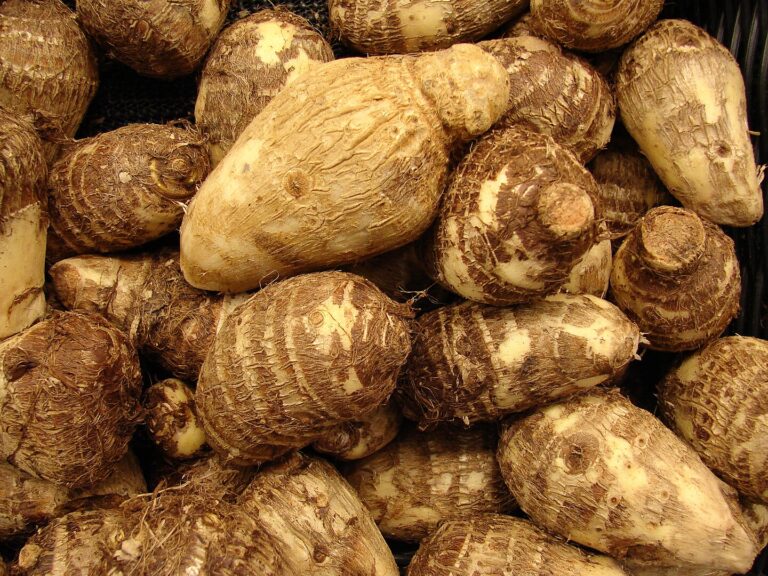
Taro root, scientifically known as Colocasia esculenta, is a versatile and nutrient-dense vegetable native to Southeast Asia and India. Often compared to potatoes in terms of texture and taste, taro root has a slightly nuttier flavor with a hint of sweetness.
2. Rich in Essential Nutrients
Taro root is a powerhouse of vitamins and minerals. Here’s a quick overview:
- Vitamin E: Excellent for skin health and protection against harmful UV rays.
- B Vitamins: Essential for energy metabolism and nervous system health.
- Magnesium and Potassium: These minerals aid muscle function, help maintain a healthy heart, and regulate blood pressure.
3. Dietary Fiber for Digestive Health
One of the standout benefits of taro root is its high dietary fiber content. Regular consumption of taro can:
- Support regular bowel movements.
- Reduce the risk of developing constipation.
- Aid in the absorption of nutrients in the intestines.
4. Low Glycemic Index (GI)
Taro root has a lower glycemic index compared to regular potatoes. This means it raises blood sugar levels more gradually, making it a preferable choice for diabetics and those watching their blood sugar.
5. Boosts Immune System
Taro root contains a good amount of vitamin C, a powerful antioxidant that:
- Helps in fighting off infectious agents.
- Speeds up wound healing.
- Enhances the absorption of non-heme iron, reducing the risk of iron-deficiency anemia.
6. Supports Heart Health
The potassium in taro root can help regulate heart rate and blood pressure, making it beneficial for cardiovascular health. Moreover, the fiber in taro can help lower bad cholesterol levels, further reducing the risk of heart diseases.
7. Contains Disease-Fighting Antioxidants
Antioxidants play a crucial role in neutralizing harmful free radicals. Taro root contains quercetin, a flavonoid antioxidant known for its anti-inflammatory and anti-cancer properties.
8. A Versatile Culinary Ingredient
Beyond its health benefits, taro root is a culinary delight. It can be roasted, mashed, boiled, or fried and is a key ingredient in dishes like the Hawaiian poi or the Filipino dessert, ginataang bilo-bilo.
Conclusion
Taro root is more than just a tasty treat; it’s a nutritional powerhouse. Incorporating this versatile root vegetable into your diet can offer a range of health benefits from improved digestion to enhanced heart health. So, the next time you’re at the grocery store or local market, don’t overlook the humble taro root. Give it a try and enjoy both its delightful taste and its health-enhancing properties.
Stay tuned to Digi Study Lab.in for more in-depth dives into the world of food and health. Your body and taste buds will thank you!
9. Skin Health and Beauty Benefits
Apart from its rich nutrient content, taro root is also known for its beauty benefits, particularly for skin health. Its high vitamin E and vitamin A content are essential for maintaining healthy skin, providing natural hydration, and promoting a radiant complexion. Using taro root-based products or masks can:
- Provide natural hydration to the skin.
- Reduce signs of aging by diminishing fine lines and wrinkles.
- Promote faster healing of scars and blemishes.
10. Weight Management
The dietary fiber in taro root not only aids in digestion but can also help those aiming to lose or maintain weight. The fiber gives a feeling of fullness and satiety, thus reducing the overall intake of calories. Furthermore, its low glycemic index ensures that there’s no rapid spike in blood sugar, which can lead to cravings and overeating.
11. A Source of Resistant Starch
Resistant starch acts similarly to soluble fiber and offers numerous health benefits. It promotes gut health by feeding the beneficial bacteria in the gut. This can lead to improved fat burning, reduced fat storage, and enhanced insulin sensitivity. Taro root, when cooked and then cooled, increases its resistant starch content, making it beneficial for those focused on gut health.
12. Traditional Medicinal Uses
For centuries, different parts of the taro plant, including its leaves and root, have been used in traditional medicine. In certain cultures:
- Taro root paste is applied to insect bites and stings for relief.
- The leaves, when crushed, are used to reduce swelling and pain in inflamed areas.
- It’s believed to have detoxifying properties when consumed in specific preparations.
13. Environmentally Friendly Crop
Growing taro root is generally considered environmentally sustainable. The plant requires less intensive farming methods than other staple crops, making it a more eco-friendly choice. By choosing to incorporate more taro into our diets, we are not only benefiting our health but also promoting sustainable agricultural practices.
Conclusion (Continued)
As we continue to understand the depth of benefits offered by taro root, it becomes evident why it has been cherished by so many cultures for millennia. It’s not just a source of sustenance; it’s a treasure trove of health and wellness. So, whether you’re looking to diversify your meals, boost your nutrient intake, or explore new culinary adventures, taro root awaits with its array of benefits.
For more enlightening insights into the realm of health and nutrition, keep visiting Digi Study Lab.in. Your journey to well-being is just a click away!
Taro Root Deep Dive: Nutritional Breakdown
Taro root, aside from its delightful taste and versatility in the kitchen, is a dense source of nutrients. Let’s break down its nutrition facts to truly understand the powerhouse that is taro root.
Nutrition Facts
For a 100g serving of taro root:
- Calories: 112
- Protein: 2g
- Total Fat: 0.2g
- Saturated Fat: 0.04g
- Polyunsaturated Fat: 0.08g
- Monounsaturated Fat: 0.03g
- Total Carbohydrates: 27g
- Dietary Fiber: 4.1g
- Sugars: 0.4g
Vitamins
Taro root is a good source of several essential vitamins:
- Vitamin C: This antioxidant plays a pivotal role in immune function and skin health. A 100g serving provides about 4.5mg, which is approximately 5% of the daily recommended intake.
- Vitamin E: Essential for protecting the body against oxidative damage. Taro provides around 2.38mg per 100g.
- Vitamin B-complex: Taro is rich in several B-vitamins like thiamine (B1), riboflavin (B2), niacin (B3), and folate (B9), which are integral for energy production and cognitive functions.
Minerals
Taro root also provides an array of minerals essential for bodily functions:
- Potassium: Vital for heart health and muscle function. A 100g serving offers around 591mg.
- Magnesium: Important for muscle and nerve function. Taro provides around 33mg per 100g.
- Phosphorus: Necessary for bone health and energy production. You can get about 84mg from a 100g serving.
- Iron: Essential for the transportation of oxygen in the blood. Taro offers about 0.55mg per 100g.
- Calcium: Known for its role in bone health, a 100g serving of taro provides around 43mg.
Carbs
The carbohydrates in taro root are primarily complex carbs, which provide a steady source of energy. This makes taro a sustainable energy source, as opposed to foods that contain simple sugars, which can cause rapid spikes and drops in blood sugar levels.
Fiber
One of the standout features of taro root’s nutritional profile is its fiber content. Providing 4.1g of dietary fiber per 100g serving, taro can:
- Support gut health by promoting regular bowel movements.
- Aid in controlling blood sugar levels.
- Help in reducing cholesterol levels, supporting heart health.
Conclusion (Further Continued)
Diving into the nutritional breakdown of taro root showcases its profound health benefits and reinforces its importance as a dietary staple. Whether you’re crafting a nutrition plan, aiming for a balanced diet, or simply exploring healthful foods, taro root stands out as a must-have.
For a holistic approach to health, wellness, and nutrition, remember to frequent Digi Study Lab.in. Empower your health choices with knowledge and elevate your well-being!