Welcome to another insightful post from Digi Study Lab.in, where we delve deep into the world of health and nutrition. Today, we’re exploring the wonders of Amaranth, an ancient grain with remarkable health benefits.
1. A Brief Introduction to Amaranth
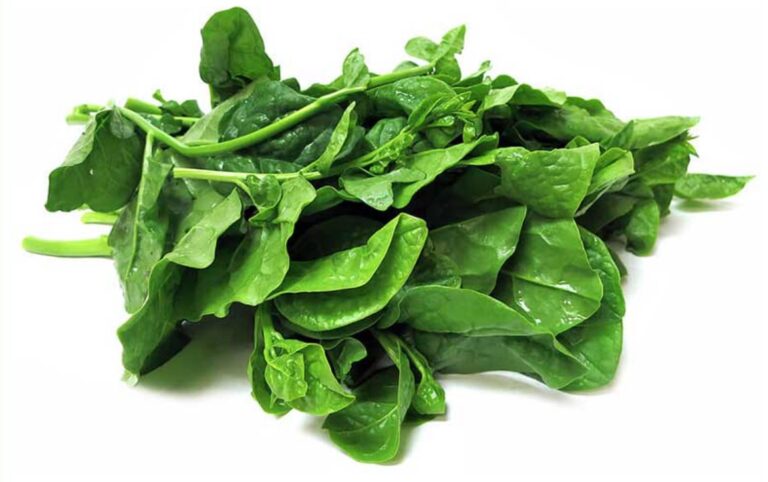
Amaranth, often referred to as the “never-fading flower” in ancient Greek, is not just a pretty flower but a nutrient-rich grain. It’s been cultivated for over 8,000 years and was a staple in the diets of the ancient Aztecs. Fast forward to today, this grain is making a comeback as a superfood in modern diets.
2. Rich in Protein
One of the standout qualities of amaranth is its high protein content. Compared to other grains, amaranth offers a complete protein, meaning it contains all nine essential amino acids which our body can’t produce. Including amaranth in your diet can be especially beneficial for vegetarians and vegans looking for plant-based protein sources.
3. Packed with Essential Minerals
Amaranth is a fantastic source of various minerals. Especially noteworthy is its magnesium and iron content. Magnesium plays a pivotal role in many bodily functions, including muscle function, nerve function, and energy production. Iron, on the other hand, is crucial for transporting oxygen throughout the body.
4. A Treasure Trove of Antioxidants
Antioxidants are vital for our health as they combat free radicals in our body, which can cause oxidative stress and lead to chronic diseases. Amaranth is teeming with antioxidants like gallic acid, quercetin, and rutin, which support overall health.
5. Gluten-Free Goodness
For those with gluten sensitivity or celiac disease, finding grains that fit within their dietary needs can be challenging. Amaranth, being naturally gluten-free, is a great alternative to traditional grains.
6. Promotes Digestive Health
Amaranth is high in fiber, which aids in digestion and promotes a healthy gut. Regular consumption can help in preventing constipation and promoting regular bowel movements.
7. Supports Heart Health
The presence of phytosterols in amaranth can play a role in reducing cholesterol, thereby promoting heart health. Plus, the potassium content can help in maintaining healthy blood pressure levels.
8. Aids in Weight Management
Given its high fiber and protein content, amaranth can make you feel full longer, reducing the chances of overeating. This makes it an ideal food for those looking to manage or reduce their weight.
Conclusion:
Embracing amaranth in your diet can be a step towards a healthier lifestyle. Whether you sprinkle it on your salad, make a hearty porridge, or mix it into your smoothies, this versatile grain is a gem in the world of nutrition.
For more insightful articles and in-depth explorations into the world of health and nutrition, stay tuned to Digi Study Lab.in. Your health is an investment, not an expense. Invest wisely!
9. Suitable for Diabetics
Amaranth’s low glycemic index makes it an excellent choice for those watching their blood sugar. Regular consumption can help in stabilizing blood sugar levels, making it a beneficial grain for diabetics. Moreover, the magnesium in amaranth can improve insulin response, further supporting glucose regulation.
10. Strengthens Bones
Apart from being rich in magnesium, which is vital for bone health, amaranth also boasts a good amount of calcium. Both these minerals play a crucial role in bone formation and maintenance. Incorporating amaranth into your diet can contribute to stronger bones and potentially reduce the risk of osteoporosis.
11. Fights Inflammation
Chronic inflammation can lead to various health issues, from cardiovascular diseases to arthritis. The presence of potent antioxidants in amaranth helps in combating inflammation, making it a superfood for those looking to reduce inflammation-related ailments.
12. Easy to Incorporate into Diverse Dishes
Amaranth’s mild and nutty flavor makes it easy to add to a variety of dishes. Whether it’s soups, salads, or baked goods, amaranth can elevate the nutritional profile of your meal without overpowering its taste. It also pops like popcorn, offering a unique, crunchy snack.
13. Enhances Skin Health
Rich in antioxidants and vitamins, particularly vitamin E, amaranth can play a role in promoting skin health. These nutrients help combat skin aging, reduce sun damage, and can potentially improve skin tone and texture.
14. Boosts Immune System
The vitamins and minerals found in amaranth, especially zinc and iron, are essential for a robust immune system. By including amaranth in your diet, you can enhance your body’s ability to fend off common illnesses and infections.
Conclusion (Updated):
The myriad health benefits of amaranth make it clear why this ancient grain is revered in various cultures. As more people discover its virtues, amaranth is set to shine even brighter in the galaxy of superfoods. At Digi Study Lab.in, we always strive to enlighten our readers with valuable information. Remember, the path to wellness starts with informed choices. Dive deeper into the world of health with us and keep your wellbeing in check!
Nutrition Facts of Amaranth
Amaranth’s nutritional profile is both diverse and impressive. Understanding these facts will make it evident why it’s often labeled a ‘superfood’.
Vitamins
Amaranth is a good source of several essential vitamins, which play a critical role in maintaining optimal health:
- Vitamin A: Vital for vision, growth, and immune functions.
- Vitamin C: A potent antioxidant, critical for skin health and immune functions.
- Vitamin E: A powerful antioxidant that protects our cells from damage and is also essential for skin and eye health.
- Vitamin B6 (Pyridoxine): Helps in the metabolism of fats, and the production of neurotransmitters.
- Folate (Vitamin B9): Plays a key role in cell division and is especially important during pregnancy.
Minerals
The mineral content in amaranth is one of its standout features:
- Magnesium: A critical mineral for many bodily functions including muscle contractions and nerve transmissions.
- Iron: Essential for the creation of red blood cells and transporting oxygen throughout the body.
- Calcium: Crucial for bone health, nerve signaling, and muscle functions.
- Phosphorus: Plays a role in the formation of DNA, RNA, and bone health.
- Zinc: Vital for immune function, protein synthesis, and DNA formation.
- Manganese: Supports bone formation, blood clotting, and reduces inflammation.
Carbs
Amaranth is a source of complex carbohydrates. When consumed, these carbs are broken down at a gradual pace, ensuring a steady release of energy. This makes amaranth a beneficial grain for maintaining consistent energy levels throughout the day without drastic spikes in blood sugar.
Fiber
A high-fiber diet offers numerous health benefits, and amaranth doesn’t fall short in this department. It’s rich in dietary fiber which aids in digestion, helps in maintaining healthy cholesterol levels, and supports overall gut health. Regular consumption of amaranth can contribute to regular bowel movements and potentially aid in weight management due to the satiety it provides.
Conclusion (Further Updated):
With its rich vitamin and mineral content combined with beneficial carbs and fiber, amaranth stands out as a holistic nutritional powerhouse. As we delve deep into the fabric of nutrition at Digi Study Lab.in, it’s grains like amaranth that affirm the importance of a balanced diet. Embrace the richness of this ancient grain and journey towards a healthier you with informed dietary choices. Stay tuned with us for more enlightening insights into the realm of nutrition and health.