Welcome to Digi Study Lab.in, your trusted source for insightful information on the foods that impact your well-being. Today, we’re diving deep into the world of vegetables to spotlight an underrated gem – the red cabbage.
What Makes Red Cabbage Stand Out?
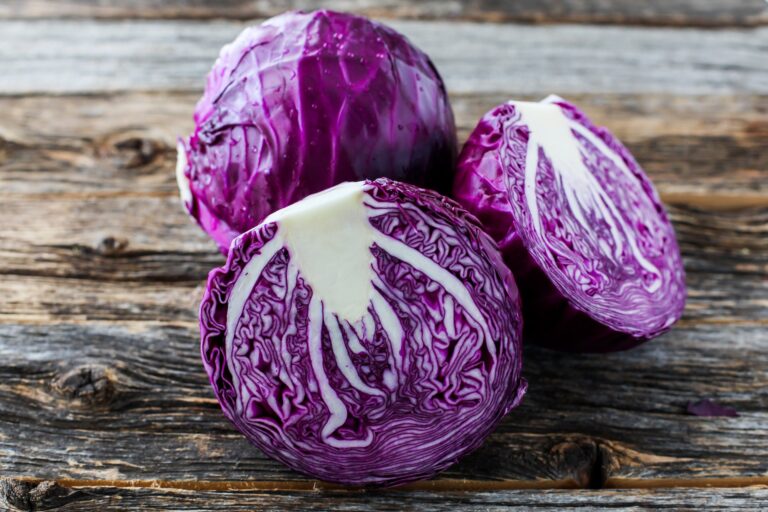
Visually captivating with its deep purple hues, red cabbage is not just a delight for the eyes but a nourishing treat for the body. Belonging to the Brassica family, which also includes broccoli and Brussels sprouts, red cabbage brings a mild, peppery flavour that makes it an excellent addition to salads, coleslaws, and stir-fries.
The Health Benefits of Red Cabbage
- Rich in Vitamins and Minerals: Red cabbage is a powerhouse of essential vitamins and minerals. Particularly noteworthy are Vitamin C and Vitamin K. While Vitamin C is known for its immunity-boosting properties, Vitamin K plays a vital role in blood clotting and bone metabolism.
- Loaded with Antioxidants: The vibrant purple color of red cabbage is an indicator of its high anthocyanin content. Anthocyanins are a type of antioxidant that fight against oxidative stress in our bodies, reducing the risk of chronic diseases.
- Promotes Digestive Health: Packed with fiber, red cabbage aids in digestion, helping prevent constipation and maintaining a healthy gut.
- Supports Heart Health: Red cabbage contains potassium which can help regulate blood pressure levels, promoting overall heart health.
- Boosts Immune Function: The high content of Vitamin C not only acts as an antioxidant but also enhances the body’s ability to combat harmful microbes.
- Weight Management: Being low in calories and high in dietary fiber, red cabbage can make you feel full, reducing the likelihood of overeating.
Incorporating Red Cabbage into Your Diet
The versatility of red cabbage allows for its easy incorporation into various dishes. Here are some ideas to get you started:
- Salads: Chop red cabbage finely and toss it with other veggies, some feta cheese, olive oil, and lemon juice.
- Stir-fries: Add thinly sliced red cabbage to your favourite stir-fry recipe for an extra crunch and vibrant color.
- Pickled: Enhance the taste and longevity of red cabbage by pickling it with vinegar, salt, and other spices.
- Juiced: Blend red cabbage with apples, carrots, and ginger for a revitalizing drink.
Conclusion
Red cabbage is much more than just a colorful addition to your plate. It’s a nutritious vegetable that offers a multitude of health benefits. Next time you’re at the market, don’t just pass by this purple wonder; instead, embrace its benefits and enjoy its delightful taste. For more insights on healthy foods and nutrition, stay tuned to Digi Study Lab.in.
Delving Deeper: The Science Behind Red Cabbage
Beyond the basic health benefits, it’s fascinating to see the intricate science that underlies the goodness of red cabbage.
1. Cancer-Fighting Compounds:
Red cabbage is rich in sulforaphane, a compound derived from glucosinolates. Studies suggest that sulforaphane has the potential to inhibit the growth of cancer cells. While research is ongoing, it’s encouraging to think of our humble red cabbage as a potential warrior in the fight against cancer.
2. Natural Detoxifier:
This cruciferous vegetable has detoxifying agents that aid in breaking down toxins in the liver. Including red cabbage in your regular diet can assist your body’s natural detoxification process, promoting overall health.
3. Skin Health:
The antioxidants present in red cabbage, especially Vitamin C, play a pivotal role in the production of collagen, which provides strength and structure to your skin. This means that regular consumption can contribute to youthful, glowing skin.
4. Bone Strength:
Red cabbage is a source of several minerals, including calcium and magnesium, essential for bone growth and strength. Incorporating it into your diet can be especially beneficial for people at risk of osteoporosis.
5. Anti-inflammatory Properties:
Chronic inflammation is a potential root of many diseases. The phytonutrients present in red cabbage exhibit anti-inflammatory properties, which can combat chronic inflammation and thus contribute to disease prevention.
Recipes to Inspire Your Next Meal
Red Cabbage Soup:
This hearty soup combines the flavors of red cabbage, onions, tomatoes, and spices, making it both delicious and nutritious. A hot bowl of red cabbage soup on a chilly day can be incredibly comforting.
Red Cabbage Slaw with Creamy Dressing:
A twist on the traditional coleslaw, this recipe combines thinly sliced red cabbage, carrots, and a creamy dressing made of yogurt, lemon, and herbs. It’s a perfect side dish for barbecues or picnics.
Conclusion: The Mighty Cabbage Reigns Supreme
The benefits of red cabbage extend far beyond its visual appeal. It’s a treasure trove of essential nutrients and health-promoting compounds. Whether you choose to eat it raw, cooked, pickled, or juiced, incorporating red cabbage into your meals is a decision your body will thank you for.
Remember, while individual foods like red cabbage offer numerous health benefits, they should be consumed as part of a balanced diet. For more exciting, health-centric articles and insights, remember to check back with us at Digi Study Lab.in. We’re dedicated to bringing you the best in digital study and nutrition content!
Understanding Red Cabbage: A Deep Dive into Nutrition Facts
At Digi Study Lab.in, we believe in diving deep into the details to ensure our readers receive comprehensive information. Let’s delve into the specific nutritional components of red cabbage to understand why this vibrant vegetable deserves a spotlight on our plates.
Vitamins:
Red cabbage is a veritable treasure trove of essential vitamins, each playing a distinct role in our overall health:
- Vitamin C: Known for its immune-boosting properties, this antioxidant helps repair tissues, aids in the absorption of iron, and promotes healthy skin.
- Vitamin K: This fat-soluble vitamin is crucial for blood clotting and bone health.
- Vitamin A: Essential for vision, growth, and immune function, Vitamin A in red cabbage comes in the form of beta-carotene, which our bodies can convert into the active form of this vitamin.
- Vitamin B6: Playing a vital role in metabolism, Vitamin B6 helps convert food into energy and is essential for brain development.
Minerals:
These micronutrients are essential for various physiological functions:
- Potassium: This essential mineral helps control blood pressure, balance fluids, and support nerve and muscle cell function.
- Calcium: Beyond its role in bone health, calcium helps with muscle function, nerve signaling, and blood clotting.
- Magnesium: Essential for muscle and nerve function, bone formation, and energy production.
- Iron: Crucial for the production of red blood cells, which carry oxygen throughout the body.
Carbs:
Carbohydrates are the primary energy source for our body:
- Red cabbage contains a modest amount of carbs, which are primarily in the form of simple sugars and fiber. The sugar provides a quick energy source, while the fiber ensures a slow, steady release of energy.
Fiber:
Fiber is the unsung hero of digestive health:
- Red cabbage is a good source of dietary fiber. Fiber aids digestion by adding bulk to stools and softening them, which helps prevent constipation.
- Additionally, fiber plays a pivotal role in managing blood sugar levels, reducing cholesterol, and even aiding in weight management by promoting feelings of fullness.
Conclusion: A Nutritional Powerhouse on Your Plate
With its impressive array of vitamins, minerals, carbs, and fiber, red cabbage is more than just a pretty face on the vegetable aisle. Incorporating it into your regular diet can bring a wealth of health benefits, from boosting immunity to supporting heart health. Next time you’re crafting your grocery list, make sure to pencil in this nutritional superstar.
Stay tuned to Digi Study Lab.in for more enlightening pieces on nutrition, health, and much more. Your well-being is our top priority!