Published on Digi Study Lab.in
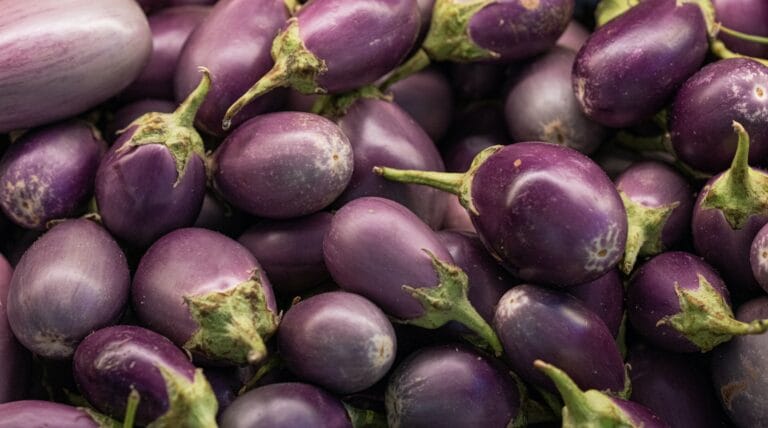
Brinjal, more commonly known as eggplant or aubergine in different parts of the world, is not just a versatile ingredient in the culinary world but also a treasure trove of health benefits. From the rich purple hue to the spongy texture, brinjals have been revered for their role in various cuisines and traditional medicines. This article will explore the myriad health benefits of this wonderful vegetable, making it a staple worth incorporating into your diet.
1. Rich in Antioxidants: Brinjal is packed with antioxidants, especially nasunin, found in the skin of the vegetable. Antioxidants help protect the body from free radicals, which are unstable molecules that can damage cells, leading to aging and diseases.
2. Heart Health: Thanks to the abundance of fiber, potassium, vitamin C, and vitamin B6, brinjals are known to support heart health. Consuming them can help in reducing the risk of heart disease by improving cholesterol levels and blood pressure.
3. Weight Management: Being low in calories and high in dietary fiber, brinjals can make you feel full without adding excess calories. This can be beneficial for those aiming for weight loss or managing their weight.
4. Regulates Blood Sugar: Brinjals contain fiber and polyphenols, both of which have been shown to reduce blood sugar levels. This makes them an excellent choice for people with type 2 diabetes or those looking to maintain balanced blood sugar levels.
5. Supports Digestion: The high dietary fiber content in brinjals aids in digestion. Fiber promotes the movement of food through the digestive tract, preventing constipation and maintaining a healthy gut.
6. Bone Health: Brinjals are a good source of vitamin K, calcium, and magnesium. All of these contribute to bone health, ensuring strong bones and preventing the onset of osteoporosis.
7. Enhances Brain Function: The phytonutrients present in brinjals are known to boost cognitive function and enhance memory. Furthermore, the potassium in brinjals acts as a vasodilator, improving blood flow to the brain.
Incorporating Brinjal in Your Diet:
Adding brinjal to your regular diet is quite easy given its flexibility in cooking. You can grill, roast, bake, or stir-fry it. Whether it’s a classic ‘Baingan Bharta’ or a delicious eggplant parmesan, there are countless ways to relish this nutritious vegetable.
Conclusion:
Brinjal is not just a feast for the taste buds but also for the body. Its numerous health benefits make it an essential inclusion in a balanced diet. So, the next time you’re in the grocery store, make sure to pick up some brinjals and give your body a nutritional boost!
For more enlightening insights into the world of health and nutrition, stay tuned to Digi Study Lab.in.
8. Rich in Vitamins and Minerals: Brinjals are a powerhouse of essential nutrients. They’re rich in B vitamins, particularly B1 (thiamine) and B6 (pyridoxine). These vitamins play a crucial role in energy metabolism and neural function. Furthermore, brinjal offers a good amount of minerals like manganese, which is essential for enzyme activation and bone development.
9. Enhances Skin Health: The antioxidants found in brinjals can contribute to radiant and youthful-looking skin. These compounds combat oxidative stress that can lead to premature aging and skin damage. Moreover, the water content in brinjals helps in keeping the skin hydrated and supple.
10. Supports Immune System: The presence of vitamin C in brinjals can give a boost to your immune system. Vitamin C is known to enhance the production of white blood cells, the body’s primary line of defense against infections and diseases.
11. Reduces the Risk of Anemia: Iron deficiency can lead to anemia, which results in fatigue, weakness, and shortness of breath. Brinjal provides a good source of iron and copper, essential components for the production of red blood cells.
Cooking Tips for Brinjal:
To get the most health benefits out of brinjals:
- Always choose firm and shiny brinjals with smooth skin.
- Store them in a cool place, preferably in the refrigerator.
- While the skin of the brinjal is edible and packed with antioxidants, ensure you wash it thoroughly before cooking.
- To reduce its natural bitterness, you can salt the sliced brinjal and let it sit for 30 minutes. Rinse off the salt and pat dry before cooking.
Wrap Up:
Brinjal, with its myriad health benefits and versatility in cooking, is undoubtedly a gem among vegetables. It not only graces our dishes with its unique flavor and texture but also provides a host of nutritional benefits that cater to our well-being. So, why wait? Dive into the delightful world of brinjal recipes and let this purple wonder work its magic on your health!
Discover more delightful tips and tricks on nutrition, health, and wellness on Digi Study Lab.in. Your go-to destination for a healthier tomorrow!
Nutrition Facts of Brinjal:
Brinjal, or eggplant, isn’t just a tasty vegetable but also a nutritional heavyweight. Here’s a breakdown of what you’ll find inside this purple delight:
Vitamins:
- Vitamin C: Essential for the immune system’s functioning, skin health, and wound healing.
- Vitamin K: Plays a vital role in blood clotting and maintaining bone health.
- B Vitamins (B1, B3, and B6): These are important for converting food into energy, maintaining skin health, and supporting the brain’s function.
- Folate: Vital for proper brain function and is crucial for fetal development, especially the neural tube’s development in early pregnancy.
Minerals:
- Manganese: This trace mineral is essential for the metabolism of cholesterol, amino acids, and carbohydrates.
- Potassium: Helps to regulate blood pressure, balance fluids in the body, and support the nervous system.
- Magnesium: Plays a role in muscle function, bone health, and energy production.
- Iron: Essential for making hemoglobin, a protein in red blood cells that carries oxygen throughout the body.
Carbs:
Brinjal is relatively low in carbs, making it a great option for those watching their carbohydrate intake. The carbohydrates present are primarily simple sugars like glucose, fructose, and sucrose. However, the glycemic index of brinjal is low, which means it releases sugar slowly into the bloodstream, preventing sudden spikes in blood sugar levels.
Fiber:
Fiber is one of brinjal’s star components. Dietary fiber can aid digestion, help regulate blood sugar, reduce cholesterol levels, and provide a feeling of fullness, aiding weight management. Brinjal, especially when consumed with its skin, offers a good amount of soluble and insoluble fiber.
Why It Matters:
Understanding the nutritional components of brinjal helps one make informed dietary choices. Not only is it a delicious addition to a myriad of dishes, but its nutritional profile also makes it a must-add to a balanced diet.
Remember, while brinjal is undoubtedly beneficial, it’s essential to consume it as part of a diverse diet. Relying on one vegetable alone can’t provide all the nutrients your body needs. So, mix it up, and ensure you get a colorful plate of various vegetables and fruits!
Stay updated with more nutritional information and recipes on Digi Study Lab.in. The more you know, the healthier you grow!