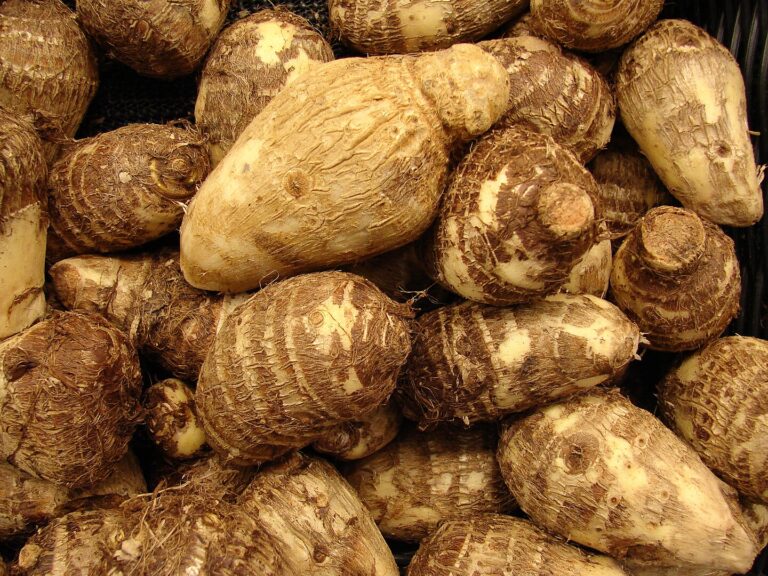
Arrowroot, a lesser-known starch extracted from the rhizomes of the arrowroot plant (Maranta arundinacea), has been quietly making its mark in the world of natural health and nutrition. If you’re someone who’s keen on incorporating more natural and beneficial ingredients into your diet, it’s time to uncover the health benefits of arrowroot.
1. Easy Digestion:
One of the most touted benefits of arrowroot powder is its digestibility. Unlike other starches, arrowroot is easily broken down in the stomach, making it a go-to for those with sensitive digestive systems. It’s no wonder that many cultures have historically used it as a primary food for infants and those recovering from illnesses.
2. Gluten-Free Goodness:
For those with gluten intolerances or celiac disease, finding natural thickening agents can be a challenge. Enter arrowroot, a gluten-free alternative to wheat-based thickeners. It provides a smooth texture in soups, sauces, and desserts without the gluten.
3. Rich in Nutrients:
Arrowroot is not just a simple starch; it’s a storehouse of essential nutrients. Packed with B vitamins, potassium, and iron, it provides more than just a thickening quality to dishes. These nutrients play vital roles in energy production, maintaining healthy blood pressure, and transporting oxygen in the body.
4. Supports Immune Function:
The presence of zinc in arrowroot promotes a robust immune system. Zinc is crucial for the development and function of immune cells, and regular consumption of arrowroot can provide a boost to your body’s natural defenses.
5. Promotes Heart Health:
Arrowroot contains a good dose of potassium, an essential mineral known for its heart-protective qualities. Potassium helps regulate blood pressure levels and reduces the strain on the cardiovascular system.
6. Gentle on Allergic Reactions:
For those who often react to common cooking ingredients, arrowroot stands out as a gentle alternative. It’s hypoallergenic, meaning it’s less likely to cause an allergic reaction.
7. Beneficial for Skin and Hair:
Apart from its culinary uses, arrowroot powder has been traditionally used as a herbal remedy for treating various skin problems. It possesses excellent moisture-absorbing qualities, making it perfect for homemade cosmetics, deodorants, and even baby powders. Its starchy nature helps in promoting a softer and smoother feel to the skin.
Incorporating Arrowroot in Your Diet:
Due to its neutral taste, arrowroot can seamlessly blend into various dishes. Use it as a thickener in soups, stews, sauces, or gravies. You can also substitute wheat flour with arrowroot in baked goods for a lighter, gluten-free treat.
Conclusion:
With its myriad of health benefits and versatility in cooking, arrowroot is indeed an ingredient worth adding to your pantry. Whether you’re using it for its nutritional prowess or its gluten-free properties, this humble plant-derived powder can be a boon to your diet and overall well-being.
Experience more enlightening health topics and insights by exploring more articles on Digi Study Lab.in.
8. Aids in Weight Management:
If you’re on a journey towards weight loss or maintaining a healthy weight, incorporating arrowroot might be beneficial. Its high fiber content can offer a feeling of fullness, reducing the overall intake of calories. Moreover, its low glycemic index ensures a steady release of energy, preventing sudden spikes and crashes in blood sugar levels.
9. Enhanced Metabolic Processes:
The B-vitamins found in arrowroot play a crucial role in our body’s metabolism. From converting food into energy to producing new blood cells, these vitamins are paramount. Incorporating arrowroot into your diet ensures you’re supporting these vital processes.
10. Boosts Oral Health:
Arrowroot is believed to have specific properties that promote oral health. Its anti-inflammatory qualities can aid in reducing gum inflammation and promoting overall oral hygiene.
11. Natural Wound Healer:
Traditionally, arrowroot has been used as a paste to apply directly to wounds or insect bites. Its anti-inflammatory and absorbent properties make it suitable to soothe wounds, reduce pain, and promote faster healing.
12. Balances pH Levels:
Due to its alkaline nature, arrowroot can help balance the body’s pH levels. A balanced pH is essential for those who suffer from issues like acid reflux or want to ensure optimal digestion.
Tips for Storing Arrowroot:
To ensure you get the most out of your arrowroot powder:
- Store it in an airtight container.
- Keep it in a cool, dark place, away from direct sunlight.
- Ensure it remains dry, as moisture can cause clumping.
Cooking with Arrowroot:
When using arrowroot as a thickening agent, it’s vital to remember that it thickens at lower temperatures than other agents. Mix it with cold water first before adding to your dish. And remember, prolonged cooking might break down arrowroot, reducing its thickening capabilities. So, always add it towards the end of your cooking process.
Final Thoughts:
Arrowroot isn’t just another staple in the kitchen; it’s a multipurpose ingredient that offers numerous health benefits. From digestive health to skincare, its applications are vast. By incorporating arrowroot into your daily life, you not only add a new texture and flavor to your dishes but also embrace a more holistic approach to health.
For more enriching content and health-related explorations, make sure to bookmark Digi Study Lab.in as your go-to source.
Nutrition Facts of Arrowroot:
Arrowroot’s rise to fame in the health community is not unfounded. Behind its neutral taste and silky texture lies a treasure trove of essential nutrients. Here’s a breakdown of its nutritional composition.
Vitamins:
Arrowroot is a source of several vital vitamins that contribute to our overall well-being:
- B Vitamins: Arrowroot contains a spectrum of B vitamins like riboflavin, niacin, and thiamin. These vitamins play a pivotal role in metabolism, helping the body convert food into energy. They also support brain health and promote a healthy appetite.
- Vitamin B6 (Pyridoxine): This vitamin is necessary for the production of neurotransmitters, substances that transmit nerve signals. It also aids in red blood cell production and is involved in the body’s detoxification processes.
Minerals:
Minerals are the unsung heroes of our bodily functions. Arrowroot offers a range of essential minerals including:
- Potassium: This mineral is vital for heart health. It helps regulate blood pressure levels and ensures smooth muscle functioning.
- Iron: An essential component of hemoglobin, iron helps in transporting oxygen throughout the body. Its adequate intake ensures vitality and prevents anemia.
- Zinc: As mentioned earlier, zinc is a mineral that aids in immune function and plays a crucial role in wound healing, DNA synthesis, and protein production.
Carbs:
Carbohydrates are the primary energy sources for our body, and arrowroot provides a good dose of them. Most of the carbs in arrowroot come from starches, which the body breaks down into glucose to use for energy. It’s worth noting that the carbohydrate content of arrowroot is complex, providing sustained energy without the highs and lows associated with refined sugars.
Fiber:
Dietary fiber is essential for maintaining a healthy digestive system. While arrowroot isn’t as fiber-dense as some other foods, it does provide a modest amount. Fiber helps regulate bowel movements, prevent constipation, and support a healthy gut microbiome. Including arrowroot in your diet can be a way to contribute to your daily fiber intake, promoting optimal digestion and overall gut health.
Incorporating the Nutritional Benefits:
Understanding the nutritional profile of arrowroot is the first step. Integrating it into your meals will ensure you harness its benefits. Whether it’s thickening a sauce, creating a gluten-free baked delicacy, or using it as an alternative in recipes, the potential of arrowroot in enhancing your health is vast.
Stay tuned to Digi Study Lab.in for more insights into nutrition, health, and the vast world of natural remedies.