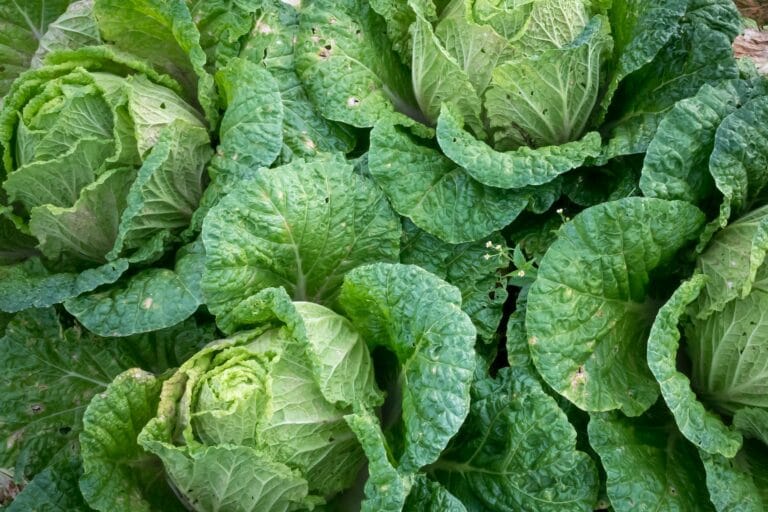
Welcome to another enlightening post from Digi Study Lab.in. Today, we’re delving into the world of cruciferous veggies to shine a spotlight on a familiar favorite: cabbage. Not only is cabbage versatile in the culinary world, but its health benefits are also many and mighty. So, the next time you pass by this leafy green at your local market, remember you’re looking at a superfood powerhouse!
1. Nutrient-Rich with Low Calories
Cabbage is packed with vitamins and minerals. A cup of chopped cabbage contains Vitamin K, Vitamin C, and Vitamin B6, to name just a few. Not to mention, it’s a fantastic source of fiber, which is essential for a healthy digestive system. All these nutrients come at a low-calorie cost, making cabbage an ideal food for those mindful of their weight.
2. Supports Digestive Health
Rich in dietary fiber and water, cabbage aids digestion and helps prevent constipation. Moreover, it contains a special compound called glutamine which has anti-inflammatory properties and can be especially beneficial for the gut.
3. Packed with Antioxidants
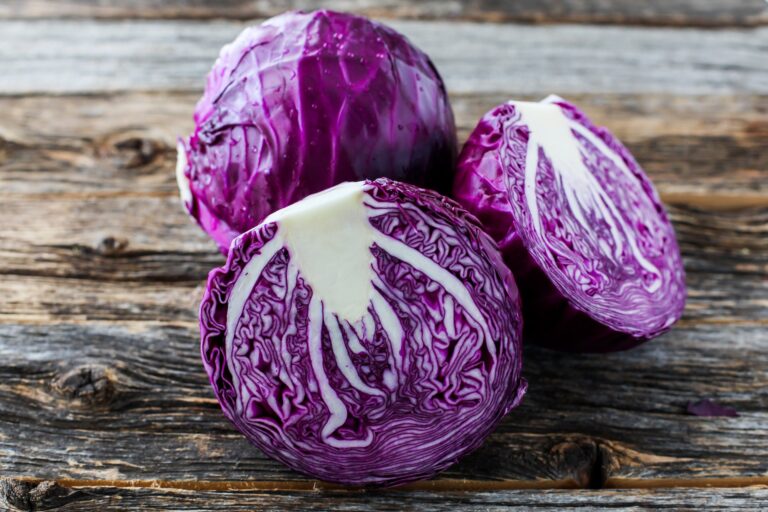
Antioxidants play a vital role in keeping our cells healthy by combating free radicals. Cabbage, particularly the red variety, is a treasure trove of these protective compounds, including polyphenols and sulfur compounds.
4. Promotes Heart Health
The high amounts of potassium found in cabbage help regulate blood pressure by balancing the effects of sodium in the body. Additionally, its richness in anthocyanins (found in red cabbage) has been linked to a reduced risk of heart disease.
5. Boosts Immune System
The high Vitamin C content in cabbage plays an integral role in strengthening the immune system, promoting collagen production, and enhancing the body’s ability to repair wounds.
6. Supports Healthy Skin
Thanks to its rich content of vitamins and antioxidants, particularly Vitamin C and E, cabbage can be a boon for your skin. These vitamins promote collagen production, helping maintain the skin’s elasticity and preventing premature aging.
7. Potential Cancer-Fighting Properties
Cruciferous vegetables like cabbage have been extensively researched for their potential cancer-fighting properties. Sulforaphane, a compound found in cabbage, has been shown to have potent anti-cancer properties in various studies.
Incorporating Cabbage in Your Diet
The beauty of cabbage is its versatility. Whether you’re whipping up a crunchy coleslaw, sautéing it for a side dish, or tossing it into a hearty soup, there are countless ways to include this nutritional powerhouse in your meals.
To Wrap It Up…
Cabbage isn’t just a humble veggie. It’s a gem packed with numerous health benefits waiting to be explored. Whether you’ve always been a fan or have yet to discover its wonders, now’s the time to make it a staple in your diet. Remember, your body will thank you!
8. Natural Detoxifier
Cabbage is known to aid in the detoxification process. Its high fiber content helps in clearing out the digestive system, facilitating the removal of waste and toxins. Additionally, certain compounds in cabbage stimulate liver detoxifying enzymes, ensuring your body’s natural detox system runs smoothly.
9. Strengthens Bones
The presence of minerals like calcium, magnesium, and potassium in cabbage makes it beneficial for bone health. Regular consumption can assist in preventing bone deterioration and conditions such as osteoporosis.
10. Promotes Eye Health
Did you know that cabbage is a source of beta-carotene? This compound is converted into Vitamin A in our bodies, playing a crucial role in maintaining good vision and reducing the risk of age-related macular degeneration.
Cooking Tips for Retaining Maximum Benefits
While cabbage is immensely nutritious, the method of preparation can impact its nutrient content:
- Go Raw: Whenever possible, consume cabbage in its raw form, such as in salads or as a wrap, to preserve its nutritional integrity.
- Steam Instead of Boiling: If you choose to cook cabbage, steaming is a healthier option than boiling. This method ensures minimal loss of nutrients.
- Quick Stir-Fry: For a delicious and nutritious meal, stir-fry cabbage with other veggies in olive oil. It retains crunchiness and essential nutrients.
Different Varieties of Cabbage
Cabbage comes in multiple varieties, each with its unique taste and benefits:
- Green Cabbage: The most common variety, perfect for coleslaw and salads.
- Red or Purple Cabbage: Richer in antioxidants than its green counterpart and ideal for adding color to dishes.
- Savoy Cabbage: Characterized by its curly leaves, it’s more tender than other varieties, making it perfect for wraps.
- Napa or Chinese Cabbage: It has a milder flavor and is frequently used in Asian cuisine.
Nutrition Facts of Cabbage
Cabbage, though often overlooked, is a nutrient-dense vegetable. Let’s dive deeper into its nutritional composition to understand the array of benefits it brings to our table.
Vitamins
Cabbage is a vitamin powerhouse. Here are some of the primary vitamins present:
- Vitamin K: Essential for blood clotting and promoting bone health.
- Vitamin C: An antioxidant that boosts the immune system, promotes healthy skin, and aids in wound healing.
- Vitamin B6: Supports brain health and the production of neurotransmitters.
- Folate (B9): Important for cellular function and tissue growth.
Minerals
This leafy vegetable is also rich in several essential minerals:
- Potassium: Vital for heart health, it helps regulate blood pressure and fluid balance.
- Calcium: Fundamental for bone and teeth strength.
- Magnesium: Supports muscle and nerve function, bone health, and energy production.
- Iron: Crucial for red blood cell formation and oxygen transportation.
Carbs
Cabbage is a low-calorie vegetable, but it does contain carbohydrates, primarily in the form of simple sugars and starches. However, the carb content is modest, making it suitable even for low-carb diets. On average, a cup of chopped cabbage has about 5 grams of carbs.
Fiber
Fiber is an essential part of our diet, and cabbage delivers on this front:
- Dietary Fiber: A cup of cabbage provides roughly 2 grams of dietary fiber. Fiber aids in digestion, ensuring smooth bowel movements and preventing constipation.
- Soluble and Insoluble Fiber: Cabbage contains both types of fiber. While soluble fiber can help reduce blood cholesterol and sugar levels, insoluble fiber adds bulk to stools, promoting regularity.
Final Thoughts
Cabbage isn’t just a filler for your salad or a side to your main dish. As detailed above, it’s a nutritionally rich vegetable that supports various aspects of your health. By understanding its nutritional content, you can better appreciate its value in your diet. So, the next time you prepare a meal, remember the myriad of vitamins, minerals, and other essential nutrients cabbage brings to your plate.
At Digi Study Lab.in, our goal is to inform and inspire. Stay with us for more insights into the foods you eat and how they can best serve your health.
Conclusion
It’s clear that cabbage is more than just a leafy vegetable; it’s a reservoir of health benefits. Embracing it in your regular diet can pave the way for holistic well-being. As always, for the best results, it’s essential to combine a balanced diet with regular exercise and a healthy lifestyle.
At Digi Study Lab.in, we’re committed to bringing you valuable information to enhance your health and overall well-being. So, the next time you’re at the grocery store, give the humble cabbage the recognition it deserves and let it play a starring role in your meals.
Stay tuned with Digi Study Lab.in for more insightful posts on foods, health, and well-being.