Welcome to Digi Study Lab.in, where we strive to enlighten you about the wonders of natural food sources. Today, we dive deep into the world of legumes and spotlight an unsung hero of the nutritional world – the Cowpea. Often overlooked in favor of more popular beans, Cowpea is a nutritional dynamo that deserves to be a staple in every health-conscious kitchen.
What is Cowpea?
Cowpea, scientifically known as Vigna unguiculata, is a legume of African origin. It’s also known by other names such as black-eyed pea, Southern pea, and crowder pea. This hardy plant thrives in hot, dry climates, making it a perfect staple for many regions worldwide. It’s not just a drought-resistant crop but also a rich source of nutrition for millions of people.
The Health Benefits of Cowpea:
- Rich in Protein: Legumes are known for their protein content, and cowpea is no exception. It’s a fantastic source of plant-based protein, essential for muscle growth and repair.
- High Fiber Content: Dietary fiber aids in digestion and helps maintain a healthy weight. Consuming cowpea can ensure smooth digestion and promote a feeling of fullness.
- Packed with Antioxidants: Cowpeas are rich in flavonoids, a type of antioxidant that fights free radicals, thus protecting the body from diseases and premature aging.
- Promotes Heart Health: Being low in cholesterol and saturated fats, cowpeas are heart-friendly. They also contain potassium, which helps in regulating blood pressure.
- Boosts Immunity: Cowpeas are a good source of essential minerals like iron and zinc. Iron assists in the transportation of oxygen in the body while zinc is known for its role in immune function.
- Supports Bone Health: The legume provides a healthy dose of calcium and phosphorus, ensuring strong bones and teeth.
How to Include Cowpea in Your Diet?
Cowpeas can be a versatile addition to your diet. You can:
- Add boiled cowpeas to your salads.
- Incorporate them into soups and stews.
- Make a delicious cowpea curry.
- Use them in rice dishes or as a side with grilled meats.
In Conclusion
Incorporating cowpea into your diet is a surefire way to pack in a nutritional punch. This modest legume is more than just a staple; it’s a superfood that can cater to a myriad of your dietary needs. So the next time you’re considering a protein-rich, fiber-packed addition to your meals, think cowpea. Your body will thank you!
Remember to check back at Digi Study Lab.in for more insights on health, nutrition, and the magic of natural foods. Until then, eat healthily and live happily!
Different Varieties of Cowpea
One of the fascinating things about cowpeas is the diversity within this legume family. Some of the popular varieties include:
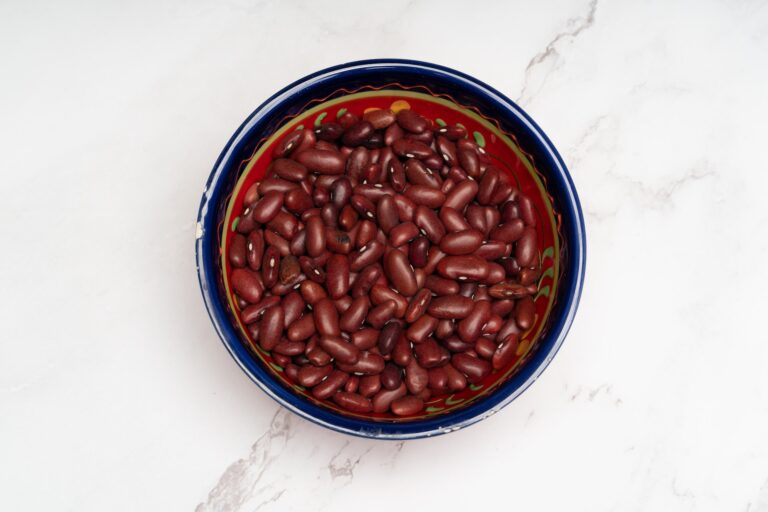
- Red Ripper: These are large, red seeds with a rich, nutty flavor.
- Cream 40: These are cream-colored seeds known for their smooth texture.
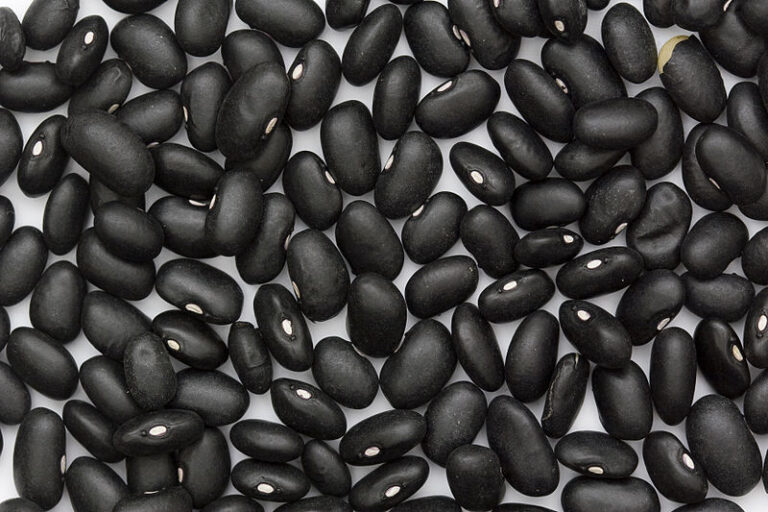
- Black Crowder: As the name suggests, these are dark-hued peas, offering a slightly different taste than their counterparts.
Culinary Delights: Global Cowpea Recipes
Cowpea has found its way into many global cuisines, each showcasing its unique flavor:
- West African Akara: These are cowpea fritters made by blending soaked beans with spices and frying them.
- Southern Black-Eyed Pea Salad: A delightful mix of black-eyed peas, corn, tomatoes, and herbs, seasoned with a light dressing.
- Indian Lobia Curry: This is a spicy and tangy cowpea curry flavored with aromatic spices and enjoyed with rice or flatbreads.
Sustainability and Cowpea Farming
In addition to their health benefits, cowpeas play a significant role in sustainable agriculture. They’re not just drought-resistant but also improve soil fertility by fixing nitrogen. This makes them an excellent choice for crop rotation, ensuring healthier soil and reduced dependence on chemical fertilizers.
Cowpea and Dietary Restrictions
For those on vegan or vegetarian diets, cowpeas serve as an excellent protein source. Additionally, they are gluten-free, making them suitable for those with gluten sensitivities or celiac disease.
The Future of Cowpea
With the increasing focus on sustainable food sources and plant-based diets, cowpea is poised to gain more recognition on the global stage. Researchers are continually exploring its potential benefits, from tackling malnutrition to understanding its role in disease prevention.
Wrapping Up
Cowpea, a humble legume, packs a punch way above its weight. As we become more health-conscious and environmentally aware, such superfoods are paving the way for a nutritious, sustainable future.
Stay connected with Digi Study Lab.in for more enlightening content on wholesome foods, sustainable practices, and holistic well-being. Embrace the wonders of nature’s pantry, and thrive!
Nutrition Facts of Cowpea
Understanding the nutritional breakdown of cowpea provides clarity on why it’s hailed as a superfood. Here’s a comprehensive look at the nutrition facts based on a 100g serving of boiled cowpea:
- Calories: 110
- Protein: 8g
- Total Fat: 0.5g
- Carbohydrates: 20g
- Dietary Fiber: 8g
- Sugars: 3g
Vitamins in Cowpea
Cowpeas are a repository of various essential vitamins that play vital roles in numerous body functions:
- Vitamin A: Essential for vision, immune function, and skin health.
- Vitamin B1 (Thiamine): Aids in the conversion of food into energy and supports nerve function.
- Vitamin B2 (Riboflavin): Helps in energy production and the metabolism of fats, drugs, and steroids.
- Vitamin B3 (Niacin): Important for digestive system, skin, and nerve function, and for converting food to energy.
- Vitamin B6: Aids in protein metabolism and cognitive development.
- Folate: Especially crucial during periods of rapid growth like pregnancy and infancy.
Minerals in Cowpea
This legume is rich in minerals, providing essential nutrients that benefit everything from bone health to nerve function:
- Iron: Essential for the formation of red blood cells and the transportation of oxygen in the body.
- Calcium: Important for strong bones and teeth, muscle function, and nerve signaling.
- Magnesium: Assists in muscle and nerve function, bone formation, and energy creation.
- Phosphorus: Vital for energy production, bone health, and DNA/RNA synthesis.
- Potassium: Regulates fluid balance, nerve signals, and muscle contractions.
- Zinc: Crucial for DNA synthesis, wound healing, and immune function.
Carbs in Cowpea
Carbohydrates are the body’s primary energy source, and cowpea is a healthy provider. With 20g of carbs per 100g serving (when boiled), they offer a steady release of energy. These are mainly complex carbohydrates, ensuring you get a sustained energy source without the rapid spikes and drops associated with simple sugars.
Fiber in Cowpea
One of the standout features of cowpea is its impressive fiber content. At 8g per 100g serving (when boiled), the fiber in cowpeas plays a vital role in:
- Digestive Health: Promoting regular bowel movements and preventing constipation.
- Weight Management: Fiber-rich foods can make you feel full, reducing overall calorie intake.
- Blood Sugar Control: By slowing the absorption of sugar, it helps in regulating blood sugar levels.
- Cholesterol Management: It can lower the levels of bad cholesterol in the blood, promoting heart health.
Summing Up
Packed with vitamins, minerals, protein, and a healthy ratio of carbs to fiber, cowpea is a nutritional marvel. Its diverse benefits make it an essential inclusion for anyone aiming for a balanced, healthful diet. Dive deeper into the world of nutrition and holistic well-being with Digi Study Lab.in and discover the treasures of nature that nurture and nourish.