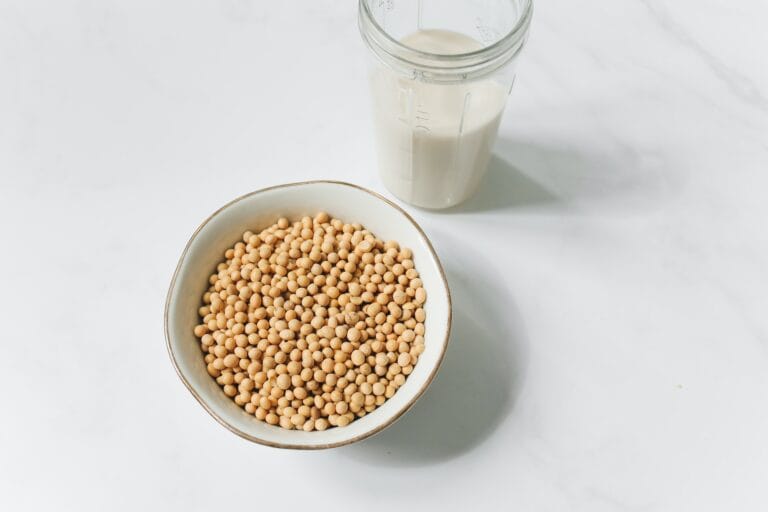
Welcome to another enlightening post on Digi Study Lab.in! Today, we’re diving deep into the world of soybeans, those small, round beans that have made a significant mark in the health and culinary spheres. If you’ve been curious about the myriad of health benefits packed into these tiny wonders, read on.
1. A Rich Protein Source
Soybeans are one of the few plant sources that offer a complete protein profile. This means they contain all nine essential amino acids our body can’t produce on its own. For vegetarians and vegans, soybeans present an excellent protein alternative to meat.
2. Beneficial for Heart Health
Consuming soybeans may lead to a healthier heart. They contain isoflavones, which have been linked to a reduced risk of heart disease. Additionally, the omega-3 fatty acids in soybeans can help reduce bad cholesterol levels, further promoting a heart-healthy diet.
3. Packed with Essential Nutrients
Beyond protein, soybeans are a great source of fiber, vitamins, and minerals. These include calcium, magnesium, and iron – minerals often deficient in modern diets.
4. Aid in Digestive Health
The dietary fiber in soybeans aids digestion and promotes a healthy gut. Including soybeans in your diet can help regulate bowel movements and prevent constipation.
5. Potential Cancer Risk Reduction
Studies suggest that the isoflavones in soybeans can reduce the risk of certain types of cancers, particularly breast and prostate cancer. Though more research is needed in this area, including soy products in moderation can be a part of a cancer-preventative diet.
6. Bone Health Boost
Soybeans contain high amounts of calcium and vitamin K, both vital for maintaining strong and healthy bones. Regularly consuming soybeans may prevent bone loss, especially beneficial for post-menopausal women.
7. Antioxidant Properties
The rich antioxidants in soybeans combat free radicals in the body, which are responsible for premature aging and several chronic diseases. By including soy in your diet, you’re giving your body an extra layer of protection.
Tips to Include Soybeans in Your Diet:
- Opt for edamame (young soybeans) as a delicious snack or salad addition.
- Tofu, made from soy milk, can be used in a variety of dishes from stir-fries to desserts.
- Soy milk is a fantastic dairy alternative for those who are lactose intolerant or choosing a plant-based diet.
- Tempeh, a fermented soy product, adds a meaty texture to vegetarian and vegan dishes.
Conclusion
Incorporating soybeans into your diet offers a plethora of health benefits, from promoting heart health to providing essential nutrients. As always, moderation is key. For those with specific health concerns or allergies, it’s best to consult with a healthcare professional before making significant dietary changes. Here at Digi Study Lab.in, we’re dedicated to providing you with the most accurate and beneficial information. Stay tuned for more health insights in our upcoming posts!
Discover the power of nutrition with us. Share this post with your loved ones to spread the word about the incredible benefits of soybeans!
8. Supports Skin Health
Soybeans boast compounds known as phytoestrogens, which may benefit our skin. These compounds can help increase skin elasticity, reduce fine lines and wrinkles, and even potentially protect the skin from harmful UV rays. Including soy products in your diet can be a natural way to maintain a youthful glow.
9. Natural Hormonal Balance
For women undergoing menopause, soybeans can be a game-changer. The isoflavones in soy mimic estrogen to a certain degree, which can help alleviate some symptoms of menopause such as hot flashes.
10. Weight Management Tool
Thanks to the high protein and fiber content in soybeans, they can help you feel full and satiated. Incorporating them into your meals can be an effective strategy for those looking to manage or reduce their weight.
11. Promotes Healthy Hair
The minerals and essential fatty acids in soybeans can contribute to stronger, shinier hair. Regularly consuming soybeans can ensure that your hair gets the right nutrients to look its best.
12. Boosts Immune Function
Soybeans are rich in plant-based compounds, some of which can help bolster the immune system. Regular consumption can provide your body with the tools it needs to fend off common ailments and infections.
How to Select and Store Soybeans:
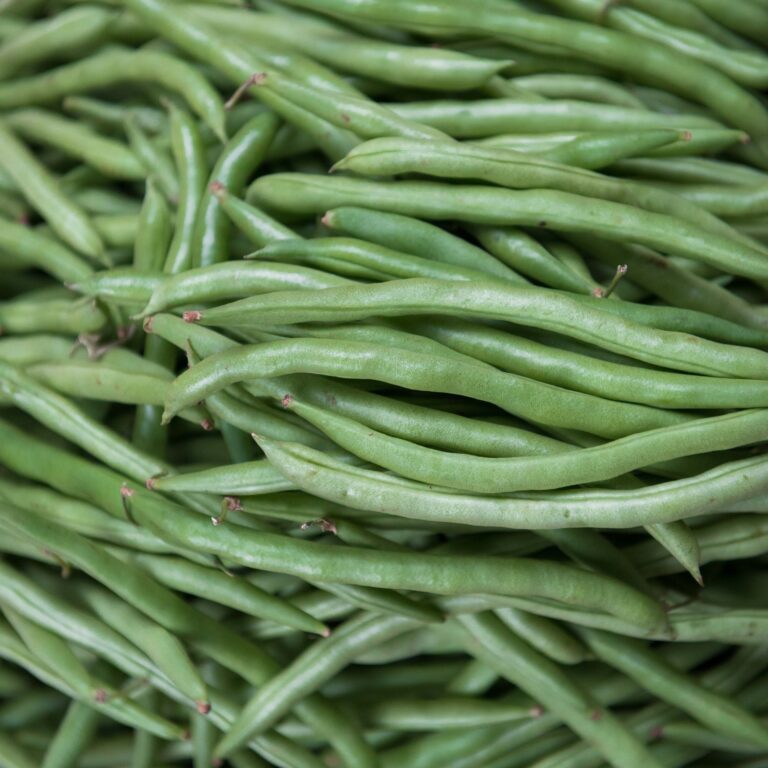
- Fresh Soybeans (Edamame): Choose pods that are firm, bright green, and free from blemishes. Store them in the refrigerator and consume within a week.
- Dried Soybeans: Buy from a reputable source to ensure they’re free from contaminants. Store in a cool, dry place. They have a longer shelf life and can be kept for several months.
- Soy Products: Always check the expiration date and store as directed. For products like tofu, once opened, store in fresh water in the refrigerator and change the water daily.
Wrap-Up
Soybeans truly are a powerhouse of nutrition. Their versatility in various cuisines and the myriad of health benefits they offer make them a must-add to everyone’s diet. Whether you’re exploring plant-based nutrition or simply wish to diversify your food intake, soybeans present a fantastic option.
Join us at Digi Study Lab.in as we continue our journey into understanding food and its incredible impact on our health. Let’s make informed choices together!
Got a favorite soy recipe or a health story related to soy? Drop your comments below! We love hearing from our readers.
Nutrition Facts of Soybeans
Soybeans are not just versatile in the kitchen; they’re also nutritionally dense. Before diving into the specific vitamins, minerals, carbs, and fiber content, let’s understand the nutrition facts for a standard serving size (100 grams) of cooked soybeans:
- Calories: 173
- Total Fat: 9g
- Saturated Fat: 1.3g
- Cholesterol: 0mg
- Sodium: 1mg
- Total Carbohydrates: 10g
- Dietary Fiber: 6g
- Sugars: 3g
- Protein: 17g
Vitamins in Soybeans
These small beans are abundant in various vitamins that are essential for our body:
- Vitamin K: Plays a crucial role in blood clotting and bone health.
- Vitamin C: An antioxidant that aids in tissue repair and enhances the absorption of iron.
- Folate (B9): Essential for cell division and the formation of DNA. Especially important for pregnant women.
- Riboflavin (B2): Helps in energy production and the metabolism of fats.
- Thiamine (B1): Important for the metabolism of carbohydrates.
Minerals in Soybeans
Soybeans are a treasure trove of essential minerals:
- Iron: Key for the formation of red blood cells and transporting oxygen in the body.
- Magnesium: Vital for muscle function, bone health, and energy production.
- Phosphorus: Supports the formation of bones and teeth.
- Potassium: Maintains proper muscle function and regulates blood pressure.
- Zinc: Crucial for a robust immune system, metabolism, and wound healing.
Carbs in Soybeans
Carbohydrates are the primary energy source for our body. The carbs in soybeans are mainly in the form of complex carbohydrates, which provide sustained energy without causing spikes in blood sugar levels. Out of the 10 grams of total carbs in 100 grams of soybeans, only about 3 grams are sugars, which are naturally occurring.
Fiber in Soybeans
Dietary fiber is essential for digestive health, and soybeans are a rich source. A 100-gram serving of soybeans provides about 6 grams of fiber. This fiber not only aids in digestion but also helps in regulating blood sugar levels, reducing cholesterol, and providing a feeling of fullness, which can assist in weight management.
In Conclusion
Soybeans are more than just a staple in many diets around the world; they’re a nutritional powerhouse. They provide a balanced blend of macronutrients (protein, fats, and carbs) and are densely packed with vitamins and minerals. By incorporating soybeans into your diet, you’re investing in a food that not only elevates the flavor profile of your meals but also offers an impressive array of health benefits.
Bookmark Digi Study Lab.in for more deep dives into the nutritional wonders of everyday foods. Let’s nourish our bodies and minds together!