Published on [Date] by Digi Study Lab.in
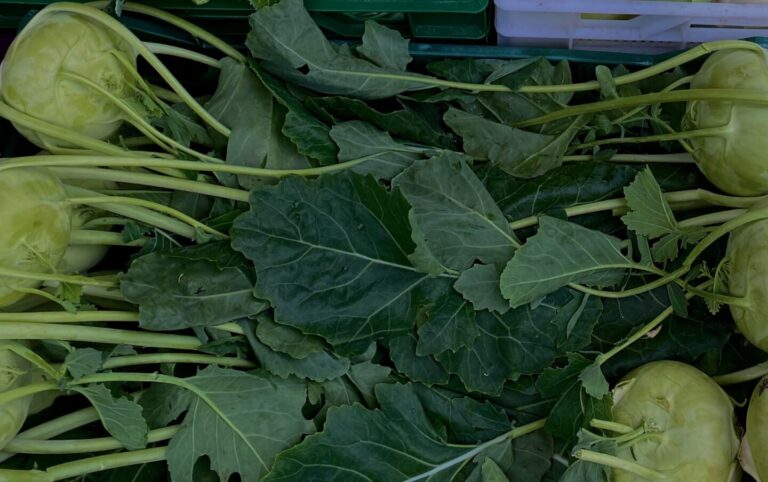
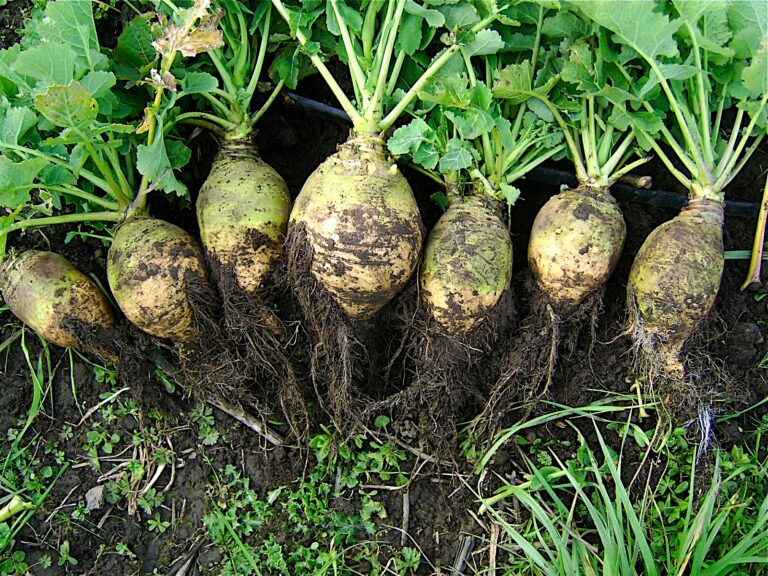
Rutabaga, scientifically known as Brassica napus, is a root vegetable that is believed to be a cross between a cabbage and a turnip. It’s also known by various other names, including “swede,” “Swedish turnip,” and “neep,” depending on the region.
Here’s a brief overview:
- Appearance: Rutabagas are generally larger than turnips and have a pale-yellow flesh with a purple, gold, or brownish skin. The texture is similar to that of turnips but is somewhat denser.
- Taste: They have a slightly sweet, nutty flavor, milder and sweeter than a turnip. When cooked, their texture becomes tender, making them suitable for a variety of dishes.
- Culinary Uses: Rutabagas can be boiled, roasted, baked, mashed, or even eaten raw. They are commonly used in stews, soups, and casseroles. Mashed rutabaga is a classic dish in certain cultures, often mixed with butter and seasoning for enhanced flavor.
- Storage: Like other root vegetables, they can be stored for an extended period in a cool, dry place. If they’re placed in a refrigerator, they can last even longer.
- Nutrition: As mentioned in the previous posts, rutabagas are packed with essential vitamins and minerals. They are a good source of Vitamin C, dietary fiber, potassium, and magnesium, among others.
- History and Origin: Rutabagas are believed to have originated in Scandinavia or Russia. They were introduced to Scotland in the late 18th century and became a staple in northern European cuisine.
Overall, rutabaga is a versatile and nutritious vegetable that can be a delightful addition to various dishes, providing both taste and health benefits.
If you’ve been searching for a versatile and nutritious addition to your diet, look no further than the rutabaga. This root vegetable, often overshadowed by its cousins like turnips and carrots, is packed with health benefits that deserve recognition. Let’s dive deep into the world of rutabagas and explore what makes them a hidden gem.
1. Nutritional Profile of Rutabaga:
Rutabagas are low in calories but high in essential nutrients. A single cup of cooked rutabaga provides:
- Vitamin C: Beneficial for immune system function and skin health.
- Fiber: Essential for digestive health and can aid in weight loss.
- Potassium: Helps regulate blood pressure.
- Magnesium: Vital for muscle and nerve functions.
- Calcium: Essential for bone health.
2. Potential Health Benefits:
Boosts Immune System: Rich in vitamin C, rutabagas can play a pivotal role in strengthening your immune system. Regular consumption can help ward off common colds and infections.
Promotes Digestive Health: The dietary fiber in rutabagas helps in maintaining a healthy gut. It can prevent constipation and promote regular bowel movements.
Aids in Weight Management: Due to their high water and fiber content, rutabagas are quite filling. They can be a great addition to meals for those aiming to shed a few pounds.
Bone Health: Rutabagas contain vital minerals like calcium and magnesium, which are pivotal for maintaining strong bones.
3. Culinary Uses:
Rutabagas can be used in a variety of dishes:
- Mashed: Just like potatoes, rutabagas can be boiled and mashed for a creamy, delectable side dish.
- Roasted: Dice them, drizzle some olive oil, sprinkle some herbs, and you have a delicious roasted rutabaga dish.
- Soups and Stews: Their robust flavor makes them an ideal addition to winter soups and stews.
4. How to Store and Buy:
When shopping, look for rutabagas that feel heavy for their size. Their skin should be free from major blemishes and spots. Store them in a cool, dry place, and they should last for several weeks.
Conclusion:
Rutabagas are a versatile vegetable with an impressive array of health benefits. They’re not only nutritious but can also add a unique flavor and texture to your meals. So, the next time you’re planning your grocery list, remember to include this superfood and give your dishes a nutritious boost!
If you found this post enlightening, please share it with your friends and family. Stay tuned to Digi Study Lab.in for more insightful articles on nutrition and health.
(Note: Always consult with a healthcare provider before making significant changes to your diet.)
5. Historical Context of Rutabaga:
Though often overlooked, the rutabaga has a long and rich history. Originating in Scandinavia and Russia, it’s believed to be a hybrid between turnips and wild cabbage. Over time, its cultivation spread throughout Europe, especially in the cooler regions, making it a staple in traditional dishes.
6. Dietary Concerns and Precautions:
While rutabagas are beneficial for most people, those with thyroid conditions should consume them in moderation. Like other cruciferous vegetables, rutabagas contain goitrogens, substances that could interfere with thyroid hormone production when consumed in excessive amounts.
7. Combining with Other Foods:
Rutabagas pair beautifully with other vegetables and proteins:
- Meats: They go exceptionally well with pork and poultry dishes.
- Vegetables: Mix them with carrots, onions, and greens for a balanced and flavorful meal.
- Herbs and Spices: Enhance their flavor with herbs like rosemary, thyme, and spices such as nutmeg or black pepper.
8. Fun Fact:
In certain parts of the world, rutabagas are intricately carved, much like pumpkins during Halloween, and used as lanterns for local festivals. This tradition, especially common in the British Isles, adds a fun and cultural aspect to this nutritious root vegetable.
9. For the Gardeners:
If you have a green thumb, rutabagas can be an excellent addition to your garden. They prefer cooler temperatures, making them perfect for both spring and fall crops. Ensure they have well-drained soil, and in a few months, you’ll have a fresh batch of homegrown rutabagas!
Conclusion:
The humble rutabaga, with its rich history, numerous health benefits, and culinary versatility, deserves a spot on every table. By integrating it into your diet, you not only treat your taste buds but also provide your body with a myriad of nutrients. Here’s to rediscovering and celebrating the wonders of the rutabaga!
For more unique and enlightening content on foods and their benefits, keep visiting Digi Study Lab.in. Your health and knowledge are our top priority.
(Note: The information provided is for general knowledge and should not be used as medical advice. Always consult a professional for dietary recommendations tailored to your needs.)
10. Nutrition Facts of Rutabaga:
Rutabagas are a storehouse of nutrients, and understanding their nutritional content can help you better integrate them into a balanced diet. Here’s a breakdown based on a 100-gram serving of cooked rutabaga:
- Calories: 30
- Protein: 0.8 grams
- Fat: 0.1 grams
- Carbohydrates: 6.7 grams
- Sugar: 4 grams
- Fiber: 2.3 grams
11. Vitamins in Rutabaga:
Rutabagas are rich in several essential vitamins:
- Vitamin C: Essential for skin health, wound healing, and boosting the immune system. A 100-gram serving provides about 25% of the recommended daily intake.
- Vitamin E: An antioxidant that helps protect the body’s cells from damage.
- Vitamin B-6: Crucial for brain health and the conversion of food into energy.
- Folate: Supports cell division and is especially important during pregnancy.
12. Minerals in Rutabaga:
Beyond the vitamins, rutabagas are also abundant in several minerals:
- Potassium: Important for heart health and regulating blood pressure.
- Magnesium: Helps with muscle function and bone health.
- Calcium: Vital for strong bones and teeth.
- Phosphorus: Works with calcium to build strong bones and teeth.
- Iron: Essential for making red blood cells.
13. Carbs in Rutabaga:
Carbohydrates serve as one of the primary energy sources for our bodies. The carbs in rutabagas are mainly complex carbs, which means they provide sustained energy without causing sharp spikes in blood sugar levels. With 6.7 grams of carbs per 100 grams, rutabagas can be integrated into many diets, including low-carb ones, when consumed in moderation.
14. Fiber in Rutabaga:
Fiber plays an integral role in digestive health. A 100-gram serving of rutabaga provides about 2.3 grams of dietary fiber. This fiber aids in promoting regular bowel movements, preventing constipation, and could also be beneficial in managing blood sugar levels. Additionally, fiber has a satiating effect, which can help in weight management by making you feel full longer.
Conclusion:
With its impressive nutritional profile, the rutabaga is more than just a humble root vegetable. It’s a powerhouse of vitamins, minerals, and other essential nutrients. So, the next time you’re at the market, consider adding rutabagas to your cart and enriching your meals with their myriad health benefits.
Keep visiting Digi Study Lab.in for more detailed insights into the world of nutrition and health. Your well-being is at the heart of our content.
(Note: Nutritional values may vary based on preparation methods and sources. It’s always a good idea to refer to specific product labels or consult with a nutritionist for precise information.)