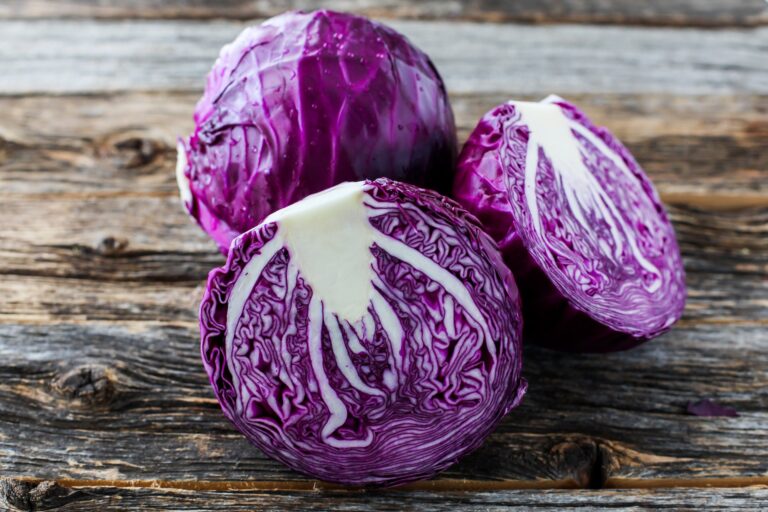
Onions, often regarded as a simple kitchen staple, have been utilized in culinary dishes across the globe for thousands of years. But did you know that beyond their pungent aroma and distinct flavor, onions are packed with numerous health benefits? Today, we delve deep into the layers of this common yet extraordinary vegetable to uncover its potential for boosting well-being.
1. Rich in Vitamins and Minerals
Onions are a good source of vitamins and minerals, including vitamin C, vitamin B6, and potassium. Vitamin C is crucial for tissue repair, collagen production, and immune function. Meanwhile, B6 plays an essential role in metabolism and brain health, and potassium supports heart function by maintaining a proper electrolyte balance.
2. Packed with Antioxidants
Antioxidants are compounds that inhibit oxidation, thus preventing cell damage. Onions, especially the red variety, are loaded with these compounds. One such antioxidant, quercetin, has been linked to reduced blood pressure and lowered risk of heart disease.
3. Onions and Heart Health
Speaking of the heart, onions have a few more tricks up their layers. Compounds in onions have been shown to reduce LDL (bad cholesterol) levels, which can lower the risk of heart disease. Additionally, the sulfur compounds in onions may help reduce blood pressure, a significant risk factor for cardiovascular diseases.
4. Supports Bone Health
Women, in particular, may find an ally in onions. Some studies suggest that consuming onions might reduce the risk of osteoporosis, a condition where bones become weak and fragile. This is attributed to the onion’s ability to help increase bone density.
5. Aids in Digestion
Onions contain dietary fiber and prebiotics, which can boost digestive health. Prebiotics are a form of dietary fiber that feed the beneficial gut bacteria. This results in a healthier gut, better digestion, and reduced risk of gut-related diseases.
6. Potential Anti-inflammatory Properties
The quercetin found in onions possesses anti-inflammatory effects which can benefit those with arthritis and similar conditions. Moreover, it has been suggested that this antioxidant can inhibit inflammatory agents, potentially reducing inflammation in the body.
7. May Boost Immune Function
The vitamin C present in onions, coupled with its various antioxidants and compounds, can contribute to a robust immune system, helping the body ward off illnesses.
Conclusion
While the onion may bring a tear to your eye, it can also bring a smile to your face, knowing just how beneficial it is to your health. So, the next time you’re dicing or sautéing this versatile vegetable, appreciate not only the flavor it brings to your dishes but also the myriad of health benefits packed within its layers.
Incorporate onions into your diet, and harness the wellness benefits they offer. For more health insights and tips, keep exploring Digi Study Lab.in, your trusted source for information and education.
8. Natural Blood Sugar Regulator
Onions, particularly when consumed raw, have been linked to improved blood sugar regulation. Compounds found in onions might interact with the liver’s functions and insulin secretion, helping to modulate blood sugar levels. This can be a beneficial addition for those aiming to manage or prevent diabetes.
9. Skin and Hair Health
Onions aren’t just great when eaten; they have topical benefits too! The antioxidant properties in onions can potentially combat skin-damaging free radicals. Moreover, the sulfur-rich compounds present in onions can help with strengthening hair, potentially reducing hair fall and promoting growth.
10. Fights Infections
Historically, onions have been used to ward off infections. The antimicrobial properties of certain compounds in onions can help combat bacterial strains. A regular intake can act as a preventive measure, fortifying the body against various pathogens.
11. Potential Anti-cancer Properties
Although research is still in the early stages, some studies suggest that onion consumption might be linked to reduced risks of certain cancers. The phytochemicals found in onions can inhibit the growth of cancer cells, thus potentially playing a role in cancer prevention.
12. Boosts Respiratory Health
Onions have been a traditional remedy for colds, coughs, and bronchitis. The anti-inflammatory properties of onions can soothe respiratory ailments, while their antimicrobial effects can help in fighting infections.
Tips for Incorporating Onions into Your Diet:
- Salads: Raw onions retain most of their nutritional value. Add them to your salads for a crisp texture and a flavor kick.
- Stir-Fries: Onions can be a foundational ingredient in many stir-fries, pairing well with various vegetables and proteins.
- Soups and Stews: Incorporate onions into your favorite soups and stews for a depth of flavor and added health benefits.
- Juices and Smoothies: While unconventional, adding a small slice of onion to your green juice or smoothie can introduce its health benefits without overpowering the taste.
Final Thoughts
The humble onion, often overlooked in favor of more exotic superfoods, is truly a powerhouse of nutrition and health benefits. By making it a regular part of your diet, you’re not just adding flavor to your meals; you’re infusing each bite with health-enhancing properties.
Stay tuned to Digi Study Lab.in for more enlightening pieces on everyday foods that pack a health punch. Embrace a life of wellness, one layer at a time!
Nutrition Facts: A Deeper Look Into Onions
To truly appreciate the value of onions in our diet, let’s dive into the nutritional components that make up this multifaceted vegetable.
Vitamins
Onions are a good source of several vitamins:
- Vitamin C: Crucial for immune function, collagen synthesis, and the absorption of iron from plant-based foods.
- Vitamin B6 (Pyridoxine): Aids in the metabolism of fats, carbohydrates, and proteins. It also plays a role in brain development and function.
- Folate: Important for red cell formation and ensuring proper brain function.
- Niacin: Necessary for the conversion of food into energy and to keep the skin, hair, eyes, and liver healthy.
Minerals
Minerals are inorganic elements that play a vital role in a variety of physiological processes. Onions are rich in several essential minerals:
- Potassium: Helps maintain proper muscle contractions and nerve transmissions, and it balances fluid levels in the body.
- Magnesium: Supports muscle and nerve function, bone health, and energy production.
- Phosphorus: Works closely with calcium to build strong bones and teeth.
- Calcium: Besides bone health, calcium helps with muscle function, nerve signaling, and blood clotting.
- Iron: Vital for making red blood cells and transporting oxygen throughout the body.
Carbs
Onions are a source of carbohydrates, primarily consisting of simple sugars and starches. A medium-sized onion contains roughly 10 grams of carbohydrates. These carbs give our body the energy it needs for daily functions and physical activity. It’s worth noting that while onions do have carbs, their impact on blood sugar is relatively low due to their high water content and beneficial compounds.
Fiber
Dietary fiber is essential for our digestive health, and onions provide a good dose of it. A medium onion provides about 1.8 grams of fiber. The type of fiber found in onions is mainly soluble, which can help reduce bad cholesterol levels, stabilize blood sugar, and feed the beneficial bacteria in the gut.
Conclusion
Onions, with their layers of nutritional benefits, are more than just flavor enhancers for our dishes. From vitamins and minerals to carbs and fiber, they offer a balanced array of nutrients that can support our overall health. By understanding the nutritional components of what we eat, we empower ourselves to make healthier choices. So, the next time you peel an onion, remember the plethora of benefits hidden within!
Stay informed, stay healthy! For more nutritional insights and valuable health information, keep exploring Digi Study Lab.in. Your health is worth every layer of knowledge!