Hello, dear readers of Digi Study Lab.in! Today, we’re diving deep into the world of cruciferous vegetables to introduce you to a wonder veggie you might not have on your regular shopping list yet: Kohlrabi. If you’re looking to add variety to your diet and enjoy numerous health benefits, kohlrabi is a fantastic choice.
What is Kohlrabi?
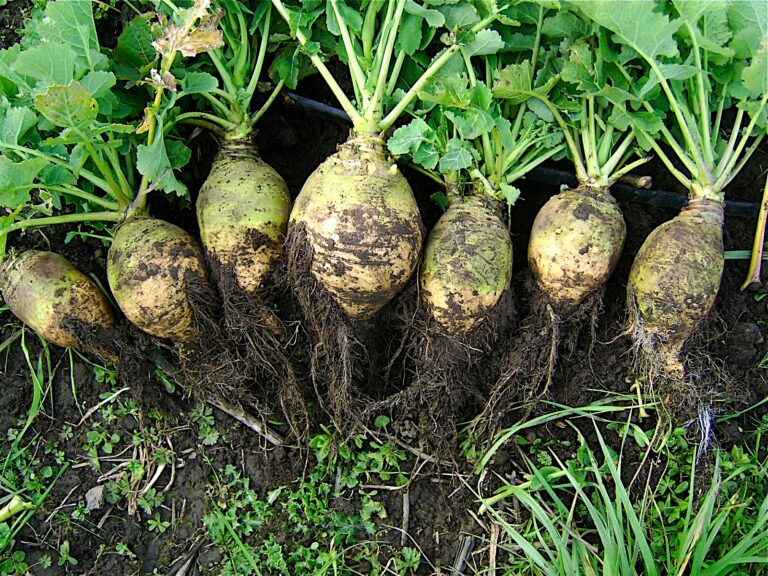
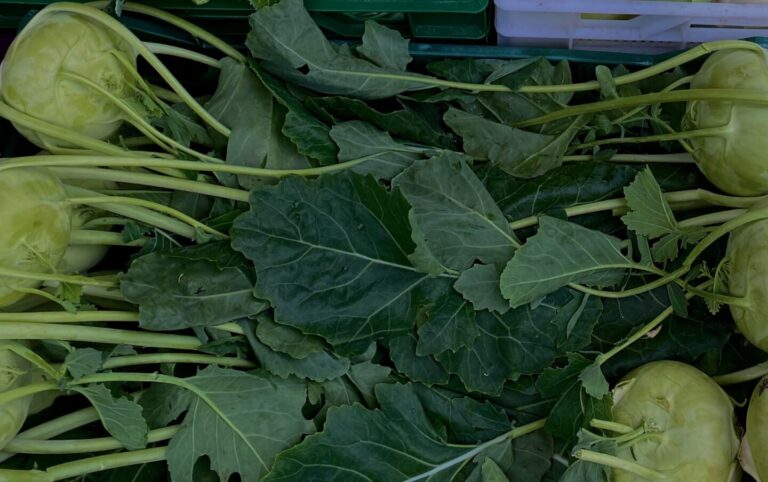
Kohlrabi, often called the ‘German turnip,’ isn’t actually a turnip at all. It’s part of the cabbage family and is native to Europe. You’ll recognize kohlrabi by its bulbous shape and stems that protrude outward. It can be green or purplish, but regardless of its outer color, its inside is always a crisp and juicy white.
Astounding Health Benefits of Kohlrabi
- Rich in Nutrients: Just one serving of kohlrabi can provide a significant amount of your daily required vitamins and minerals. It’s notably high in vitamin C, vitamin B6, and potassium.
- Boosts Digestive Health: Kohlrabi is a fantastic source of dietary fiber, which helps improve digestion and can aid in preventing constipation.
- Supports Immune Function: With its rich vitamin C content, kohlrabi can boost the immune system, helping your body ward off common illnesses.
- Promotes Heart Health: The potassium in kohlrabi can help regulate blood pressure levels, making it beneficial for heart health.
- Aids in Weight Loss: Being low in calories and rich in fiber, kohlrabi can make you feel full without adding excessive calories, making it an excellent addition to a weight loss diet.
- Antioxidant Properties: Kohlrabi contains health-promoting compounds like isothiocyanates, which have antioxidant effects and can help fight off free radicals in the body.
Incorporating Kohlrabi in Your Diet
Not only is kohlrabi packed with nutrients, but it’s also incredibly versatile. Here are a few ideas to include it in your meals:
- Raw: Peel and slice kohlrabi, then sprinkle it with a bit of salt and enjoy as a crunchy snack.
- Stir-fry: Add kohlrabi to your stir-fry mix. It pairs well with other vegetables and soaks up flavors beautifully.
- Soup: Kohlrabi can be a delicious addition to soups or stews. It provides a pleasant texture and taste.
- Salads: Grate kohlrabi and mix it into your salads for a refreshing crunch.
Conclusion
It’s time to make kohlrabi a regular on your shopping list. With its myriad of health benefits and its delightful taste and texture, it’s a hidden gem in the world of vegetables. Whether you decide to eat it raw, cooked, or in salads, your body will surely thank you for incorporating this unsung superfood into your diet.
Stay tuned to Digi Study Lab.in for more insights into the world of nutrition and wellness!
Taking Your Kohlrabi Game to the Next Level
Kohlrabi in World Cuisines
Kohlrabi isn’t just a favorite in European kitchens. This versatile vegetable has made its way into various cuisines around the globe.
- Indian Cuisine: Kohlrabi is often used in Kashmiri dishes, where it’s known as ‘Monj’. It’s typically cooked with its leaves and flavored with aromatic spices, giving it a unique, mouthwatering taste.
- Asian Cuisine: In places like Vietnam, kohlrabi is frequently added to salads and slaws, combined with herbs, peanuts, and tangy dressings.
- Middle Eastern Cuisine: Kohlrabi can be found pickled, adding a zesty component to meze platters.
Growing Kohlrabi in Your Garden
If you’re a gardening enthusiast, kohlrabi is an excellent addition to your vegetable patch. It grows well in cooler temperatures, making it suitable for spring or fall planting. Here’s a brief guide:
- Soil Preparation: Ensure your soil is well-draining. Incorporate organic compost to enrich it.
- Planting: Sow the seeds directly outdoors about 4-6 weeks before the last expected frost. Plant them half an inch deep and 3 inches apart.
- Care: Water regularly and ensure the plants get at least 6 hours of sunlight daily. Protect young seedlings from pests.
- Harvesting: Once the stem reaches about 2-3 inches in diameter, it’s ready to be harvested. Simply pull the entire plant out of the ground.
The Green Bonus: Kohlrabi Leaves
Don’t be too quick to discard the leaves! Kohlrabi leaves are edible and are akin to collard greens or kale in texture and taste. They can be sautéed with some garlic and olive oil, added to smoothies, or incorporated into hearty soups and stews. By using the leaves, you ensure no part of this wonderful vegetable goes to waste, while also reaping additional health benefits.
Wrap Up
Kohlrabi, with its surprising versatility and a plethora of health benefits, is more than deserving of its place in the spotlight. From the dinner table to garden patches and global kitchens, its adaptability and flavor profile make it a joy to work with.
For more delightful discoveries and in-depth explorations of the foods we eat, keep browsing Digi Study Lab.in – your go-to digital haven for nutrition, health, and so much more!
Digging Deeper: Kohlrabi’s Nutrition Breakdown
To truly understand the value of kohlrabi, let’s take a closer look at its nutritional profile. Here’s what makes kohlrabi such a nutrient-dense superfood:
Nutrition Facts
A typical serving of kohlrabi (about 100 grams) contains:
- Calories: 25
- Protein: 2g
- Total Fat: 0.1g
- Sugars: 2.6g
- Dietary Fiber: 3.6g
Vitamins
Kohlrabi is a powerhouse of vitamins, essential for various functions in the body:
- Vitamin C: One of the standout features of kohlrabi is its high vitamin C content. Just a 100g serving can provide around 62% of the daily recommended intake. Vitamin C is crucial for collagen synthesis, iron absorption, and as an antioxidant that fights free radicals.
- Vitamin B6 (Pyridoxine): Supports brain health and is vital for the conversion of food into energy.
- Vitamin K: Important for blood clotting and can aid in bone health.
Minerals
Kohlrabi is also rich in essential minerals:
- Potassium: An essential mineral that plays a crucial role in maintaining proper muscle function and regulating blood pressure.
- Magnesium: Helps in the function of nerves and muscles, bone formation, and supports the immune system.
- Calcium: Vital for bone health, muscle function, and nerve signaling.
- Iron: Essential for the transportation of oxygen in the blood.
Carbs
While kohlrabi is low in calories, it provides a decent amount of carbs which serve as an energy source for our bodies. A 100g serving has approximately 5.8g of carbs, with the majority coming from sugars and complex carbohydrates.
Fiber
Kohlrabi is an excellent source of dietary fiber, providing about 3.6g per 100g. Fiber plays an essential role in promoting gut health, aiding digestion, and preventing constipation. Regular intake of fiber-rich foods like kohlrabi can also support weight management and reduce the risk of developing chronic diseases like heart disease and type 2 diabetes.
In Conclusion
Kohlrabi’s rich nutritional tapestry makes it not just a versatile ingredient for your culinary experiments but also a cornerstone for a health-promoting diet. By including kohlrabi in your meals, you’re investing in a holistic approach to wellness, courtesy of its diverse range of vitamins, minerals, and other essential nutrients.
Keep checking back with Digi Study Lab.in for more deep dives into the nutrition and health benefits of the foods we consume daily!