Welcome to another edition on “Digi Study Lab.in” where we delve into the amazing world of nutrition and health. Today, we’re shedding light on a popular vegetable with a rich, royal hue and a treasure trove of benefits – the eggplant.
Eggplant, also known as aubergine or brinjal in different parts of the world, is not only a versatile culinary delight but also a medicinal marvel. Here are some compelling reasons why you should consider incorporating more of this purple gem into your diet:
- Rich in Antioxidants: Eggplants are loaded with antioxidants, specifically nasunin found in its skin, which helps combat oxidative stress. Antioxidants play a role in warding off chronic diseases and promote overall well-being.
- Supports Heart Health: Studies suggest that consuming eggplants can lead to an improvement in heart health. This is due to their richness in fiber, potassium, vitamin C, and vitamin B6 – all of which can help reduce the risk of heart disease.
- Weight Management: Being low in calories and high in dietary fiber, eggplants can help you feel full without adding unnecessary calories. This makes them an excellent addition to weight management diets.
- Natural Blood Sugar Control: Eggplants contain high amounts of fiber and low amounts of soluble carbohydrates, making them useful in regulating blood sugar levels and managing diabetes.
- Boosts Brain Function: The phytonutrients present in eggplants are known to boost cognitive activity and general mental health. They not only defend against free radicals but also stimulate neural pathways preventing age-related disorders.
- Improves Digestion: The dietary fiber in eggplant supports digestion, increases the bulk of stool, and aids in preventing constipation. A well-functioning digestive system is key to optimal nutrient absorption.
- Bone Health: Eggplants are a good source of vitamin K, calcium, and magnesium, which all contribute to bone health and general bone mineral density. This means reduced risk of osteoporosis and other bone-related issues.
- Skin and Hair Benefits: Thanks to its water content and vitamins, eggplants can contribute to healthy skin and hair. Vitamins C and E can lead to vibrant skin, while the minerals promote strong, lustrous hair.
How to Incorporate Eggplants into Your Diet?
The beauty of eggplant lies in its adaptability. You can grill it, bake it, sauté it, or even mash it. From creamy eggplant dips to stuffed aubergines or simple roasted slices, the culinary possibilities are endless.
In Conclusion
When it comes to combining taste and health benefits, few vegetables compare to the majestic eggplant. Its nutrient-dense profile makes it a must-have in everyone’s dietary plan. So, the next time you come across this purple powerhouse in the grocery store, remember you’re looking at a veggie that’s as beneficial as it is delicious.
Dive deeper into the world of nutrition and discover more hidden gems here on “Digi Study Lab.in”. We’re dedicated to bringing you the best in health, nutrition, and well-being. Stay tuned for more!
Storing and Selecting the Perfect Eggplant
If you’re now inspired to bring this purple delight into your kitchen, it’s essential to know how to select and store it to maximize its benefits.
Selecting the Right Eggplant:
- Color and Skin: Look for eggplants with a vibrant purple shade and smooth, shiny skin. Avoid those with discolorations or brown spots.
- Firmness: A ripe eggplant should be slightly firm to touch, but not too hard. If it’s overly soft, it may be overripe.
- Size Matters: Contrary to popular belief, smaller eggplants tend to be sweeter, less bitter, and have fewer seeds. So, if you’re looking for a creamier texture and sweeter taste, opt for the smaller ones.
- Green Cap: Ensure the cap and stem look green and fresh. It’s a sign of freshness and indicates that the vegetable is ripe for consumption.
Storing Eggplants:
- Room Temperature: If you’re planning to use the eggplant within a couple of days, you can store it at room temperature, away from direct sunlight.
- Refrigerate: For longer storage, place the eggplant in the vegetable crisper drawer of your refrigerator. This can keep it fresh for up to a week.
- Avoid Plastic: If you must wrap it, use a paper towel. Plastic bags can lead to moisture accumulation, which can reduce the eggplant’s lifespan.
Quick and Easy Eggplant Recipe – Eggplant Stir Fry
Ingredients:
- 1 medium-sized eggplant, thinly sliced
- 2 tbsp olive oil
- 2 cloves garlic, minced
- 1 red bell pepper, sliced
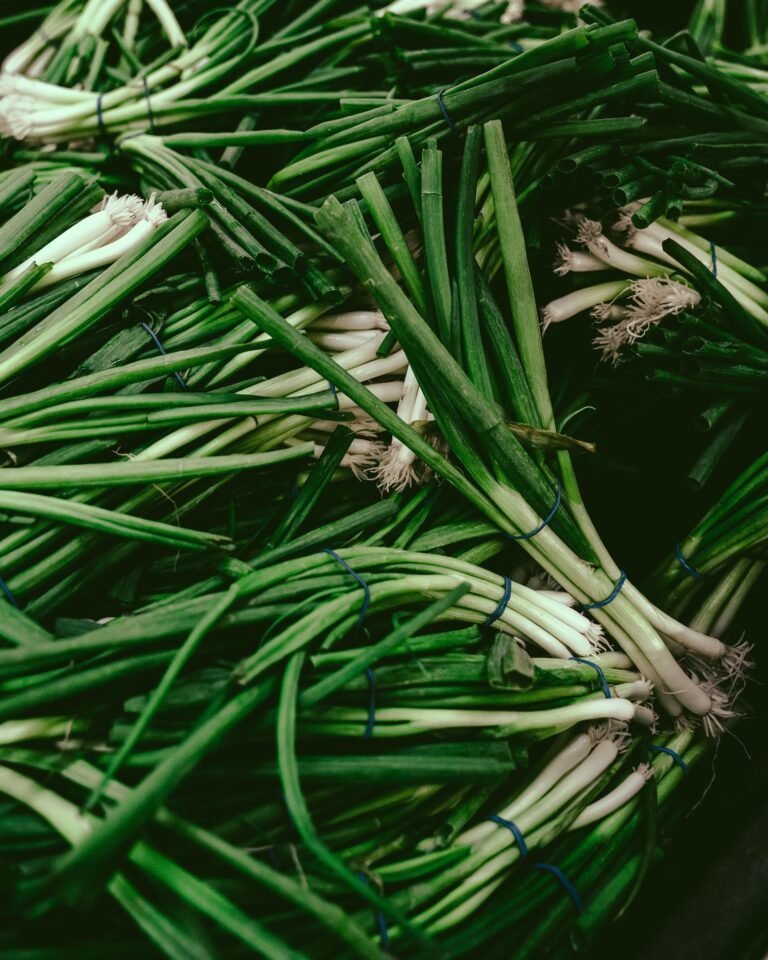
- 2 green onions, chopped
- 1 tbsp soy sauce
- 1 tsp sesame oil
- Red pepper flakes (optional)
Instructions:
- Heat olive oil in a large pan over medium heat.
- Add the minced garlic and sauté until aromatic.
- Introduce the eggplant slices and stir-fry for about 5 minutes, or until they start to become tender.
- Add the red bell pepper slices and continue stir-frying for another 3-4 minutes.
- Drizzle in the soy sauce and sesame oil. Mix well.
- Garnish with chopped green onions and optional red pepper flakes for a little kick.
- Serve hot with steamed rice or noodles.
Wrap Up
Eggplants are indeed a remarkable vegetable. From health benefits to versatile culinary uses, there’s a lot they bring to the table. We hope this guide not only enlightened you on its numerous benefits but also encouraged you to make it a regular in your diet. Keep exploring with “Digi Study Lab.in” as we journey through the world of wholesome nutrition and wellness. Until next time, happy cooking and eating!
Understanding Eggplant: From Nutrition Facts to Fiber Content
As we dive deeper into the world of eggplants, it’s crucial to shed light on its nutritional aspects. This vegetable is more than just a pretty face; its nutrient-rich profile is what makes it a popular choice among health enthusiasts. Here’s a detailed breakdown:
Nutrition Facts:
For every 100 grams of raw eggplant:
- Calories: 25
- Protein: 1 gram
- Total Fat: 0.2 grams
- Carbohydrates: 5.9 grams
- Dietary Fiber: 3 grams
- Sugars: 3.5 grams
These values give a snapshot of why eggplants can be a great addition to a balanced diet. They’re low in calories and fat, making them a guilt-free choice for those watching their caloric intake.
Vitamins:
Eggplants are a good source of several vitamins:
- Vitamin C: A powerful antioxidant that helps the body form and maintain connective tissue, including skin, blood vessels, and bones.
- Vitamin K: Important for blood clotting and bone health.
- Vitamin B6: Plays a key role in brain development and function, helping the body make the hormones serotonin and norepinephrine, which regulate mood, and melatonin, which regulates the body’s internal clock.
- Folate: Crucial for proper brain function and plays a key role in mental and emotional health.
Minerals:
Packed with minerals, eggplants contribute to various bodily functions:
- Potassium: Helps maintain electrical gradients in the body’s cells, crucial for regular heart function.
- Magnesium: Beneficial for blood pressure regulation and may help prevent osteoporosis.
- Manganese: Necessary for brain health and protecting against free radicals.
- Iron: Essential for making hormones and transporting oxygen in the blood.
Carbs:
Eggplants are relatively low in carbs, with around 5.9 grams in every 100 grams. This carb content consists mainly of starches, making it a good choice for those aiming to reduce their sugar intake.
Fiber:
A standout feature of eggplants is their dietary fiber content. With 3 grams of fiber per 100 grams, they support digestion and promote a feeling of fullness. Dietary fiber from eggplants, as part of an overall healthy diet, can help reduce blood cholesterol levels and may lower the risk of heart disease.
Final Thoughts:
Eggplant isn’t just versatile in the kitchen; its nutritional value makes it a powerhouse in the realm of health foods. The vitamins, minerals, and other essential nutrients it offers make it an excellent addition to any meal. So, the next time you’re crafting a shopping list or planning your meals for the week, be sure to put eggplants at the top of your list.
Stay updated with “Digi Study Lab.in” for more insights into your favorite foods and how they can boost your health journey. Remember, knowledge is power, especially when it comes to your well-being.