The world of education and employment is changing faster than ever before. Technological advancements, automation, artificial intelligence, digital transformation, and globalization are reshaping industries across the globe. Careers that were popular a decade ago are evolving, while entirely new professions are emerging. In this dynamic environment, preparing for the future requires more than academic knowledge — it requires practical skills, adaptability, and continuous learning.
Understanding future career trends is essential for learners who want to stay relevant, competitive, and prepared. Educational platforms like Digistudylab.in focus on spreading awareness about such evolving trends so that learners can make informed decisions about their education, skill development, and career direction.
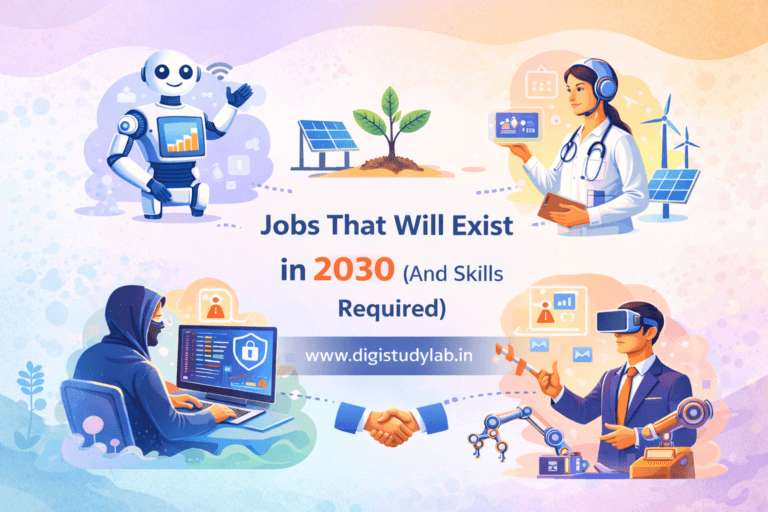
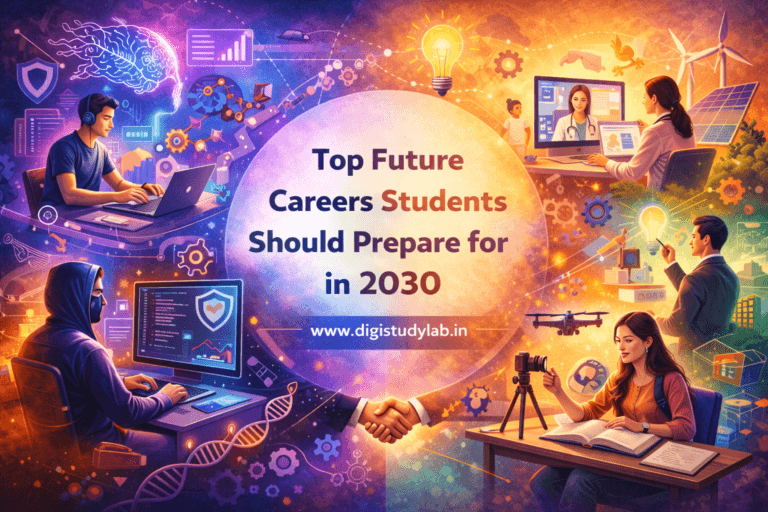
Preparing for 2030 means identifying the careers that will grow, the skills that will matter, and the industries that will create opportunities. This article explores the most important future careers students should begin preparing for today and explains why these professions are expected to become highly significant in the coming years.
Why Career Planning for 2030 Matters Today
Career planning is no longer something that can be done after completing education. The pace of change in industries has made early awareness essential. Students must understand where the world is heading so that they can align their learning accordingly.
One major reason future planning is important is the rapid advancement of technology. Automation is replacing repetitive tasks, while digital systems are creating new roles that require creativity, problem-solving, and technical knowledge. Careers that combine human intelligence with technological skills will dominate the future workforce.
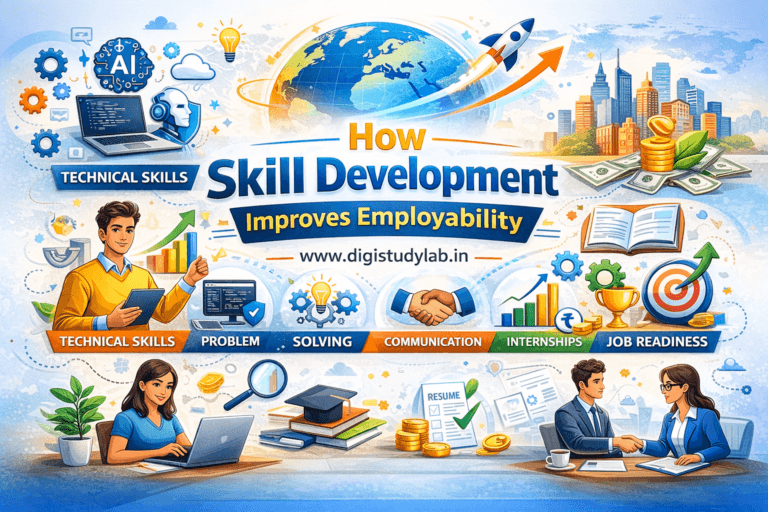
Another important factor is the shift toward skill-based employment. Employers are increasingly looking for abilities rather than just qualifications. Practical knowledge, adaptability, and learning capacity are becoming key indicators of success.
Globalization also plays a major role. Careers are no longer limited to specific locations. Remote work, digital platforms, and global collaboration are creating international opportunities for skilled individuals.
Preparing for future careers ensures that learners are not only qualified but also capable of contributing effectively in modern work environments.
Technology-Driven Careers
Technology is shaping almost every industry. From healthcare to finance, education to entertainment, technological integration is transforming how work is performed. As a result, careers related to technology will continue to expand significantly.
Artificial Intelligence and Machine Learning Specialists
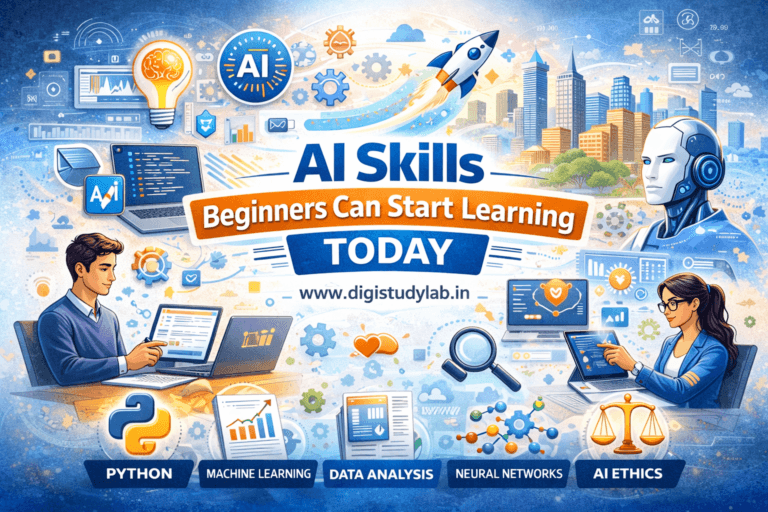
Artificial intelligence is becoming a central part of modern industries. AI systems are used in automation, healthcare diagnostics, customer service, data analysis, and many other areas. Professionals who understand how to develop, manage, and apply AI technologies will be highly valuable.
Preparing for such careers requires learning programming, data handling, logical reasoning, and algorithmic thinking. It also requires the ability to understand real-world problems and design intelligent solutions.
Data Science and Analytics Professionals
Data is considered one of the most valuable resources in the digital age. Organizations use data to make decisions, predict trends, and improve performance. Professionals who can collect, analyze, and interpret data will remain in high demand.
Learners preparing for this field must develop analytical thinking, statistical understanding, and technical skills related to data processing tools.
Cybersecurity Experts
As digital systems grow, so do security risks. Protecting information, systems, and networks has become essential for governments, businesses, and individuals. Cybersecurity professionals play a crucial role in safeguarding digital environments.
Preparing for this career involves understanding networks, digital safety, ethical practices, and risk management.
Healthcare and Life Science Careers
Healthcare will always remain a vital sector. However, future healthcare careers will increasingly combine technology with medical knowledge.
Telemedicine and Digital Health Specialists
Remote healthcare services are expanding rapidly. Professionals who can manage digital consultations, medical platforms, and health technologies will play important roles.
Biotechnology and Genetic Research Professionals
Advancements in genetics, biotechnology, and pharmaceuticals are opening new career opportunities. Professionals in this field contribute to disease prevention, medical innovation, and agricultural improvements.
Mental Health and Wellness Professionals
Modern lifestyles have increased awareness of mental well-being. Careers in counseling, psychology, and wellness support will continue to grow as societies prioritize emotional health.
Green and Sustainable Careers
Environmental challenges such as climate change, pollution, and resource depletion are pushing societies toward sustainability. Careers related to environmental protection and sustainable development will become increasingly important.
Renewable Energy Specialists
Professionals working in solar, wind, and other renewable energy sectors will be essential for sustainable growth.
Environmental Scientists
Understanding ecosystems, conservation, and environmental protection will remain crucial in addressing global challenges.
Sustainable Development Experts
These professionals work on creating systems and policies that balance economic growth with environmental preservation.
Digital Economy and Creative Careers
The digital economy is expanding rapidly. Careers related to digital platforms, creativity, and innovation will play a major role in the future.
Digital Marketing Professionals
Businesses rely heavily on digital presence. Professionals who understand online communication, audience engagement, and digital strategies will continue to be in demand.
Content Creators and Educators
Educational and informational content is becoming increasingly important. Skilled educators, writers, and digital creators will contribute to knowledge sharing and learning.
User Experience and Interface Designers
Designing digital platforms that are easy to use and engaging requires creativity and technical understanding. This field combines art, psychology, and technology.
Education and Skill Development Careers
The education sector itself is transforming. Traditional teaching methods are being replaced by interactive, digital, and personalized learning models.
EdTech Professionals
Education technology specialists develop tools, platforms, and learning systems that support modern education.
Skill Trainers and Career Mentors
As skill-based learning becomes more important, professionals who guide learners in career planning and skill development will be highly valuable.
Entrepreneurship and Innovation
The future workforce will not depend only on employment. Entrepreneurship will become a major pathway for career development.
Innovative thinkers who identify problems and create solutions will shape industries. Startups, social enterprises, and technology ventures will create opportunities for individuals who are willing to take initiative.
Entrepreneurship requires creativity, leadership, financial awareness, and resilience. It also involves continuous learning and adaptation.
Skills Required for Future Careers
Preparing for future careers is not only about choosing a profession; it is about developing abilities that remain relevant across industries.
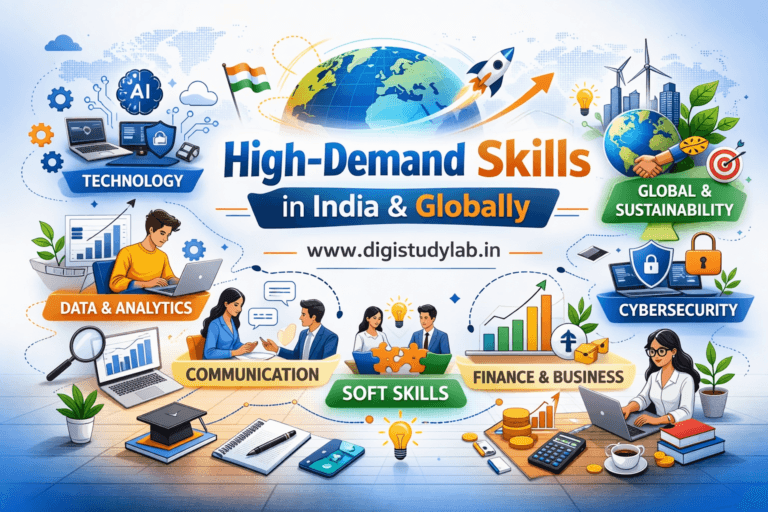
Critical thinking helps individuals analyze problems and make informed decisions. Communication skills support collaboration and idea sharing. Digital literacy enables individuals to work with technology confidently.
Adaptability ensures that learners can respond to changes and new opportunities. Emotional intelligence improves teamwork and leadership abilities.
Continuous learning is perhaps the most important skill. Future careers will require individuals to update their knowledge regularly.
Role of Education in Preparing for Future Careers
Education systems must evolve to support future career preparation. Learning should focus on practical application, interdisciplinary understanding, and real-world exposure.
Project-based learning, internships, workshops, and skill training programs can help learners build confidence and competence. Combining academic knowledge with practical experience creates balanced development.
Digital platforms and educational resources also play a significant role in providing access to information and learning opportunities.
How Students Can Start Preparing Today
Preparation for future careers begins with awareness. Students must explore industries, understand trends, and identify their interests.
Developing practical skills through projects, training, and experimentation strengthens learning. Reading, researching, and staying informed about technological and social changes helps in making better decisions.
Participating in activities that build communication, leadership, and teamwork skills improves overall development. Seeking guidance from mentors and educational resources supports career planning.
Role of Educational Platforms
Educational platforms support learners by providing guidance, knowledge, and structured learning materials. They help bridge the gap between academic learning and career requirements.
Digistudylab.in focuses on delivering educational and informative content that helps learners understand career trends, skill development, and future opportunities. Such platforms empower individuals to make informed decisions about their education and professional journeys.
Conclusion
The future of careers is being shaped by technology, sustainability, innovation, and global collaboration. Preparing for 2030 requires awareness, adaptability, and skill development. Learners must focus on building abilities that allow them to grow in changing environments.
Technology-driven roles, healthcare innovations, environmental careers, digital economy professions, and entrepreneurial opportunities will define the future workforce. Success will depend not only on academic qualifications but also on practical competence and continuous learning.
Educational guidance plays a crucial role in helping learners navigate these changes. Platforms like Digistudylab.in contribute by providing insights, awareness, and knowledge-driven content that prepares individuals for future careers and learning paths.
The careers of tomorrow belong to those who prepare today. By understanding trends, building skills, and staying curious, learners can position themselves for opportunities that will shape the next decade.