Introduction: Why Sustainable Home Decor Matters
Sustainable home decor is about more than aesthetics – it’s a conscious effort to make choices that reduce environmental impact, conserve resources, and promote healthier living. By integrating eco-friendly materials and supporting ethical craftsmanship, you can create a beautiful home that enhances well-being and aligns with your sustainability goals. On Digistudylab.in, we provide comprehensive insights to help transform your living space into an eco-conscious haven.
From selecting non-toxic paints to investing in timeless furniture, this guide highlights effective ways to merge style with sustainability, empowering you to make environmentally responsible decisions that stand the test of time.
1. Use Reclaimed and Recycled Materials
Using reclaimed and recycled materials breathes new life into old objects, reducing the demand for virgin resources and cutting down on landfill waste.
Ideas for Reclaimed Materials:
- Reclaimed wood for dining tables, headboards, and flooring.
- Recycled glass used for countertops and decorative vases.
- Metal from salvaged items repurposed into artistic light fixtures and frames.
Reclaimed materials carry a story and uniqueness that mass-produced items often lack. By incorporating them into your home, you not only create distinctive decor but also contribute to reducing deforestation and mining activities.
2. Opt for Energy-Efficient Lighting
Lighting plays a crucial role in shaping the ambiance of your home while impacting energy consumption.
Energy-Efficient Lighting Options:
- LED bulbs, which use up to 80% less energy and last longer than traditional bulbs.
- Solar-powered outdoor lamps to harness renewable energy.
- Dimmer switches that allow you to adjust light intensity and save electricity.
Replacing outdated lighting fixtures with energy-efficient alternatives significantly cuts energy usage, reducing your carbon footprint and utility bills.
3. Choose Non-Toxic Paints and Finishes
Conventional paints often contain volatile organic compounds (VOCs) that contribute to indoor air pollution and health issues. Opting for non-toxic alternatives protects your family’s health and the environment.
Non-Toxic Paint Options:
- Clay-based paints, offering natural pigments and durability.
- Low-VOC and zero-VOC paints to minimize toxic emissions.
- Natural oil finishes derived from linseed or tung oil for wood surfaces.
In addition to being safer, these paints and finishes enhance indoor air quality, making your living environment fresher and healthier.
4. Incorporate Natural Elements
Natural elements provide warmth and tranquility, fostering a deeper connection with the environment.
Ways to Bring Nature Indoors:
- Stone countertops or accent walls.
- Bamboo, wicker, and rattan furniture.
- Linen and cotton textiles for curtains and upholstery.
Natural materials are biodegradable and renewable, aligning with the principles of sustainable design.
5. Invest in Sustainable Furniture
Eco-conscious furniture is crafted from renewable resources or recycled materials, prioritizing longevity and ethical production.
Sustainable Furniture Ideas:
- Bamboo shelving units and chairs – fast-growing and highly renewable.
- FSC-certified wooden furniture from responsibly managed forests.
- Upholstered items filled with organic cotton or natural latex.
Choosing quality over quantity reduces waste and ensures that furniture pieces withstand years of use, preventing unnecessary landfill contributions.
6. Support Local Artisans and Makers
Local artisans bring authenticity and craftsmanship to home decor, promoting economic growth and reducing carbon emissions associated with shipping mass-produced items.
How to Incorporate Local Artistry:
- Handcrafted pottery and woven textiles.
- Locally made furniture using indigenous materials.
- Artwork from community artists that reflects cultural heritage.
By supporting local makers, you help sustain traditional skills while reducing transportation-related emissions.
7. Reduce Waste with Minimalist Design
Minimalism encourages intentional living, reducing consumption and waste by focusing on essential, functional pieces.
Tips for Minimalist Decor:
- Select neutral color palettes to ensure longevity.
- Invest in multifunctional furniture like storage ottomans and foldable tables.
- Limit decorative items to a few meaningful, high-quality pieces.
A clutter-free home contributes to mental clarity and aligns with eco-conscious living by discouraging excessive purchases.
8. Utilize Upcycling and DIY Projects
DIY and upcycling projects offer creative ways to reduce waste by transforming old or unused materials into new decor.
Upcycling Ideas:
- Old wooden crates repurposed as bookshelves.
- Mason jars converted into pendant lights.
- Worn-out clothing turned into pillow covers or throws.
DIY projects personalize your home while keeping materials out of landfills.
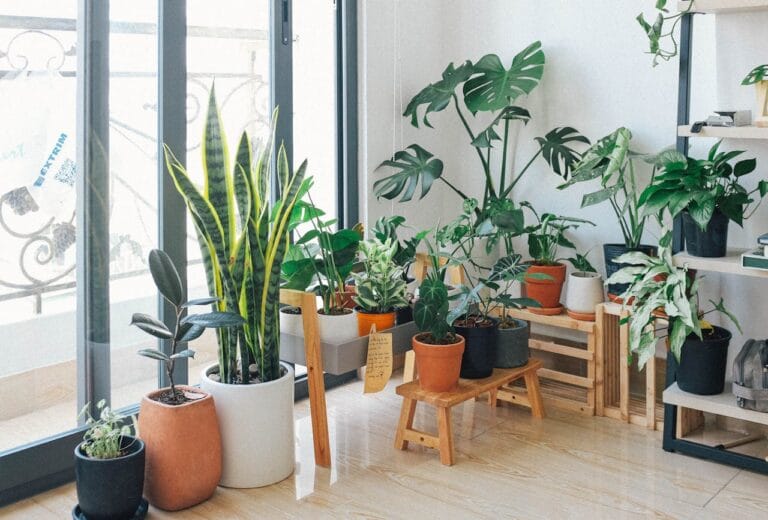
9. Embrace Indoor Plants for Air Quality
Plants are natural air purifiers, removing toxins and releasing oxygen to enhance indoor environments.
Best Air-Purifying Plants:
- Spider plant and pothos – low-maintenance and effective in filtering pollutants.
- Peace lily – improves humidity and absorbs toxins.
- Aloe vera – known for medicinal properties and air-cleaning benefits.
Indoor plants add vibrancy, improve well-being, and create a sense of tranquility.
10. Focus on Long-Lasting, Quality Items
Long-lasting decor reduces the need for frequent replacements, contributing to sustainability and cost-efficiency.
Tips for Durable Decor:
- Choose handcrafted, durable materials.
- Opt for classic designs that outlast fleeting trends.
- Select materials like solid wood, metal, and stone.
Investing in durable pieces ensures timeless elegance and minimizes environmental impact.
Conclusion
Sustainable home decor reflects thoughtful choices that benefit the environment, enhance comfort, and create a sanctuary you can feel proud of. By integrating reclaimed materials, supporting artisans, and embracing minimalist design, you cultivate a living space that aligns with your values.
Explore more ideas at Digistudylab.in to inspire your sustainable home transformation.