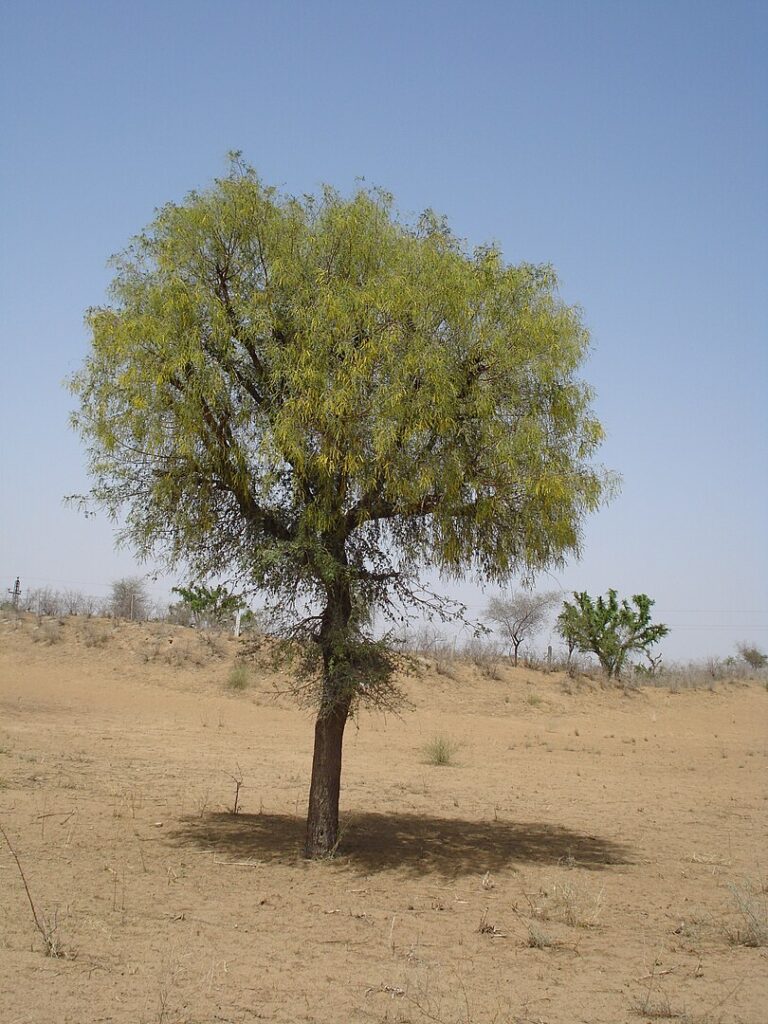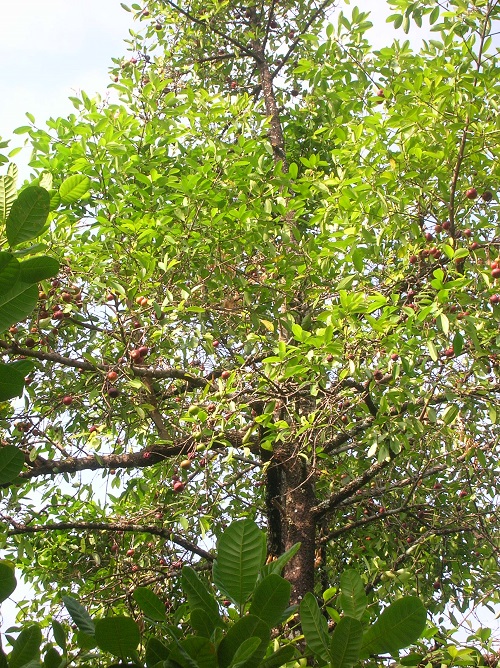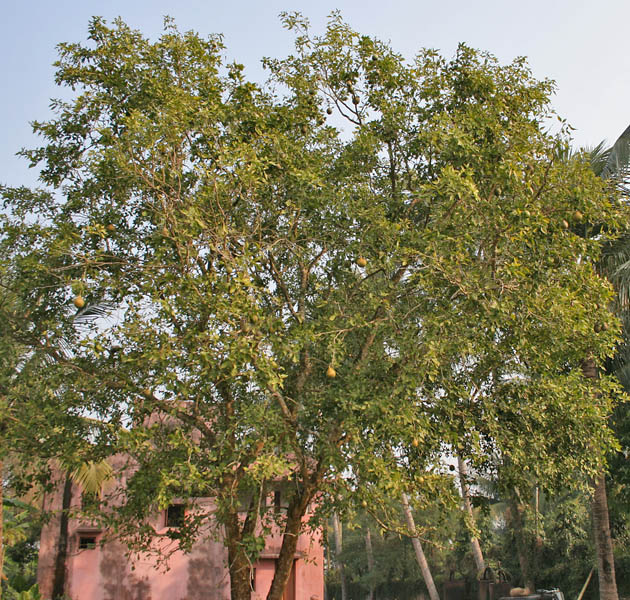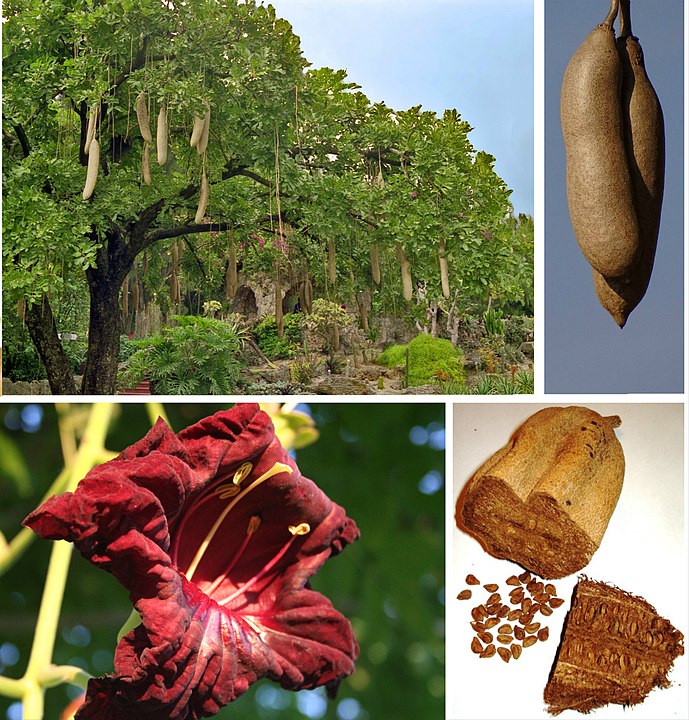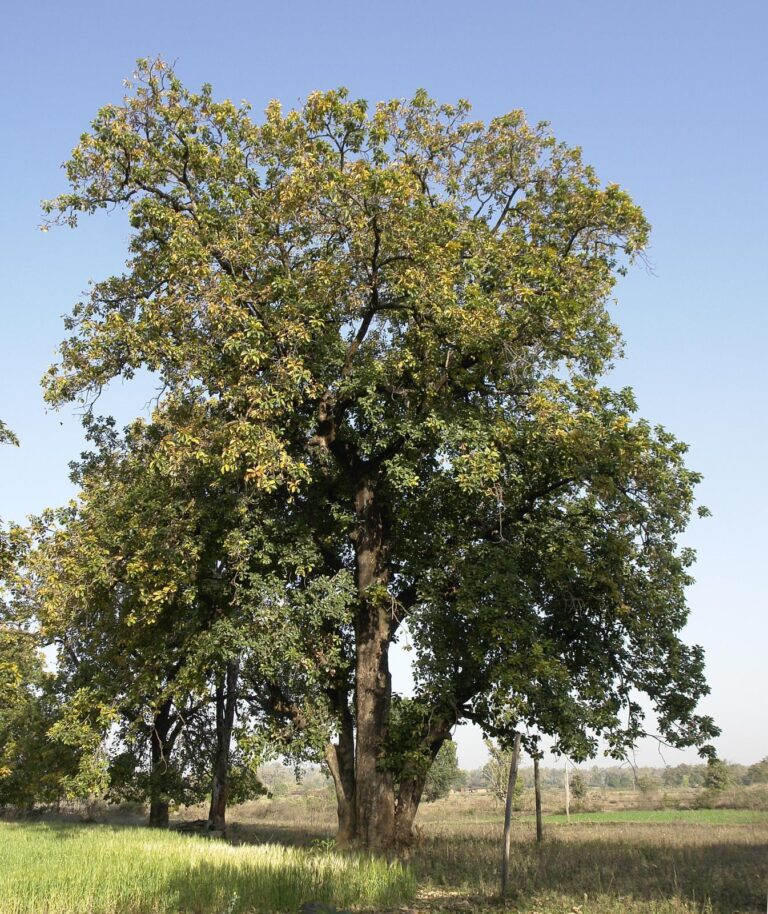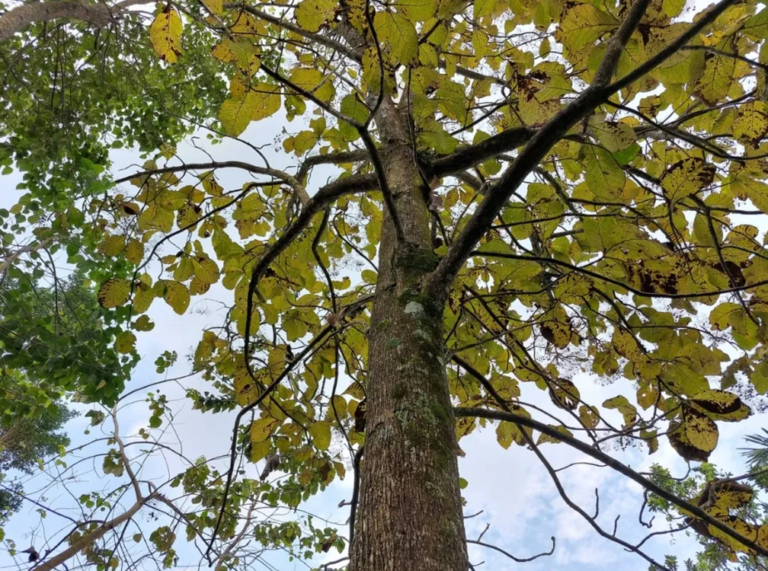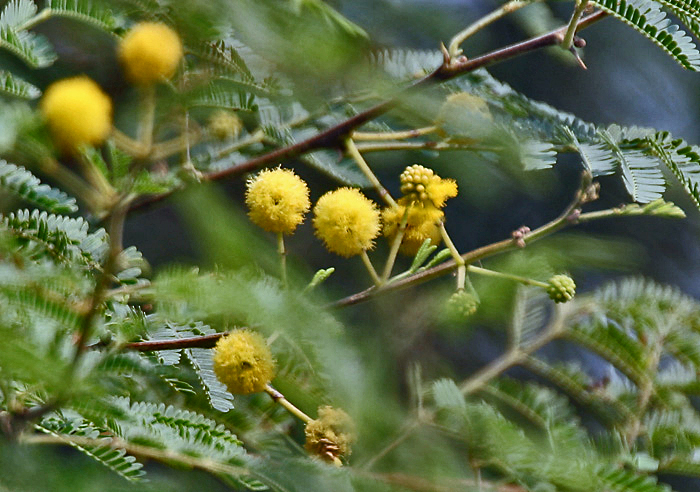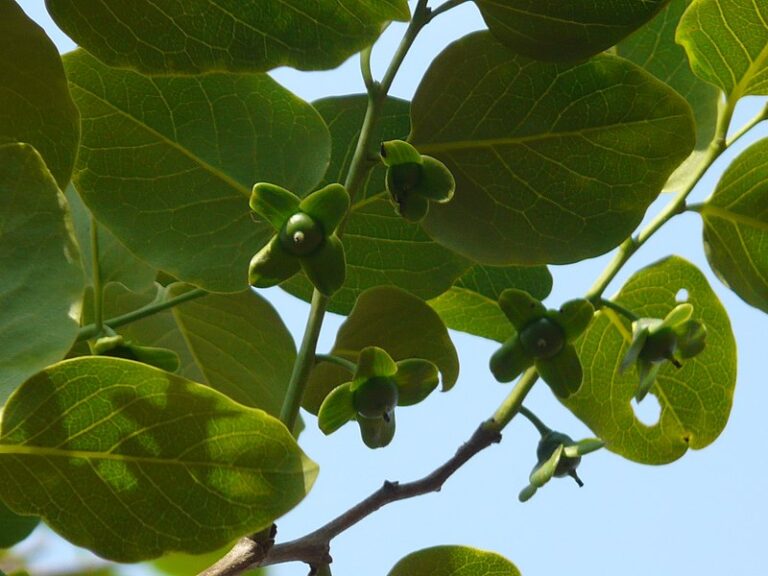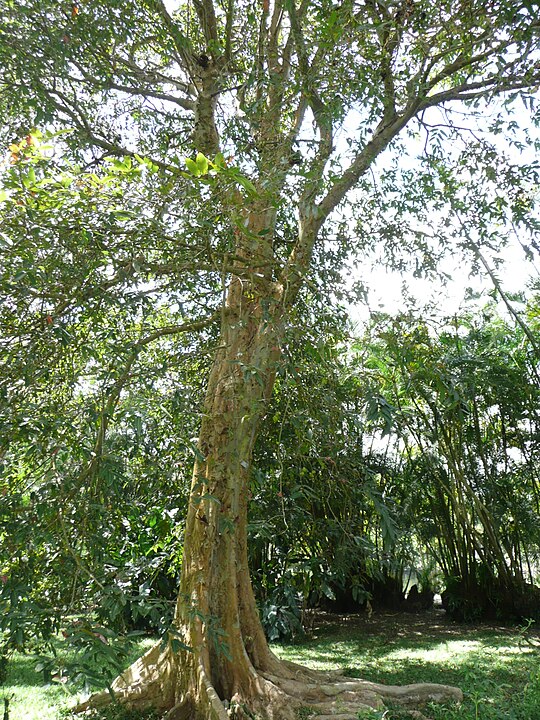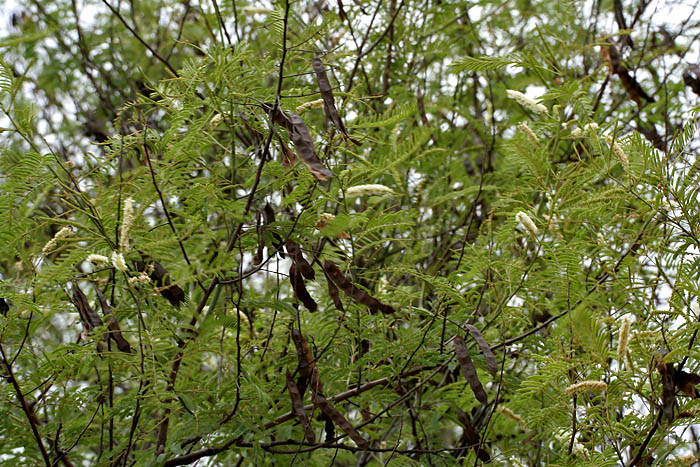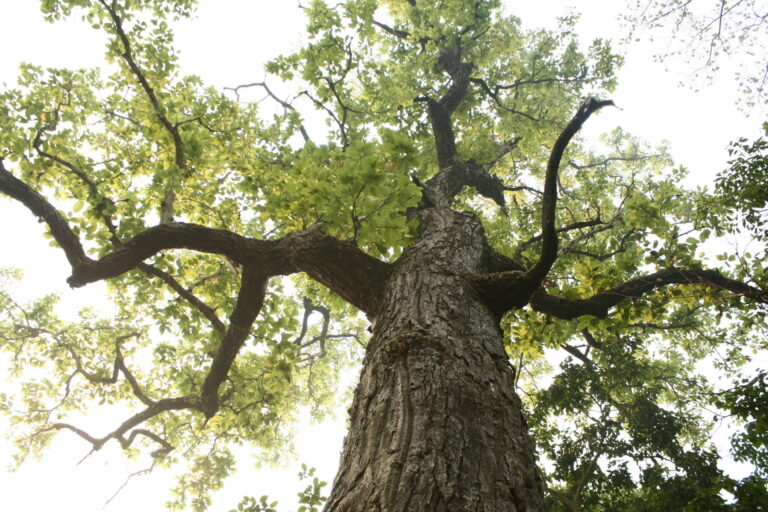
When we talk about the natural treasures of our planet, the Sal Tree stands tall, both literally and metaphorically. This majestic tree, scientifically known as Shorea robusta, holds immense significance in various aspects, ranging from environmental to cultural. Join us as we delve deeper into the world of the Sal Tree, exploring its myriad uses, benefits, and much more.
Introduction:
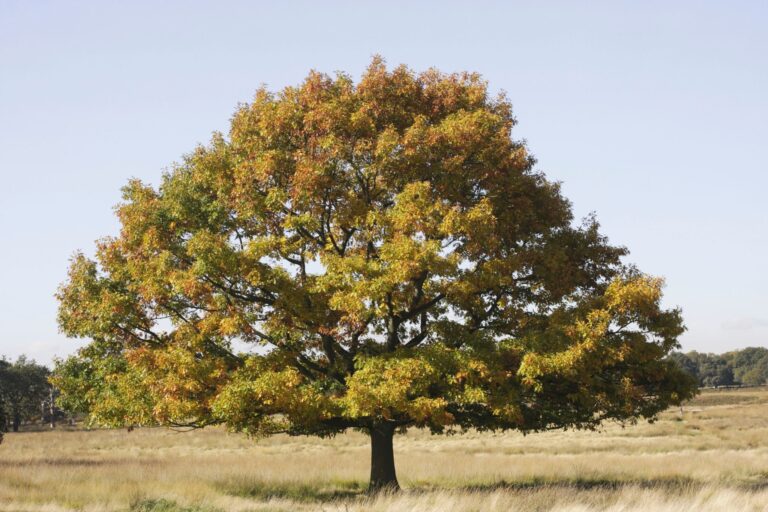
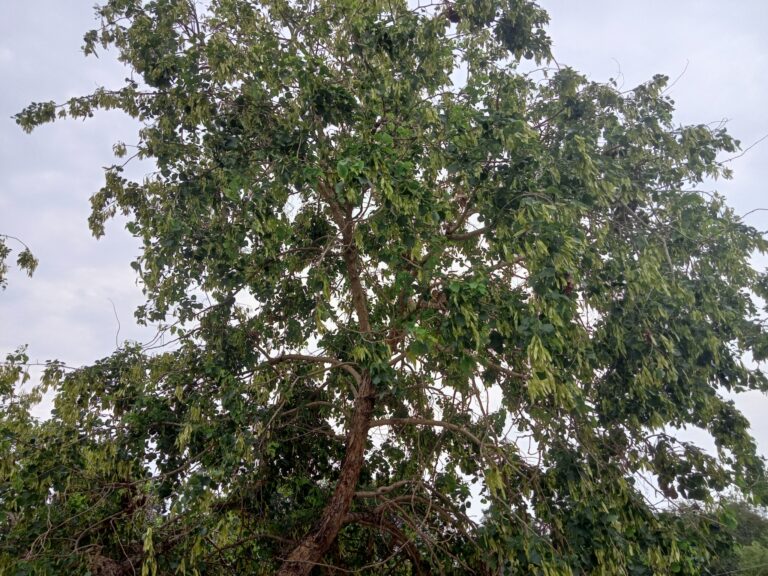
The Sal Tree, native to the Indian subcontinent and Southeast Asia, is a species revered for its multifaceted attributes. Its botanical name, Shorea robusta, hints at its robust and sturdy nature, which reflects in its impressive growth and resilience.
Historical and Cultural Significance:
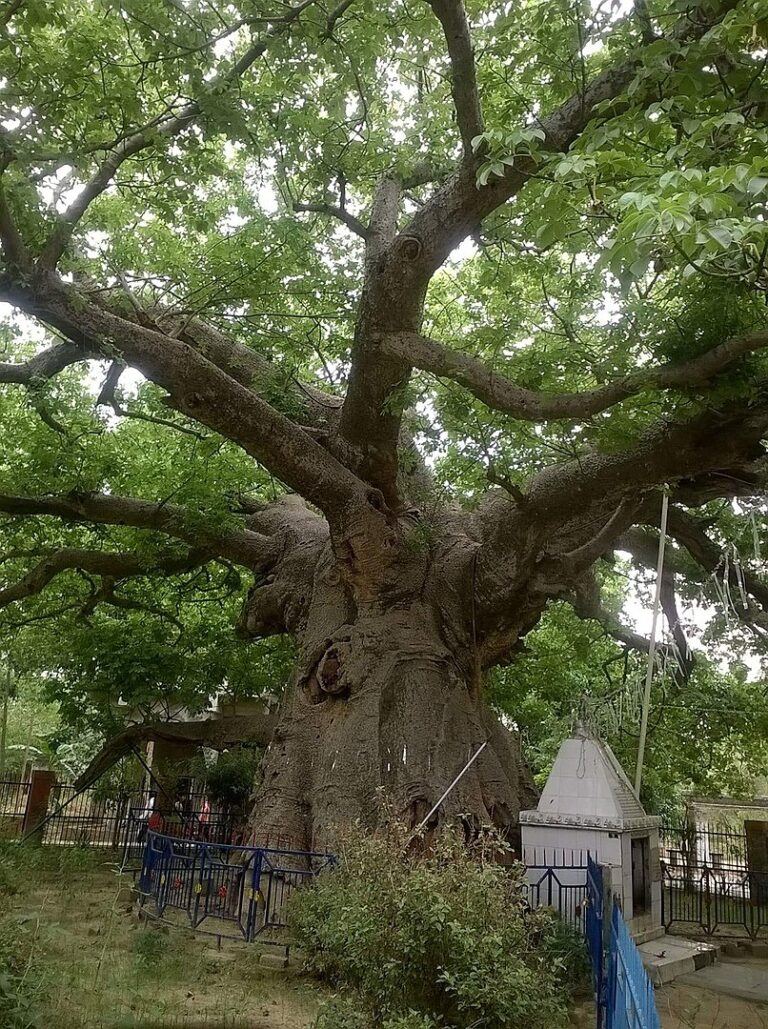
Throughout history, the Sal Tree has held a revered status in various cultures and traditions. In Hindu mythology, it is often associated with Lord Buddha’s enlightenment, with tales of him meditating under the shade of a Sal Tree. Moreover, in Indian folklore, the Sal Tree is considered sacred and is often found in the vicinity of temples and religious sites.
Ecological Importance:
Beyond its cultural significance, the Sal Tree plays a crucial role in maintaining ecological balance. As a dominant species in certain forest ecosystems, it contributes to soil fertility, biodiversity, and watershed management. The dense canopy of Sal forests provides habitat and sustenance for numerous species of flora and fauna.
Medicinal and Therapeutic Uses:
One of the most intriguing aspects of the Sal Tree lies in its medicinal properties. Various parts of the tree, including the bark, leaves, and resin, have been utilized in traditional Ayurvedic medicine for centuries. The bark extract is known for its anti-inflammatory and antimicrobial properties, while the resin, commonly known as ‘guggul,’ is valued for its role in treating ailments ranging from arthritis to cardiovascular diseases.
Commercial Applications:
In addition to its cultural and ecological significance, the Sal Tree holds immense economic value. The timber obtained from mature Sal trees is highly prized for its durability and resistance to decay, making it a preferred choice for construction and furniture making. Furthermore, the tree’s resin finds application in the production of varnishes, adhesives, and incense.
Conservation Efforts:
Despite its importance, the Sal Tree faces numerous threats, including deforestation, habitat degradation, and illegal logging. Recognizing the need for conservation, various governmental and non-governmental organizations are undertaking initiatives to protect and restore Sal forests. Efforts such as afforestation, community-based conservation, and sustainable harvesting practices are crucial in ensuring the long-term survival of this invaluable species.
Conclusion:
In conclusion, the Sal Tree stands as a symbol of resilience, cultural heritage, and ecological integrity. Its myriad uses and benefits underscore its significance in various aspects of human life and the environment. As we continue to unravel the mysteries of nature, let us not forget to cherish and protect treasures like the Sal Tree, ensuring that they thrive for generations to come.
Embrace the wonders of nature, embrace the Sal Tree.
Stay tuned to Digi Study Lab.in for more insightful content on nature, science, and beyond.
Exploring the Versatility of Sal Tree Products:
Beyond its traditional uses, modern innovation has further expanded the range of products derived from the Sal Tree. From herbal cosmetics infused with Sal extracts to eco-friendly packaging materials made from its fibers, the versatility of this remarkable tree knows no bounds. Embracing these sustainable alternatives not only promotes environmental conservation but also supports local communities dependent on Sal forests for their livelihoods.
Culinary Delights:
Surprisingly, the Sal Tree even finds its way into the culinary world. In certain regions, the tender shoots and leaves of the tree are used as a nutritious addition to various dishes. Rich in vitamins and minerals, these edible parts offer a unique flavor profile and are prized for their nutritional benefits.
Landscaping and Ornamental Use:
In urban environments, the Sal Tree finds its place in landscaping and horticulture. Its graceful foliage, attractive flowers, and sturdy growth make it a popular choice for parks, gardens, and roadside plantings. Not only does it enhance the aesthetic appeal of urban spaces, but it also contributes to air purification and environmental sustainability.
Cultural Celebrations and Festivities:
The Sal Tree continues to be an integral part of cultural celebrations and festivities across its native range. From the vibrant festivals of India to traditional ceremonies in Southeast Asia, the presence of the Sal Tree adds a sense of reverence and spirituality to these occasions. Its leaves, flowers, and branches are often used to adorn sacred spaces and ceremonial altars, symbolizing prosperity, vitality, and renewal.
Looking Ahead:
As we navigate the complexities of a rapidly changing world, the conservation and sustainable management of resources like the Sal Tree become increasingly paramount. By fostering a deeper understanding of its ecological, cultural, and economic importance, we can pave the way for a harmonious coexistence between humans and nature.
In essence, the Sal Tree transcends its botanical identity to become a symbol of interconnectedness, resilience, and harmony. Let us continue to nurture and protect this invaluable resource, ensuring a brighter and greener future for generations to come.
Join us at Digi Study Lab.in as we embark on a journey of exploration and discovery, celebrating the wonders of the natural world and unlocking the secrets of sustainable living. Together, let’s embrace the legacy of the Sal Tree and embark on a path towards a more enlightened and environmentally conscious future.