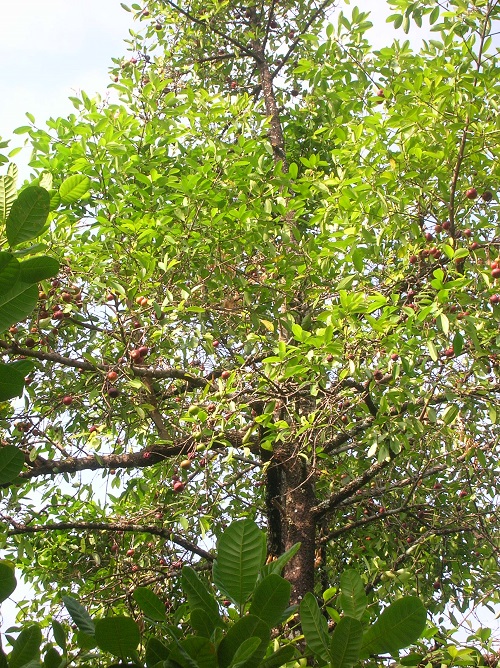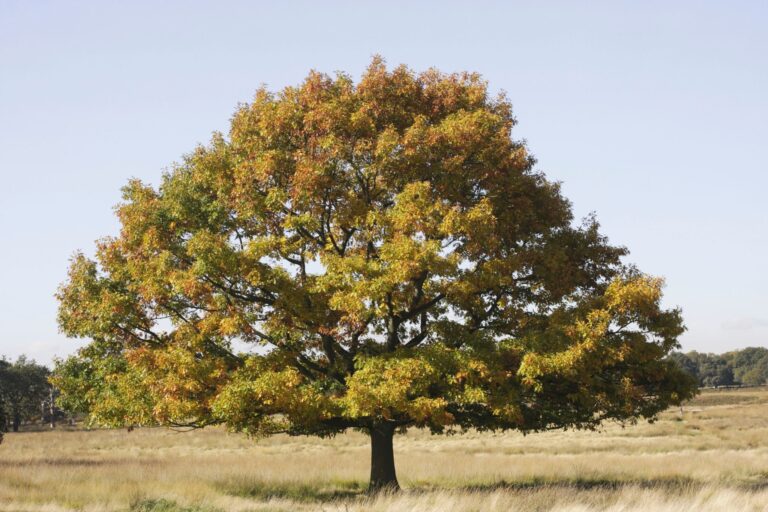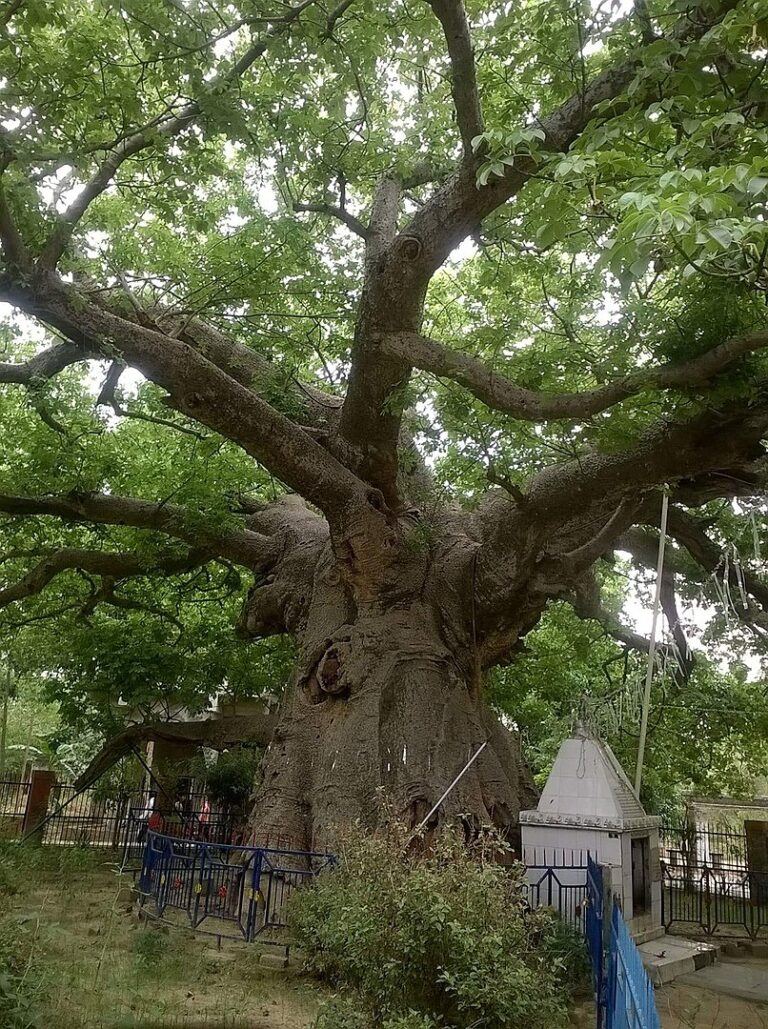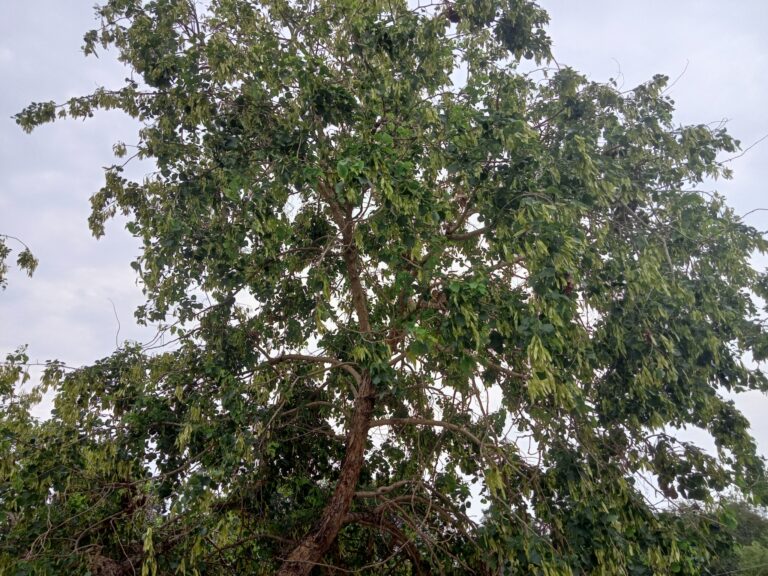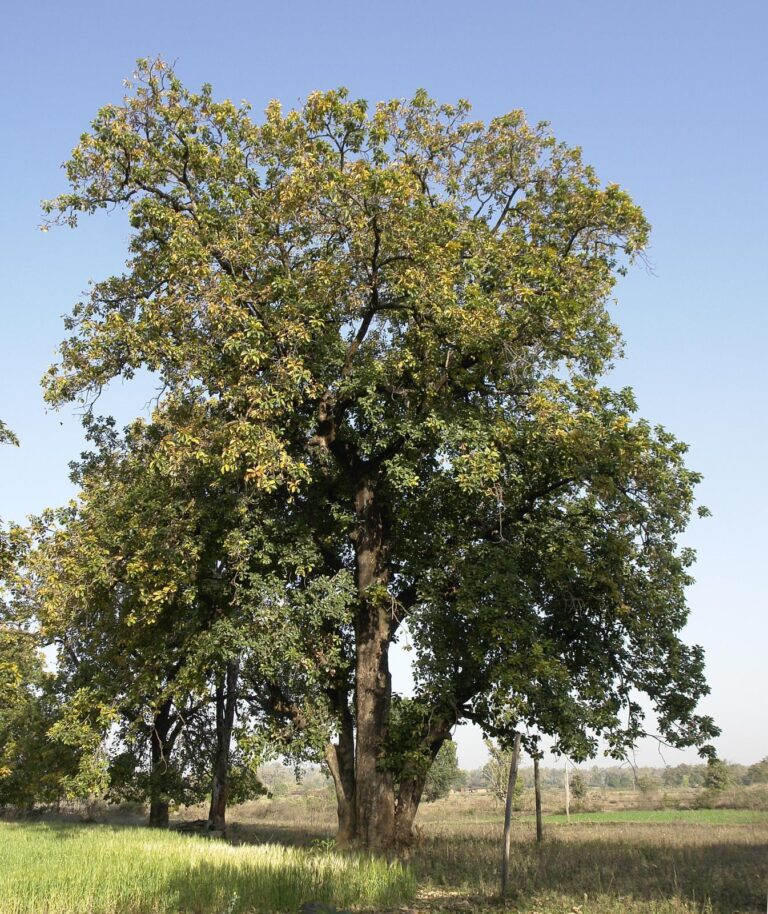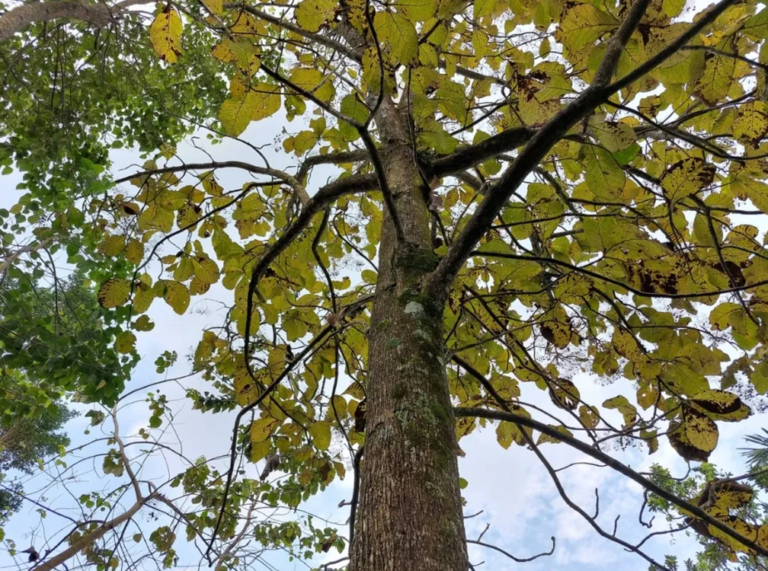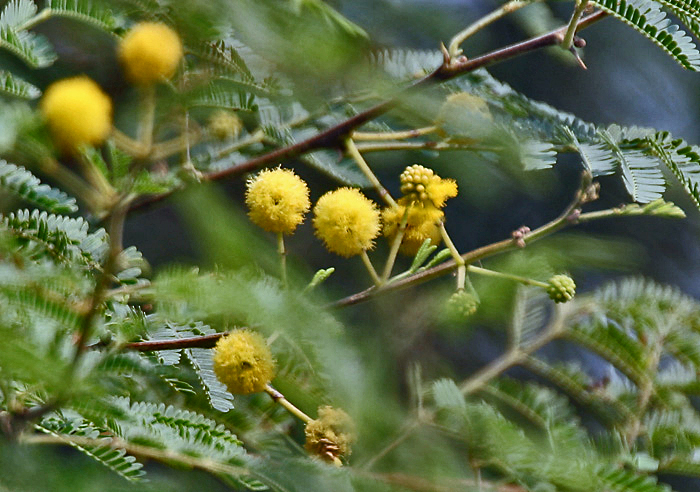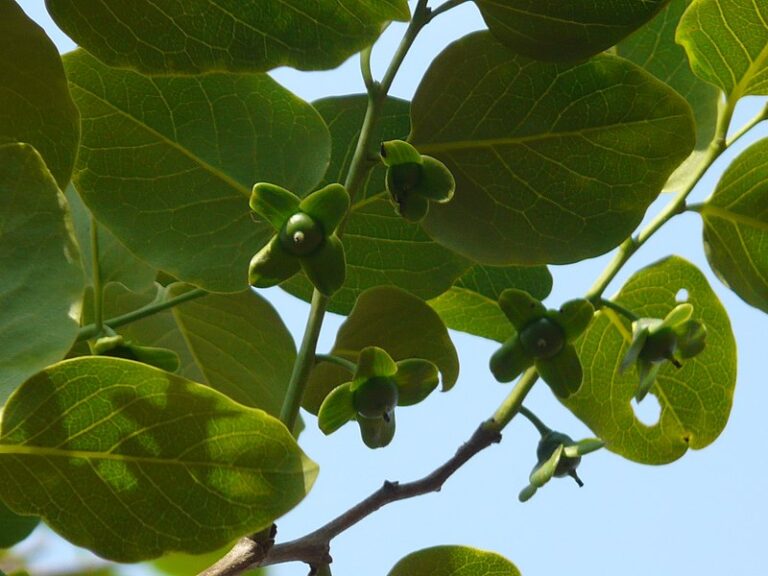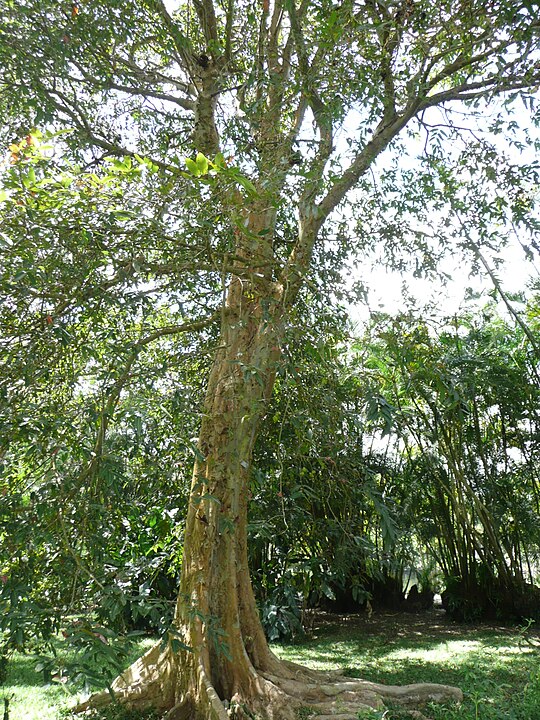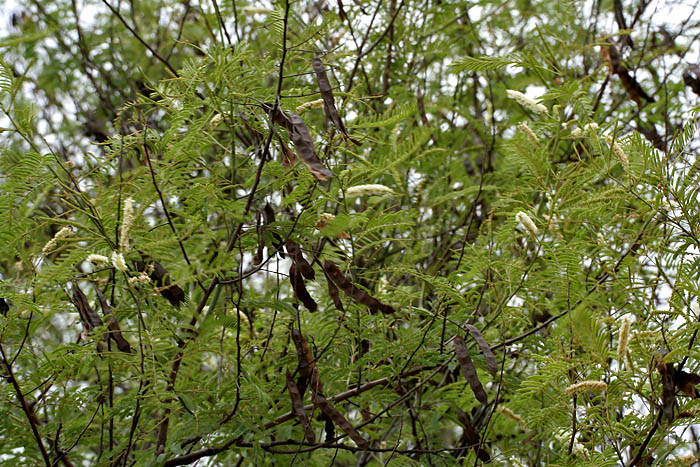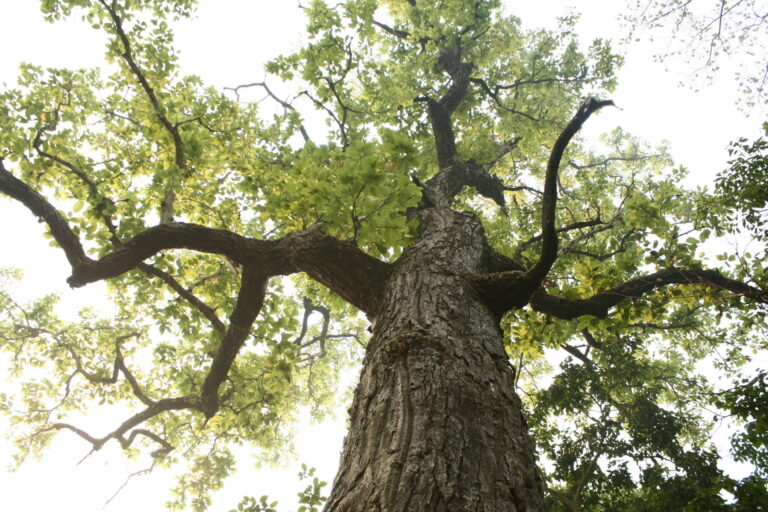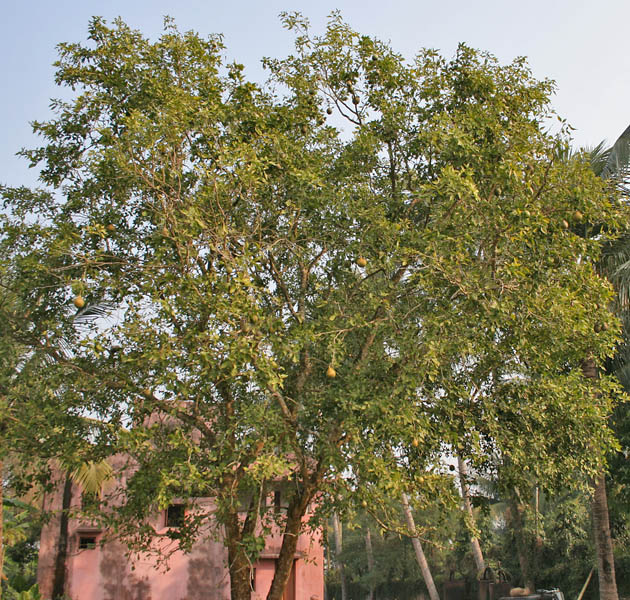
In the realm of botanical marvels, the Bael tree (Aegle marmelos) stands as a silent sentinel, offering an array of benefits deeply ingrained in ancient traditions and modern sciences alike. Revered for centuries in various cultures for its medicinal properties, culinary delights, and religious significance, this sacred tree continues to captivate minds and hearts worldwide.
Discovering the Bael Tree: An Overview
The Bael tree, also known as the “Bilva” or “Bilwa” tree, holds a significant place in Hindu mythology, where it is associated with Lord Shiva. Its distinctive trifoliate leaves and aromatic flowers make it easily recognizable, adorning landscapes across tropical and subtropical regions of the globe.
Unveiling the Uses and Benefits
Medicinal Marvel:
- Digestive Aid: Bael leaves and fruit are renowned for their digestive properties, aiding in relieving constipation, dysentery, and other gastrointestinal issues.
- Immune Booster: Rich in vitamins and antioxidants, Bael offers immune-boosting benefits, protecting the body against infections and diseases.
- Respiratory Support: The concoction of Bael leaves with honey is a popular remedy for respiratory ailments like cough and cold.
- Cardiovascular Health: Studies suggest that Bael may help in managing cholesterol levels and improving heart health.
Culinary Delights:
- Nutritious Fruit: The pulp of ripe Bael fruit is not only delicious but also packed with essential nutrients like Vitamin C, Vitamin A, and fiber.
- Traditional Treats: From jams and candies to juices and sherbets, Bael finds its way into various culinary delights, adding a unique flavor and nutritional punch.
Religious Significance:
- Sacred Symbolism: In Hinduism, offering Bael leaves to Lord Shiva is believed to bring blessings and spiritual merit. The trifoliate shape of the leaves symbolizes the three aspects of the divine – creation, preservation, and destruction.
- Ritualistic Practices: Bael leaves are an integral part of religious rituals, particularly during Shiva worship ceremonies and festivals like Maha Shivaratri.
Exploring Environmental Impact
Beyond its medicinal and cultural significance, the Bael tree plays a crucial role in ecological preservation:
- Soil Conservation: Bael trees help prevent soil erosion, thanks to their extensive root systems.
- Biodiversity Support: The tree provides shelter and sustenance to various birds, insects, and small animals, contributing to biodiversity conservation.
Conclusion: Embracing the Bael Tree’s Legacy
In a world where the pursuit of modernity often eclipses ancient wisdom, the Bael tree stands as a timeless reminder of nature’s bounty and the interconnectedness of life. From its therapeutic virtues to its culinary allure and spiritual resonance, the Bael tree continues to enchant and enrich our lives in multifaceted ways. Let us embrace its legacy with reverence and gratitude, honoring the symbiotic relationship between humanity and the natural world.
Embrace the essence of the Bael tree and unlock a treasure trove of holistic well-being and cultural heritage!
Visit Digi Study Lab.in for more enlightening insights and captivating content on nature’s wonders and beyond.
Harnessing the Power of the Bael Tree: Practical Tips and Recommendations
Cultivation and Care:
- Ideal Climate: Bael trees thrive in warm, tropical climates with well-drained soil. Planting them in areas with ample sunlight ensures optimal growth.
- Watering: While Bael trees are drought-tolerant once established, regular watering is essential, especially during the initial growth phase.
- Pruning: Pruning helps maintain the tree’s shape and encourages fruit production. Remove dead or diseased branches to promote healthy growth.
Harvesting and Utilization:
- Ripe Fruit Selection: Harvest Bael fruit when fully ripe, as indicated by its yellowish-green hue and aromatic fragrance. The pulp should be soft and yielding to the touch.
- Processing Techniques: To extract the pulp, simply cut the fruit open and scoop out the flesh. It can be consumed fresh or used in various culinary preparations.
- Drying and Preservation: Bael pulp can be dried and stored for extended periods, retaining its nutritional value and flavor. Dried slices can be rehydrated for use in teas or desserts.
Health and Wellness:
- Incorporate Bael Into Your Diet: Explore creative ways to incorporate Bael fruit and leaves into your daily meals, whether it’s adding the pulp to smoothies or brewing Bael leaf tea.
- Consultation: While Bael offers numerous health benefits, it’s advisable to consult with a healthcare professional before incorporating it into your wellness regimen, especially if you have existing medical conditions or are pregnant/nursing.
Embracing Tradition, Nurturing Well-Being
As we delve deeper into the rich tapestry of nature’s gifts, the Bael tree emerges as a timeless symbol of resilience, vitality, and spiritual significance. Whether relishing its succulent fruit, harnessing its healing properties, or honoring its sacred legacy, the Bael tree invites us to embrace a harmonious relationship with the natural world.
In our quest for holistic well-being and cultural enrichment, let us not overlook the profound wisdom embedded in age-old traditions and botanical treasures. By nurturing a deeper connection with the Bael tree and other wonders of nature, we embark on a journey of self-discovery, healing, and ecological stewardship.
At Digi Study Lab.in, we are passionate about exploring the intersection of science, culture, and nature. Join us on our journey of discovery as we uncover the mysteries of the natural world, celebrate its diversity, and inspire others to cultivate a deeper appreciation for the wonders that surround us.
Together, let us embark on a voyage of exploration, enlightenment, and transformation, guided by the timeless wisdom of the Bael tree and the boundless wonders of our natural heritage.
In the realm of botanical marvels, the Bael tree (Aegle marmelos) stands as a silent sentinel, offering an array of benefits deeply ingrained in ancient traditions and modern sciences alike. Revered for centuries in various cultures for its medicinal properties, culinary delights, and religious significance, this sacred tree continues to captivate minds and hearts worldwide.
Discovering the Bael Tree: An Overview
The Bael tree, also known as the “Bilva” or “Bilwa” tree, holds a significant place in Hindu mythology, where it is associated with Lord Shiva. Its distinctive trifoliate leaves and aromatic flowers make it easily recognizable, adorning landscapes across tropical and subtropical regions of the globe.
Unveiling the Uses and Benefits
Medicinal Marvel:
- Digestive Aid: Bael leaves and fruit are renowned for their digestive properties, aiding in relieving constipation, dysentery, and other gastrointestinal issues.
- Immune Booster: Rich in vitamins and antioxidants, Bael offers immune-boosting benefits, protecting the body against infections and diseases.
- Respiratory Support: The concoction of Bael leaves with honey is a popular remedy for respiratory ailments like cough and cold.
- Cardiovascular Health: Studies suggest that Bael may help in managing cholesterol levels and improving heart health.
Culinary Delights:
- Nutritious Fruit: The pulp of ripe Bael fruit is not only delicious but also packed with essential nutrients like Vitamin C, Vitamin A, and fiber.
- Traditional Treats: From jams and candies to juices and sherbets, Bael finds its way into various culinary delights, adding a unique flavor and nutritional punch.
Religious Significance:
- Sacred Symbolism: In Hinduism, offering Bael leaves to Lord Shiva is believed to bring blessings and spiritual merit. The trifoliate shape of the leaves symbolizes the three aspects of the divine – creation, preservation, and destruction.
- Ritualistic Practices: Bael leaves are an integral part of religious rituals, particularly during Shiva worship ceremonies and festivals like Maha Shivaratri.
Exploring Taxonomy, Distribution, and Ecology
Taxonomy:
- Kingdom: Plantae
- Order: Sapindales
- Family: Rutaceae
- Genus: Aegle
- Species: Aegle marmelos
Distribution:
- Native Range: The Bael tree is native to the Indian subcontinent, particularly prevalent in India, Nepal, Sri Lanka, and Bangladesh.
- Global Distribution: Due to its cultural significance and adaptability, Bael has been introduced to various tropical and subtropical regions worldwide, including parts of Africa, Southeast Asia, and the Caribbean.
Ecology:
- Habitat: Bael trees thrive in a variety of habitats, from dry deciduous forests to riverbanks and plains. They prefer well-drained soil and plenty of sunlight for optimal growth.
- Wildlife Interaction: The Bael tree supports a diverse array of wildlife, including birds, insects, and small mammals. Birds are attracted to its fruits, while insects often pollinate its flowers, contributing to ecosystem diversity.
Conclusion: Embracing the Bael Tree’s Legacy
In a world where the pursuit of modernity often eclipses ancient wisdom, the Bael tree stands as a timeless reminder of nature’s bounty and the interconnectedness of life. From its therapeutic virtues to its culinary allure and spiritual resonance, the Bael tree continues to enchant and enrich our lives in multifaceted ways. Let us embrace its legacy with reverence and gratitude, honoring the symbiotic relationship between humanity and the natural world.
Embrace the essence of the Bael tree and unlock a treasure trove of holistic well-being and cultural heritage!
Visit Digi Study Lab.in for more enlightening insights and captivating content on nature’s wonders and beyond.