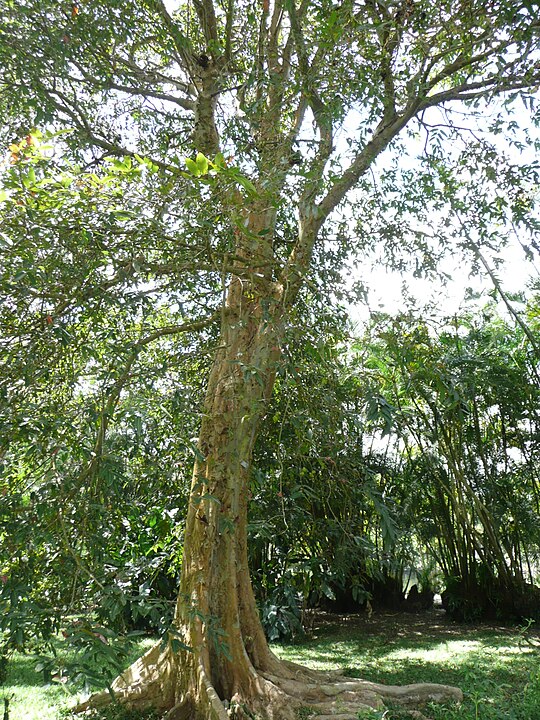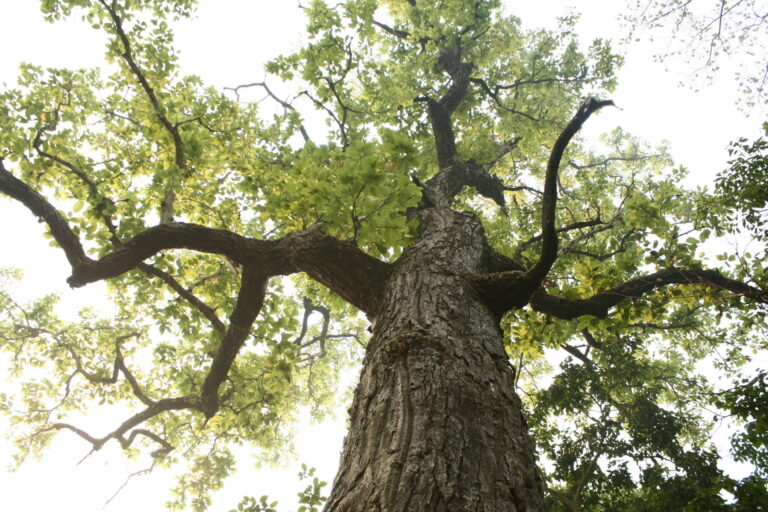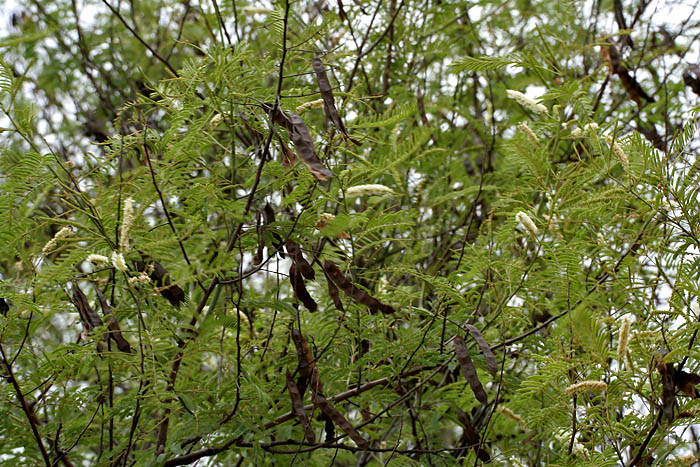
In the vast tapestry of nature’s bounty, there are gems that often go unnoticed, overshadowed by more flamboyant flora. One such treasure is the Khair tree, known for its myriad of uses, rich history, and remarkable benefits. Join us on a journey as we delve into the enchanting world of the Khair tree, uncovering its secrets and unraveling its significance.
Exploring the Khair Tree: An Introduction
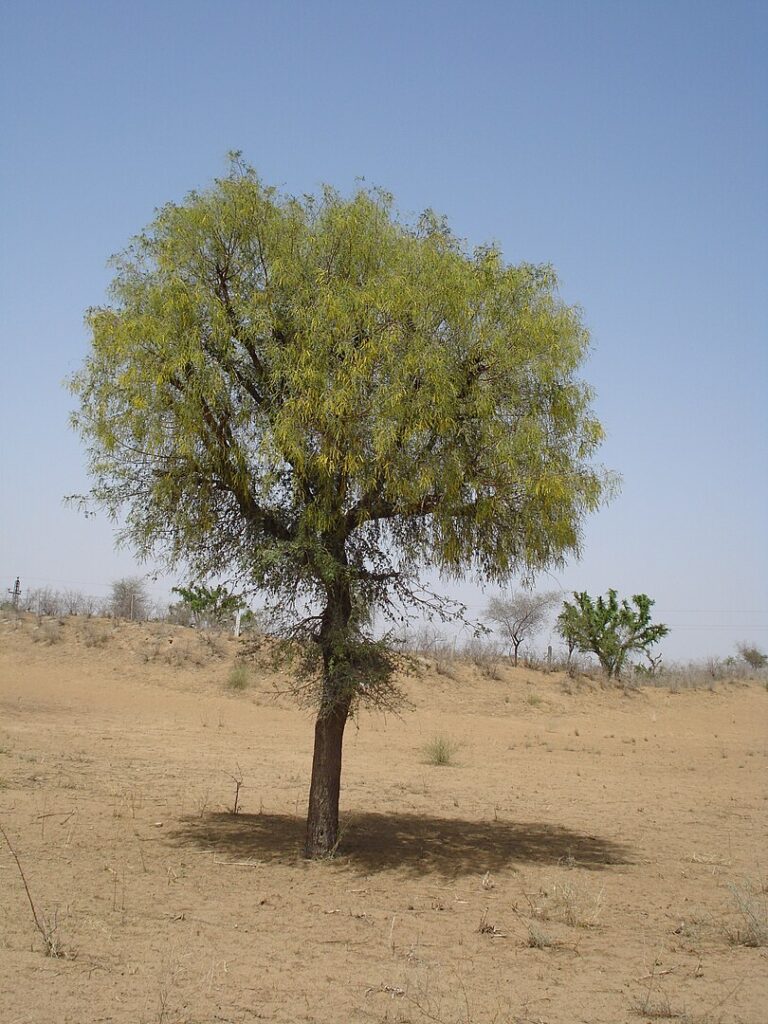
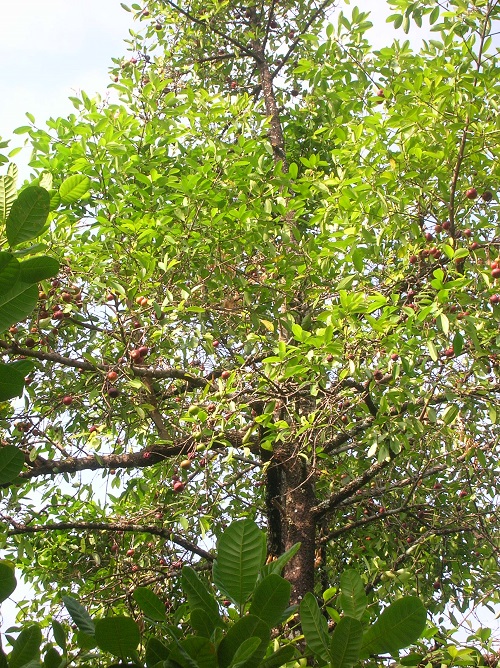
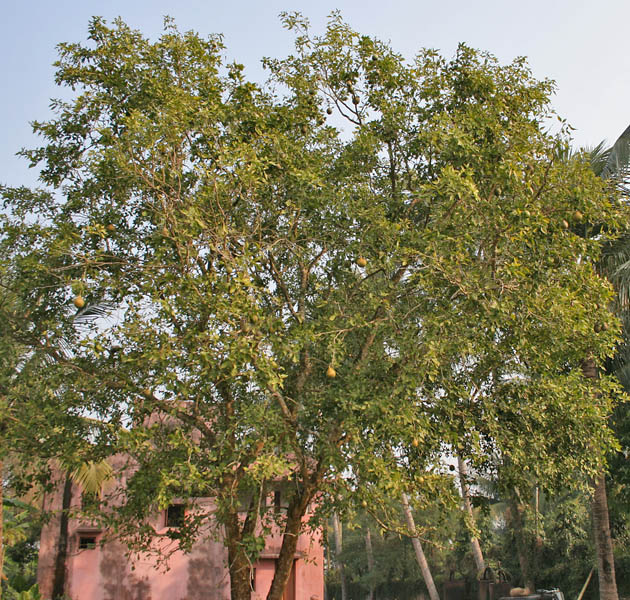
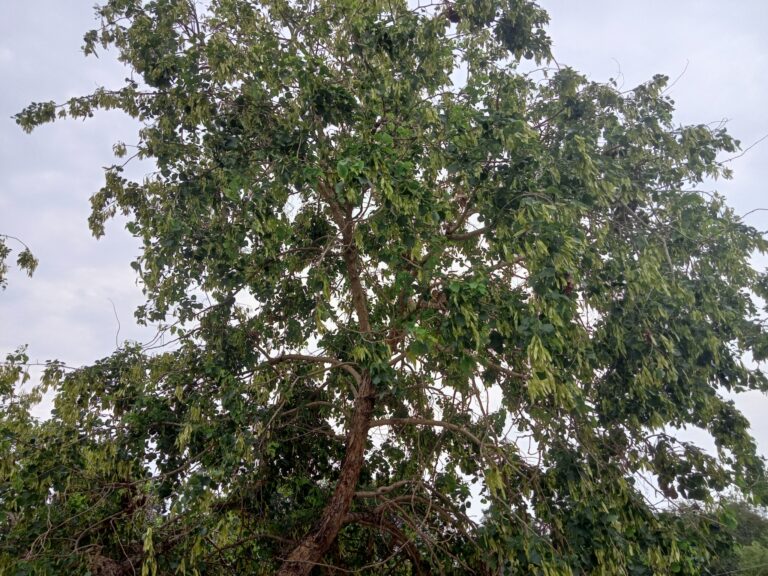
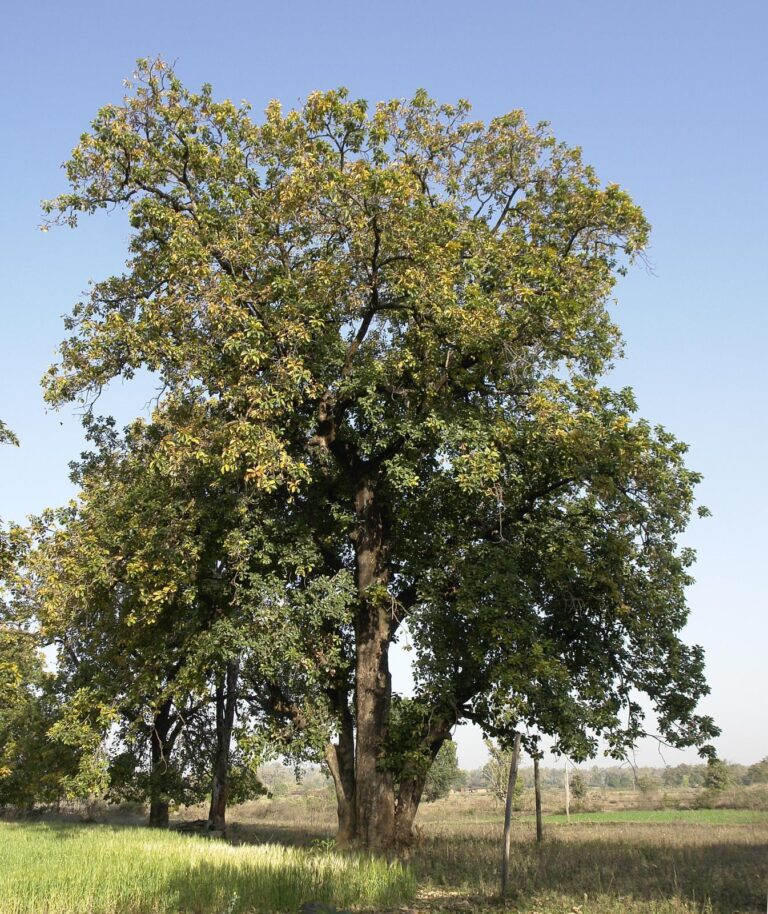
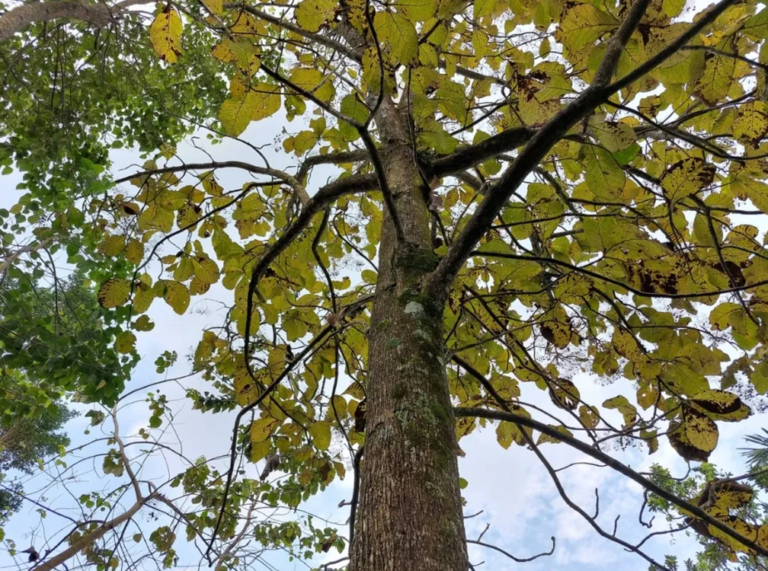
The Khair tree, scientifically classified as Acacia catechu, is a species native to the Indian subcontinent and Southeast Asia. Revered for centuries in traditional medicine and cultural practices, this deciduous tree holds a special place in the hearts of many.
Uses and Applications
1. Medicinal Marvel: The Khair tree has long been revered for its medicinal properties. Its heartwood, leaves, and bark are rich in tannins, catechins, and flavonoids, making it a valuable ingredient in traditional Ayurvedic and herbal remedies. From treating digestive disorders to alleviating respiratory ailments, the Khair tree offers a holistic approach to health and wellness.
2. Natural Dye: The extract obtained from the heartwood of the Khair tree is used as a natural dye in textile industries. Renowned for its ability to impart a range of earthy hues, from deep browns to vibrant oranges, Khair extract adds a touch of eco-friendliness to the world of fashion.
3. Oral Health Aid: In certain cultures, chewing on Khair tree twigs is a common practice for maintaining oral hygiene. These twigs, known as “datun,” possess antibacterial properties and are believed to freshen breath, strengthen gums, and combat dental issues.
Benefits and Significance
1. Environmental Guardian: The Khair tree plays a vital role in ecosystem conservation and restoration. Its deep-rooted system helps prevent soil erosion, while its canopy provides shade and shelter for a variety of wildlife. Moreover, its nitrogen-fixing ability enriches the soil, promoting the growth of other plant species.
2. Cultural Heritage: Embedded in the cultural tapestry of the Indian subcontinent, the Khair tree holds symbolic significance in various traditions and rituals. From being a sacred offering in religious ceremonies to finding mention in ancient texts and folklore, it continues to weave its presence into the fabric of society.
Conclusion: Embracing Nature’s Bounty
In a world where modernity often eclipses the wonders of the natural world, the Khair tree stands as a testament to the enduring power of Mother Nature. From its medicinal marvels to its cultural significance, this humble tree reminds us of the interconnectedness of all life forms and the importance of preserving our botanical heritage.
As we continue to unravel the mysteries of the Khair tree, let us embrace its wisdom and tread lightly upon the Earth, nurturing and protecting the treasures it so generously bestows upon us.
Join us at Digi Study Lab.in as we delve deeper into the wonders of nature, exploring the intersection of science, tradition, and sustainability. Together, let us embark on a journey of discovery and enlightenment, one leaf, one branch, one tree at a time.
Unraveling the Khair Tree’s Legacy: Preserving Tradition and Sustainability
In the modern age, where technology and progress often dominate the discourse, it’s easy to overlook the timeless wisdom embedded in ancient traditions. The Khair tree serves as a poignant reminder of the harmony that can exist between humanity and nature when we honor and respect the gifts bestowed upon us.
Sustainable Practices:
In an era where environmental conservation is paramount, the Khair tree offers invaluable lessons in sustainable living. Its versatile applications, coupled with its resilience and ability to thrive in diverse ecosystems, make it a beacon of hope for sustainable resource management.
By promoting the responsible cultivation and utilization of Khair trees, communities can foster economic development while preserving their natural heritage for generations to come. From agroforestry initiatives to eco-friendly dyeing practices, there is immense potential for innovation and collaboration in harnessing the Khair tree’s bounty sustainably.
Community Empowerment:
Beyond its ecological and economic benefits, the Khair tree holds the power to unite communities and foster social cohesion. Through collective efforts to protect and nurture these trees, local communities can reclaim agency over their natural surroundings and forge bonds that transcend social and cultural boundaries.
Initiatives aimed at empowering marginalized communities through Khair tree conservation and utilization can create pathways to economic self-sufficiency and cultural revival. By investing in education, training, and infrastructure, these initiatives can unlock the full potential of the Khair tree as a catalyst for holistic development.
Looking to the Future:
As we stand at the crossroads of tradition and modernity, the Khair tree beckons us to embrace a future rooted in harmony with nature. By cultivating a deep reverence for the natural world and honoring the wisdom of our ancestors, we can chart a course towards a more sustainable and equitable future for all.
At Digi Study Lab.in, we’re committed to championing the preservation of traditional knowledge and promoting sustainable practices that honor our planet’s precious resources. Join us in celebrating the Khair tree’s legacy and exploring the endless possibilities it holds for a brighter tomorrow.
Together, let us cultivate a world where nature’s gifts are cherished, traditions are upheld, and communities thrive in harmony with the Earth. As we embark on this journey of discovery and transformation, may the Khair tree serve as our guiding light, illuminating the path towards a more sustainable and resilient future for generations to come.
Unveiling the Khair Tree: Taxonomy, Distribution, Ecology, and More
In our exploration of the Khair tree’s mystique, it’s imperative to delve deeper into its taxonomy, distribution, ecology, and other scientific facets. Let’s embark on a journey to uncover the botanical intricacies and ecological significance of this remarkable species.
Taxonomy:
The Khair tree, scientifically classified as Acacia catechu, belongs to the Fabaceae family, commonly known as the legume, pea, or bean family. Within the genus Acacia, it is further classified under the subgenus Acacia and the section Sophorae. This taxonomical classification provides insights into the tree’s evolutionary relationships and botanical characteristics.
Distribution:
Native to the Indian subcontinent and Southeast Asia, the Khair tree thrives in a variety of habitats ranging from tropical and subtropical forests to arid and semi-arid regions. It is found across countries such as India, Nepal, Bangladesh, Myanmar, Thailand, Laos, Vietnam, and Cambodia, reflecting its adaptability to diverse environmental conditions.
Ecology:
The Khair tree plays a pivotal role in the ecology of its native habitats, influencing soil health, water retention, and biodiversity. As a nitrogen-fixing species, it enhances soil fertility by facilitating the conversion of atmospheric nitrogen into organic forms accessible to other plants. Moreover, its deep taproot system helps prevent soil erosion and improves water infiltration, contributing to watershed management and ecological resilience.
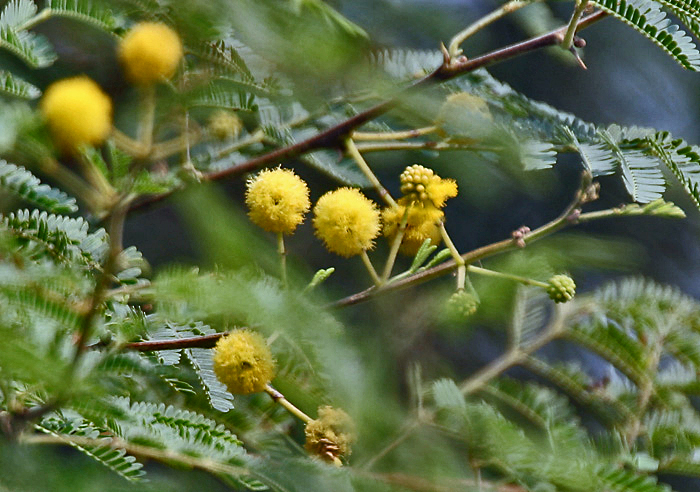
In terms of biodiversity, the Khair tree provides habitat and sustenance for a myriad of organisms, including insects, birds, and mammals. Its flowers attract pollinators such as bees and butterflies, while its foliage serves as food for browsing animals and herbivorous insects. Additionally, the tree’s dense canopy offers shelter and nesting sites for birds and small mammals, further enriching local ecosystems.
Conservation Status:
While the Khair tree is not currently listed as a threatened species, habitat loss, overexploitation, and deforestation pose significant challenges to its long-term survival. Sustainable management practices, conservation efforts, and community-based initiatives are essential for safeguarding Khair tree populations and preserving their ecological integrity.
Conclusion:
In unraveling the taxonomy, distribution, ecology, and conservation status of the Khair tree, we gain a deeper appreciation for its botanical significance and ecological importance. As stewards of the natural world, it is our collective responsibility to ensure the preservation and sustainable management of this invaluable species for future generations to cherish and benefit from.
At Digi Study Lab.in, we celebrate the Khair tree’s rich heritage and advocate for its conservation through education, awareness, and action. Join us in honoring nature’s marvels and fostering a world where biodiversity thrives, ecosystems flourish, and humanity lives in harmony with the Earth.