In the lush tapestry of nature, few entities stand as regally as the Kapok tree. Towering over tropical landscapes with its impressive height and adorned with vibrant flowers, this majestic giant holds a wealth of uses and benefits that have captivated civilizations for centuries. Join us as we delve into the intriguing world of the Kapok tree, exploring its diverse applications and ecological significance.
Discovering the Kapok Tree: Nature’s Architect
The Magnificent Kapok Tree: A Botanical Marvel
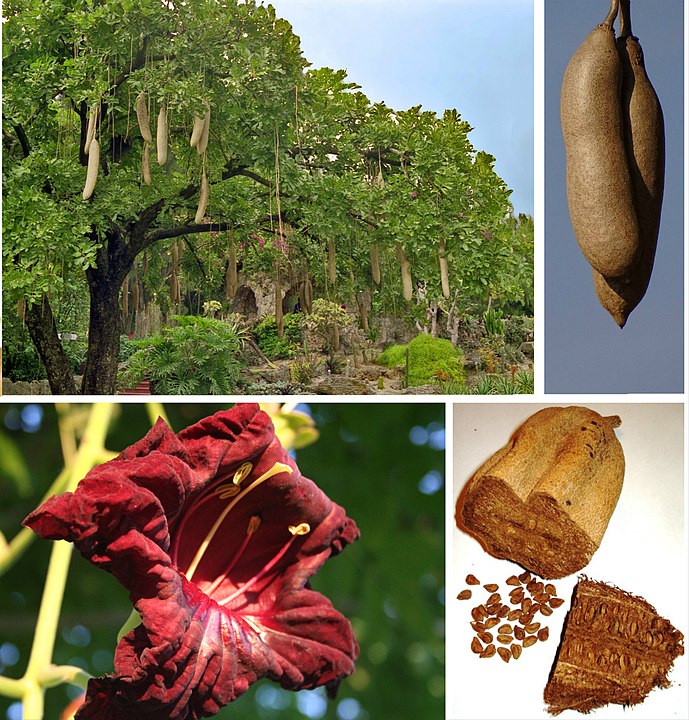
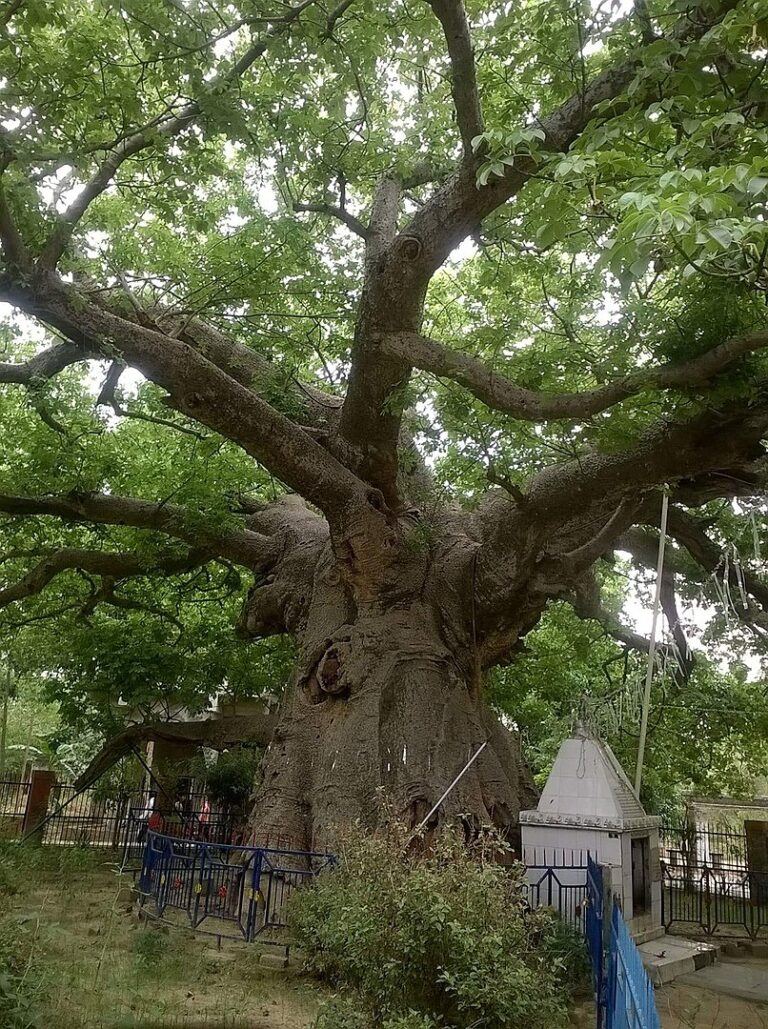
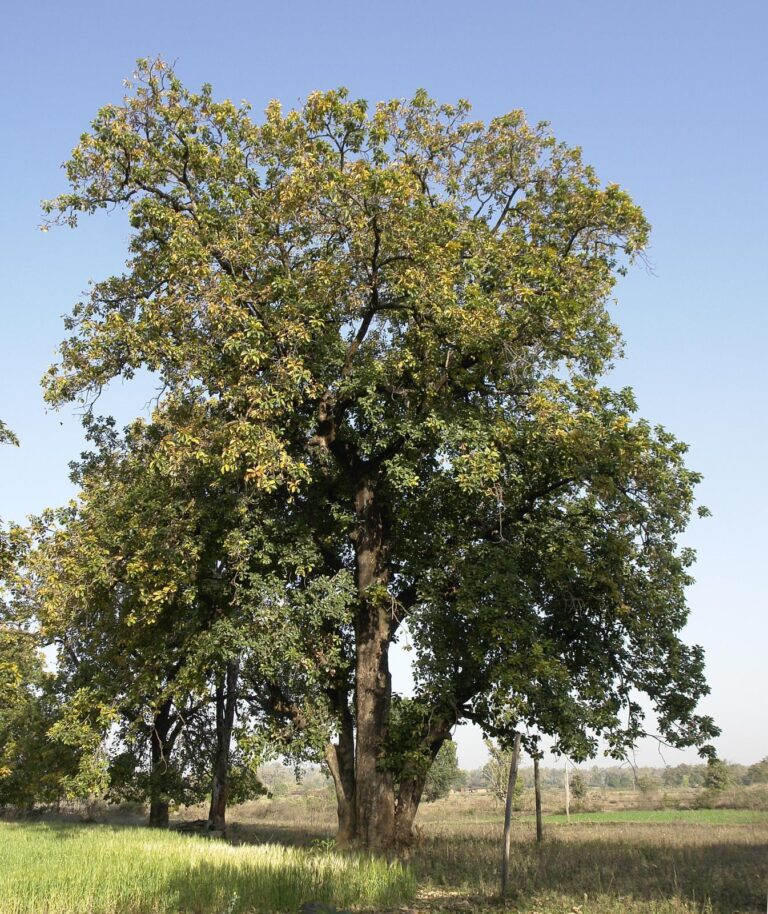
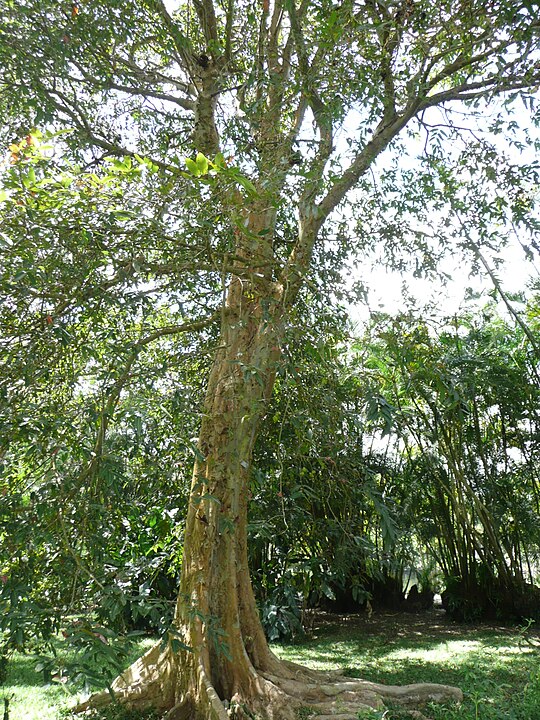
At the heart of dense rainforests and tropical regions, the Kapok tree (Ceiba pentandra) reigns supreme. Known for its towering height, reaching up to 70 meters (230 feet) in some instances, and its distinctive buttress roots that provide stability in the often swampy terrain, the Kapok tree stands as a symbol of resilience and grandeur in its natural habitat.
Floral Splendor: The Kapok’s Colorful Bloom
One of the most enchanting features of the Kapok tree is its striking flowers. Bursting forth in a riot of colors, from vibrant reds to delicate pinks, these blossoms attract a plethora of pollinators, contributing to the biodiversity of their ecosystems.
Exploring the Uses and Benefits of the Kapok Tree
Eco-Friendly Fiber: Kapok’s Soft Touch
Renowned for its lightweight and buoyant properties, Kapok fiber has been utilized for centuries in various cultural practices. Traditionally used as stuffing for pillows, mattresses, and life jackets, Kapok fiber provides excellent insulation and comfort without the need for harmful chemicals or synthetic materials.
Medicinal Marvel: Healing Potentials of the Kapok Tree
In addition to its practical applications, the Kapok tree boasts a rich history in traditional medicine. Various parts of the tree, including its bark, leaves, and seeds, have been utilized in indigenous healing practices for their purported anti-inflammatory, antifungal, and analgesic properties. From treating skin ailments to alleviating pain, the Kapok tree continues to be revered for its medicinal potential.
Ecological Guardian: Kapok’s Role in Biodiversity
Beyond its tangible benefits, the Kapok tree plays a vital role in maintaining the ecological balance of its habitat. As a keystone species, it provides essential resources and habitats for a myriad of plant and animal species, contributing to the overall resilience and stability of tropical ecosystems.
Preserving the Legacy of the Kapok Tree
In a world grappling with environmental challenges, the preservation of species like the Kapok tree takes on heightened significance. By fostering sustainable practices and promoting conservation efforts, we can ensure that future generations continue to marvel at the majesty of this botanical wonder.
Conclusion: Embracing Nature’s Bounty
As we reflect on the multifaceted beauty and utility of the Kapok tree, we are reminded of nature’s boundless generosity and resilience. From its soft fibers to its healing properties and ecological importance, the Kapok tree stands as a testament to the intricate interconnectedness of all living beings. Let us cherish and protect this invaluable gift from the natural world, honoring its legacy for generations to come.
In the tapestry of life, the Kapok tree weaves a story of strength, beauty, and interconnectedness—a story that continues to inspire and awe us with each passing season.
Join us at Digi Study Lab.in as we unravel the wonders of the natural world and embark on a journey of discovery, learning, and appreciation. Together, let’s nurture a deeper understanding and reverence for the magnificent creations that surround us.
Unveiling the Majesty of the Kapok Tree: Uses, Benefits, and More
In the lush tapestry of nature, few entities stand as regally as the Kapok tree. Towering over tropical landscapes with its impressive height and adorned with vibrant flowers, this majestic giant holds a wealth of uses and benefits that have captivated civilizations for centuries. Join us as we delve deeper into the intriguing world of the Kapok tree, exploring its diverse applications, ecological significance, and the cultural heritage it embodies.
Cultural Significance: Kapok in Indigenous Traditions
The Kapok tree holds a sacred place in many indigenous cultures, where it is revered as a symbol of life, resilience, and interconnectedness. From the Amazon rainforest to the islands of Southeast Asia, traditional societies have incorporated the Kapok tree into their myths, rituals, and daily lives. Its wood is often used to craft ceremonial masks, canoes, and musical instruments, reflecting the deep spiritual connection between humans and nature.
Sustainable Harvesting: Balancing Conservation with Utilization
As awareness of environmental conservation grows, so does the importance of sustainable harvesting practices for resources like Kapok fiber. By employing techniques that minimize ecological impact, such as selective logging and reforestation efforts, communities can ensure the continued abundance of Kapok trees while meeting their economic needs. Organizations dedicated to sustainable forestry management play a crucial role in promoting these practices and safeguarding the biodiversity of Kapok ecosystems.
Global Impact: Kapok’s Influence Beyond Borders
While the Kapok tree is native to tropical regions, its influence extends far beyond its natural habitat. As awareness of its ecological and economic value spreads, Kapok fiber is increasingly being used in eco-friendly products around the world. From bedding and upholstery to insulation and oil spill cleanup, the versatility of Kapok fiber makes it a sustainable alternative to conventional materials, reducing our carbon footprint and promoting a greener future.
Future Prospects: Harnessing the Potential of Kapok
Looking ahead, scientists and innovators are exploring new avenues for harnessing the potential of the Kapok tree. Research into its genetic makeup and biochemical properties holds promise for developing biodegradable plastics, renewable energy sources, and pharmaceuticals derived from Kapok extracts. By unlocking the secrets of this botanical treasure, we may discover innovative solutions to pressing global challenges while preserving the natural beauty of our planet.
Conclusion: Embracing Nature’s Bounty
As we journey through the enchanting realm of the Kapok tree, we are reminded of the profound wisdom encoded in the natural world. From its humble seeds to its towering canopy, the Kapok tree embodies the resilience, diversity, and interconnectedness of life on Earth. Let us embrace the lessons it imparts and honor its legacy with reverence, gratitude, and a commitment to stewardship.
At Digi Study Lab.in, we invite you to join us in celebrating the wonders of the natural world and fostering a deeper appreciation for the treasures it holds. Together, let us cultivate a future where humanity and nature thrive in harmony, guided by the timeless wisdom of the Kapok tree.
Explore more articles and insights on nature, science, and sustainability at Digi Study Lab.in, where knowledge meets curiosity and discovery knows no bounds.
Unveiling the Majesty of the Kapok Tree: Uses, Benefits, and More
In the lush tapestry of nature, few entities stand as regally as the Kapok tree. Towering over tropical landscapes with its impressive height and adorned with vibrant flowers, this majestic giant holds a wealth of uses and benefits that have captivated civilizations for centuries. Join us as we delve deeper into the intriguing world of the Kapok tree, exploring its diverse applications, ecological significance, and the cultural heritage it embodies.
Taxonomy of the Kapok Tree:
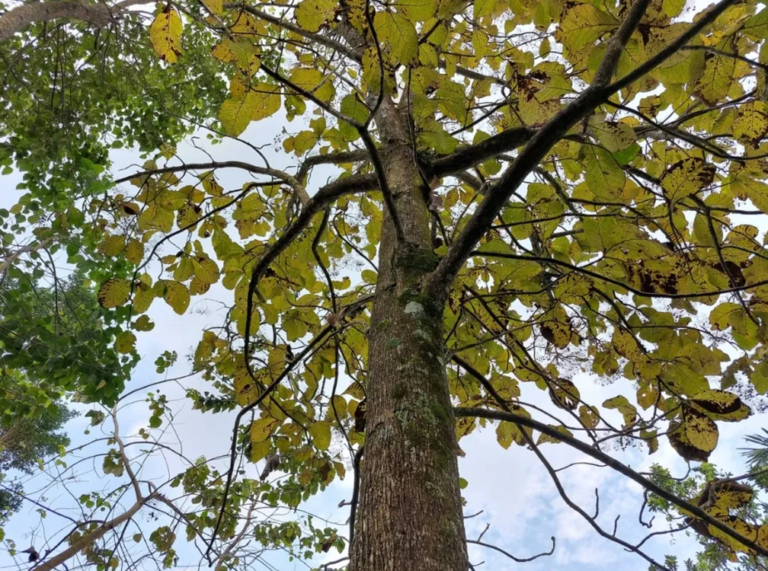
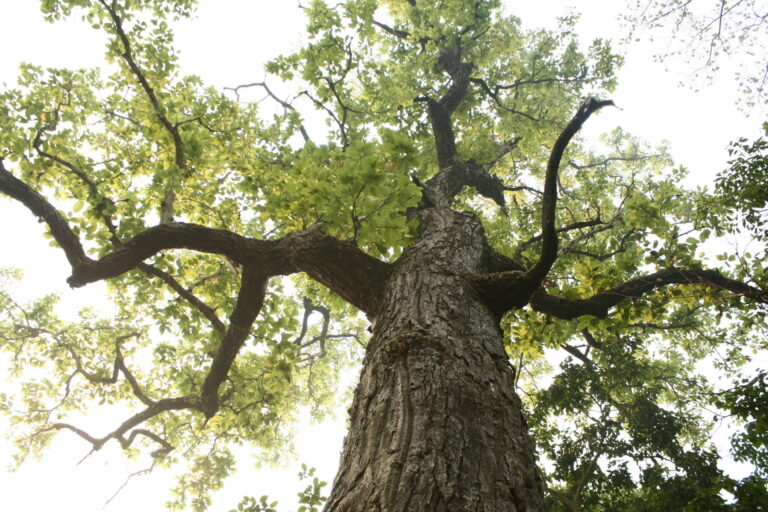
The Kapok tree, scientifically known as Ceiba pentandra, belongs to the Malvaceae family. It is a large deciduous tree characterized by its massive trunk, buttress roots, and distinctive palmate leaves. The tree’s botanical classification reflects its close evolutionary relationship with other members of the Malvaceae family, including hibiscus and cotton plants.
Distribution and Habitat:
Native to the tropical regions of Central and South America, as well as parts of Africa and Asia, the Kapok tree thrives in warm, humid climates. It is commonly found in rainforests, riverbanks, and swampy areas, where it plays a crucial role in maintaining the biodiversity of its habitat. Due to its resilience and adaptability, the Kapok tree has been introduced to various tropical regions around the world, including Southeast Asia and the Caribbean.
Ecology of the Kapok Tree:
As a keystone species in tropical ecosystems, the Kapok tree plays a vital role in supporting a diverse array of plant and animal life. Its towering canopy provides shade and shelter for understory vegetation, while its flowers attract pollinators such as bees, butterflies, and bats. The tree’s large hollow trunk serves as a nesting site for birds, small mammals, and insects, contributing to the intricate web of life in its habitat. Additionally, the Kapok tree’s extensive root system helps prevent soil erosion and regulate water flow in riparian areas, making it essential for the health and stability of riverine ecosystems.
Cultural Significance: Kapok in Indigenous Traditions
The Kapok tree holds a sacred place in many indigenous cultures, where it is revered as a symbol of life, resilience, and interconnectedness. From the Amazon rainforest to the islands of Southeast Asia, traditional societies have incorporated the Kapok tree into their myths, rituals, and daily lives. Its wood is often used to craft ceremonial masks, canoes, and musical instruments, reflecting the deep spiritual connection between humans and nature.
Sustainable Harvesting and Conservation Efforts:
In recent years, there has been growing recognition of the importance of sustainable harvesting practices for Kapok fiber. By employing techniques that minimize ecological impact, such as selective logging and reforestation efforts, communities can ensure the continued abundance of Kapok trees while meeting their economic needs. Organizations dedicated to sustainable forestry management play a crucial role in promoting these practices and safeguarding the biodiversity of Kapok ecosystems.
Future Prospects: Harnessing the Potential of Kapok
Looking ahead, scientists and innovators are exploring new avenues for harnessing the potential of the Kapok tree. Research into its genetic makeup and biochemical properties holds promise for developing biodegradable plastics, renewable energy sources, and pharmaceuticals derived from Kapok extracts. By unlocking the secrets of this botanical treasure, we may discover innovative solutions to pressing global challenges while preserving the natural beauty of our planet.
Conclusion: Embracing Nature’s Bounty
As we journey through the enchanting realm of the Kapok tree, we are reminded of the profound wisdom encoded in the natural world. From its humble seeds to its towering canopy, the Kapok tree embodies the resilience, diversity, and interconnectedness of life on Earth. Let us embrace the lessons it imparts and honor its legacy with reverence, gratitude, and a commitment to stewardship.
At Digi Study Lab.in, we invite you to join us in celebrating the wonders of the natural world and fostering a deeper appreciation for the treasures it holds. Together, let us cultivate a future where humanity and nature thrive in harmony, guided by the timeless wisdom of the Kapok tree.
Explore more articles and insights on nature, science, and sustainability at Digi Study Lab.in, where knowledge meets curiosity and discovery knows no bounds.