In the bustling tapestry of India’s diverse flora, few trees command attention quite like the Indian Tulip, scientifically known as Thespesia Populnea. This majestic species, revered for both its ornamental beauty and myriad practical applications, stands tall as a symbol of resilience and utility across the subcontinent. Join us on a journey as we delve into the remarkable characteristics, versatile applications, and ecological significance of the Indian Tulip tree.
Embracing Nature’s Elegance: The Indian Tulip’s Distinctive Features
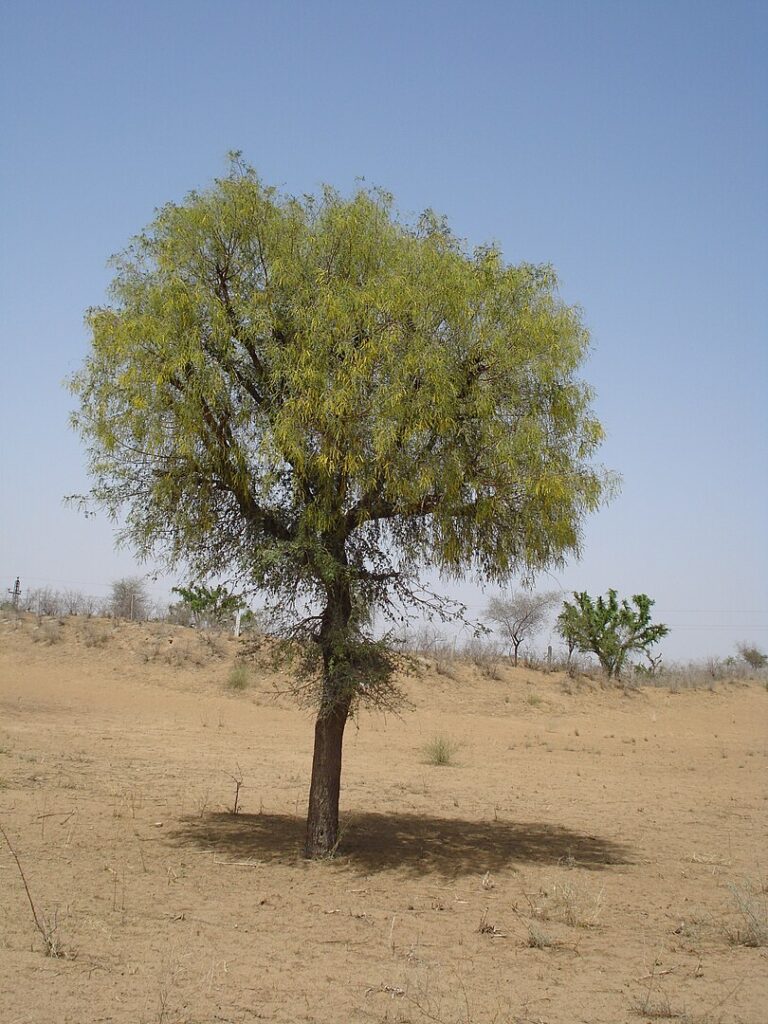
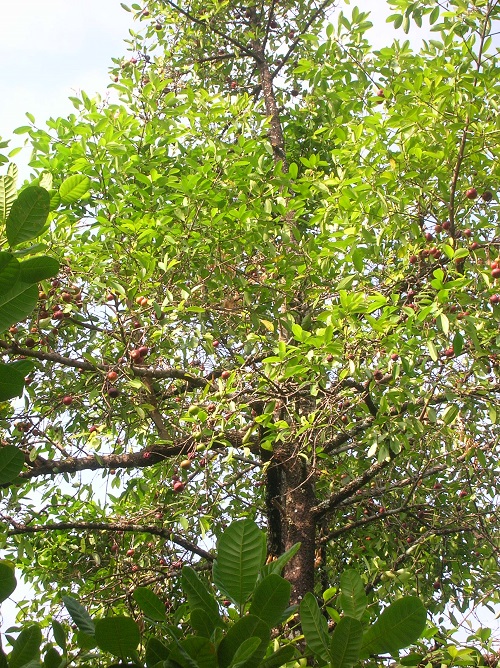
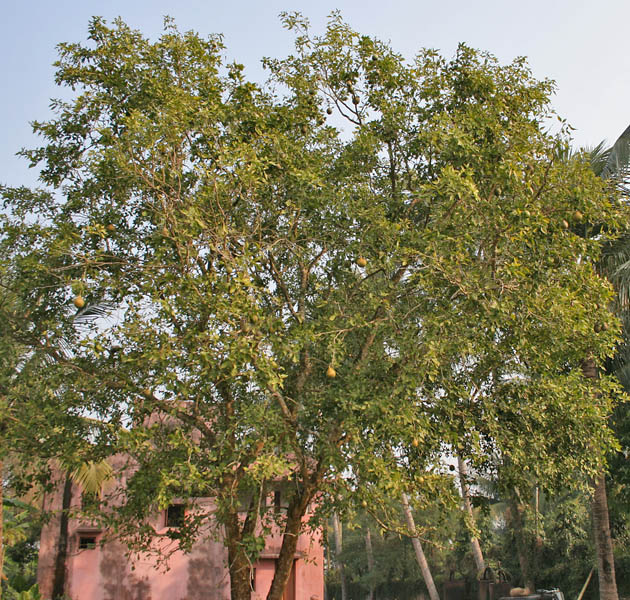
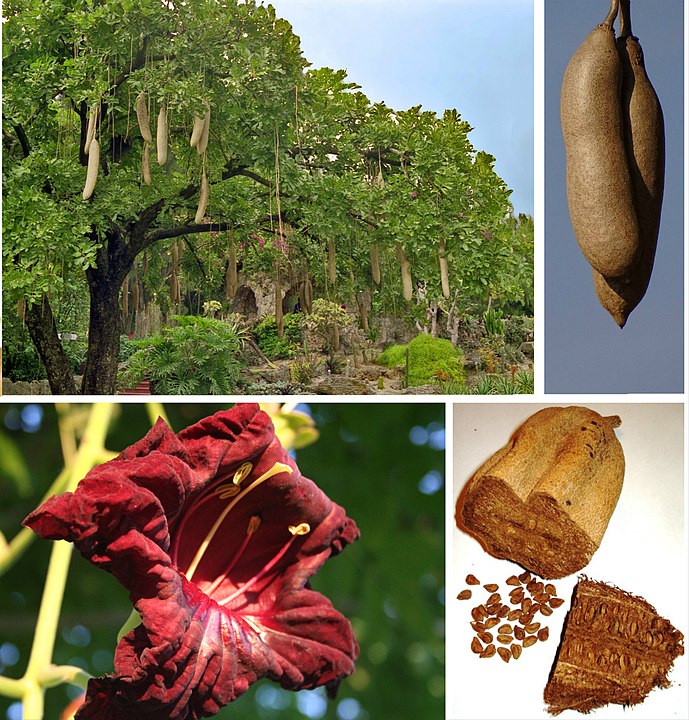
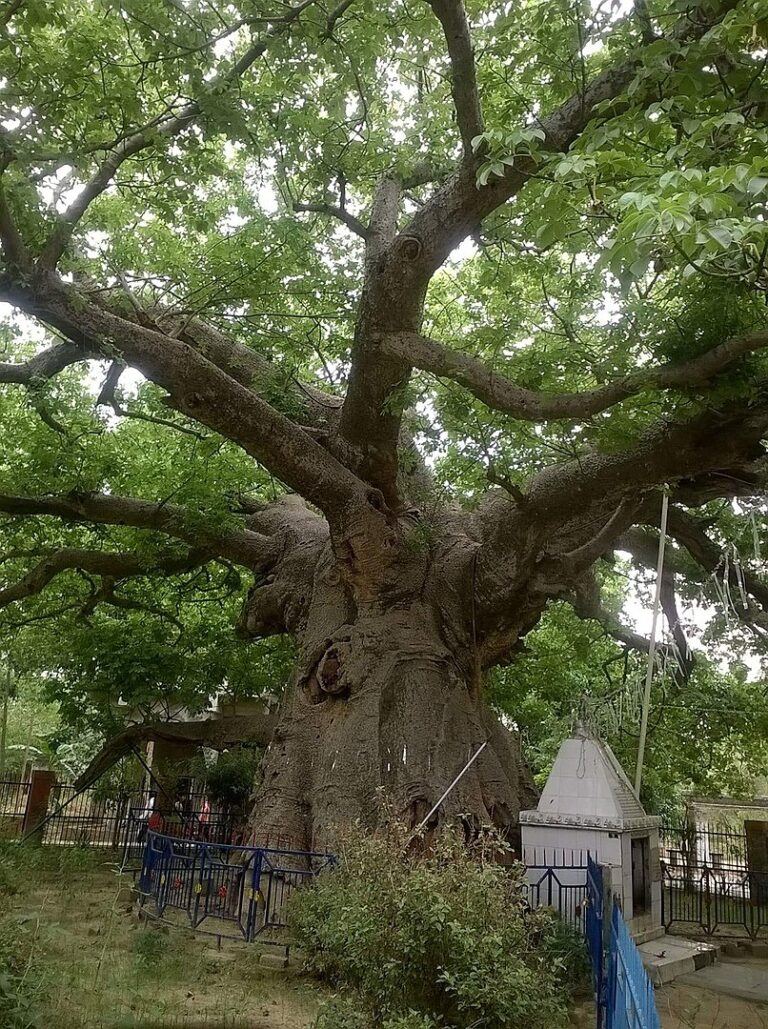
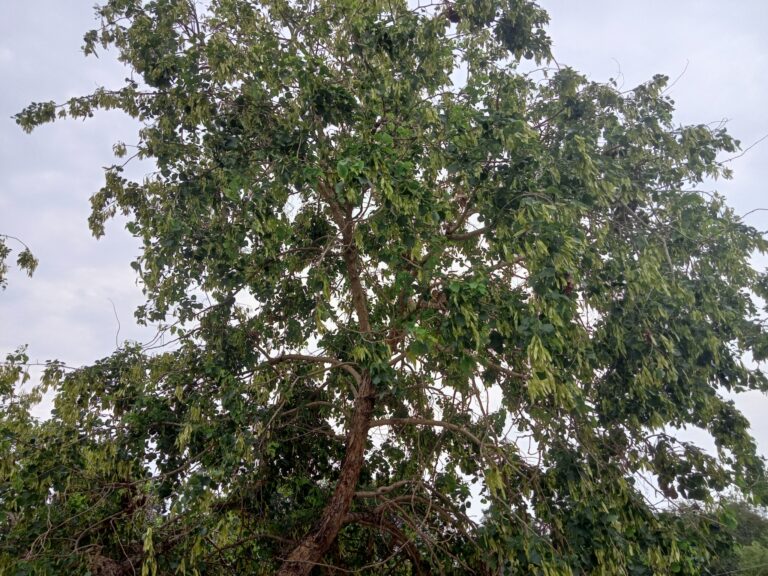
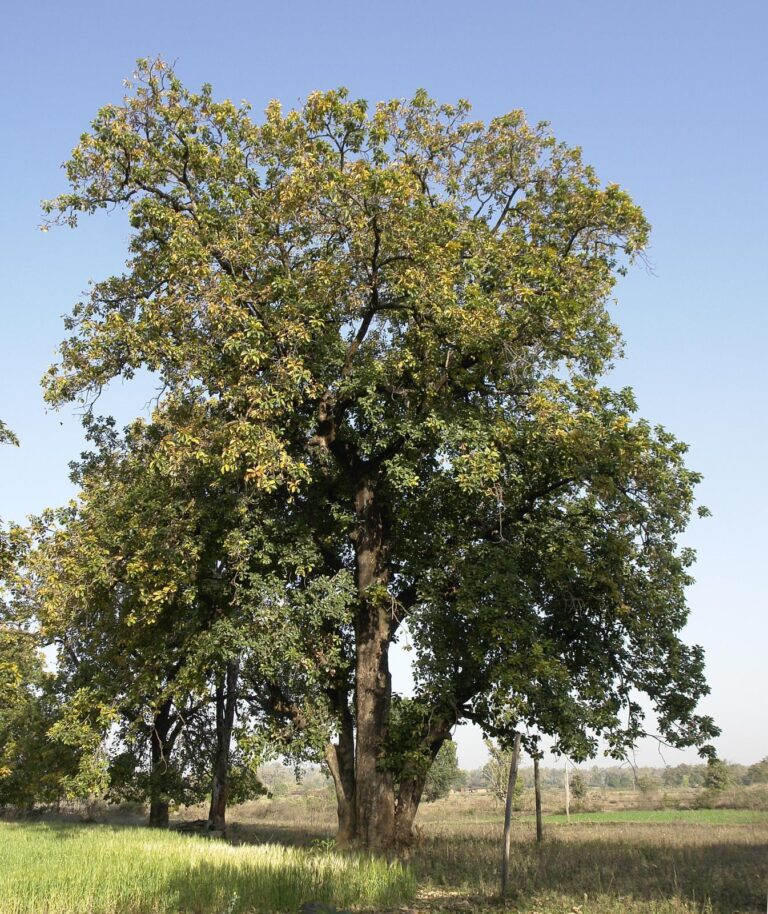
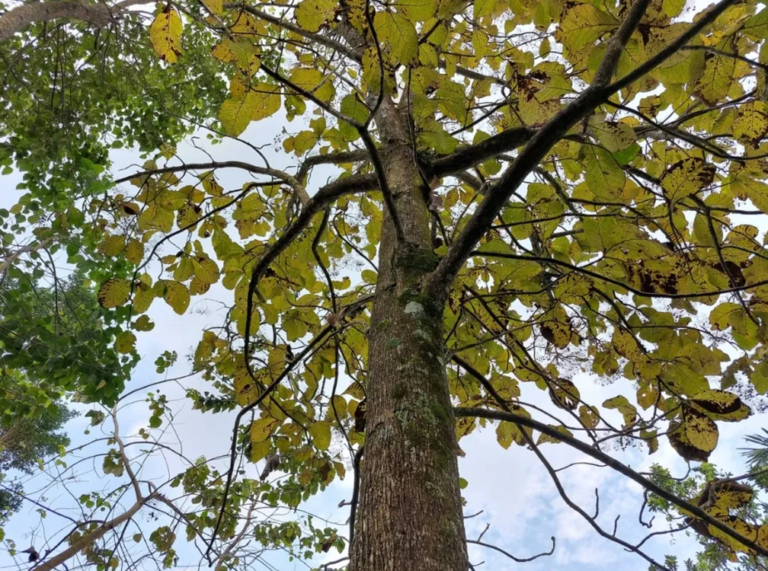
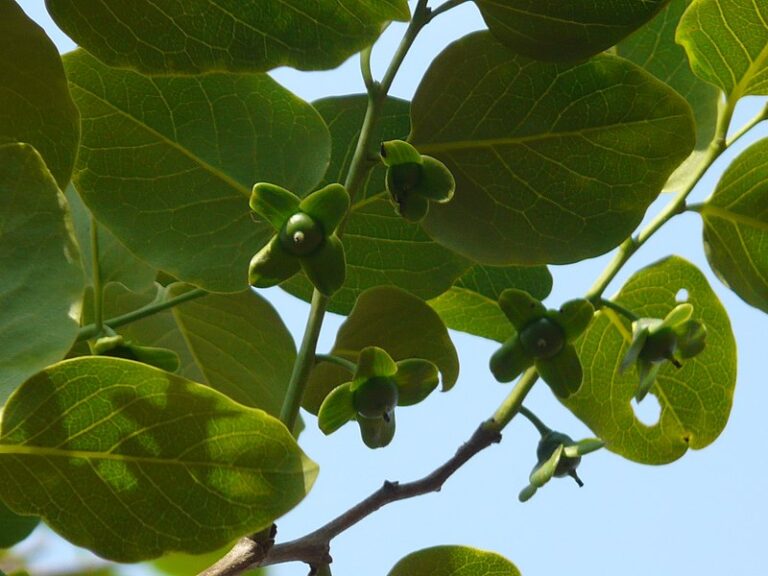
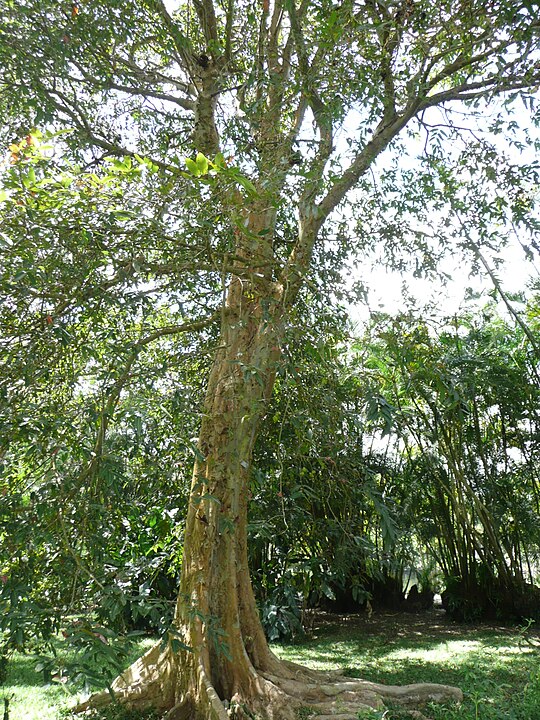
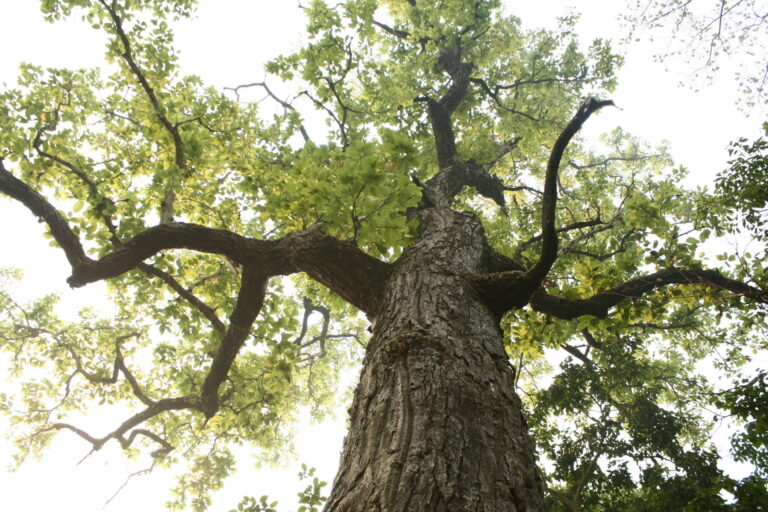
At first glance, the Indian Tulip tree captivates with its striking appearance. Adorned with large, vibrant flowers in shades ranging from soft pink to deep crimson, it casts a spellbinding allure upon onlookers. Its leaves, broad and glossy, provide ample shade beneath the canopy, inviting weary travelers to rest and rejuvenate in its cool embrace. Endowed with a sturdy trunk and branches that stretch towards the sky, the Indian Tulip exudes a sense of grandeur and strength, earning its place as a beloved fixture in India’s landscape.
A Treasure Trove of Utility: Practical Uses and Benefits
Beyond its aesthetic appeal, the Indian Tulip tree offers a treasure trove of practical uses and benefits. Historically, various parts of the tree have found extensive utilization in traditional medicine systems like Ayurveda and Unani, renowned for their holistic approach to healing. The bark, rich in tannins and other bioactive compounds, boasts potent anti-inflammatory properties, making it a valuable ingredient in herbal remedies for ailments ranging from skin conditions to gastrointestinal disorders.
Moreover, the wood of the Indian Tulip, prized for its durability and resistance to pests, serves as a preferred choice for crafting furniture, boats, and construction materials in coastal regions. Its fibrous inner bark, known as ‘bast,’ finds application in the production of ropes and cordage, showcasing the tree’s versatility in meeting diverse human needs.
Ecological Guardianship: Nurturing Biodiversity and Environmental Sustainability
In addition to its manifold human-centric uses, the Indian Tulip tree plays a pivotal role in fostering biodiversity and environmental sustainability. Its nectar-rich flowers attract a myriad of pollinators, including bees and butterflies, thus facilitating the cross-pollination essential for the reproductive success of numerous plant species. Furthermore, the dense foliage of the tree provides habitats for various avian species, contributing to the preservation of India’s rich avifauna.
Beyond its ecological contributions, the Indian Tulip tree stands as a stalwart guardian against soil erosion and coastal inundation, thanks to its extensive root system and ability to thrive in saline environments. As climate change continues to pose formidable challenges to India’s coastal regions, the resilience of the Indian Tulip emerges as a beacon of hope for sustainable ecosystem management and adaptation.
Conclusion: Celebrating Nature’s Bounty
In essence, the Indian Tulip tree stands as a testament to nature’s boundless generosity, offering not only aesthetic delight but also a plethora of practical uses and ecological benefits. As stewards of the environment, it behooves us to cherish and safeguard this invaluable botanical treasure for generations to come. Let us, therefore, embrace the Indian Tulip tree not merely as a symbol of beauty, but as a beacon of resilience, sustainability, and harmony with the natural world.
Join us at Digi Study Lab.in as we continue to explore the wonders of nature and celebrate the myriad ways in which it enriches our lives.
Cultivating a Culture of Conservation: Preserving the Legacy of the Indian Tulip
As we revel in the splendor of the Indian Tulip tree and reap the benefits it bestows upon us, it is incumbent upon us to cultivate a culture of conservation to ensure its continued existence. In a world beset by ecological challenges, from deforestation to climate change, safeguarding the Indian Tulip becomes not just a choice but a moral imperative.
One way to champion the cause of conservation is through community engagement and education. By raising awareness about the ecological significance of the Indian Tulip and its role in supporting biodiversity, we empower individuals to become stewards of their local ecosystems. Community tree planting initiatives, educational workshops, and advocacy campaigns can all contribute to nurturing a sense of responsibility towards preserving our natural heritage.
Furthermore, sustainable land management practices play a crucial role in safeguarding the Indian Tulip tree and its habitat. By promoting agroforestry, reforestation, and habitat restoration efforts, we can create conducive environments for the proliferation of this majestic species while simultaneously mitigating the impacts of climate change and habitat loss.
Government policies and regulations also play a pivotal role in conservation efforts. By enacting laws that protect endangered species and their habitats, as well as incentivizing sustainable land use practices, policymakers can create an enabling environment for the conservation of the Indian Tulip and other emblematic species.
In conclusion, the Indian Tulip tree embodies the inherent interconnectedness between humans and nature, serving as a reminder of our collective responsibility to cherish and protect the bountiful gifts of the natural world. By celebrating its beauty, harnessing its practical benefits, and championing its conservation, we honor not only the Indian Tulip itself but also the rich tapestry of life it sustains.
At Digi Study Lab.in, we remain committed to promoting environmental awareness and fostering a deeper appreciation for the wonders of nature. Join us in our journey towards a more sustainable and harmonious future, where the Indian Tulip and its counterparts thrive in abundance for generations to come.
Unveiling the Majesty of the Indian Tulip Tree: Taxonomy, Distribution, Ecology, and More
Taxonomy: Decoding the Scientific Identity
The Indian Tulip tree, scientifically known as Thespesia Populnea, belongs to the Malvaceae family, which encompasses a diverse array of flowering plants. Within this family, Thespesia is a genus comprising several species, with Thespesia Populnea being one of the most widely recognized and cultivated.
Distribution: From Coast to Coast
Native to the tropical regions of Asia, Africa, and the Pacific Islands, the Indian Tulip tree thrives in warm, coastal climates characterized by ample sunlight and moderate rainfall. In India, it is particularly abundant along the coastal belts of peninsular regions, including the Western Ghats, Eastern Ghats, and the Andaman and Nicobar Islands.
Beyond its native range, the Indian Tulip has been introduced to various tropical and subtropical regions worldwide, where it has naturalized and become an integral part of local ecosystems.
Ecology: Nurturing Biodiversity and Ecosystem Resilience
Ecologically, the Indian Tulip tree plays a multifaceted role in supporting biodiversity and ecosystem resilience. Its nectar-rich flowers attract a diverse array of pollinators, including bees, butterflies, and birds, facilitating cross-pollination and the reproduction of numerous plant species.
The dense foliage of the Indian Tulip provides habitats for a variety of wildlife, ranging from birds to small mammals, thereby contributing to the overall richness of coastal ecosystems. Moreover, its extensive root system helps stabilize coastal soils, mitigating the effects of erosion and protecting against storm surges and tidal inundation.
Cultural Significance: From Mythology to Modern-Day Applications
Beyond its ecological contributions, the Indian Tulip holds immense cultural significance in the regions where it is cultivated. In Indian mythology and folklore, the tree is often revered as a symbol of prosperity, fertility, and divine blessings, with its flowers and leaves featuring prominently in religious ceremonies and rituals.
Practically, the Indian Tulip boasts a wide range of applications in traditional medicine, woodworking, and crafts. Various parts of the tree, including the bark, leaves, and seeds, are utilized in herbal remedies for ailments ranging from skin conditions to digestive disorders. Additionally, the durable wood of the Indian Tulip finds use in crafting furniture, boatbuilding, and construction, showcasing its versatility and utility in everyday life.
Conservation: Safeguarding a Botanical Treasure
As with many species in today’s rapidly changing world, the Indian Tulip tree faces threats from habitat loss, deforestation, and climate change. Conservation efforts aimed at preserving its natural habitat, promoting sustainable land management practices, and raising awareness about its ecological importance are essential for ensuring the continued survival of this botanical treasure.
Through collaborative action, from grassroots initiatives to government policies, we can work towards safeguarding the Indian Tulip and its habitat for future generations to cherish and enjoy.
Conclusion: A Testament to Nature’s Splendor
In conclusion, the Indian Tulip tree stands as a testament to nature’s splendor, offering not only aesthetic beauty but also ecological resilience and cultural significance. From its taxonomic classification to its distribution, ecology, and cultural importance, the Indian Tulip embodies the intricate connections between humans and the natural world.
As stewards of the environment, it is our collective responsibility to nurture and protect this botanical treasure, ensuring that it continues to enrich our lives and ecosystems for generations to come.
Join us at Digi Study Lab.in as we celebrate the magnificence of the Indian Tulip and explore the wonders of the natural world. Together, let us cultivate a deeper appreciation for the rich biodiversity that surrounds us and work towards a more sustainable and harmonious future.