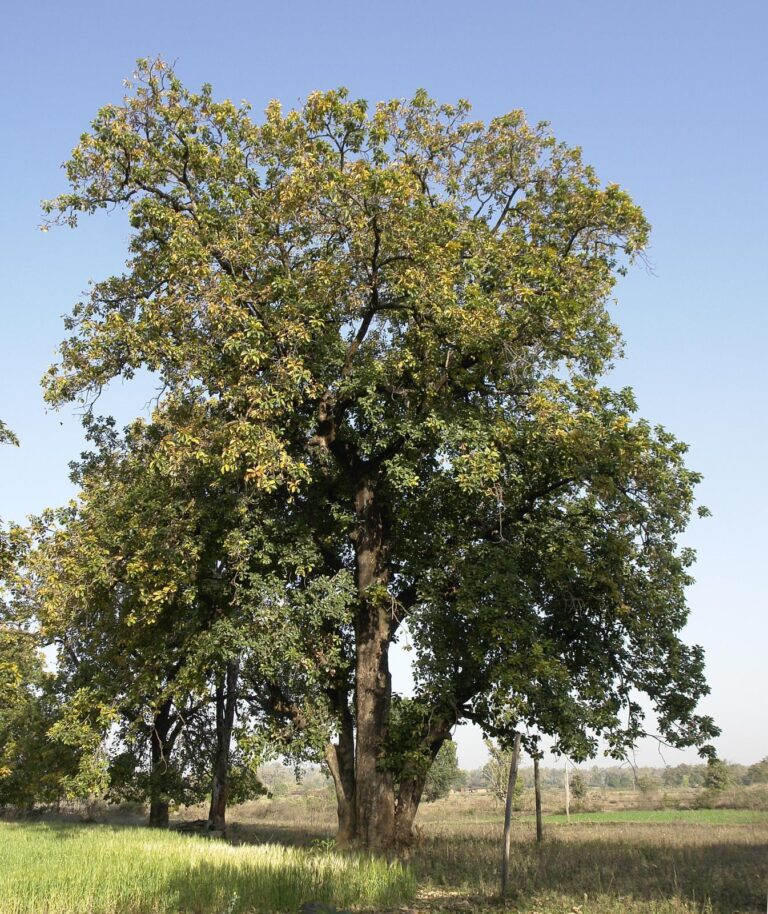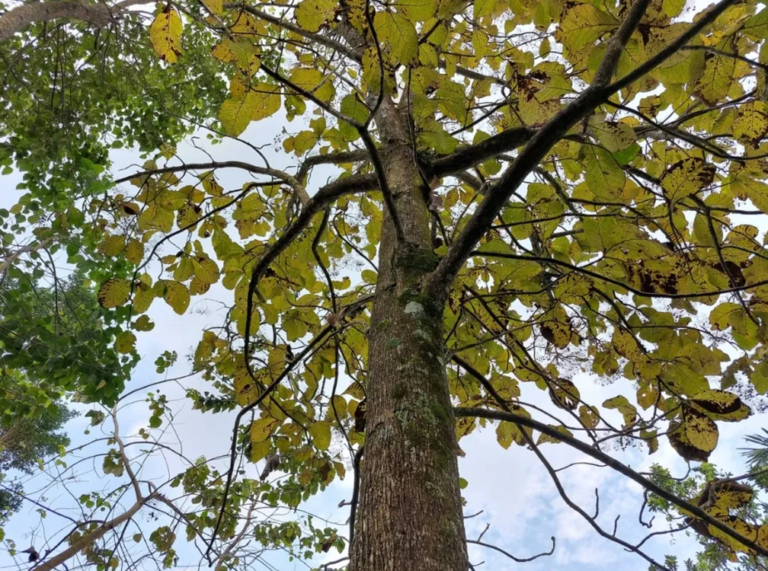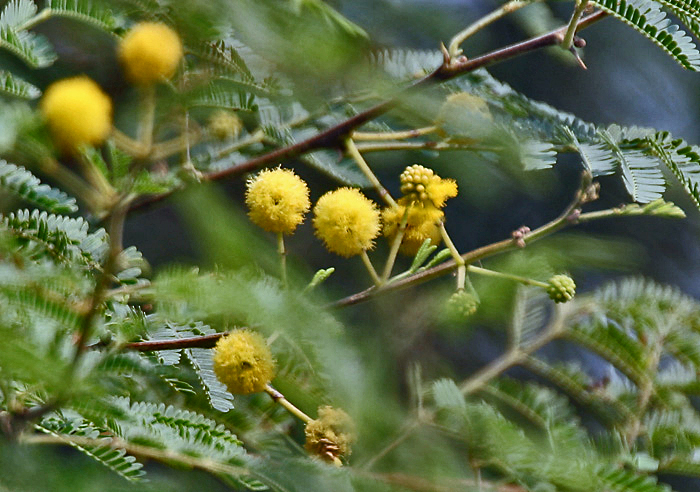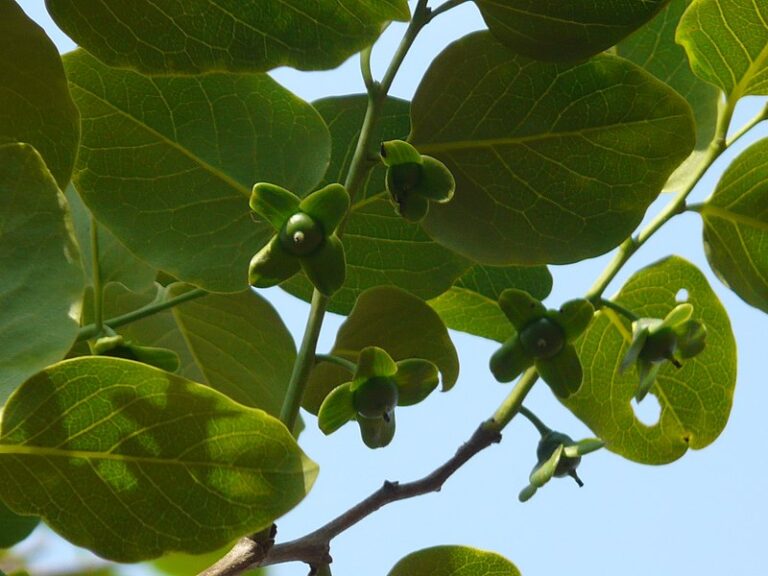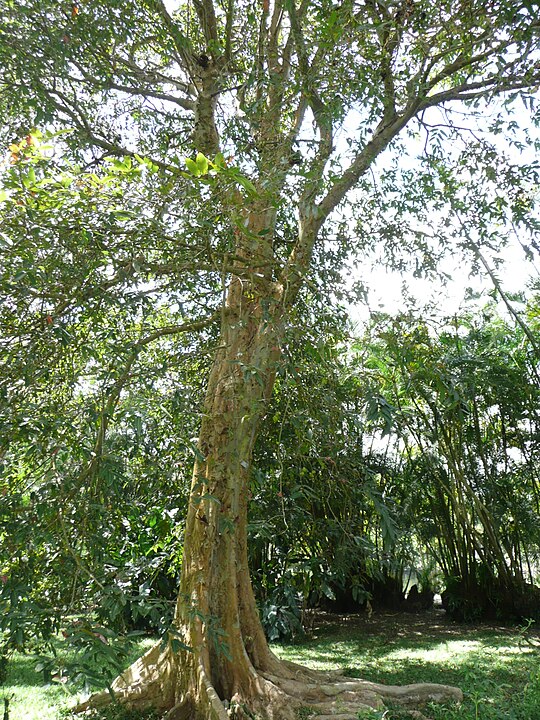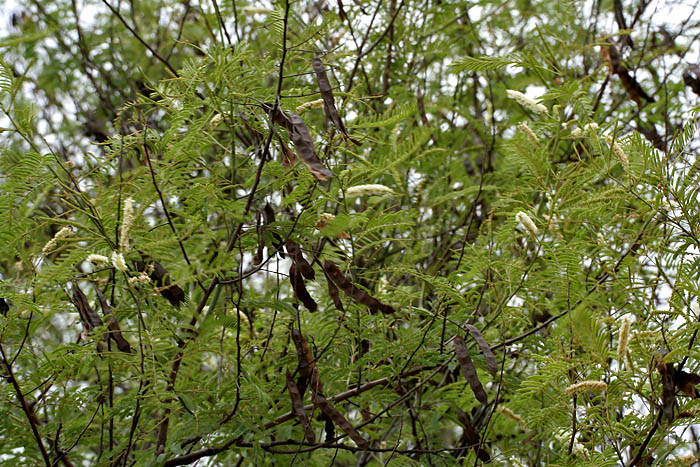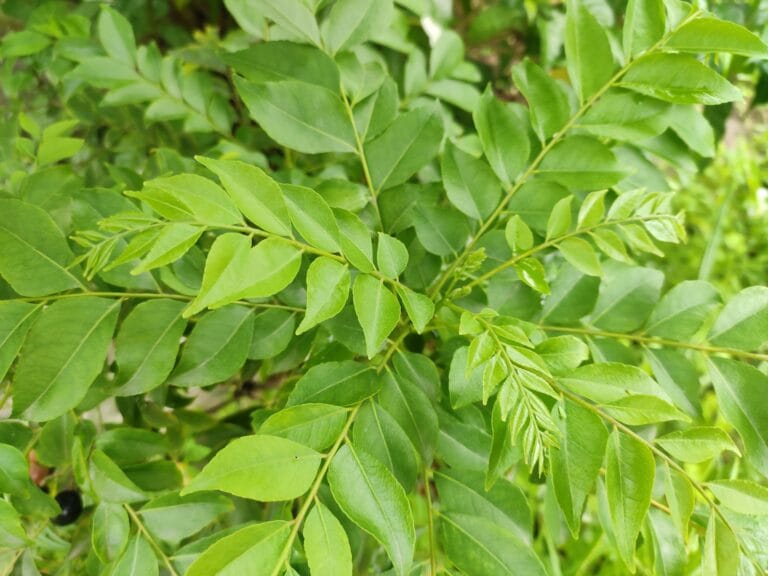
Welcome to Digi Study Lab.in, where we delve into the fascinating realms of knowledge and exploration. Today, we embark on a botanical journey to unravel the mysteries of the Curry Leaf tree. Often celebrated for its aromatic leaves and diverse applications, the Curry Leaf tree stands as a testament to nature’s bounty. Join us as we uncover its uses, benefits, and much more.
Unveiling the Curry Leaf Tree
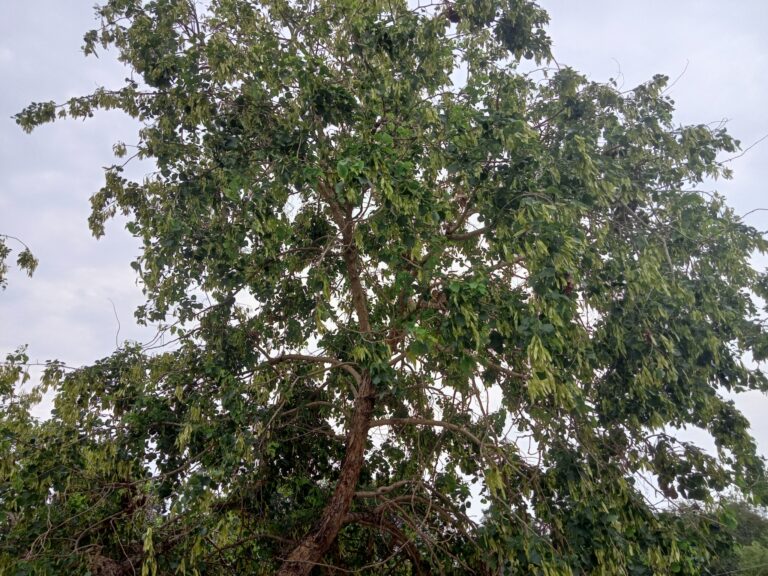
The Curry Leaf tree (Murraya koenigii) is a small, evergreen tree native to the Indian subcontinent. Despite its name, this tree is not directly related to the spice blend known as Curry Leaf but is revered for its aromatic leaves, which lend a distinctive flavor to many South Asian dishes.
Culinary Uses
One of the most renowned applications of Curry Leaf leaves is in cooking. These leaves are a staple ingredient in South Indian cuisine, imparting a unique flavor and aroma to various dishes. From savory curries to flavorful chutneys and aromatic rice dishes, Curry Leaf leaves elevate the taste profile of countless recipes.
Medicinal Properties
Beyond its culinary charm, the Curry Leaf tree boasts an array of medicinal properties. Rich in antioxidants, vitamins, and minerals, Curry Leaf leaves have been traditionally used in Ayurvedic medicine to treat various ailments. They are believed to aid in digestion, promote hair health, lower cholesterol levels, and even possess anti-inflammatory properties.
Health Benefits
Incorporating Curry Leaf leaves into your diet can offer a myriad of health benefits. These leaves are a rich source of vitamin A, B, C, and E, as well as iron, calcium, and phosphorus. Regular consumption may help boost immunity, support heart health, improve vision, and promote overall well-being.
Cultural Significance
The Curry Leaf tree holds significant cultural value in many parts of South Asia. It is often associated with auspicious occasions and is considered a symbol of prosperity and good fortune. In addition to its culinary and medicinal importance, the Curry Leaf tree plays a vital role in traditional rituals and ceremonies.
Gardening and Cultivation
For those interested in cultivating their own Curry Leaf tree, it can be grown both indoors and outdoors, provided the climate is warm and tropical. This versatile plant thrives in well-draining soil and requires ample sunlight to flourish. With proper care and attention, you can enjoy a steady supply of fresh Curry Leaf leaves right at your fingertips.
Conclusion
The Curry Leaf tree is more than just a culinary ingredient – it’s a symbol of tradition, health, and cultural heritage. Whether you’re savoring its aromatic flavor in a delicious Curry Leaf or harnessing its medicinal properties for holistic wellness, the Curry Leaf tree continues to captivate hearts and minds around the world. Embrace the essence of this remarkable tree and unlock its endless possibilities in your culinary and wellness journey.
Join us at Digi Study Lab.in as we continue to explore the wonders of nature and knowledge. Stay tuned for more insightful articles, guides, and resources to enrich your learning experience.
Digging Deep into the Essence of Nature and Knowledge – Digi Study Lab.in
Exploring the Versatility of Curry Leaf Leaves
Beyond its traditional uses, Curry Leaf leaves have found their way into modern cuisine and wellness practices. Let’s delve deeper into the versatility of these fragrant leaves:
1. Culinary Innovations: As culinary boundaries continue to expand, chefs around the world are experimenting with Curry Leaf leaves in innovative ways. From infused oils and sauces to creative cocktails and desserts, these leaves add a delightful twist to a wide range of dishes.
2. Herbal Remedies: In addition to Ayurvedic medicine, Curry Leaf leaves are gaining recognition in the field of herbal remedies. They are often incorporated into homemade hair oils, face masks, and herbal teas for their purported benefits in promoting hair growth, nourishing skin, and detoxifying the body.
3. Aromatic Enhancements: The intense aroma of Curry Leaf leaves makes them a popular choice for aromatic applications. They are frequently used to flavor oils, vinegars, and marinades, infusing dishes with their distinctively fragrant essence.
4. Sustainable Living: Growing Curry Leaf trees at home not only ensures a fresh supply of leaves but also promotes sustainable living. By cultivating your own herbs, you reduce reliance on store-bought products and minimize environmental impact.
5. Cultural Exchange: As global cuisines intertwine, Curry Leaf leaves serve as a bridge between diverse culinary traditions. They have found their way into fusion dishes, blending the flavors of East and West in delightful harmony.
6. Wellness Workshops: Wellness enthusiasts are increasingly turning to Curry Leaf leaves for their holistic healing properties. Workshops and seminars focusing on herbal medicine and natural remedies often feature these leaves as a key ingredient.
7. Community Gardens: Community gardens provide a space for enthusiasts to come together and cultivate Curry Leaf trees collectively. These shared spaces foster a sense of community while promoting sustainable agriculture and green living practices.
Embrace the Essence of Curry Leaf Leaves
From the kitchen to the apothecary, the Curry Leaf tree continues to captivate with its myriad uses and benefits. Whether you’re exploring new culinary horizons, seeking natural remedies for wellness, or simply nurturing a love for gardening, Curry Leaf leaves offer a world of possibilities.
At Digi Study Lab.in, we celebrate the richness of nature’s bounty and the boundless depths of human knowledge. Join us on our journey of discovery as we uncover the wonders of the natural world and harness its treasures for a brighter, healthier future.
Unlocking Nature’s Secrets, One Leaf at a Time – Digi Study Lab.in
Unveiling the Enigmatic “Curry Leaf” Tree: Discover Its Taxonomy, Distribution, Ecology, and More
Welcome back to Digi Study Lab.in, where we delve into the intricate details of the natural world. Continuing our exploration of the Curry Leaf tree, let’s dive deeper into its taxonomy, distribution, ecology, and more.
Taxonomy of the Curry Leaf Tree
The Curry Leaf tree, scientifically known as Murraya koenigii, belongs to the Rutaceae family, which includes citrus fruits and other aromatic plants. It is classified under the genus Murraya, with several species distributed across tropical and subtropical regions.
Distribution and Habitat
Native to the Indian subcontinent, the Curry Leaf tree thrives in tropical and subtropical climates. It is found across India, Sri Lanka, and other parts of Southeast Asia, where it grows in a variety of habitats ranging from moist forests to dry scrublands. Due to its popularity in culinary and medicinal applications, the Curry Leaf tree has been introduced to other regions with suitable climates, such as Africa, Australia, and the Americas.
Ecological Role
In its natural habitat, the Curry Leaf tree plays a vital ecological role as a source of food and shelter for various organisms. The aromatic leaves attract pollinators such as bees and butterflies, contributing to the pollination of nearby plants. Additionally, the tree provides habitat and nesting sites for birds and insects, further enriching the local ecosystem.
Cultural Significance and Traditional Uses
Beyond its ecological importance, the Curry Leaf tree holds significant cultural value in many communities. It is revered for its culinary and medicinal properties, with its leaves used in traditional dishes and herbal remedies. In addition to its practical applications, the Curry Leaf tree is often associated with rituals, ceremonies, and auspicious occasions, symbolizing prosperity and good fortune.
Conservation Status
Despite its widespread distribution, the Curry Leaf tree faces threats from habitat loss, deforestation, and overharvesting. As demand for its leaves continues to rise, particularly in the culinary and pharmaceutical industries, efforts are underway to conserve wild populations and promote sustainable cultivation practices. Initiatives focusing on habitat restoration, community-based conservation, and genetic preservation aim to safeguard the future of this iconic tree species.
Conclusion
The Curry Leaf tree is more than just a culinary ingredient – it’s a living testament to the interconnectedness of nature and culture. From its taxonomic classification to its ecological role and cultural significance, this remarkable tree continues to inspire awe and admiration. As stewards of the environment, it is our responsibility to protect and preserve the Curry Leaf tree and other invaluable components of our natural heritage.
Join us at Digi Study Lab.in as we continue to unravel the mysteries of the natural world and celebrate the wonders of biodiversity. Together, let’s embark on a journey of discovery and appreciation for the rich tapestry of life that surrounds us.
Exploring Nature’s Tapestry, One Leaf at a Time – Digi Study Lab.in