Unlocking the Wonders of the Asparagus Tree: Uses, Benefits, and More

In the realm of nature’s bounty, few treasures rival the versatility and healthful properties of the asparagus tree. Known scientifically as Asparagus racemosus, this remarkable plant has been celebrated for centuries for its myriad uses and health benefits. From culinary delights to medicinal marvels, the asparagus tree continues to captivate enthusiasts worldwide. Join us as we delve into the fascinating world of the asparagus tree, exploring its diverse applications and uncovering its hidden gems.

Introduction:

The asparagus tree, a member of the Asparagaceae family, is a perennial climbing plant native to the tropical regions of Asia, Africa, and Australia. Renowned for its delicate fern-like foliage and tuberous roots, this versatile plant has long been revered for its culinary and medicinal properties. While its tender shoots are prized in gastronomy, its roots have been utilized for centuries in traditional medicine systems such as Ayurveda and traditional Chinese medicine (TCM).

Culinary Uses:

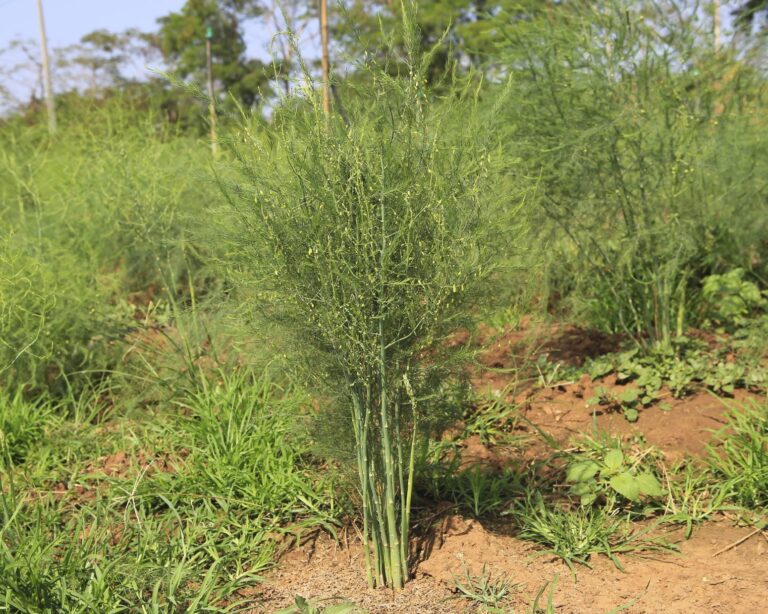
One of the most celebrated aspects of the asparagus tree is its succulent shoots, which are cherished for their delicate flavor and culinary versatility. These tender spears are a culinary delight, lending themselves to a myriad of dishes ranging from salads and stir-fries to soups and omelets. Rich in essential nutrients such as vitamins A, C, and K, as well as folate and potassium, asparagus tree shoots are not only delicious but also nourishing.

Medicinal Benefits:

Beyond its culinary appeal, the asparagus tree boasts an impressive array of medicinal properties that have been recognized and utilized for centuries. In traditional medicine systems, the plant’s roots are prized for their adaptogenic, diuretic, and rejuvenating properties. They are believed to support a wide range of bodily functions, including hormonal balance, digestive health, and immune function. Additionally, the asparagus tree is esteemed for its potential to enhance reproductive health and vitality in both men and women.

Modern Applications:

In recent years, scientific research has begun to shed light on the myriad health benefits of the asparagus tree, validating many of its traditional uses. Studies have revealed its potential as an antioxidant, anti-inflammatory, and neuroprotective agent, suggesting promising applications in the prevention and management of various chronic diseases. Furthermore, extracts derived from the plant have shown potential in supporting liver health, cardiovascular function, and cognitive performance.

Environmental Impact:

In addition to its culinary and medicinal virtues, the asparagus tree also offers ecological benefits. As a climbing vine, it helps stabilize soil, prevent erosion, and provide habitat for diverse wildlife. Furthermore, its cultivation can contribute to sustainable agriculture practices, as it requires minimal water and thrives in a variety of soil conditions.

Conclusion:

The asparagus tree stands as a testament to the wonders of nature, offering a wealth of culinary, medicinal, and ecological benefits. From its delectable shoots to its rejuvenating roots, this remarkable plant continues to enrich our lives in myriad ways. Whether enjoyed on the dinner plate or incorporated into holistic wellness practices, the asparagus tree remains a cherished ally in the pursuit of health and vitality.

Join the Conversation:

Have you experienced the delights of the asparagus tree? Share your favorite recipes or wellness tips in the comments below! Let’s continue to explore the fascinating world of natural remedies and culinary delights together.

About Digi Study Lab.in:

At Digi Study Lab.in, we’re passionate about unlocking the secrets of nature and harnessing them to enhance our lives. From herbal remedies to culinary creations, we’re dedicated to sharing knowledge that empowers you to live your best life. Join us on our journey of discovery and transformation.


Exploring Cultivation and Harvesting:

The cultivation of the asparagus tree is an art as much as it is a science. While it thrives in tropical climates, it can also be grown in subtropical and even temperate regions with proper care. As a perennial plant, it requires well-drained soil, ample sunlight, and regular watering to flourish. Propagation is typically done through seeds or root division, with young plants requiring tender care until they establish strong root systems.

Harvesting asparagus tree shoots requires patience and precision. The tender spears should be harvested when they reach about 6 to 8 inches in length, using a sharp knife to cut them just below the soil surface. Care should be taken not to overharvest, as allowing some shoots to mature into fern-like foliage helps nourish the plant for future growth. With proper care, an asparagus tree can provide bountiful harvests for many years to come.

Incorporating Asparagus Tree into Daily Life:

There are countless ways to incorporate the asparagus tree into your daily life, whether through culinary creations, herbal remedies, or sustainable practices. In the kitchen, experiment with recipes ranging from simple grilled asparagus to exotic stir-fries and pasta dishes. The delicate flavor and tender texture of asparagus tree shoots lend themselves to a wide range of culinary delights, making them a versatile addition to any menu.

In herbal medicine, asparagus tree roots are often dried and ground into a fine powder or decocted into teas and tinctures. These preparations are believed to support a variety of health goals, from promoting hormonal balance to enhancing immune function and relieving digestive discomfort. Whether taken as a daily tonic or used to address specific health concerns, the asparagus tree offers a natural alternative to synthetic remedies.

Embracing Sustainability:

As stewards of the Earth, it is our responsibility to cultivate and harvest the asparagus tree in a sustainable manner. By practicing organic farming methods, conserving water, and minimizing waste, we can ensure that future generations continue to benefit from its bounty. Additionally, supporting local farmers and businesses that prioritize sustainable practices helps preserve the integrity of our food systems and promote environmental stewardship on a broader scale.

Final Thoughts:

The asparagus tree is more than just a plant—it is a symbol of resilience, nourishment, and interconnectedness. As we continue to explore its uses and benefits, let us also honor the wisdom of traditional knowledge and the wonders of nature. Whether enjoyed as a gourmet delicacy, a medicinal tonic, or a sustainable resource, the asparagus tree reminds us of the abundant gifts that surround us and the importance of nurturing and preserving them for generations to come.

Join the Movement:

Are you inspired to incorporate the asparagus tree into your life? Share your experiences, recipes, and sustainability tips with us! Together, we can celebrate the beauty and bounty of nature and work towards a healthier, more harmonious world.

About Digi Study Lab.in:

At Digi Study Lab.in, we’re committed to fostering a deeper connection with nature and promoting holistic well-being. Through our articles, recipes, and resources, we aim to empower individuals to live more sustainably, healthfully, and joyfully. Join us on our journey of discovery and transformation as we explore the wonders of the natural world and embrace the power of mindful living.

Taxonomy of the Asparagus Tree:

The asparagus tree belongs to the kingdom Plantae, class Liliopsida, and order Asparagales. Its scientific name is Asparagus racemosus, and it is a member of the Asparagaceae family. Within this family, it shares kinship with other notable plants, including asparagus officinalis, commonly known as garden asparagus.

Distribution of the Asparagus Tree:

Native to the tropical regions of Asia, Africa, and Australia, the asparagus tree thrives in diverse habitats ranging from forests and grasslands to rocky slopes and riverbanks. It is found in countries such as India, Sri Lanka, Nepal, and throughout much of Southeast Asia. Additionally, it has been introduced to other tropical and subtropical regions worldwide, where it is cultivated for its culinary and medicinal properties.

Ecology of the Asparagus Tree:

The asparagus tree plays a vital role in its ecosystem, providing habitat and sustenance for a variety of wildlife. As a climbing vine, it offers shelter and nesting sites for birds and small mammals, while its foliage provides food for insects and other herbivores. Furthermore, its tuberous roots help stabilize soil, prevent erosion, and promote soil health, making it an important contributor to ecosystem stability and resilience.

Habitat and Growth Characteristics:

The asparagus tree is well adapted to a wide range of environmental conditions, thriving in both tropical and subtropical climates. It prefers well-drained soil and ample sunlight but can tolerate some shade. As a climbing vine, it uses its tendrils to cling to nearby structures or vegetation, allowing it to reach heights of up to several meters. Its fern-like foliage and delicate white flowers add to its ornamental appeal, making it a popular choice for gardens and landscaping projects.

Cultivation and Propagation:

Cultivating the asparagus tree requires careful attention to soil quality, moisture levels, and temperature. While it can be grown from seeds, propagation through root division is more common and tends to yield faster results. Young plants should be provided with regular watering and protection from pests and diseases until they establish strong root systems. Once established, the asparagus tree is relatively low maintenance, requiring minimal pruning and fertilization.

Conclusion:

The asparagus tree is a fascinating plant with a rich history and diverse array of uses. From its culinary delights to its medicinal marvels, it continues to captivate and inspire people around the world. As we continue to explore its taxonomy, distribution, ecology, and cultivation, let us also appreciate the intricate web of life that sustains us all. By honoring and preserving the natural world, we can ensure a brighter, more sustainable future for generations to come.