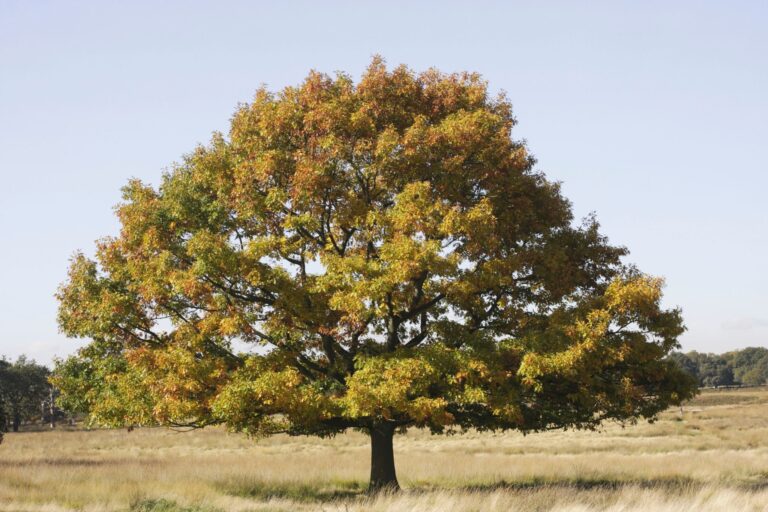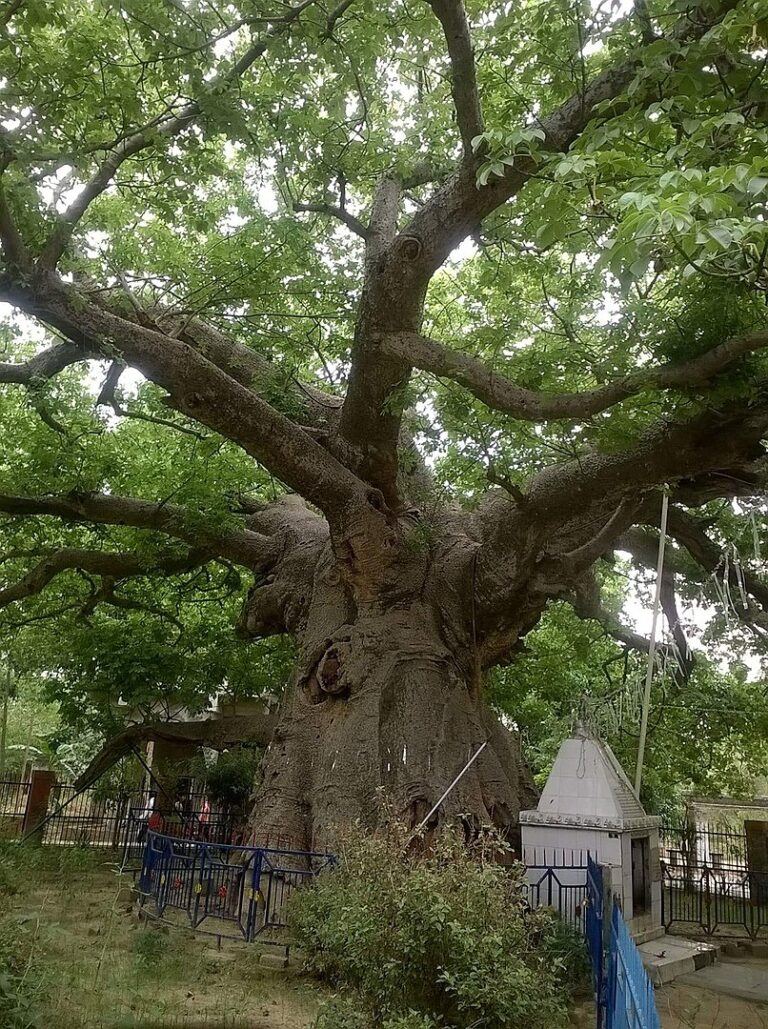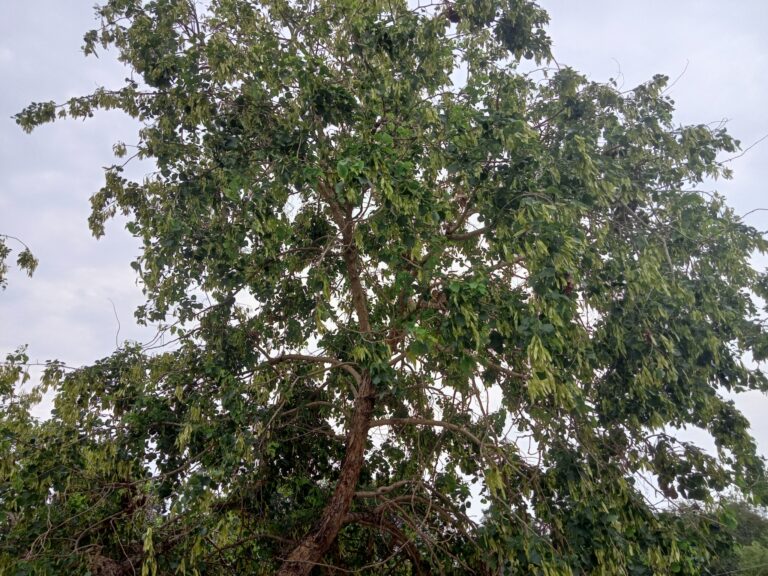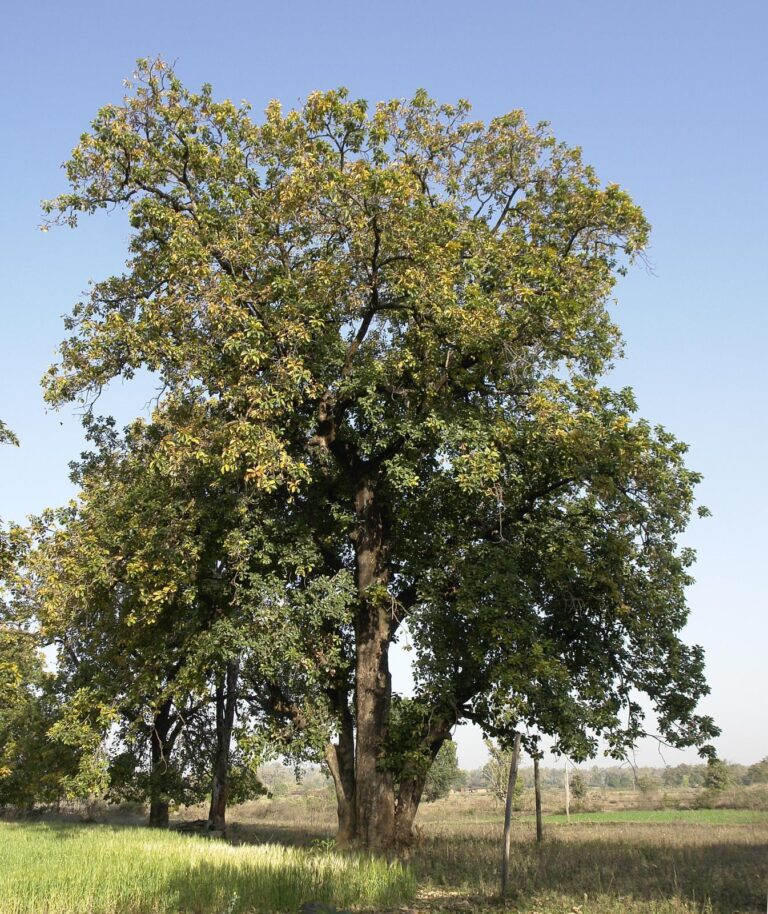
In the vast expanse of nature’s bounty, there exist treasures that often escape the common eye yet hold immense significance. One such marvel is the Khejri tree, a botanical wonder that not only adorns the landscapes of arid regions but also offers a plethora of benefits deeply rooted in tradition and practicality. Join us as we delve into the depths of this remarkable tree, exploring its uses, benefits, and cultural significance.
Unveiling the Khejri Tree: A Botanical Gem
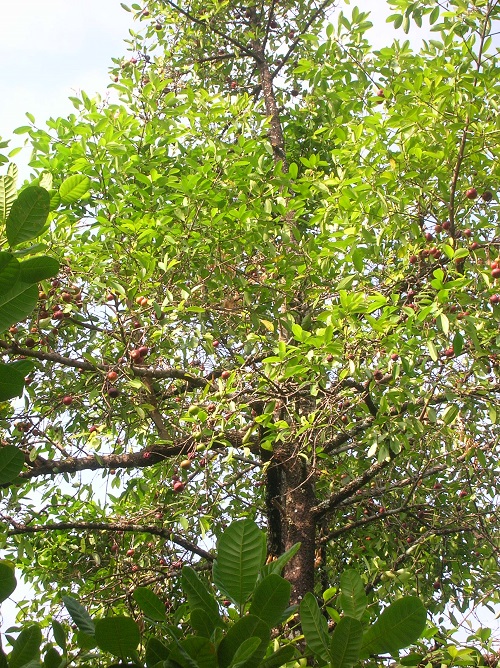
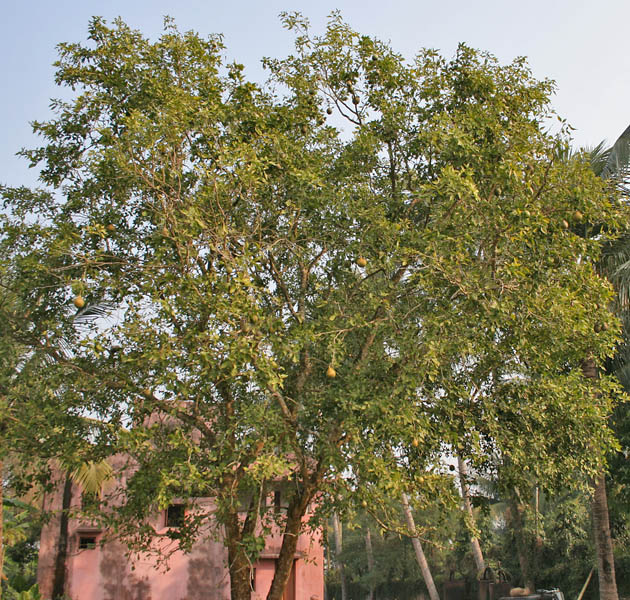
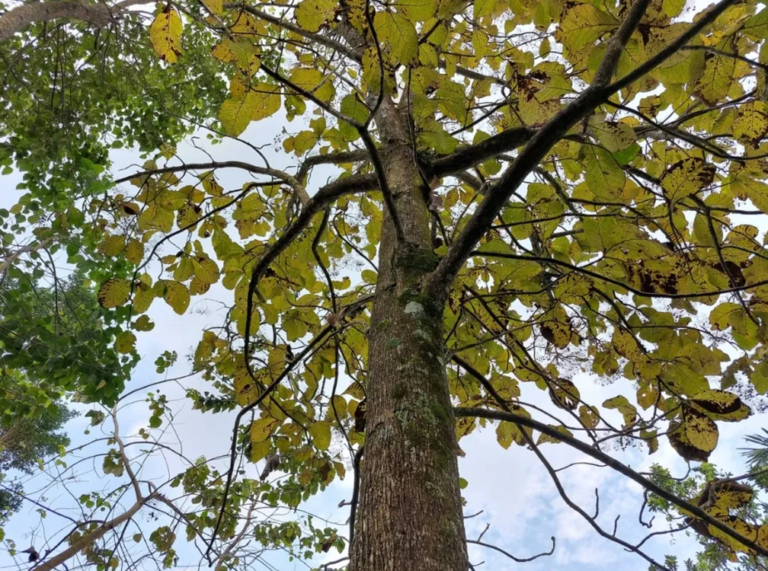
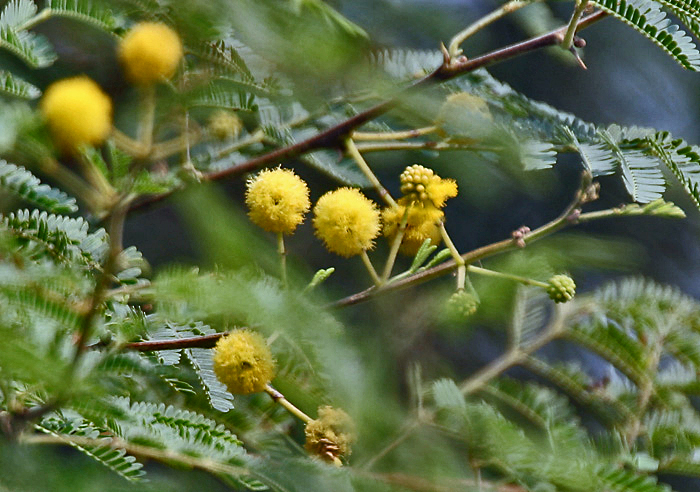
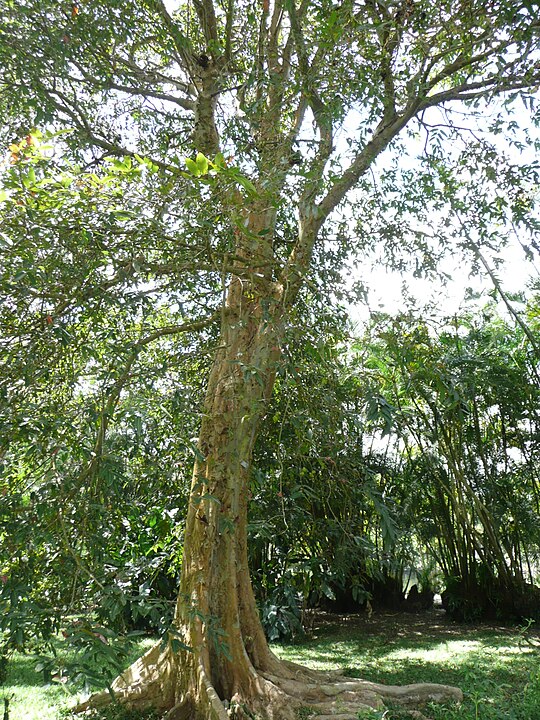
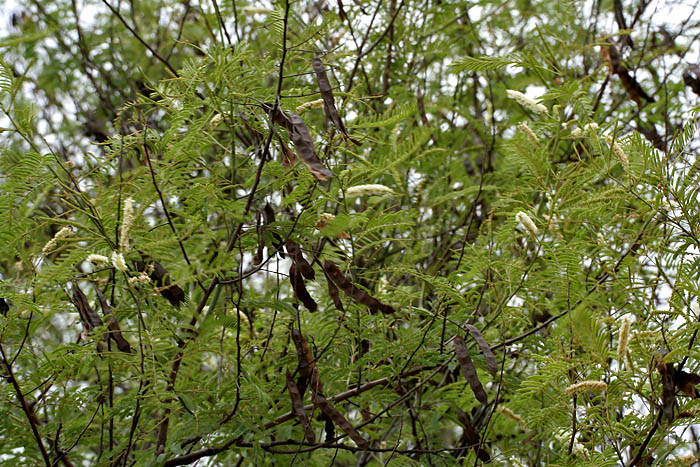
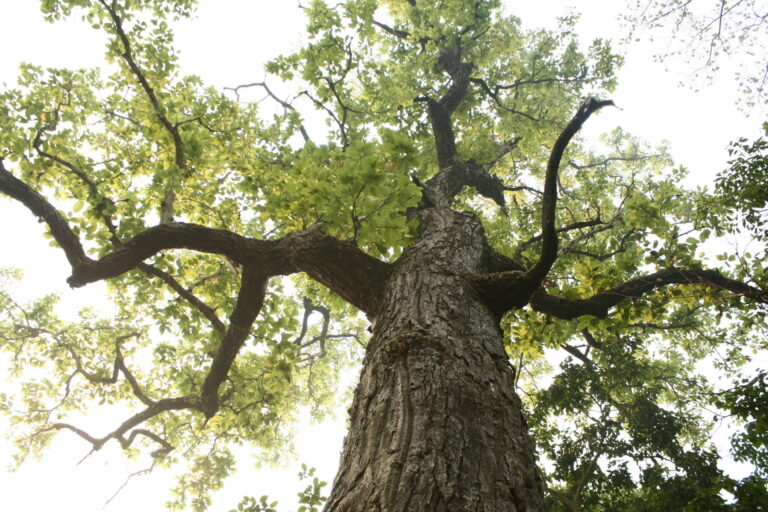
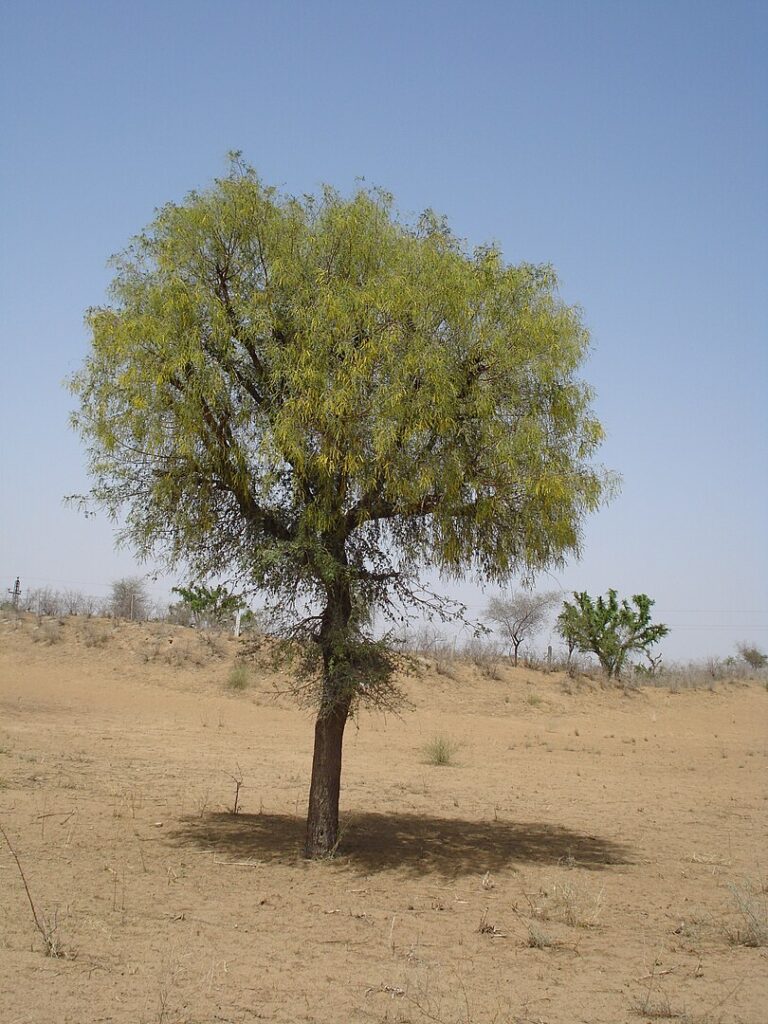
Native to the arid regions of India, particularly Rajasthan, the Khejri tree, scientifically known as Prosopis cineraria, stands as a symbol of resilience in harsh environments. Its distinct appearance, characterized by feathery leaves and twisted branches, makes it easily recognizable amidst the arid landscapes it inhabits. Revered for its adaptability to drought conditions, the Khejri tree plays a vital role in maintaining ecological balance and sustaining local biodiversity.
The Versatile Utility of the Khejri Tree
- Environmental Conservation: With its deep root system, the Khejri tree helps prevent soil erosion and desertification, anchoring the fragile soil in arid regions. Its presence is crucial in maintaining ecological stability and combating desert encroachment.
- Livelihood Support: Beyond its ecological contributions, the Khejri tree serves as a lifeline for many communities. Various parts of the tree, including leaves, pods, and seeds, are utilized in traditional practices and as a source of income through the production of handicrafts, fodder, and medicinal products.
- Nutritional Value: The pods of the Khejri tree, known as ‘Sangri’ in local parlance, are a culinary delicacy rich in nutrients. They are a staple in the diet of desert-dwelling communities, offering a source of sustenance even in challenging environmental conditions.
- Medicinal Properties: Traditional medicine systems recognize the therapeutic properties of the Khejri tree. Extracts from its leaves, bark, and pods are used to treat various ailments, including digestive disorders, skin conditions, and respiratory ailments.
Cultural Significance and Conservation Efforts
In addition to its tangible benefits, the Khejri tree holds profound cultural significance in the regions where it thrives. Revered for its role in local folklore, traditions, and religious rituals, it embodies the spirit of resilience and adaptation ingrained in desert communities.
Despite its importance, the Khejri tree faces threats from various factors, including deforestation, urbanization, and climate change. Recognizing the need for conservation, efforts are underway to protect and propagate this invaluable species through afforestation initiatives, community engagement, and sustainable resource management practices.
Conclusion: Embracing the Legacy of the Khejri Tree
In the midst of modernization and rapid development, it becomes imperative to acknowledge and preserve the treasures of our natural heritage. The Khejri tree stands as a testament to the resilience of life in the harshest of environments and serves as a reminder of our interconnectedness with nature.
As we unravel the myriad uses, benefits, and cultural significance of the Khejri tree, let us not only celebrate its contributions but also strive to ensure its survival for generations to come. By fostering a deeper appreciation for this botanical gem, we pave the way for a more sustainable and harmonious coexistence with the natural world.
Join us in honoring the legacy of the Khejri tree and embracing the wisdom it imparts, for in its shade, we find solace and sustenance amidst the arid sands of time.
Stay tuned to Digi Study Lab.in for more insightful explorations into the wonders of nature and beyond.
Exploring Sustainable Practices and Future Prospects
As we navigate the complexities of environmental conservation and sustainable development, the Khejri tree emerges as a beacon of hope and opportunity. Its multipurpose utility offers a blueprint for leveraging natural resources in a manner that fosters economic prosperity while preserving ecological integrity.
- Agroforestry Initiatives: Integrating Khejri trees into agroforestry systems holds immense potential for enhancing agricultural productivity in arid regions. By providing shade, improving soil fertility, and acting as a windbreak, these trees contribute to the sustainability of farming practices, enabling communities to thrive in challenging environments.
- Biofuel Production: With growing interest in renewable energy sources, the Khejri tree presents an attractive option for biofuel production. Its high biomass yield and ability to thrive in marginal lands make it a promising candidate for bioenergy projects, offering a sustainable alternative to fossil fuels while mitigating greenhouse gas emissions.
- Eco-Tourism and Cultural Experiences: The unique ecological and cultural heritage associated with the Khejri tree provides opportunities for eco-tourism and community-based initiatives. Guided tours, cultural festivals, and experiential learning programs centered around the tree can not only generate income for local communities but also raise awareness about the importance of conservation and sustainable living practices.
- Research and Innovation: Continued research into the genetic diversity, ecological functions, and medicinal properties of the Khejri tree holds the key to unlocking new avenues for sustainable development. Collaboration between scientists, policymakers, and local stakeholders can drive innovation in areas such as plant breeding, natural resource management, and pharmaceuticals, furthering our understanding of the tree’s potential and value.
Embracing a Sustainable Future with the Khejri Tree
In the quest for a more sustainable and equitable world, the Khejri tree emerges as a symbol of resilience, ingenuity, and interconnectedness. By harnessing its diverse benefits and embracing traditional wisdom, we can forge pathways towards a future where nature thrives, communities prosper, and ecosystems flourish.
As stewards of the earth, it is our collective responsibility to safeguard the legacy of the Khejri tree and nurture the landscapes it inhabits. Through conscious action, collaboration, and a deep reverence for the wonders of nature, we can chart a course towards a brighter, greener future for generations to come.
Join us on this journey of discovery and transformation as we celebrate the marvels of the Khejri tree and champion sustainable practices that honor the past, empower the present, and safeguard the future.
Stay connected with Digi Study Lab.in for more inspiring stories, insightful analyses, and actionable solutions that empower individuals and communities to thrive in harmony with nature.
Let us embark on this adventure together, guided by the wisdom of the Khejri tree and fueled by the spirit of possibility and renewal. Together, we can create a world where every tree stands tall, every ecosystem thrives, and every life flourishes in harmony with the rhythms of the earth.
Join the Conversation:
How have you encountered the Khejri tree in your journey? Share your experiences, insights, and ideas for harnessing its potential for sustainable development in the comments below. Let’s inspire and empower each other to embrace the transformative power of nature and build a future where all life can thrive.
Taxonomy of the Khejri Tree
The Khejri tree, scientifically known as Prosopis cineraria, belongs to the Fabaceae family, commonly referred to as the pea, bean, or legume family. It is classified under the genus Prosopis, which encompasses over 40 species of flowering plants distributed across arid and semi-arid regions worldwide.
Distribution of the Khejri Tree
The Khejri tree is predominantly found in the arid and semi-arid regions of the Indian subcontinent, with its primary habitat spanning the states of Rajasthan, Gujarat, Haryana, Punjab, and Uttar Pradesh. It thrives in hot, dry climates characterized by low rainfall and high temperatures, often forming extensive stands in sandy or rocky soils.
Ecology of the Khejri Tree
- Adaptations to Arid Environments: The Khejri tree exhibits a range of adaptations that enable it to thrive in harsh desert conditions. Its deep root system allows it to access groundwater, ensuring survival during prolonged droughts. Additionally, its small, waxy leaves minimize water loss through transpiration, while its ability to fix nitrogen enhances soil fertility in nutrient-poor environments.
- Ecological Interactions: The Khejri tree plays a vital role in supporting local biodiversity by providing habitat, food, and shelter for a diverse array of organisms. Birds, insects, and small mammals are attracted to its flowers, fruits, and foliage, forming intricate ecological networks that contribute to ecosystem resilience.
- Ecosystem Services: Beyond its ecological interactions, the Khejri tree provides valuable ecosystem services that benefit both the environment and human communities. Its dense canopy offers shade and reduces soil erosion, while its nitrogen-fixing abilities enhance soil fertility and support agricultural productivity in arid regions.
Conservation Status and Challenges
Despite its ecological importance, the Khejri tree faces numerous threats to its survival, including habitat loss, overgrazing, invasive species, and climate change. Unregulated exploitation for timber, fuelwood, and fodder further exacerbates the pressure on existing populations, leading to degradation of natural habitats and loss of biodiversity.
Efforts to conserve the Khejri tree and its associated ecosystems are underway, driven by government agencies, non-profit organizations, and local communities. These initiatives focus on habitat restoration, sustainable resource management, community engagement, and raising awareness about the ecological value and cultural significance of the tree.
Future Perspectives and Research Directions
Moving forward, research into the taxonomy, ecology, and genetic diversity of the Khejri tree will be crucial for informing conservation strategies and sustainable land management practices. Collaborative efforts between scientists, policymakers, and local stakeholders can help identify priority areas for conservation, develop resilience strategies to mitigate the impacts of climate change, and promote sustainable utilization of Khejri tree resources.
By recognizing the intricate connections between biodiversity conservation, ecosystem services, and human well-being, we can work towards a future where the Khejri tree continues to thrive, enriching the landscapes it inhabits and sustaining the communities that depend on it for generations to come.