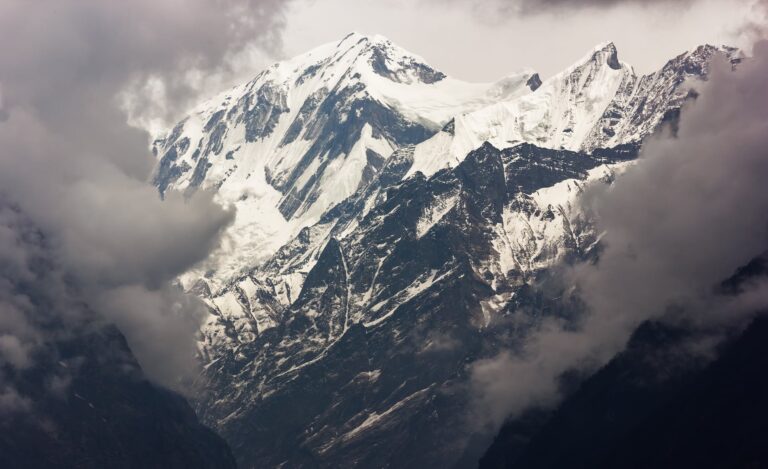
Ladakh: Where Serenity Meets Adventure in the Land of High Passes
Nestled amidst the towering peaks of the Himalayas, Ladakh beckons travelers with its breathtaking landscapes, vibrant culture, and rich history. This “Land of High Passes” offers a unique blend of tranquility and adventure, making it a dream destination for nature enthusiasts, spiritual seekers, and adrenaline junkies alike.
Unveiling Ladakh’s Enchanting Landscapes:
Ladakh’s diverse geography paints a mesmerizing picture. The stark beauty of the Indus Valley contrasts with the lush green Pangong Tso lake, while the Zanskar Valley carves a dramatic path through the mountains. Hike through the flower-carpeted meadows of Nubra Valley, witness the sunrise paint the Changthang Plateau in golden hues, or marvel at the majestic peaks reflected in the still waters of Tso Moriri. Each turn reveals a new wonder, leaving you speechless and breathless.
Delving into a Unique Culture:
Ladakh’s cultural tapestry is woven with ancient Buddhist traditions, Tibetan influences, and distinct local customs. Explore the centuries-old monasteries adorned with intricate murals and chanting monks, delve into the lives of nomads tending to their pashmina goats, and witness the vibrant masked dances held during festivals. The warm hospitality of the Ladakhi people adds another layer of charm to your experience, making you feel welcome and embraced by the community.
Embracing the Thrill of Adventure:
Adventure seekers rejoice! Ladakh is a playground for adrenaline junkies. Trek through the demanding yet rewarding routes of Markha Valley or Stok Kangri, test your mettle on challenging mountain biking trails, or embark on a white-water rafting expedition on the Zanskar River. For a gentler thrill, hop on a jeep safari through the rugged terrain, or simply let the wind caress your face as you ride through scenic mountain passes.
Beyond the Usual Tourist Trail:
If you seek an off-the-beaten-path experience, explore the hidden gems of Ladakh. Visit the Hemis National Park, home to snow leopards and elusive birds, or venture deep into the Rupshu Valley, known for its vast grasslands and nomadic settlements. Unearth ancient petroglyphs in Sham Valley, soak in the natural hot springs of Chumathang, or participate in the unique homestays program to truly immerse yourself in the local way of life.
Planning Your Ladakh Adventure:
Ladakh, despite its remoteness, is well-connected by air and road. The best time to visit is between June and September, when the weather is pleasant. Remember to obtain the necessary permits, respect local customs, and practice responsible tourism.
Ladakh is more than just a destination; it’s an experience that stays with you long after you return. So, pack your bags, embrace the beauty and adventure, and embark on a journey to this unforgettable land where serenity meets adventure.
Bonus Tip: Check out our curated resources on Digi Study Lab.in for detailed travel guides, cultural insights, and insider tips to plan your perfect Ladakh adventure!
Ladakh: A Symphony of Peaks, Valleys, and Glaciers
Beyond the cultural and adventurous allure, Ladakh’s physical features themselves are a symphony of nature’s artistry. Let’s delve deeper into this breathtaking landscape:
Towering Mountain Giants:
The Himalayas and Karakoram ranges form Ladakh’s majestic crown. K2, the second highest peak in the world, stands sentinel in the north, while Saser Kangri, Ladakh’s highest peak, pierces the sky with its snow-capped grandeur. These colossal figures, rising above 20,000 feet, create a panorama that inspires awe and humility.
Carved by Water:
The mighty Indus River carves a sinuous path through the heart of Ladakh, carving deep valleys and fertile plains. Its tributaries, like the Zanskar River, add their dramatic touch, creating gorges and canyons that showcase the power of nature’s sculpting hand. Witness the Indus surge during springtime thaws, or follow its calmer stretches for serene reflections of the surrounding peaks.
High Plateau Majesty:
Ladakh’s crown jewel is the Changthang Plateau, a vast expanse of land averaging 14,000 feet. This “Land of Nomads” offers breathtaking vistas stretching to the horizon, dotted with turquoise lakes like Tso Moriri and Pangong Tso. Here, the thin air carries whispers of ancient glaciers and echoes of nomadic life.
Glacial Embrace:
Ladakh boasts thousands of glaciers, remnants of a bygone era, that feed its rivers and shape its landscape. Witness the Siachen Glacier, the world’s highest battlefield, or marvel at the Khardung La, a high mountain pass offering panoramic views of glaciers clinging to the peaks. These icy behemoths, though shrinking due to climate change, remain stark reminders of the region’s dynamic history.
Desert Contrasts:
While not technically a desert, Ladakh experiences arid conditions due to its rain shadow location. This creates unique landscapes like the Nubra Valley, a desert oasis nestled amidst mountains, and the Changtang Plateau, with its windswept plains and sparse vegetation. These areas showcase the remarkable adaptability of life, with hardy animals like yaks and pashmina goats thriving in this demanding environment.
Nature’s Canvas:
Ladakh’s physical features are not merely static beauty; they are a dynamic canvas constantly changing with the seasons. In spring, wildflowers bloom, painting valleys in vibrant hues. Summer brings lush greenery and snowmelt, while autumn cloaks the landscape in golden hues. Winter transforms Ladakh into a starkly beautiful wonderland, where frozen rivers and snow-covered peaks reign supreme.
Experiencing Ladakh’s physical features is more than just sightseeing; it’s a multi-sensory journey. From the chilling winds whispering through valleys to the thundering power of waterfalls, nature’s symphony awaits you in Ladakh.
A Glimpse into the Past: Unveiling Ladakh’s Early Medieval History
Before the bustling tourist scene and modern marvels, Ladakh’s story unfolded through centuries of intrigue, shifting alliances, and cultural evolution. Let’s step back in time and explore the fascinating tapestry of Ladakh’s early medieval history:
From Princely Feuds to Unified Kingdom:
Prior to the 10th century, Ladakh existed as a fragmented land, divided into numerous small principalities ruled by “chos” or princes. This era witnessed frequent skirmishes and jostling for power. However, a pivotal moment arrived with the rise of Skyid Lde Nimagon, ruler of the Ngari region in western Tibet. In the 10th century, he intervened in Ladakh’s internal conflicts, ultimately unifying the region under his reign. This marked the dawn of a centralized Ladakhi Kingdom with its capital established in Shey.
Buddhism Takes Root:
Though Ladakh’s earliest inhabitants likely practiced Bon, a pre-Buddhist animistic religion, the arrival of Buddhism in the 2nd century CE significantly shaped its cultural landscape. From Kashmir, Buddhist missionaries spread their teachings, leading to the construction of impressive monasteries like Spituk Gompa and Alchi Chorten. This period saw the rise of powerful monasteries that not only served as spiritual centers but also wielded significant political influence.
The Age of Expansion and Trade:
Under the leadership of successive kings, the Ladakhi kingdom witnessed a period of expansion and prosperity. King Lhachen Gyalpo, founder of the Namgyal dynasty in the 16th century, consolidated the kingdom and established trade routes connecting Ladakh to Central Asia and India. This influx of trade led to the flourishing of towns like Leh and Shey, which served as important trading hubs.
Religious Crossroads and Cultural Blending:
Ladakh’s strategic location placed it at the crossroads of various religious influences. While Buddhism remained the dominant faith, the arrival of Sufi missionaries in the 14th century led to the introduction of Islam, adding another layer to the region’s religious tapestry. This period also saw cultural exchanges with neighboring regions, resulting in a unique blend of Tibetan, Indian, and Central Asian influences in art, architecture, and traditional practices.
Challenges and Resilience:
The early medieval era wasn’t without its challenges. Ladakh faced invasions and skirmishes from neighboring powers like Mongolia and Kashmir. However, the resilience of its people and the leadership of its rulers ensured the kingdom’s survival and even occasional expansion.
Exploring the Past:
Ladakh’s early medieval history is waiting to be unraveled. Visit the ancient monasteries, adorned with murals depicting historical events, or delve into the ruins of forts that stand as silent witnesses to past conflicts. By venturing into this fascinating era, you gain a deeper understanding of the rich heritage that shapes Ladakh’s present and paves the way for its future.
So, embark on this historical journey, and discover the intriguing stories that shaped Ladakh’s early medieval tapestry.
Ladakh’s Enigmatic Geography: Beyond Peaks and Valleys
Beyond the mesmerizing peaks and vast valleys, Ladakh’s geography reveals hidden secrets and unique geological wonders. Let’s delve deeper into this land sculpted by nature’s diverse forces:
A Land of Tectonic Titans:
The mighty Himalayas and Karakoram ranges weren’t always giants. Millions of years ago, the Indian subcontinent collided with the Eurasian plate, pushing up these colossal mountains. This dramatic event continues to shape the landscape, resulting in earthquakes and ongoing upliftment. Witness the evidence in rock formations showcasing folds and faults, telling the story of ancient collisions.
Nature’s Sculptural Playground:
Glaciers, nature’s powerful ice sculptors, have left their mark on Ladakh. The Indus Valley, carved by ancient glaciers, boasts dramatic U-shaped valleys and hanging valleys, remnants of their erosive force. Explore the Nubra Valley, a testament to glacial retreat, where sand dunes and wind-sculpted formations paint a contrasting picture.
Fossils Whispering Tales of the Past:
Ladakh’s rich fossil record offers a glimpse into prehistoric life. Discover fossilized marine creatures nestled high in the mountains, hinting at a time when this land lay beneath a vast ocean. Unearth dinosaur footprints near Likir Gompa, or marvel at fossilized plants in the Trans-Himalayan ranges, whispering tales of ancient ecosystems.
Hot Springs: Nature’s Geothermal Wonders:
Dotted across Ladakh are natural hot springs, a testament to the region’s volcanic past. Immerse yourself in the warm, mineral-rich waters of Chumathang hot springs, or visit Puga, a geothermal wonderland with bubbling mud pools and fumaroles spewing steam. These geothermal features not only offer a unique spa experience but also provide valuable insights into the Earth’s inner workings.
Hidden Water Treasures:
Beneath Ladakh’s arid surface lies a vast network of underground water channels. These ancient canals, known as “karez,” transport water from distant glaciers and high-altitude springs, nourishing villages and sustaining life in this dry land. Explore the intricate karez systems, marveling at their engineering ingenuity honed over centuries.
Unraveling the Landscape:
By understanding the forces that shaped Ladakh’s geography, you gain a deeper appreciation for its beauty and complexity. Hike along valleys sculpted by glaciers, marvel at fossils whispering stories of the past, and soak in the warmth of geothermal wonders. Each layer of Ladakh’s geological tapestry unveils a captivating chapter in its history, enriching your experience and leaving you in awe of nature’s artistry.
Demographics: A Tapestry of Cultures
Ladakh’s population, estimated at around 300,000, reveals a fascinating blend of ethnicities and religious beliefs. The majority hails from Tibetan backgrounds, with smaller communities of Baltis, Changpas, and Brokpas adding to the cultural richness. Buddhism reigns supreme, with monasteries playing a vital role in community life. Yet, Islam finds a foothold in Kargil district, creating a beautiful tapestry of religious harmony.
Economy: More Than Just Tourism
While tourism plays a significant role (50% of GDP!), Ladakh’s economy remains diverse. Traditional activities like agriculture and pastoralism endure, with yak herding forming the backbone of the Changpa community. Apricots, barley, and vegetables flourish in fertile valleys, nurtured by ancient irrigation systems. Handicrafts, particularly pashmina wool products, showcase the region’s artistic heritage and provide income for locals. Recent initiatives focused on eco-tourism and sustainable development aim to diversify the economy further.
Transport: Conquering the High Passes
Reaching Ladakh, nestled amidst towering peaks, requires planning. Road travel reigns supreme, with the Leh-Manali highway and Srinagar-Leh highway offering breathtaking journeys. Be prepared for high altitude passes like Khardung La, the world’s highest motorable road. Air travel connects Leh to major cities, offering swift access to this remote paradise. Local transport options include shared taxis, jeeps, and even horseback riding for venturing deeper into the region. Remember, responsible tourism means minimizing environmental impact when choosing your transport options.